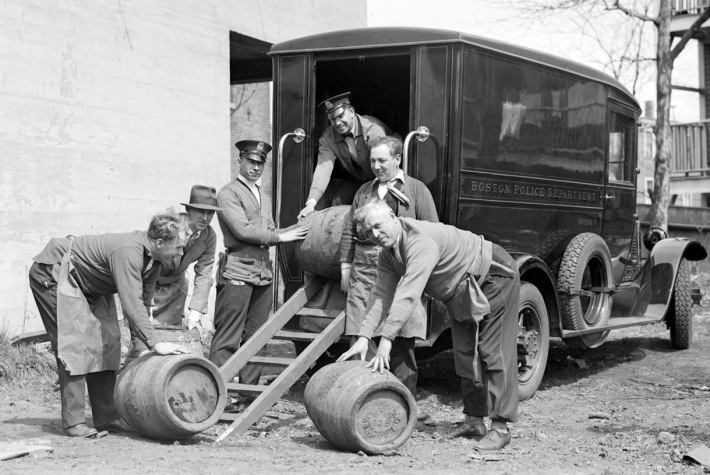
Ipswich folks have always had a taste for good rum. Its hidden creeks was a paradise for the rum runners and bootleggers during the Prohibition era. Tales of the Coast Guard chasing rum runners were common. It was very seldom that one could be caught. The booze was unloaded at convenient places like Gould's Bridge.ย To distract the authorities, someone would set a fire in town.
Category: Stories
Nancyโs Corner
The Ipswich Jails
Roads to Paradise
William Clancy, WWI Hero
Warned Out
Killing Wolves
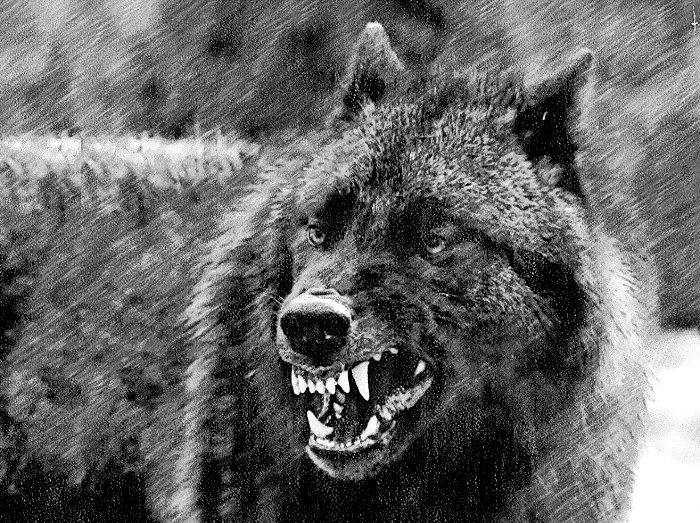
One of the first laws instituted by the Massachusetts Bay Colony was a bounty on wolves, and in early Ipswich, a rather disconcerting aspect of entering the Meeting House was the site of wolf heads nailed to the door. Even in 1723, wolves were so abundant and so near the meeting house, that parents would not suffer their children to go and come from worship without some grown person.
The Ipswich Clam
Ipswich is known as the home of the fried clam, although the claim has long been disputed by the town of Essex. The mud in the salt marshes along the Ipswich, Eagle, Essex and Parker Rivers is what gives our clams their wonderful taste. Ipswich was also home to Soffron Bros which produced clam strips for Howard Johnsons restaurants.
Newburyport and its Neighborhood in 1874, by Harriet Prescott Spofford
A Tragic Story from Old Gloucester
Clam Battle!
Troubles with Sheep
The North Shore and the Golden Age of Cycling
1639: “The Pigs have Liberty”
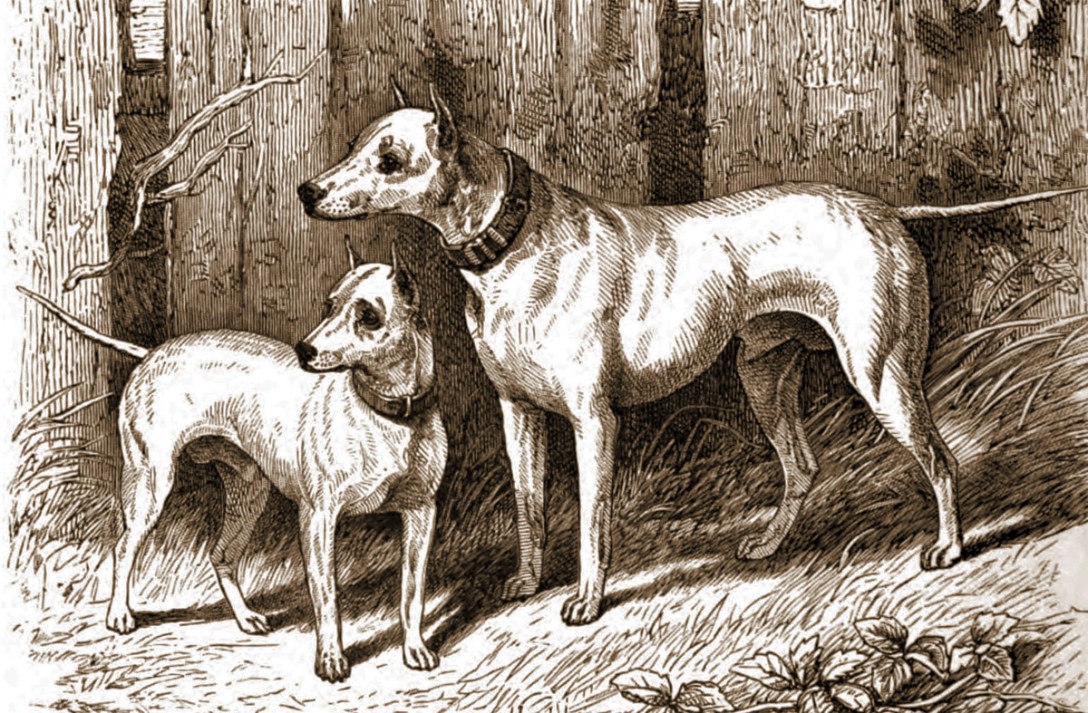
A Short History of Ipswich Dog Laws
In 1644, the Town of Ipswich ordered, "If a man refuse to tye up his dogg's legg and hee bee found scrapeing up fish in a corne fielde, the owner thereof shall pay twelve pence damages, beside whatever damage the dogg doth. But if any fish their house lotts and receive damage by doggs the owners of those house lotts shall bear the damage themselves."
One Third for the Widow
Under Puritan law an adult unmarried woman was a feme sole, and could own property and sign contracts. A married woman was a feme covert and could not own property individually. Widows regained the status of feme sole but the Right of Dower entitled them to keep only one third of their property. When a woman was left a widow some men like vultures were ready to take the other two thirds.