
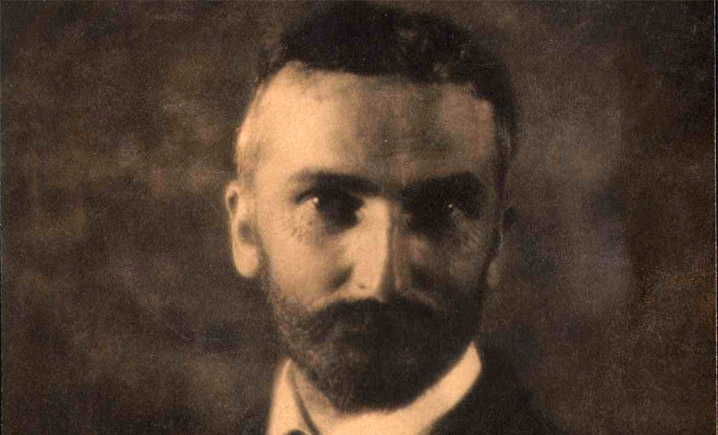
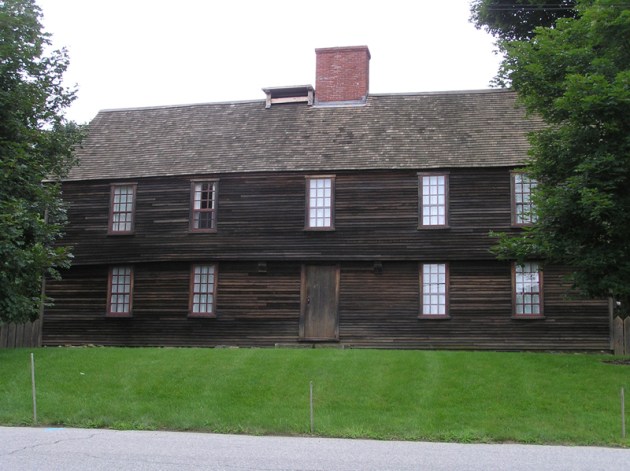
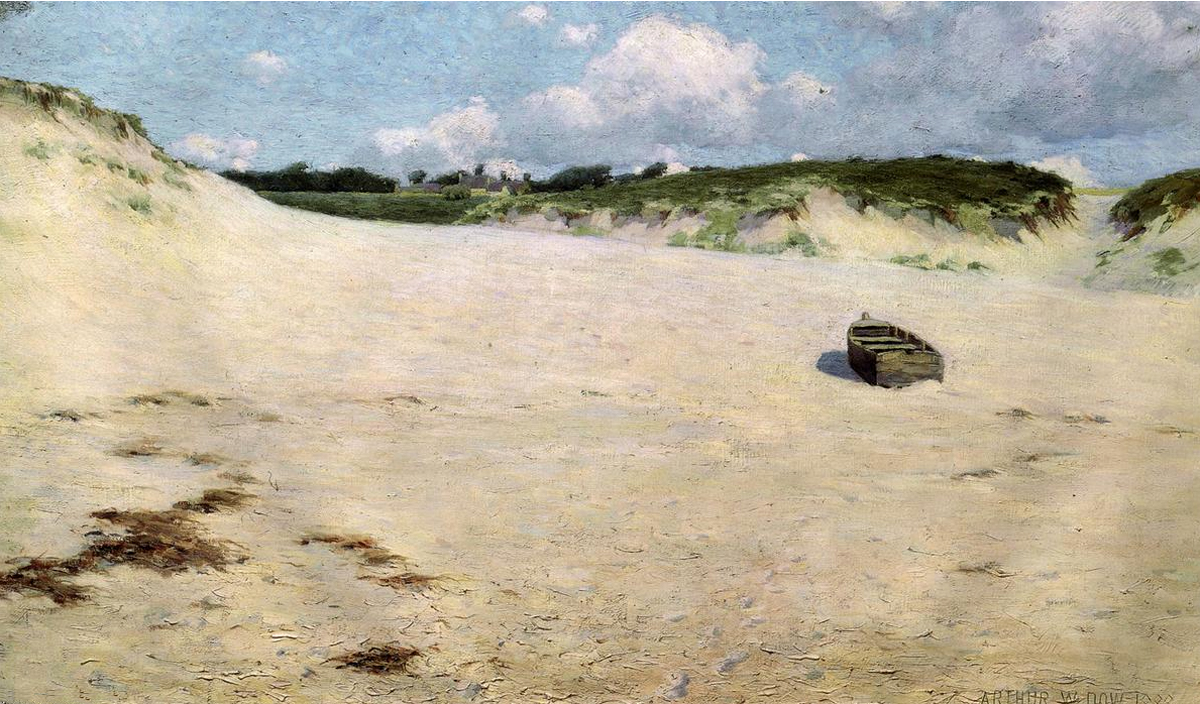
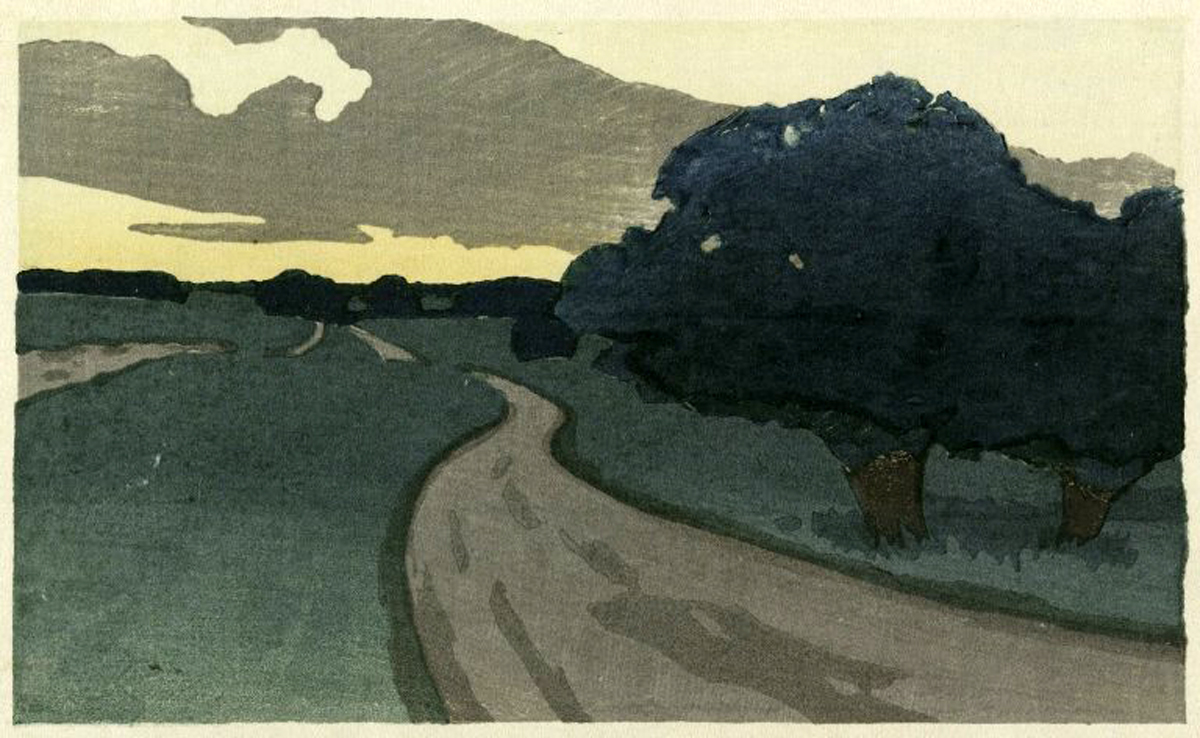
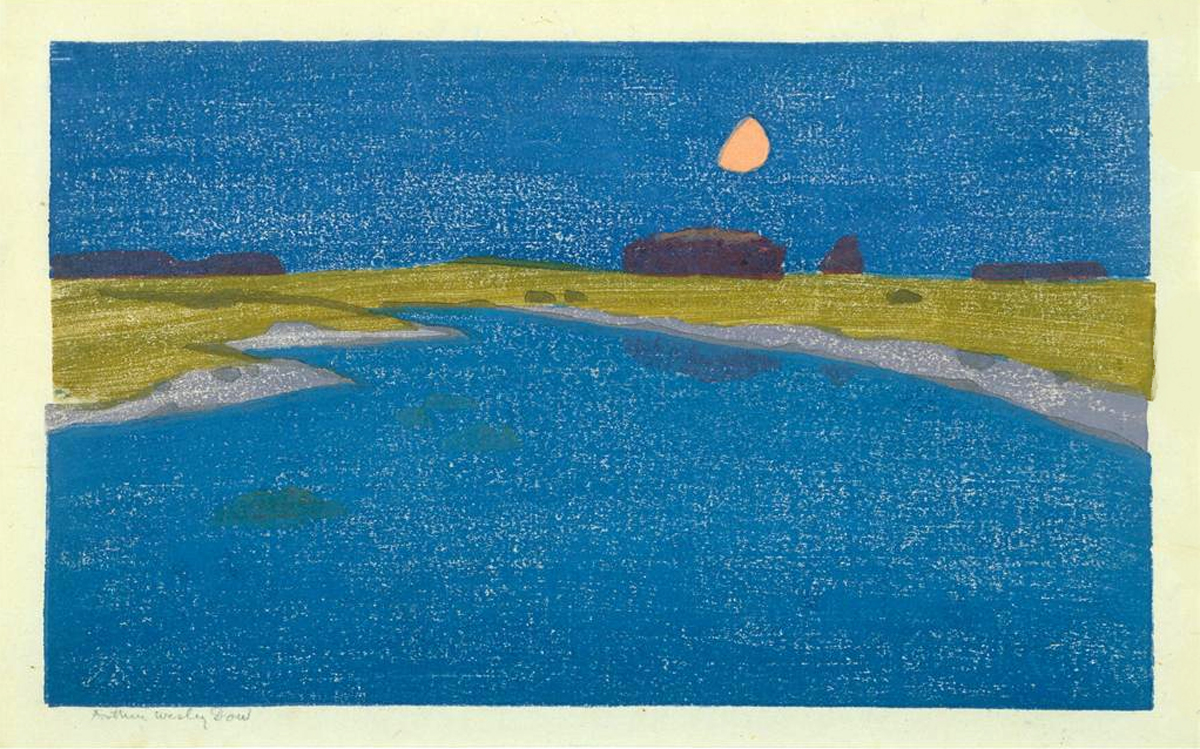
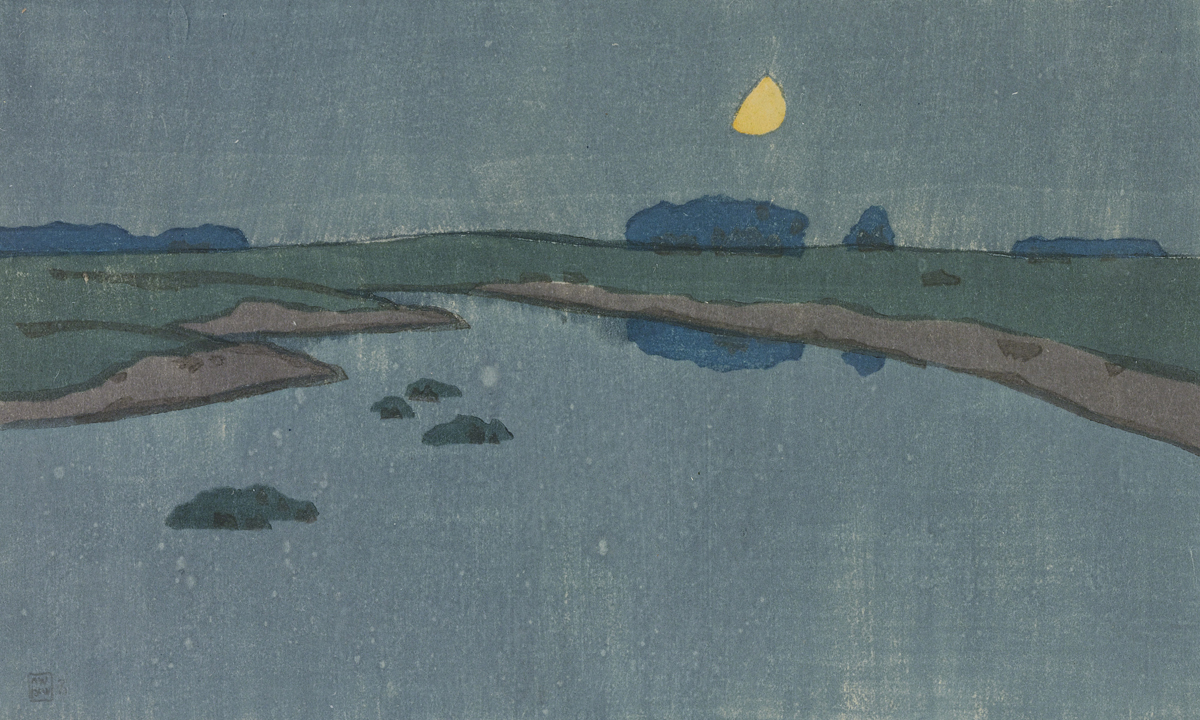
Ipswich artist Arthur Wesley Dow was born on April 6, 1857, in the Matthew Perkins House on East Street. He was one of the town’s most famous residents and a founding member of the Ipswich Historical Society. The Ipswich Museum owns the largest single collection of works by Arthur Wesley Dow, including oil paintings, watercolors, photographs, ink-wash drawings, woodblock prints, and plaster casts.
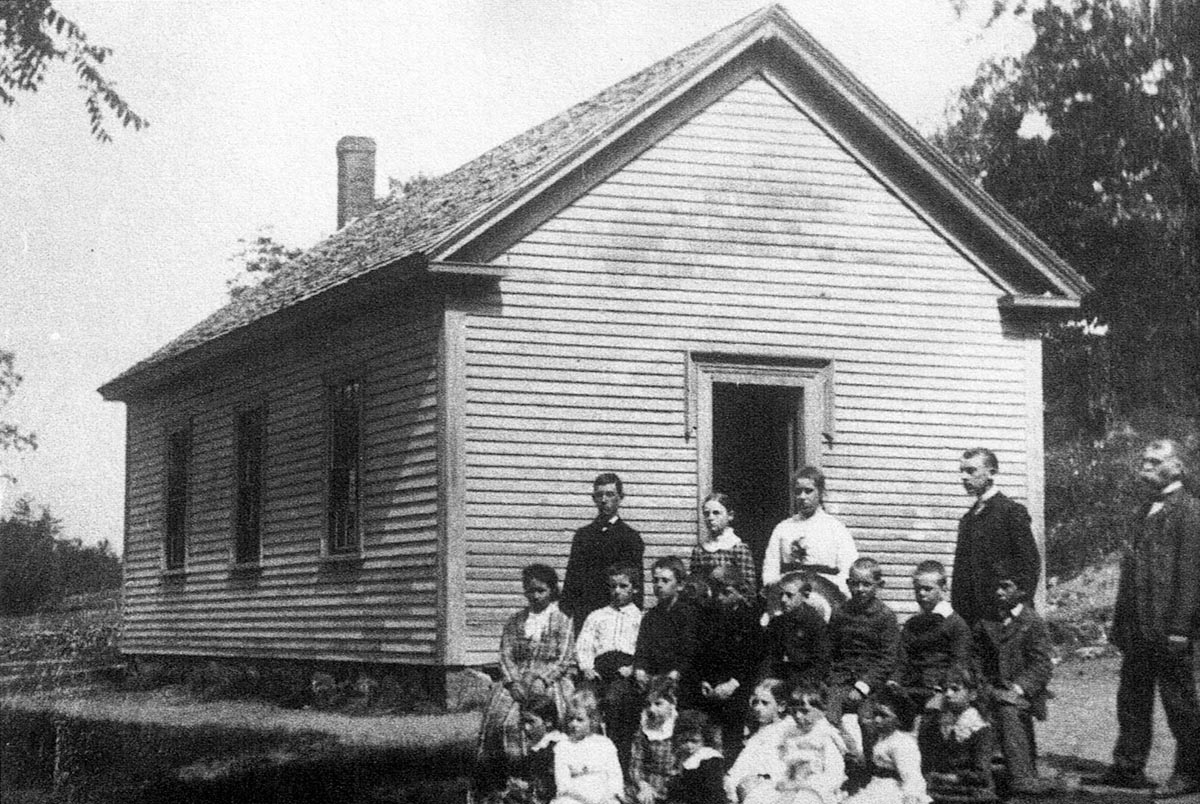
Unable to raise tuition for college after graduating from high school, Dow’s first job was teaching children in the one-room school at Linebrook Parish, while he studied independently under the guidance of Rev. John P. Cowles of the Ipswich Female Seminary. In 1875, Dow was hired by the Ipswich Historical Society to write autobiographical sketches and poems, culminating in the Antiquarian Papers published from 1879 to 1884, working with Reverend Augustine Caldwell, a professional antiquarian.
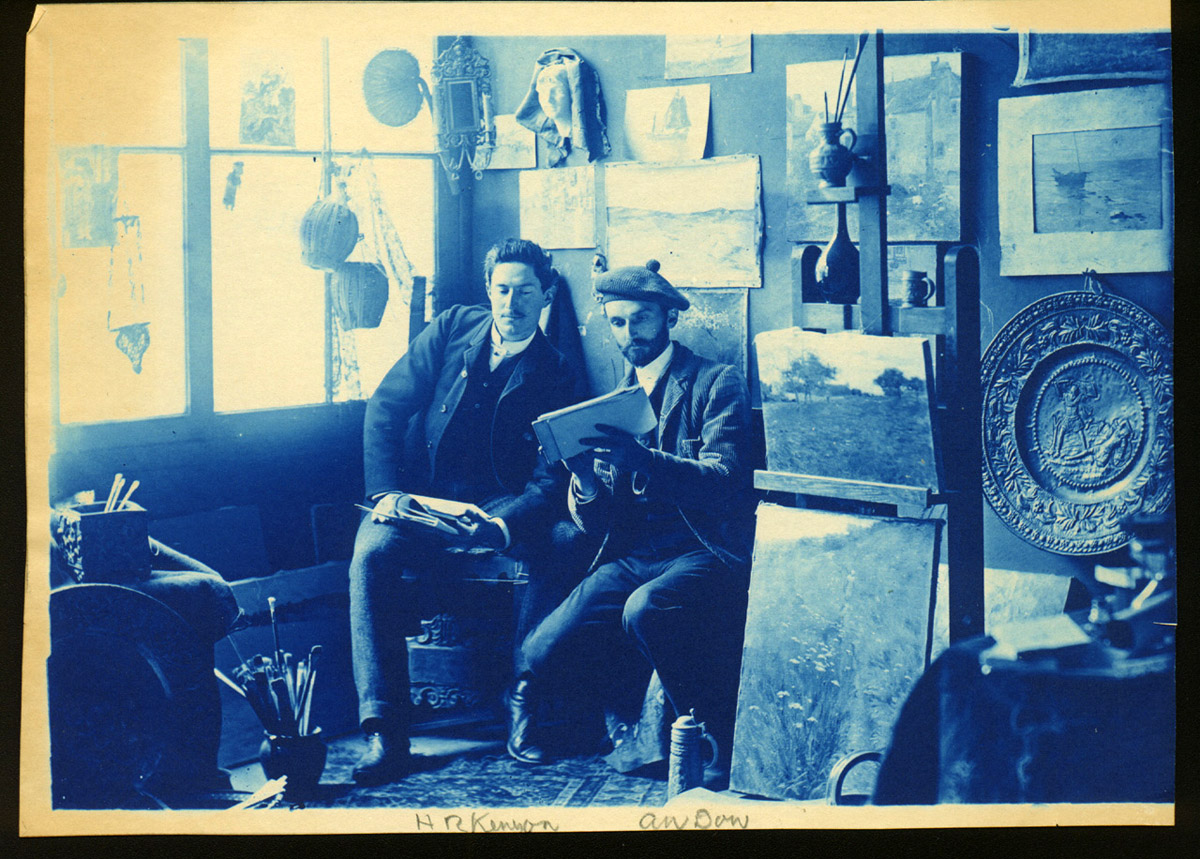
Caldwell recognized Dow’s talent and became his mentor. He began entering his works in exhibitions. In 1884, Dow began studying at the Académie Julian in Paris, where he developed the style that would make him famous. While at the Academy, he became a lifelong friend of Henry Rodman Kenyon. Back at home, he also formed a friendship with a writer and artist, Everett Stanley Hubbard, with whom he published “By Salt Marshes, Pictures and Poems of Olde Ipswich.”
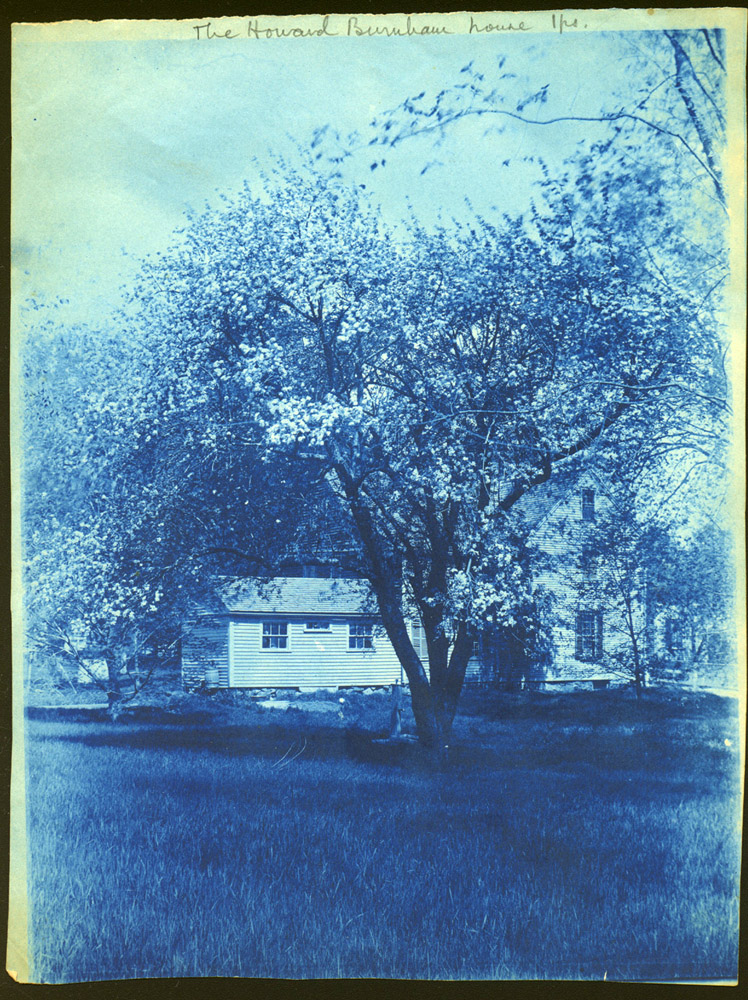
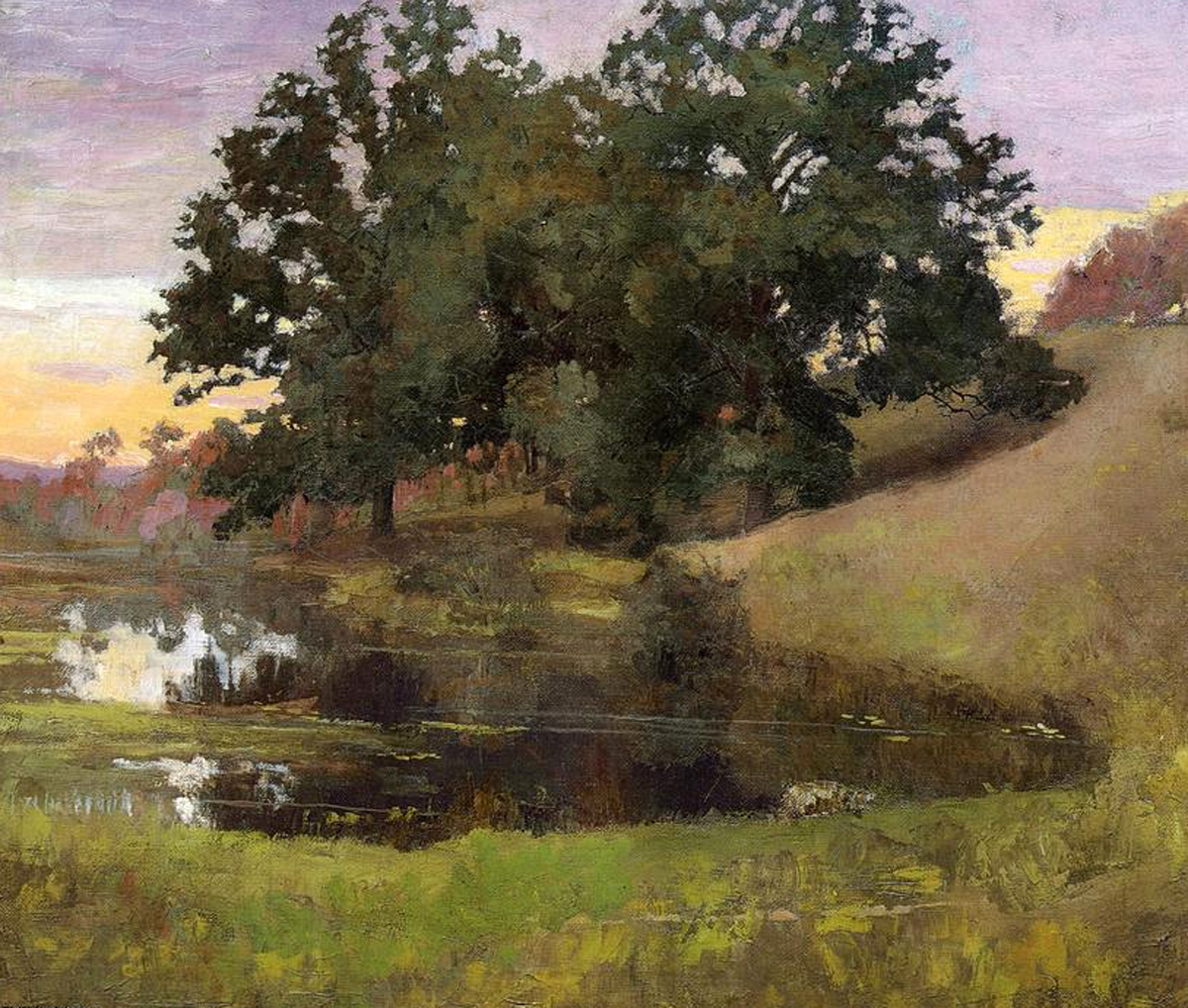
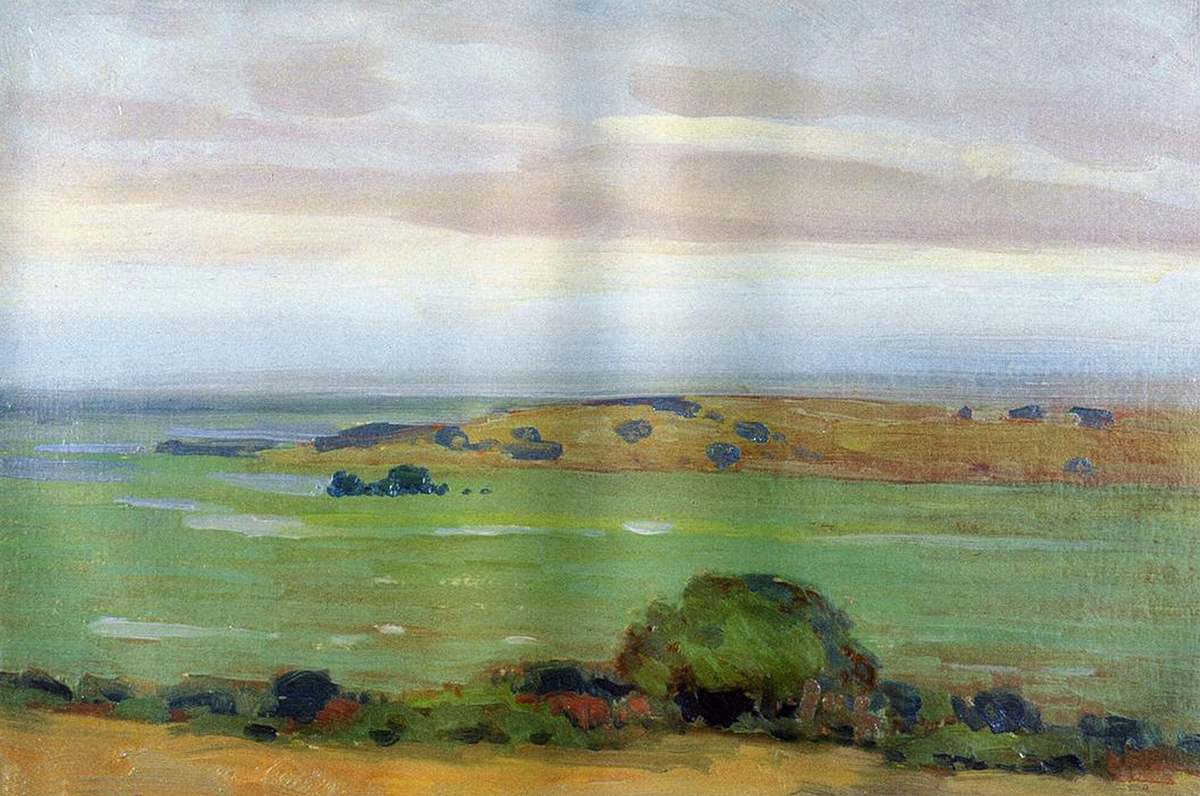
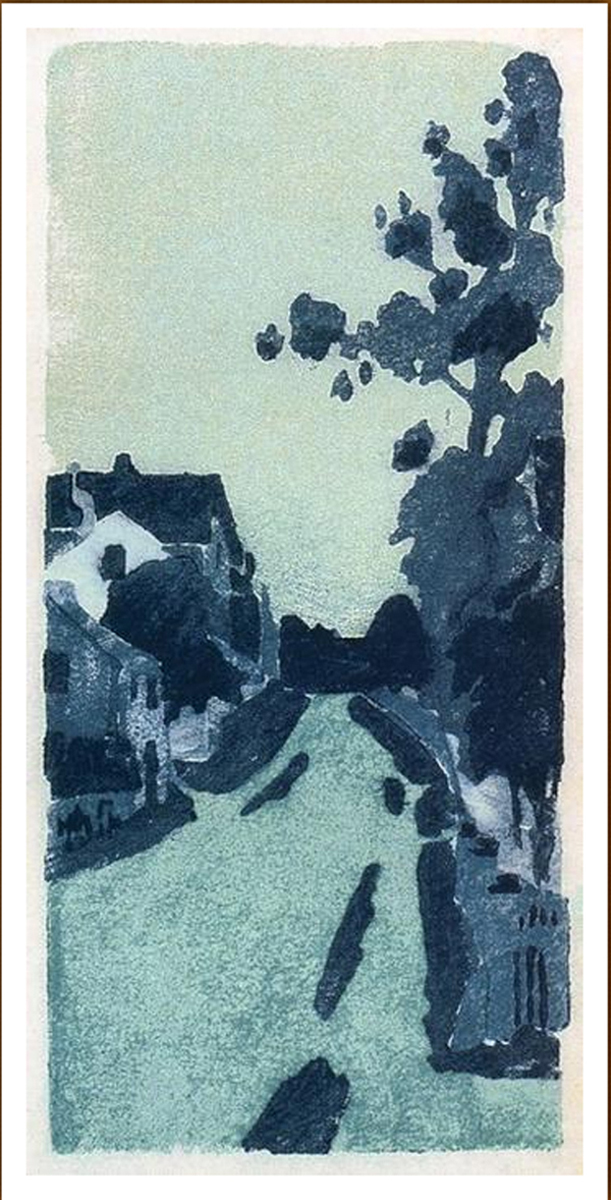
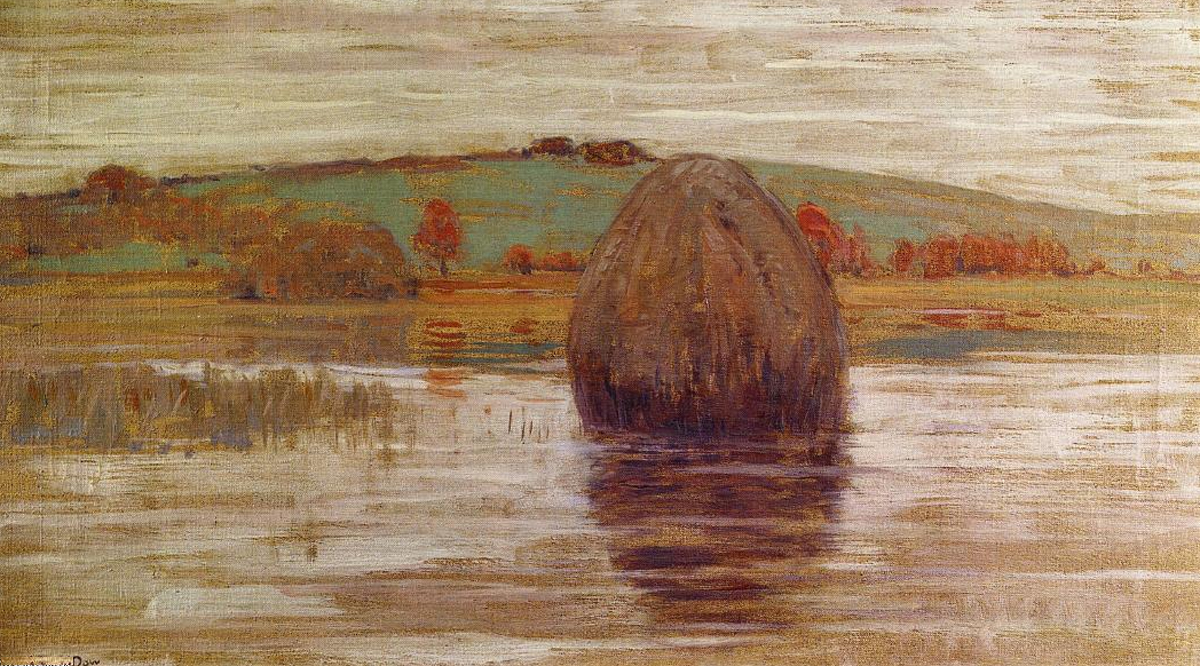
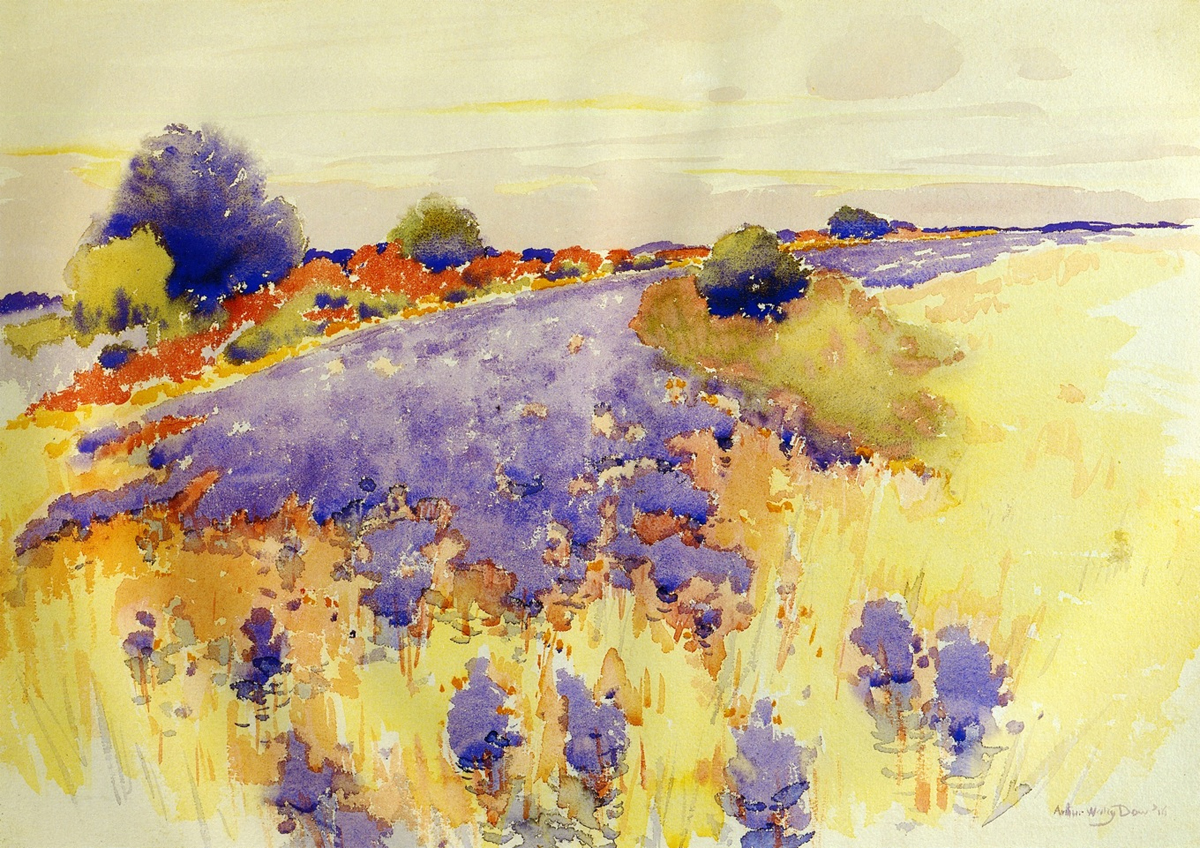
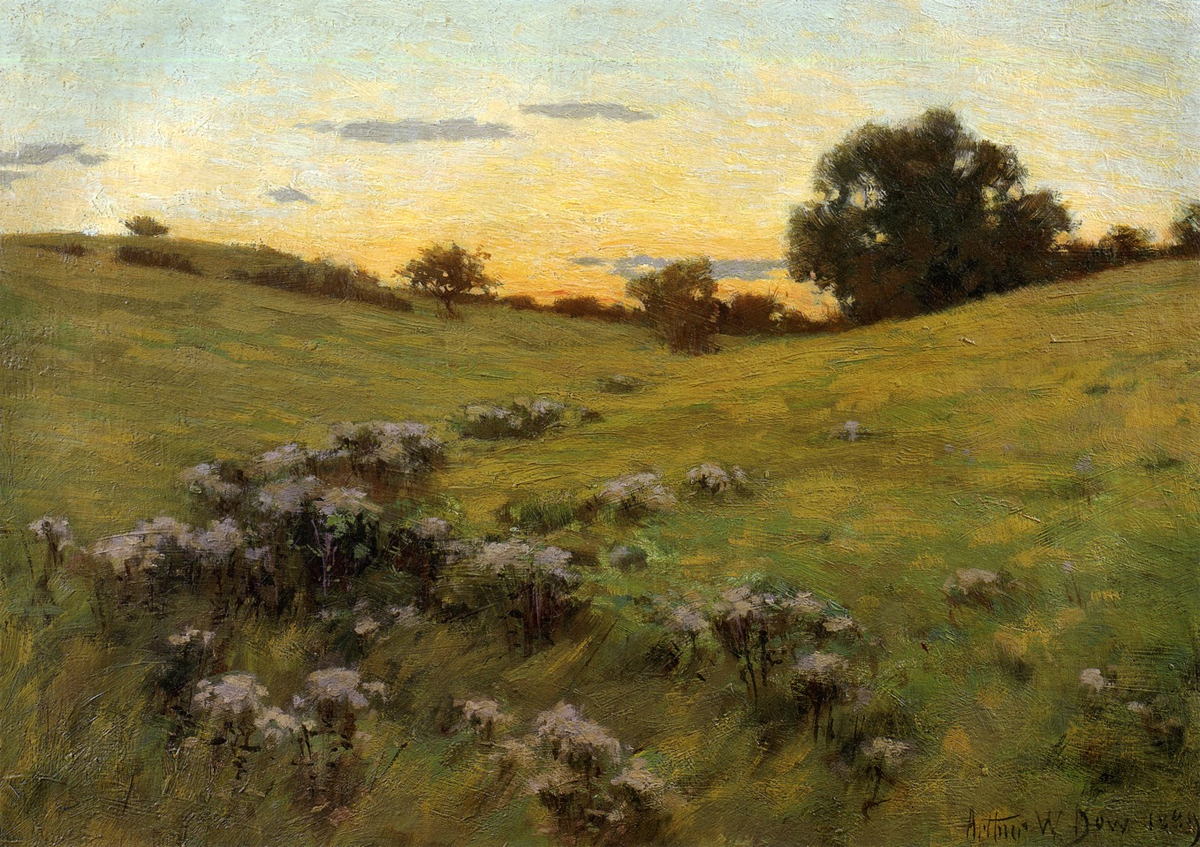
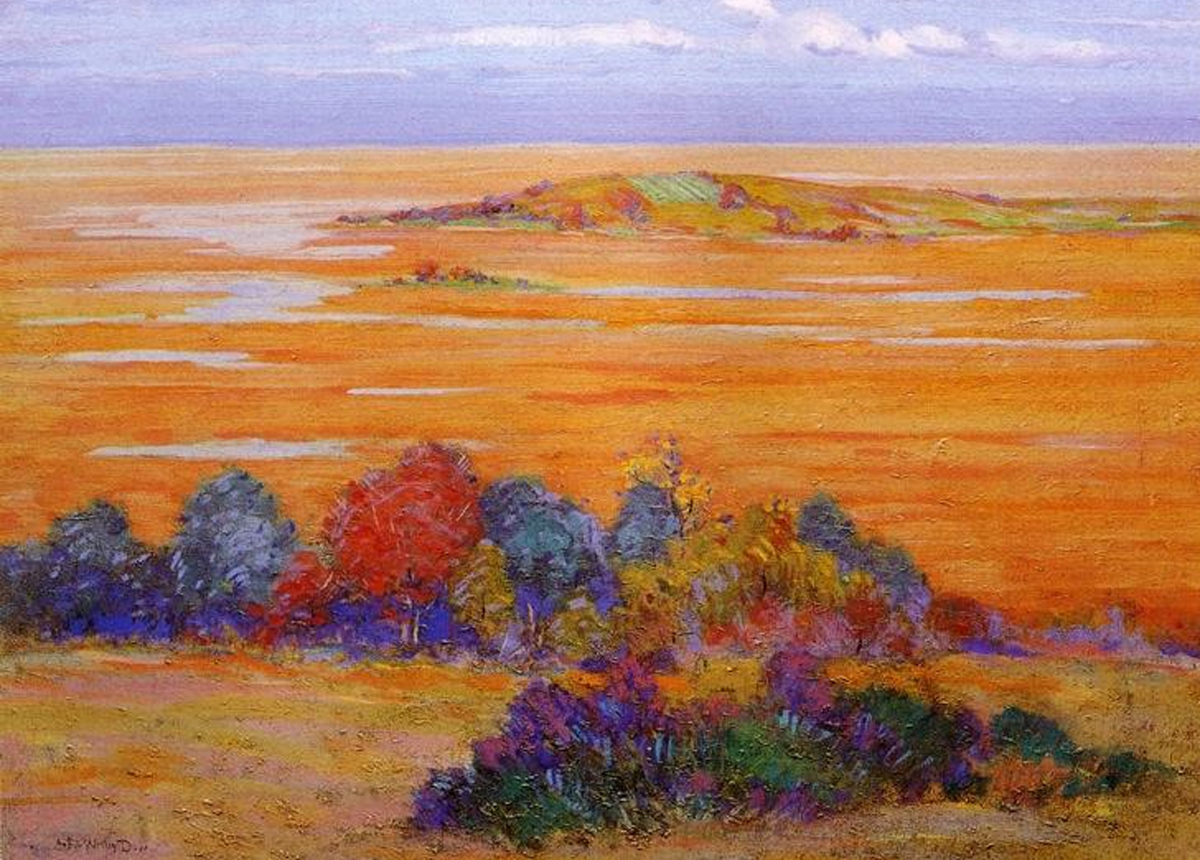
During summer, Dow and his wife ran the Ipswich Summer School of Art from the historic “Howard House” on Turkey Shore Road. Arthur Wesley Dow is renowned for his paintings and prints that take their subject matter from nature and reflect the orderly design and fine handcrafting championed by the Arts & Crafts movement.
Eighteen acres of his land were bequeathed to the town to become Dow Park on upper Spring Street, and his home on Turkey Shore went to the Society for the Preservation of New England Antiquities (now called “Historic New England“) upon his death in 1922.
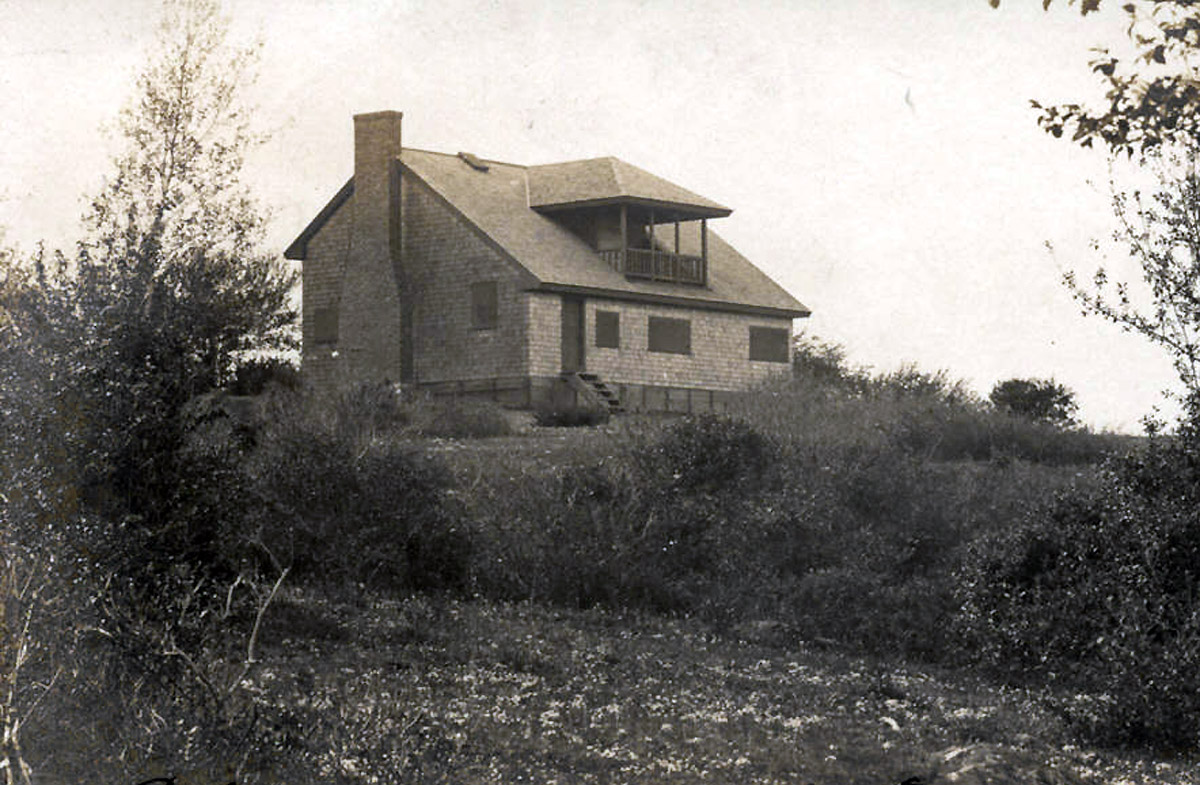
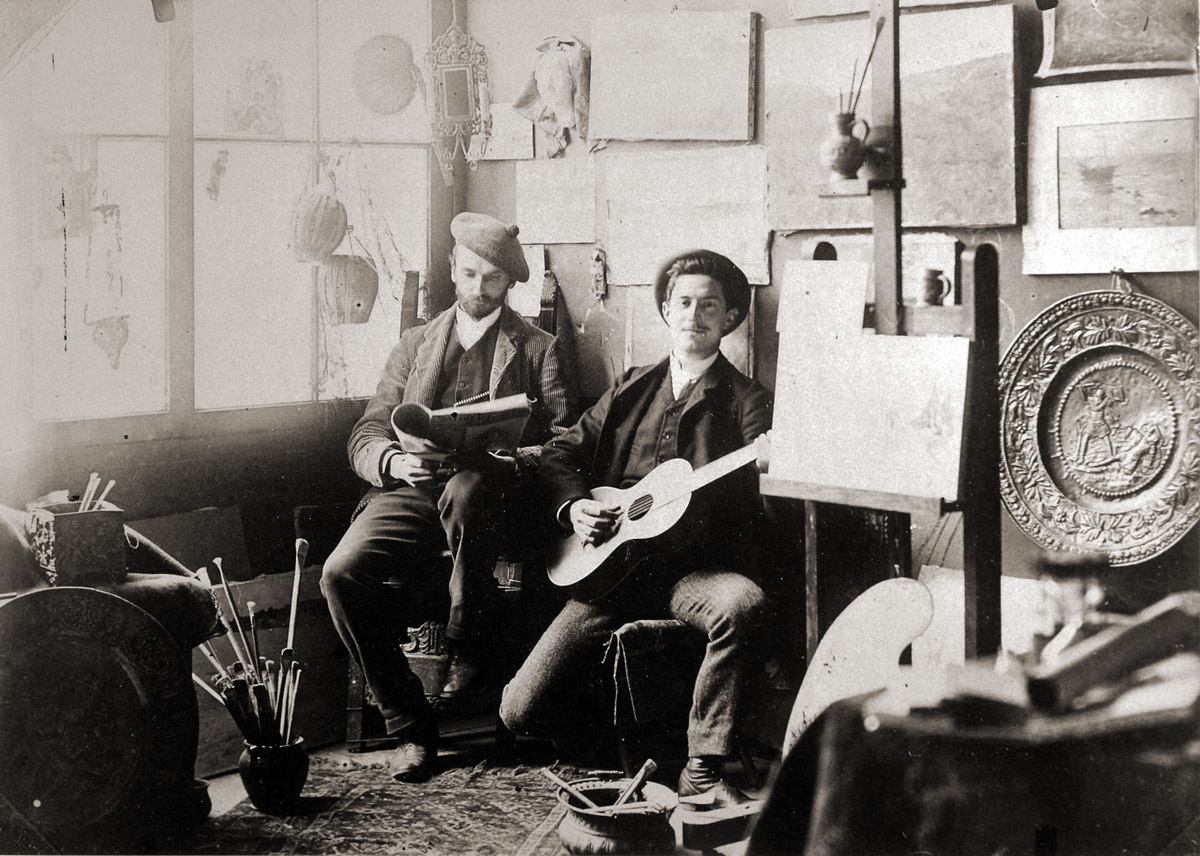
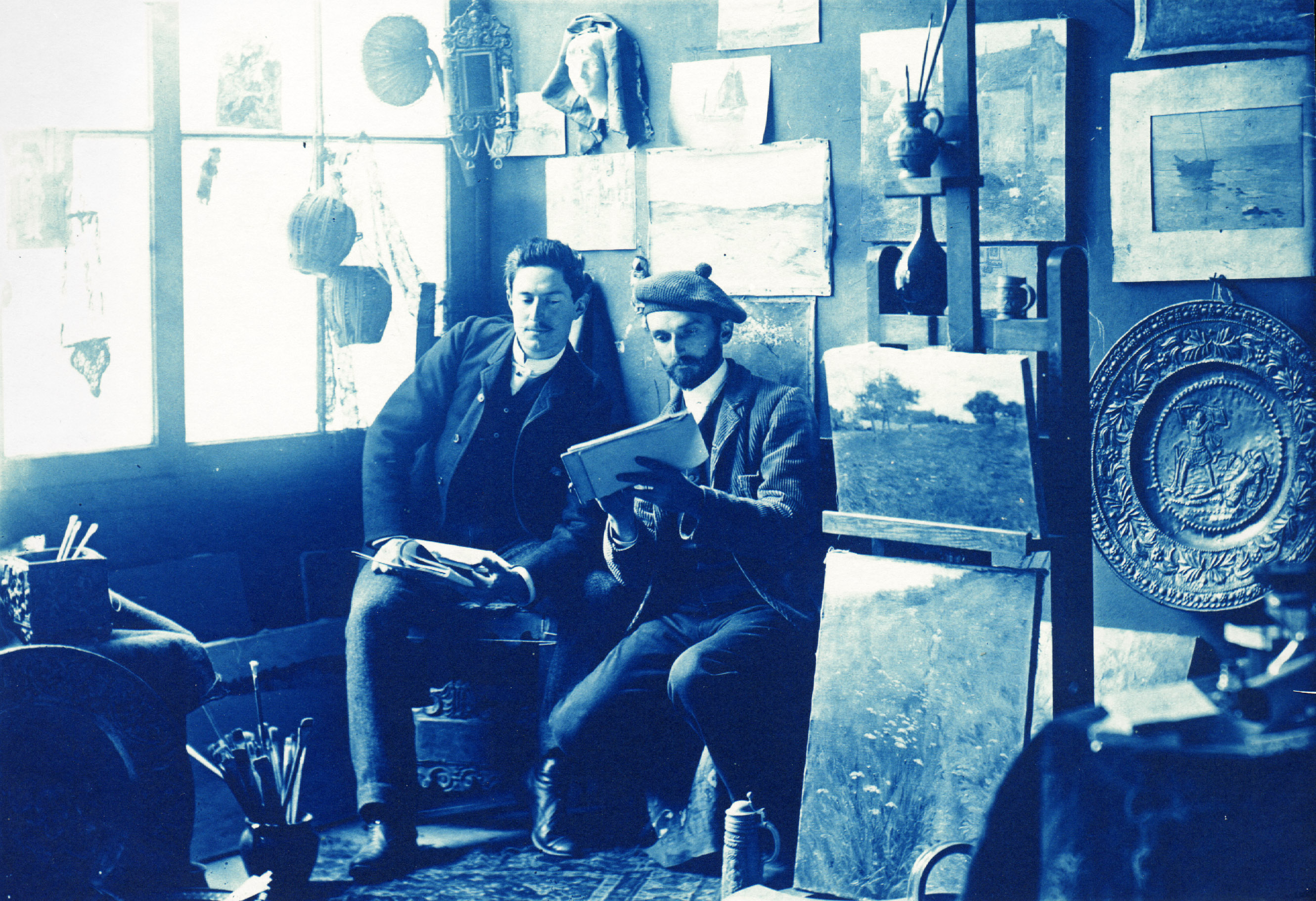
In 1899, Dow created a teaching manual, Composition: Understanding Line, Notation, and Color. In this popular book, he combined the best of Eastern and Western ideas, exploring the creation of images based on relations between lines, colors, and light patterns.
Dow served as the assistant curator of Japanese Art at the Boston Museum of Fine Arts and taught at the Pratt Institute in Brooklyn. He was the director of the Fine Arts Department at the Teachers’ College at Columbia University in New York City until he died in 1922.

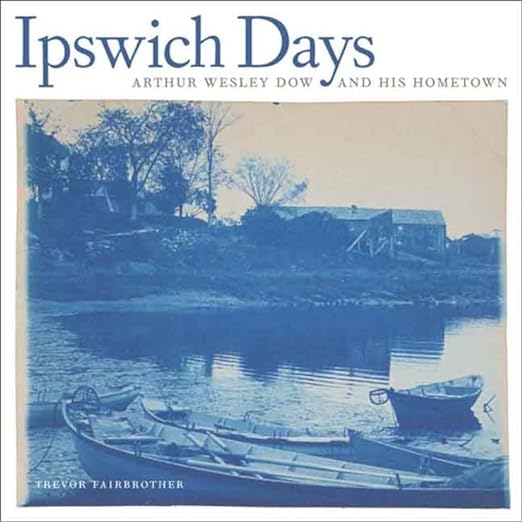
In 1899, Dow produced an album of 41 photographs entitled “Ipswich Days,” and later published “By Salt Marshes: Pictures & Poems of Old Ipswich.”
“Ipswich Days” analyzes this album and its significance in the artist’s career. Each of the images, depicting Ipswich’s clam shanties, marshes, farms, people, trees, flowers, and boats alike, is handsomely reproduced and reflects the beauty that Dow saw and uniquely interpreted in this quintessentially New England town.
Dow served as the assistant curator of Japanese Art at the Boston Museum of Fine Arts and taught at the Pratt Institute in Brooklyn, then became the director of the Fine Arts Department at the Teachers’ College at Columbia University in New York City until he died in 1922.

Further Reading
“The Education of the New England Artist: The Early Years of Arthur Wesley Dow” by Frederick C. Moffatt, Essex Institute Historical Collections, Vol. 112, October 1976.
Arthur Wesley Dow (1857-1922) by Frederick C. Moffatt (read online)
Arthur Wesley Dow and the Ipswich School of Art by Frederick C. Moffatt, The New England Quarterly Vol. 49, No. 3 (Sep., 1976), pp. 339-355 (read online)
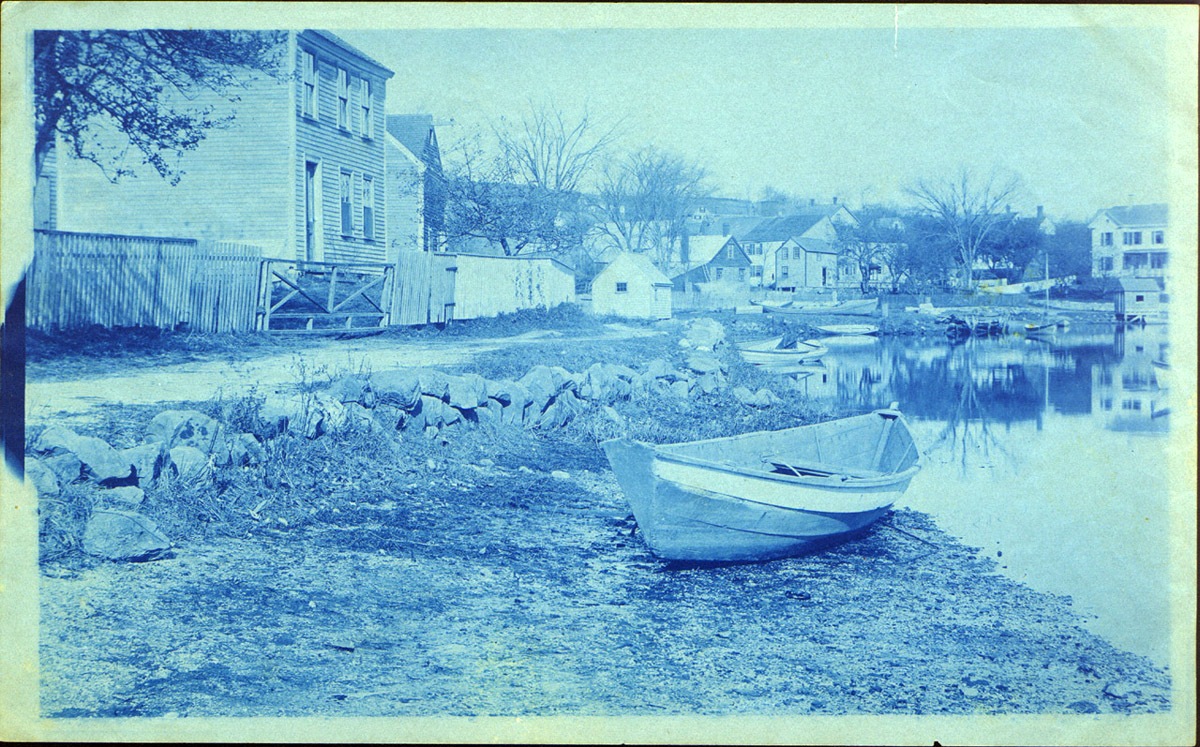
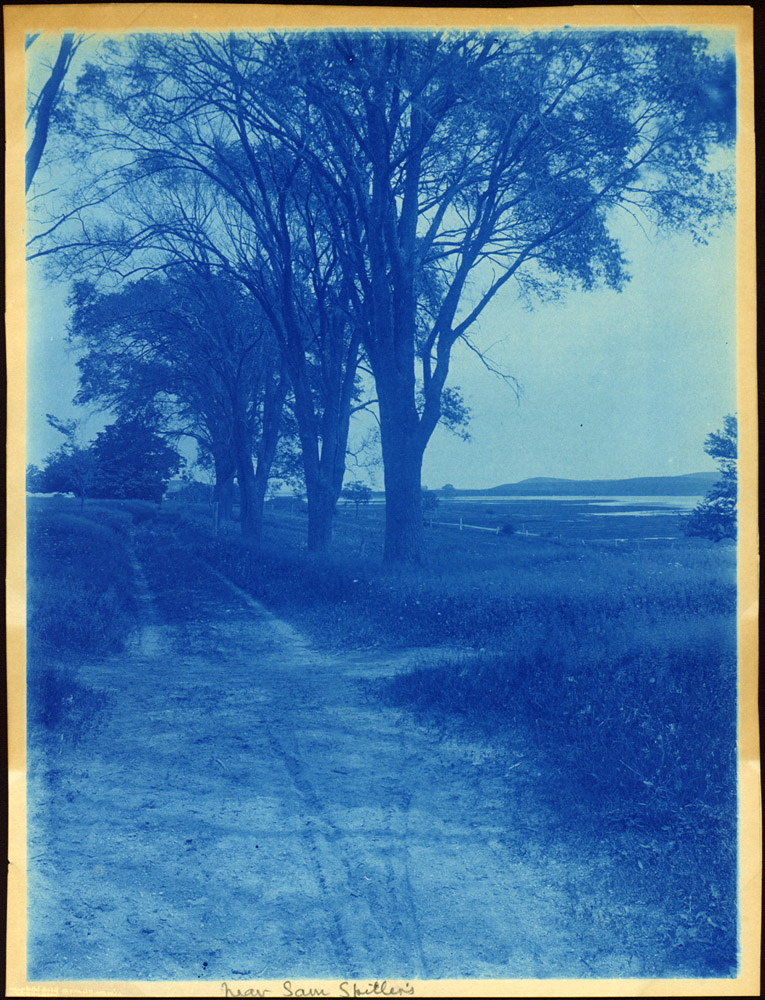
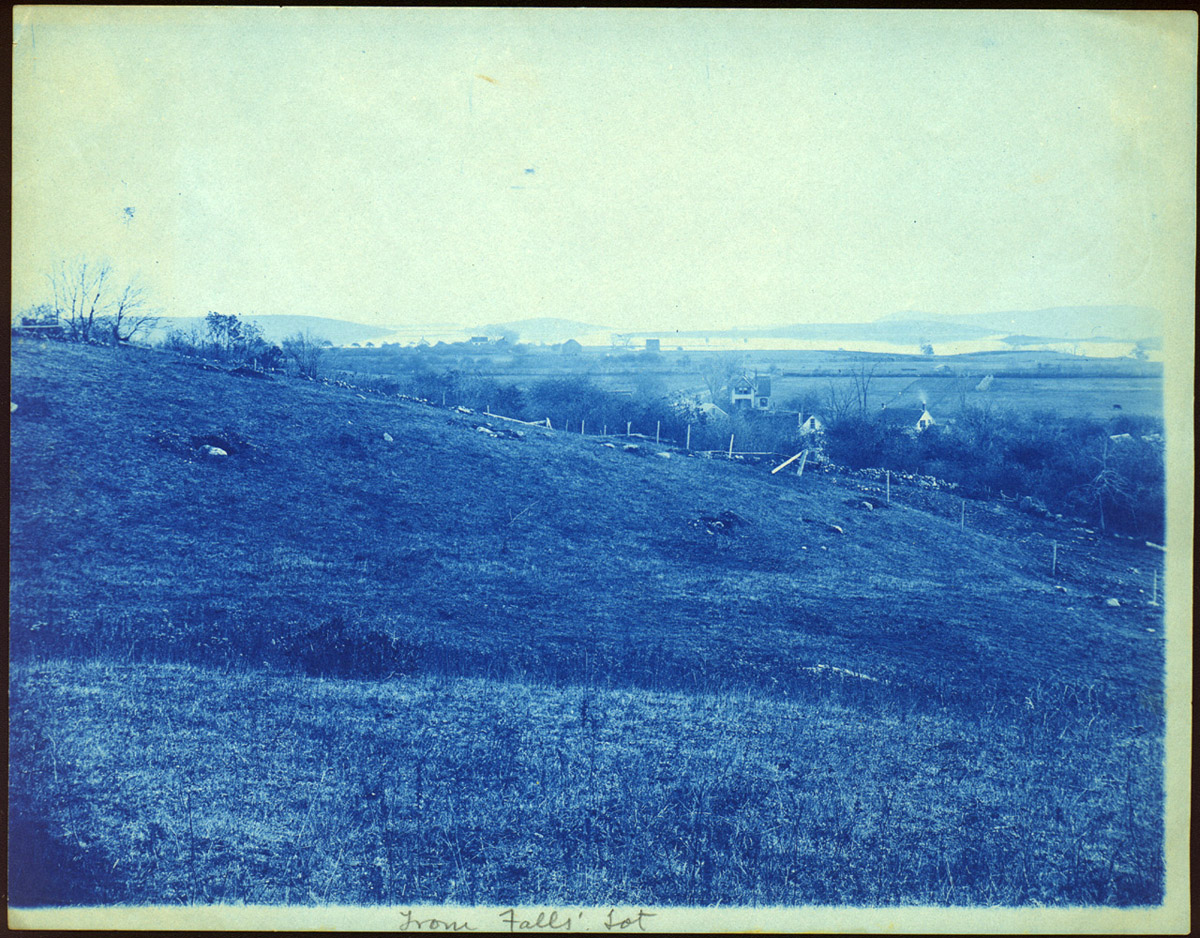
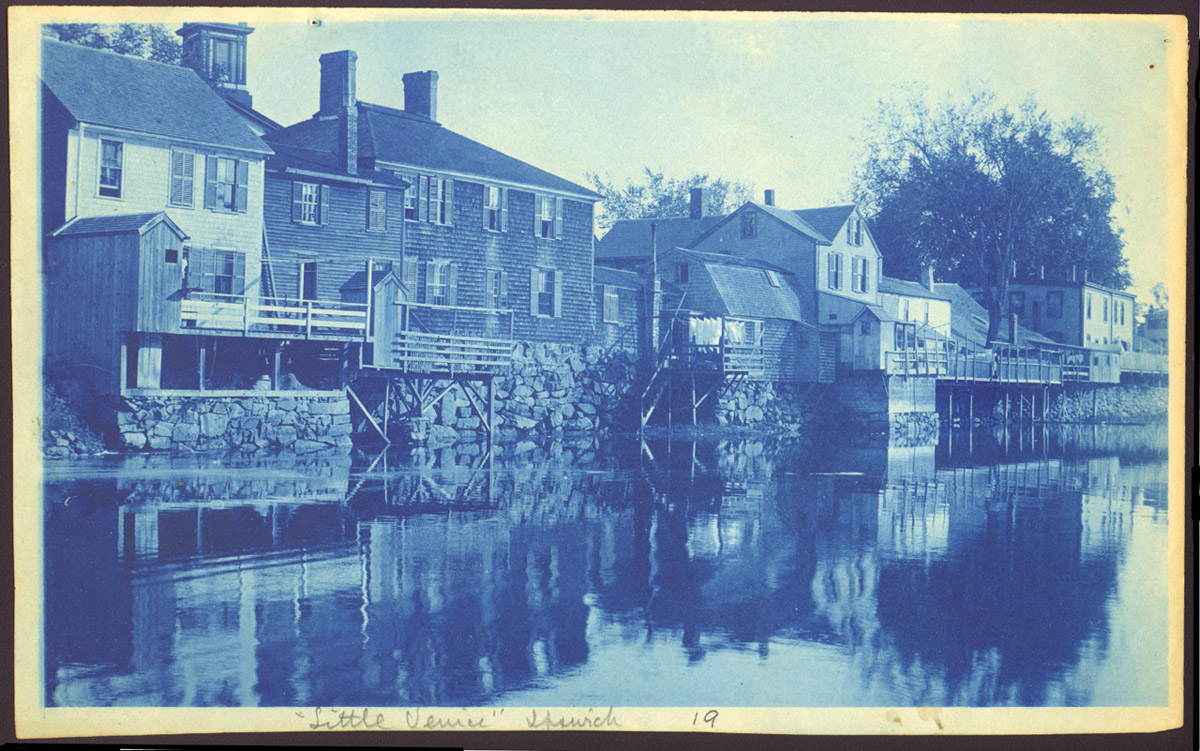
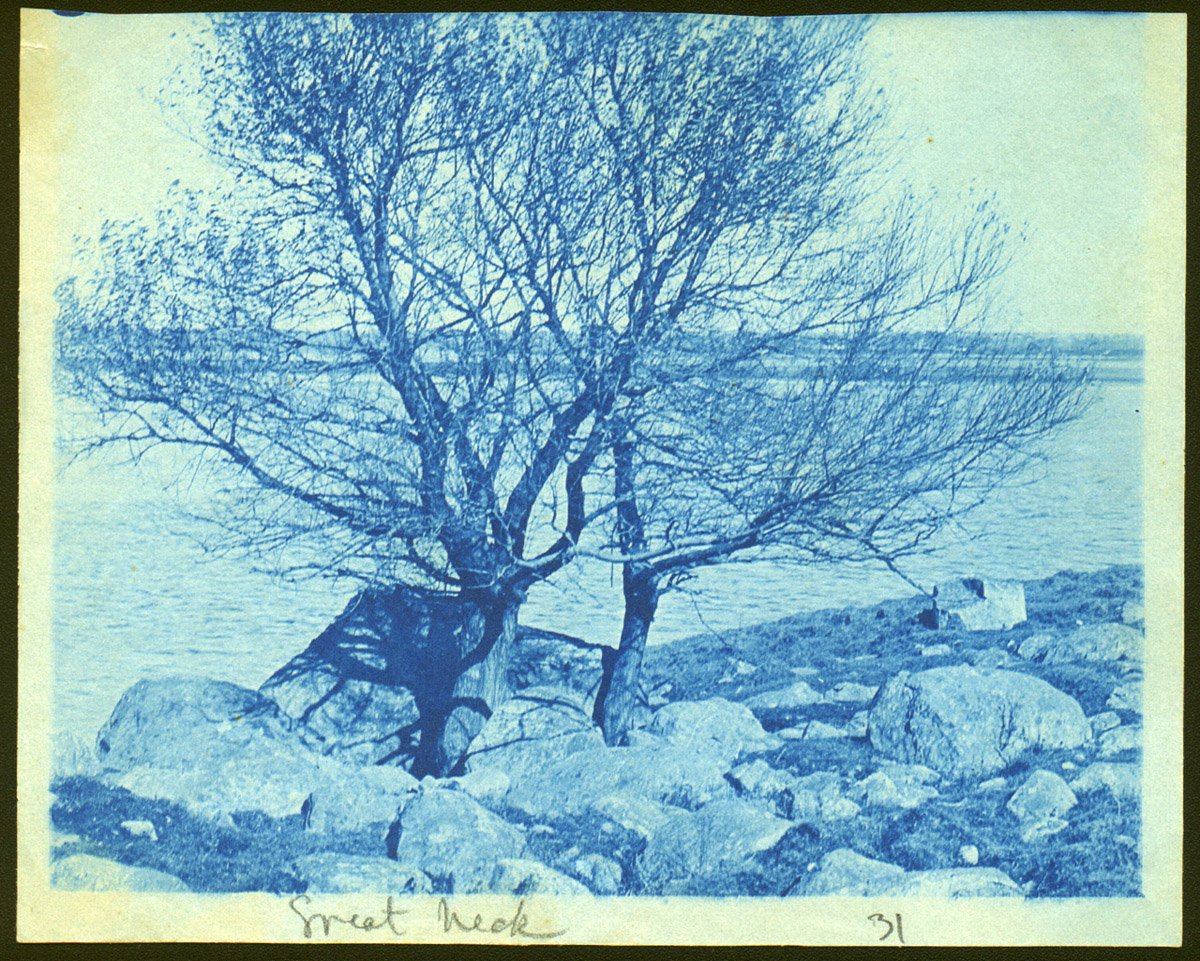
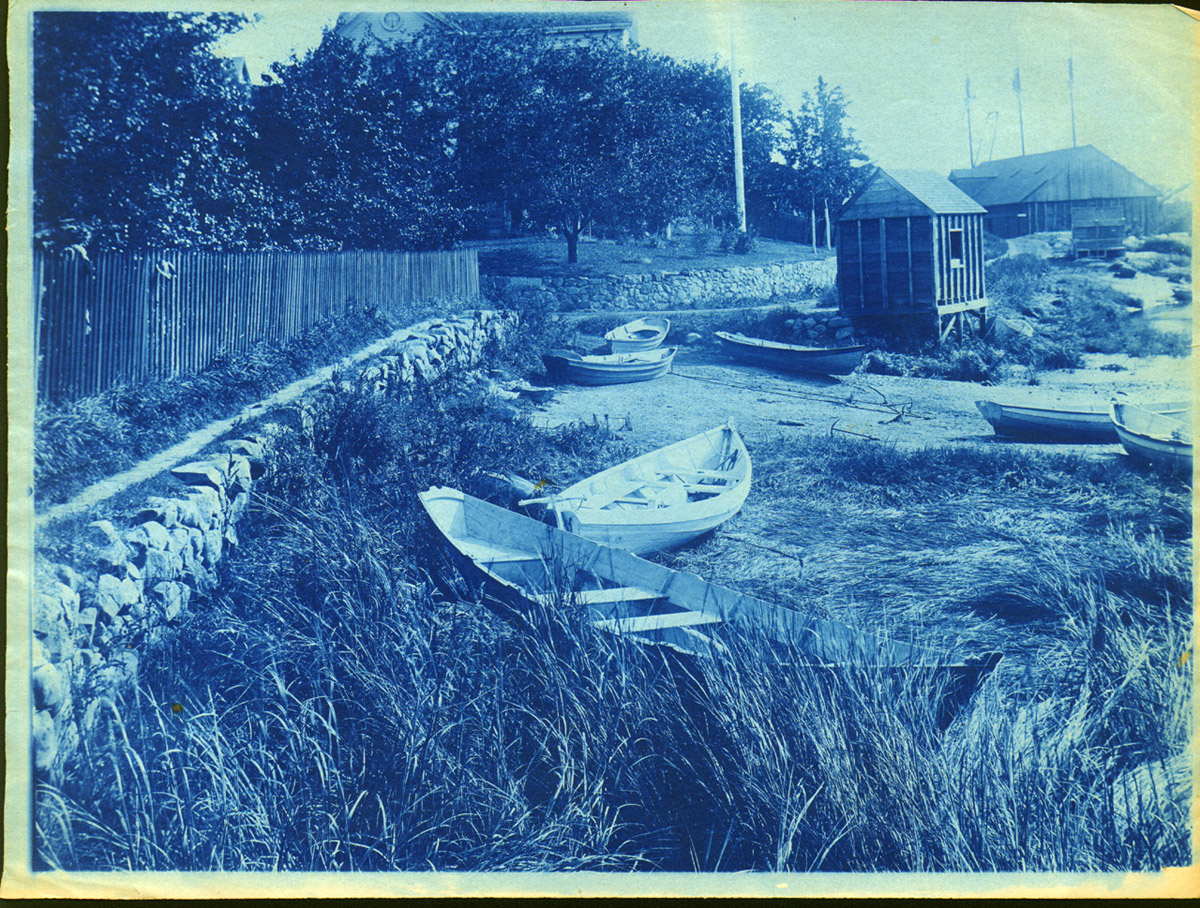
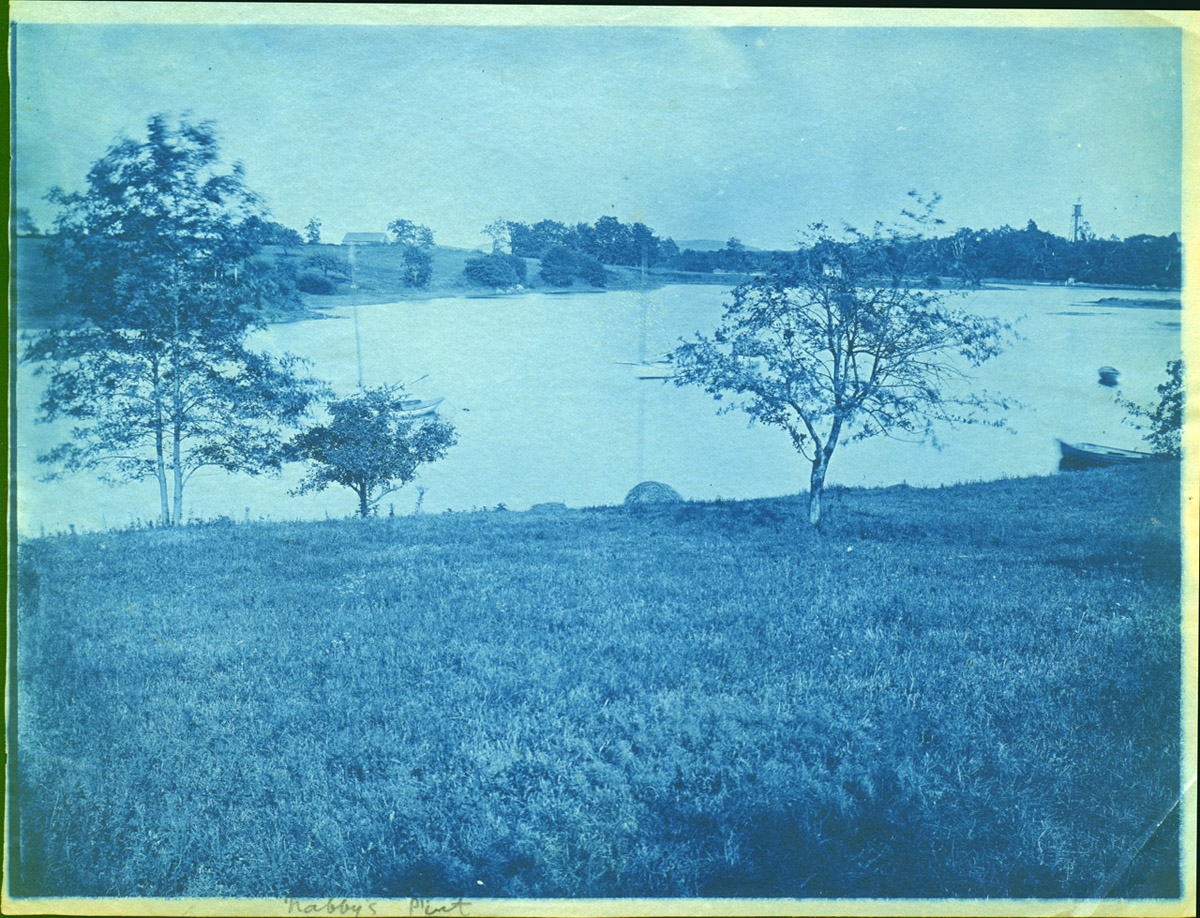
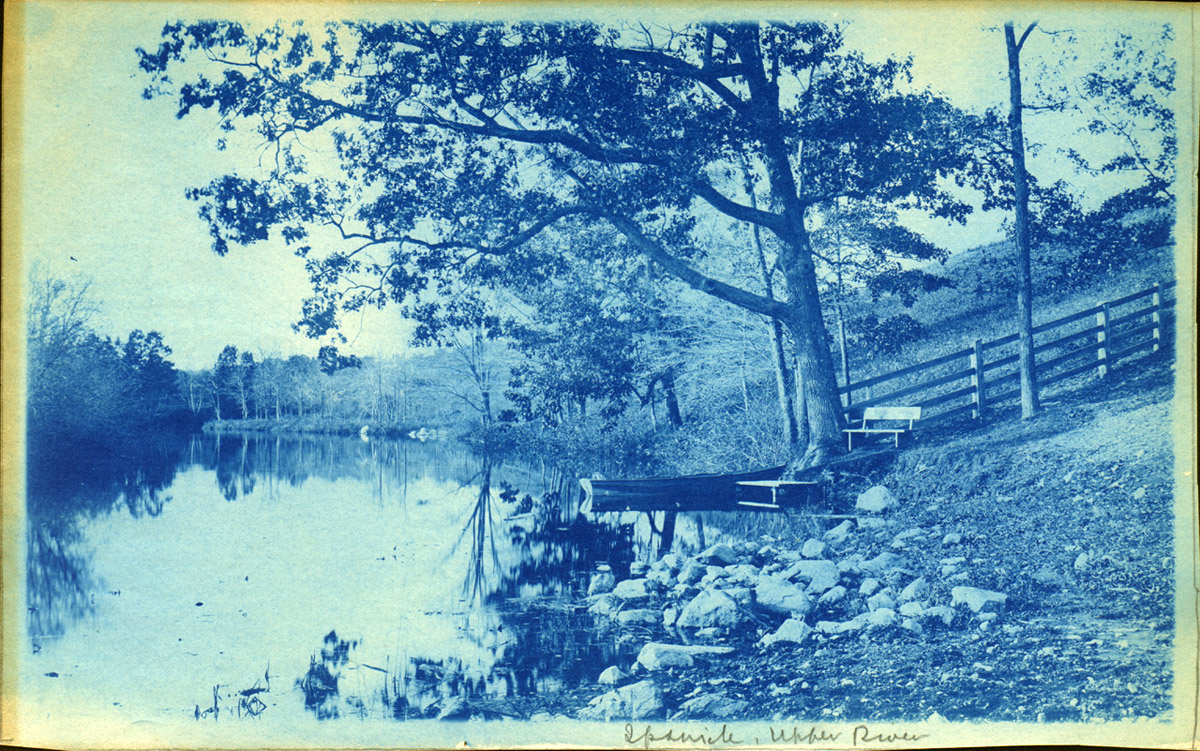
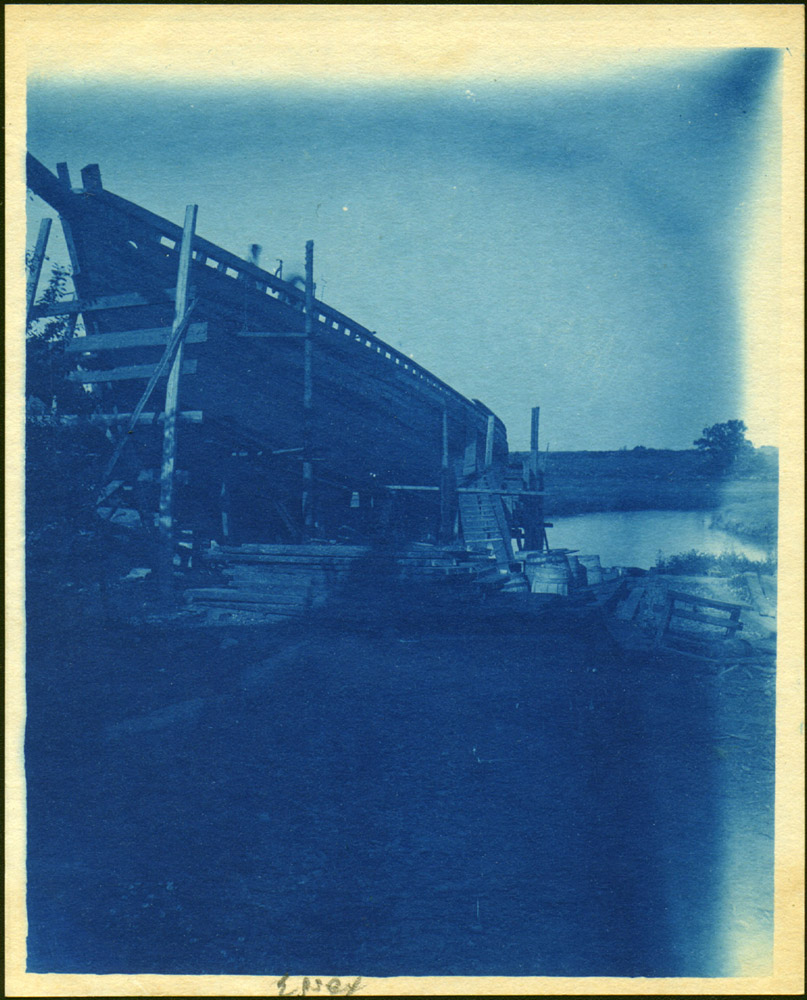
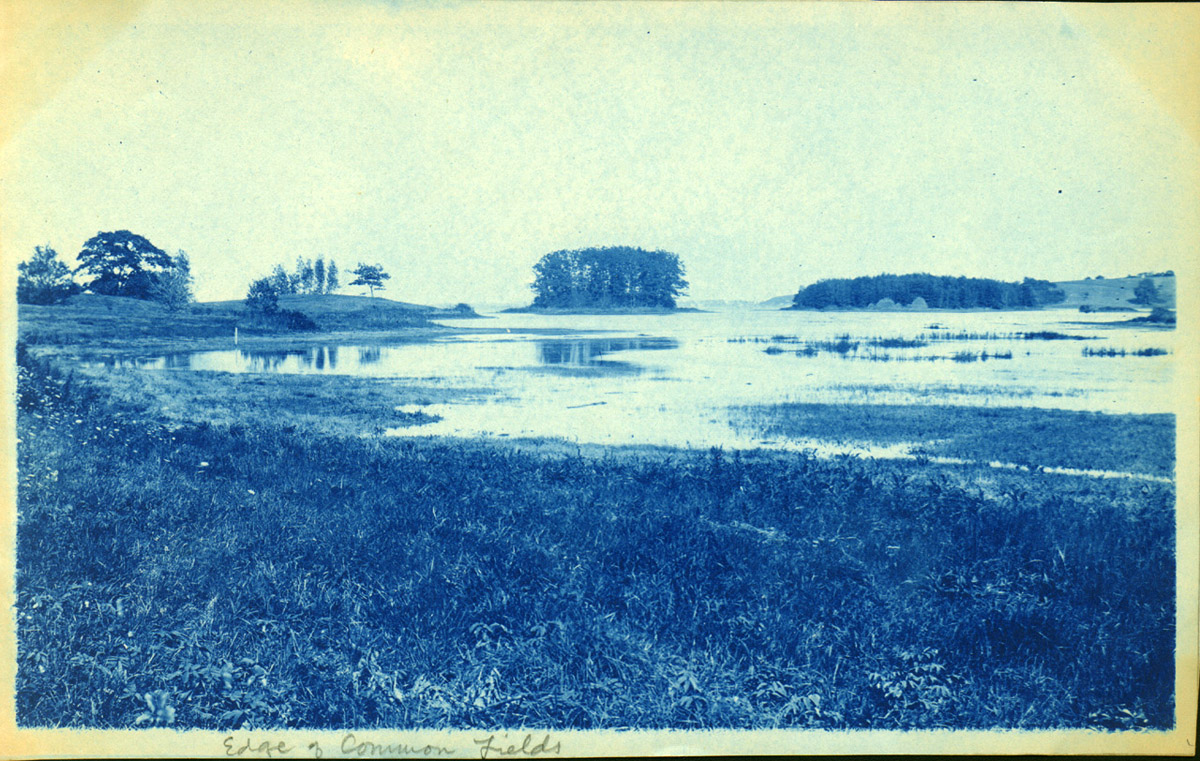
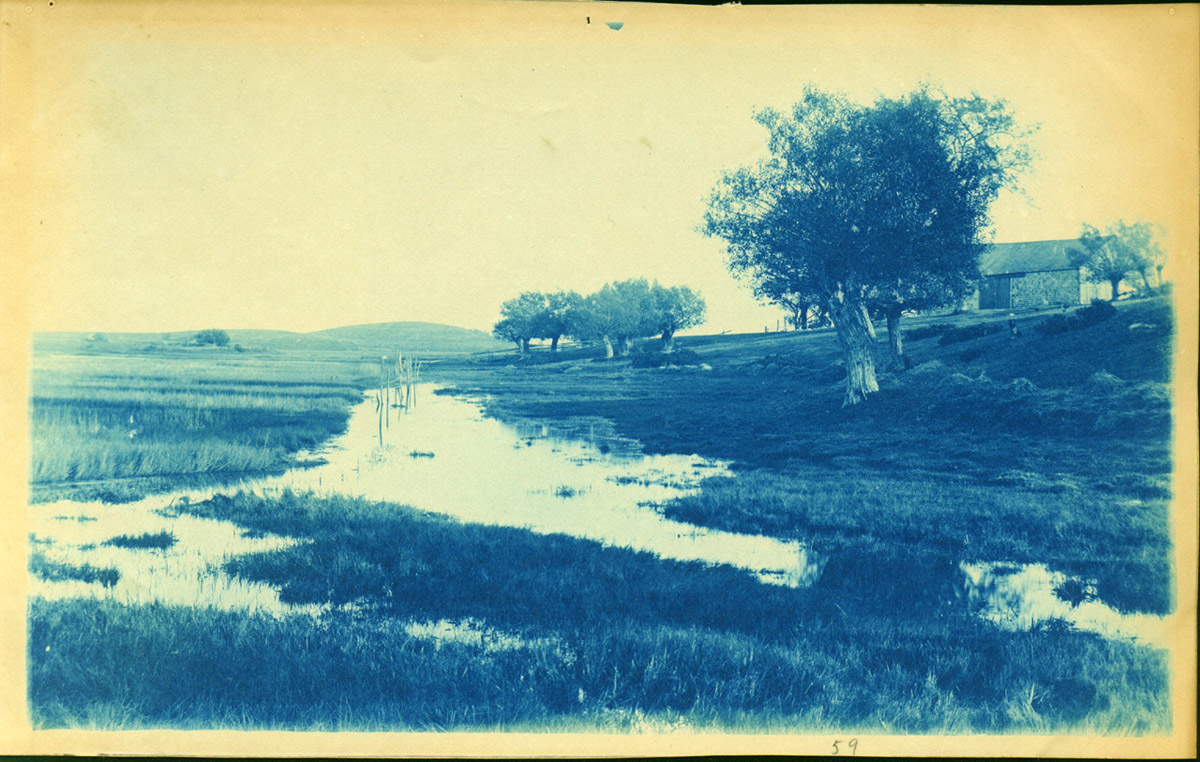
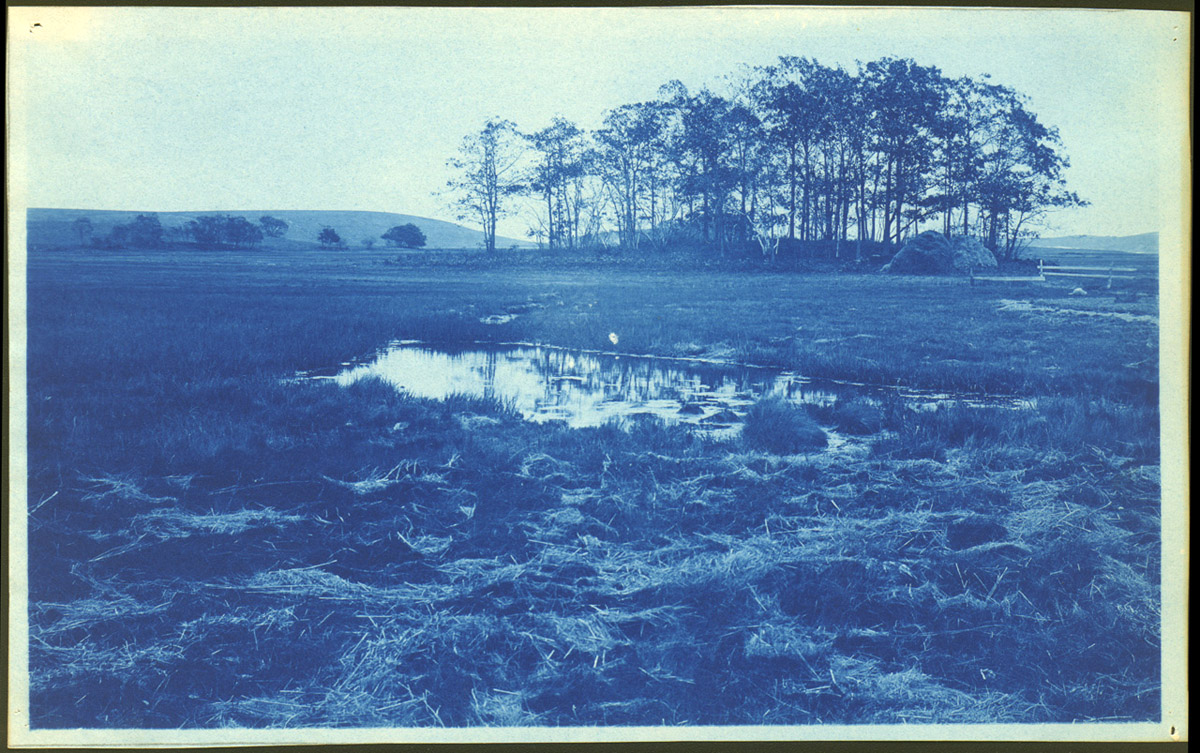
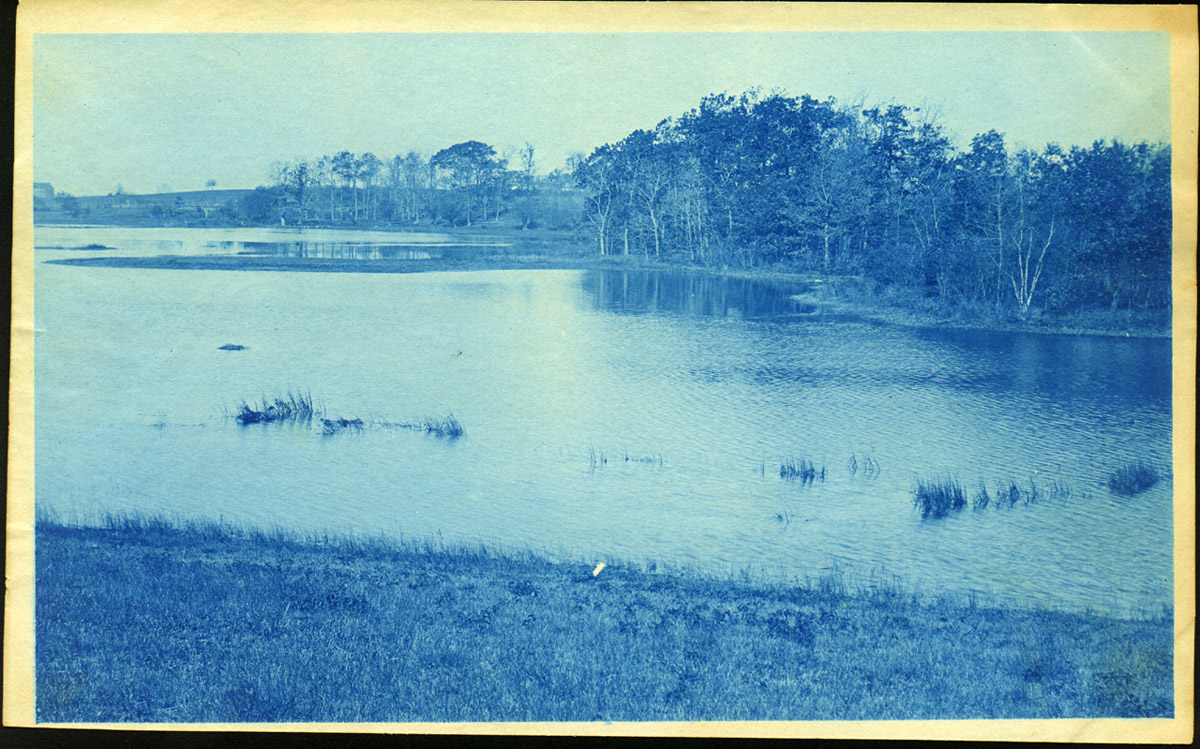
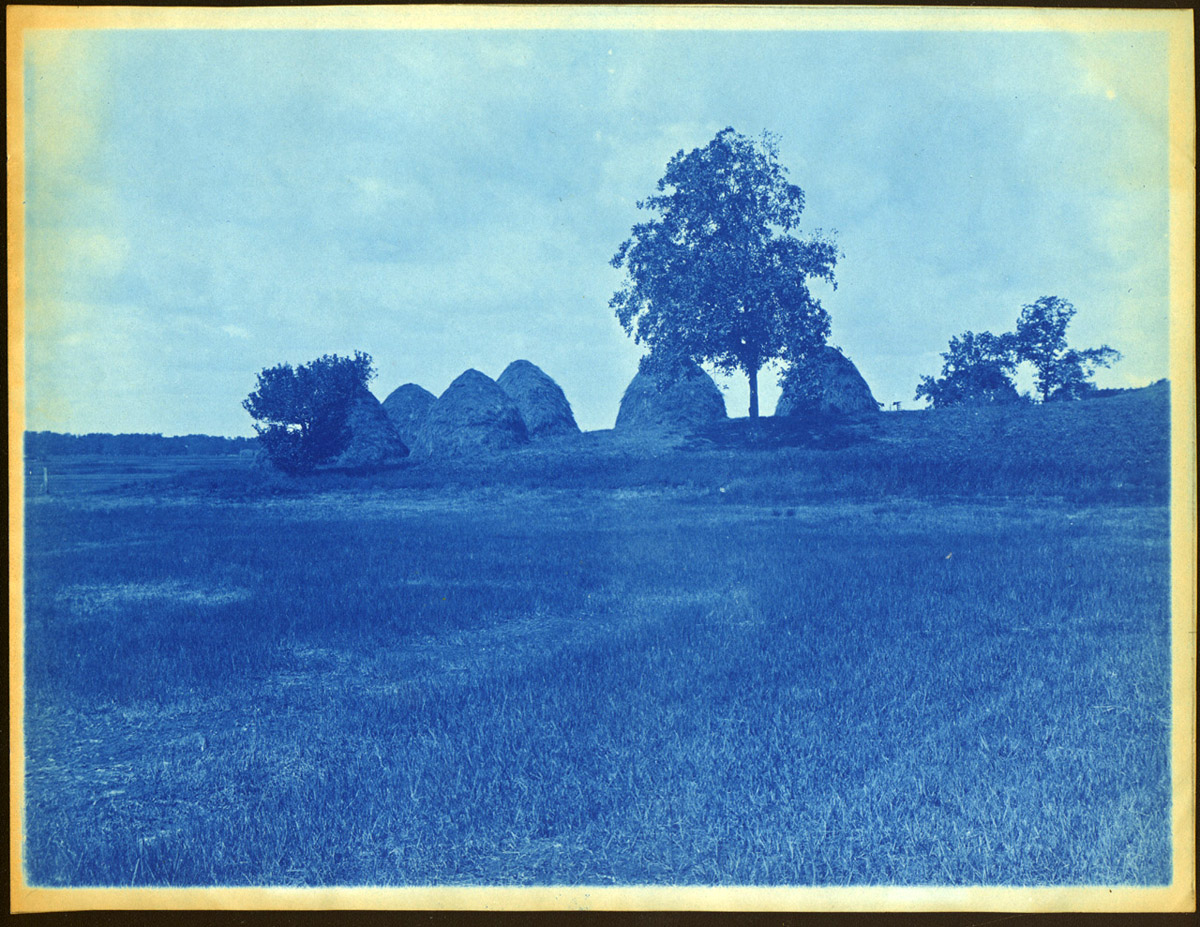
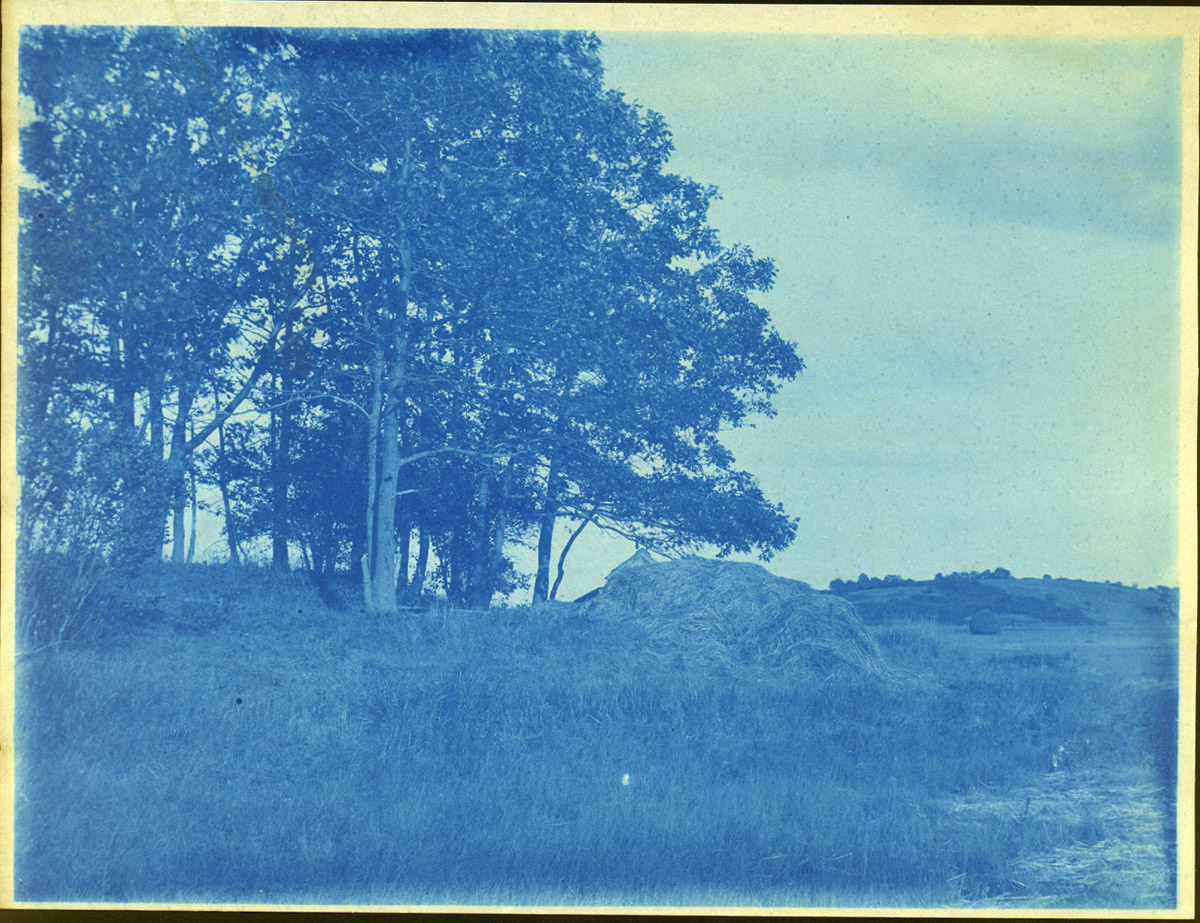
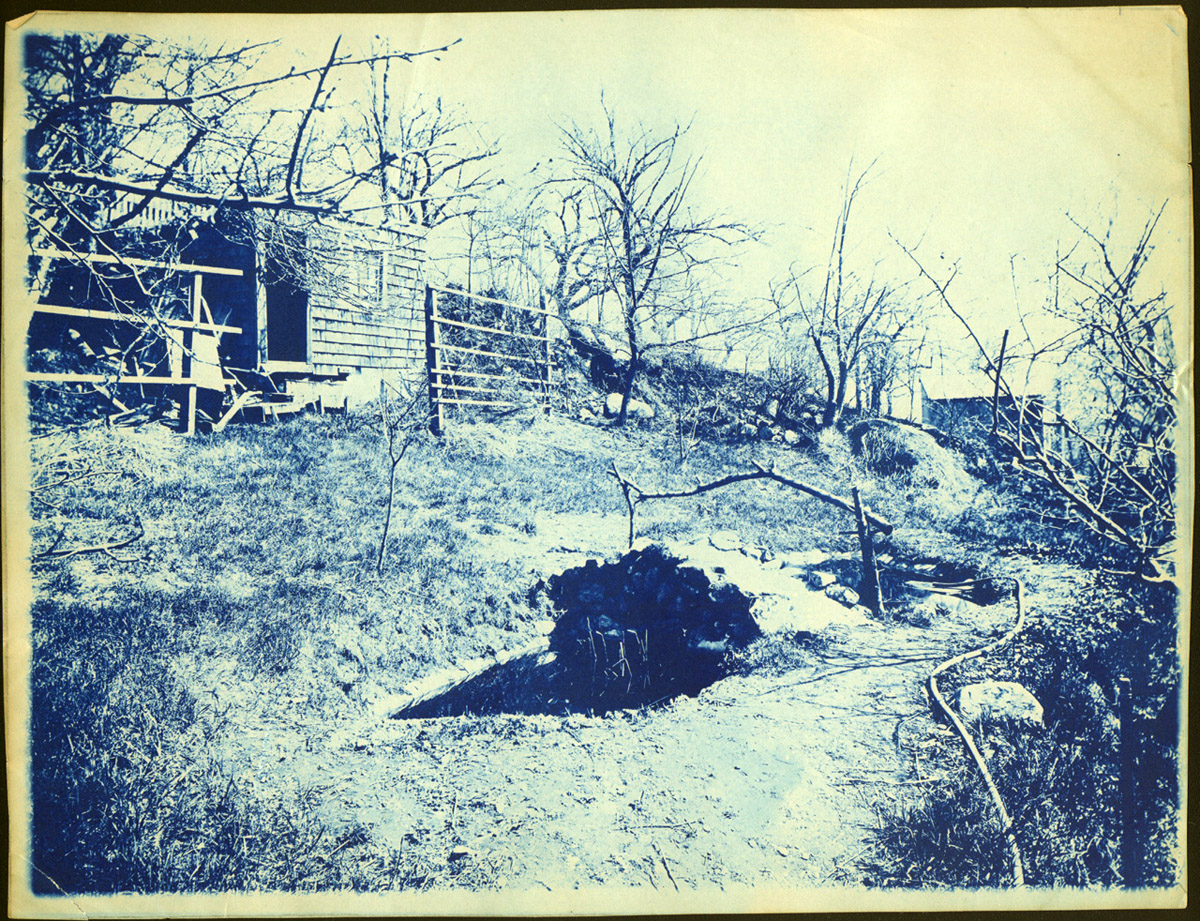
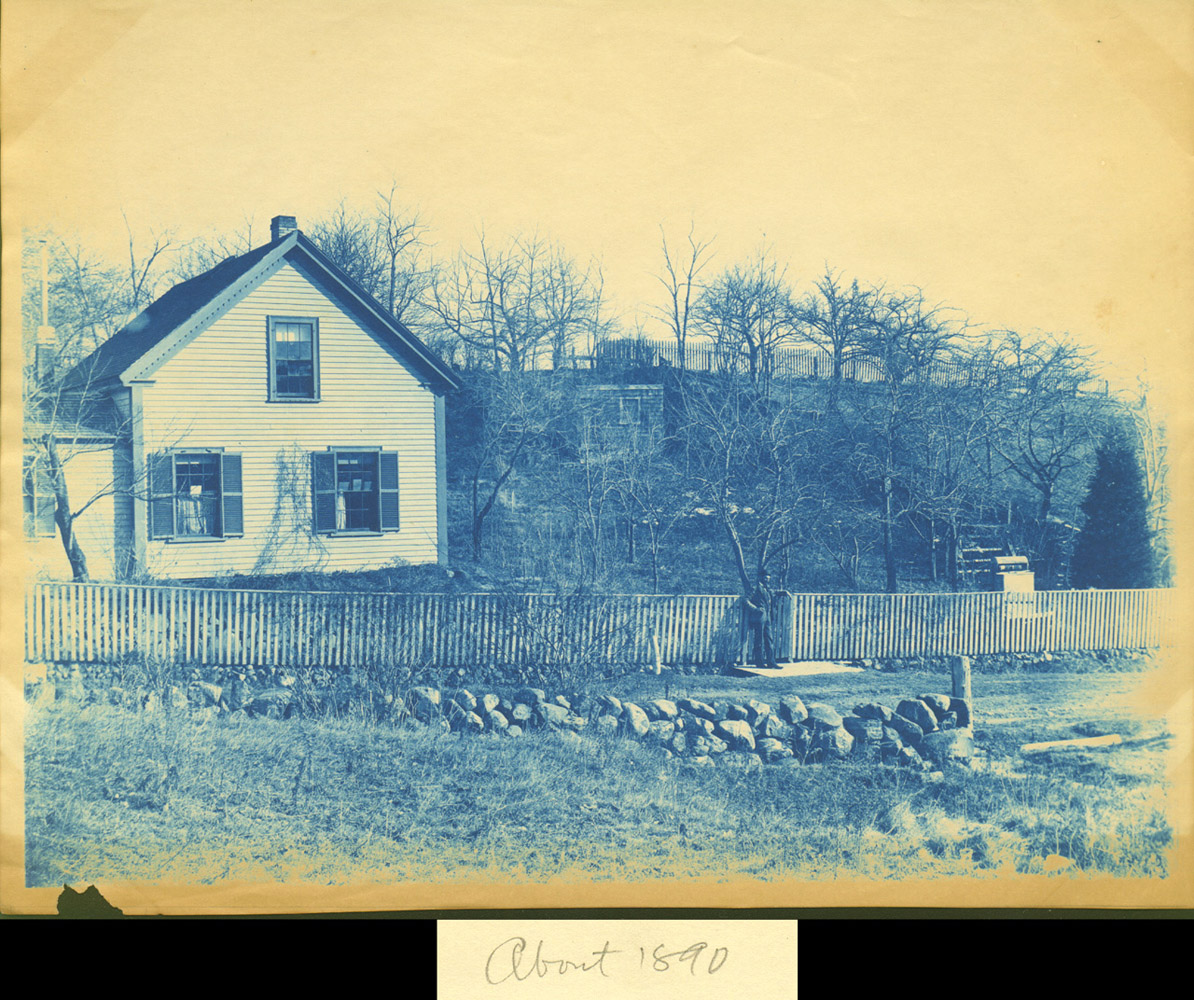
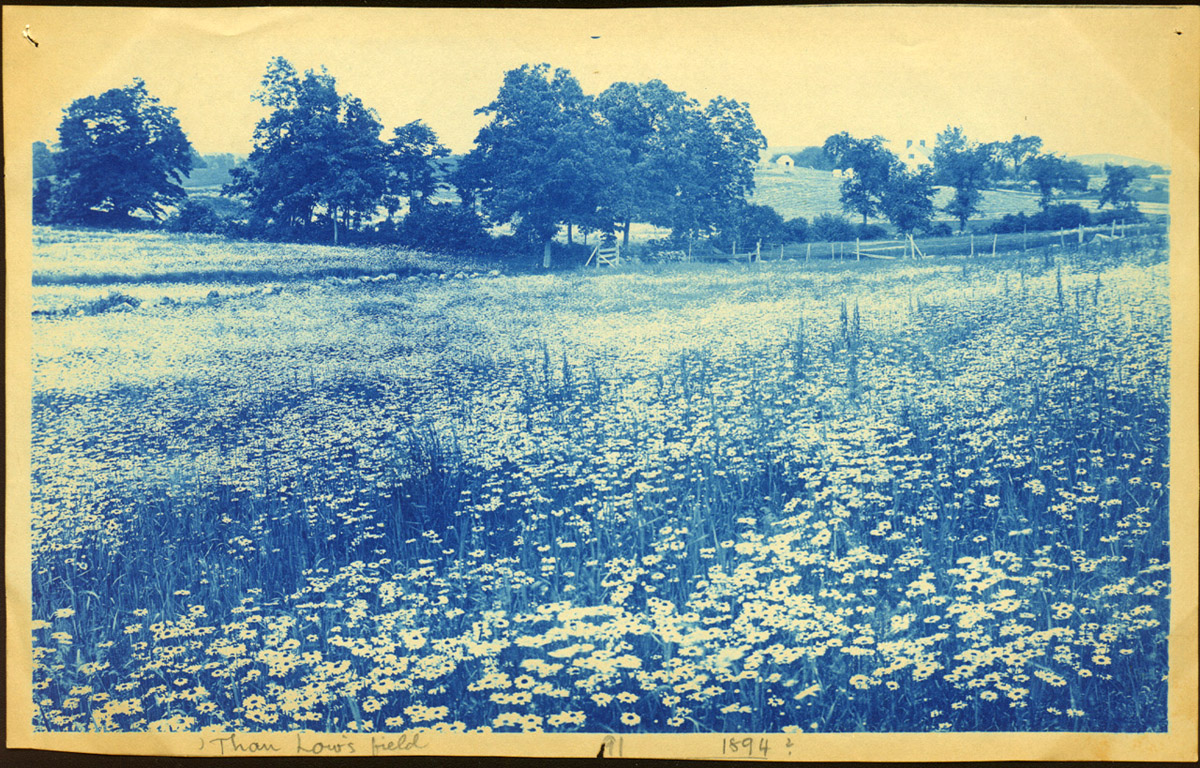
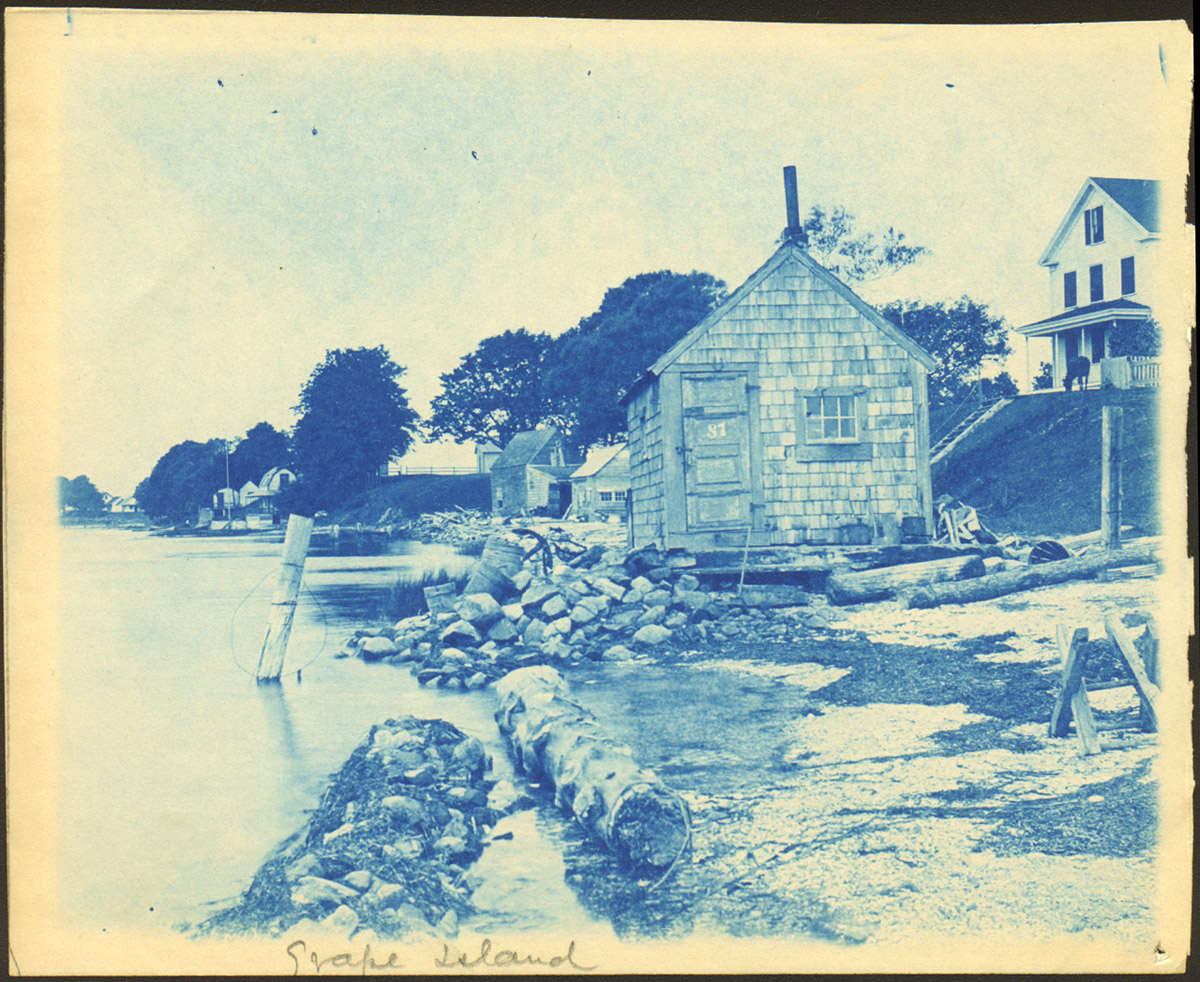
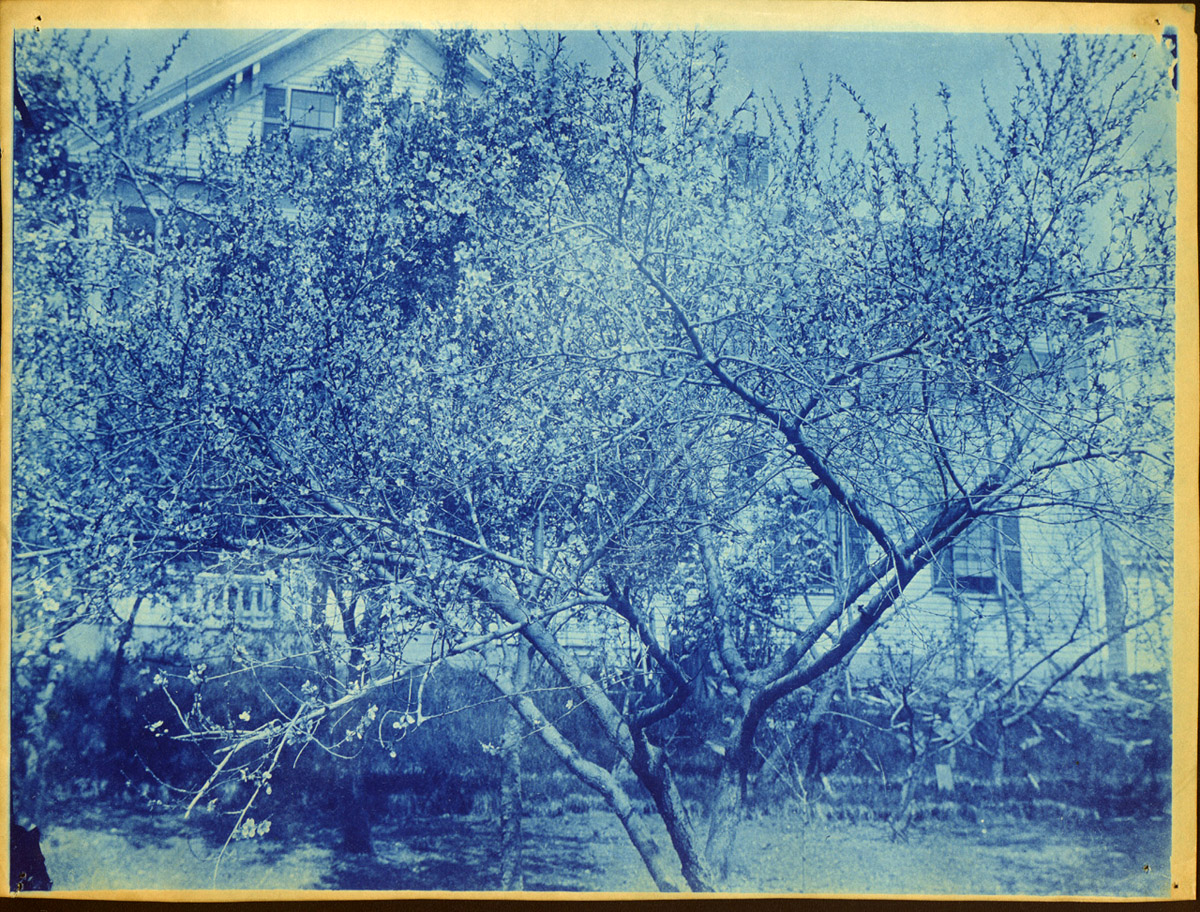
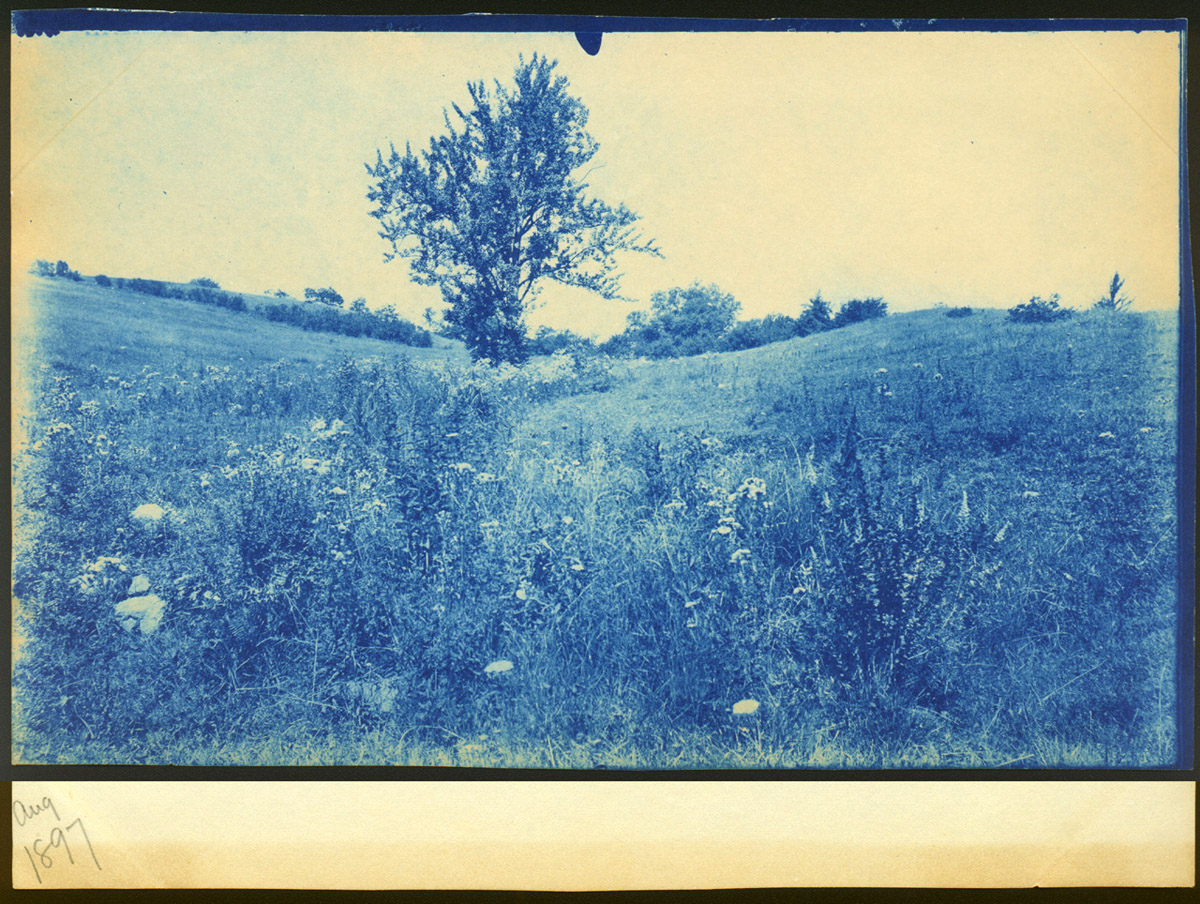
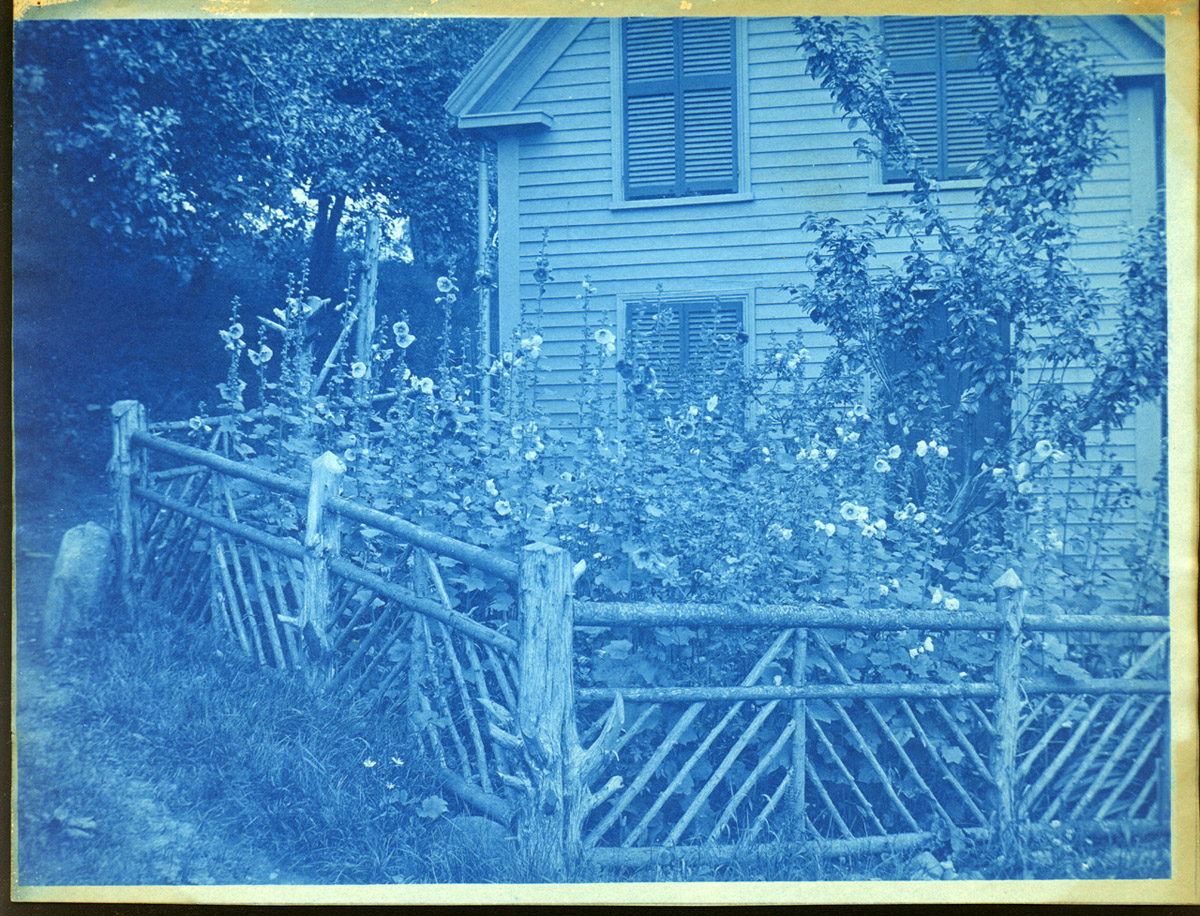
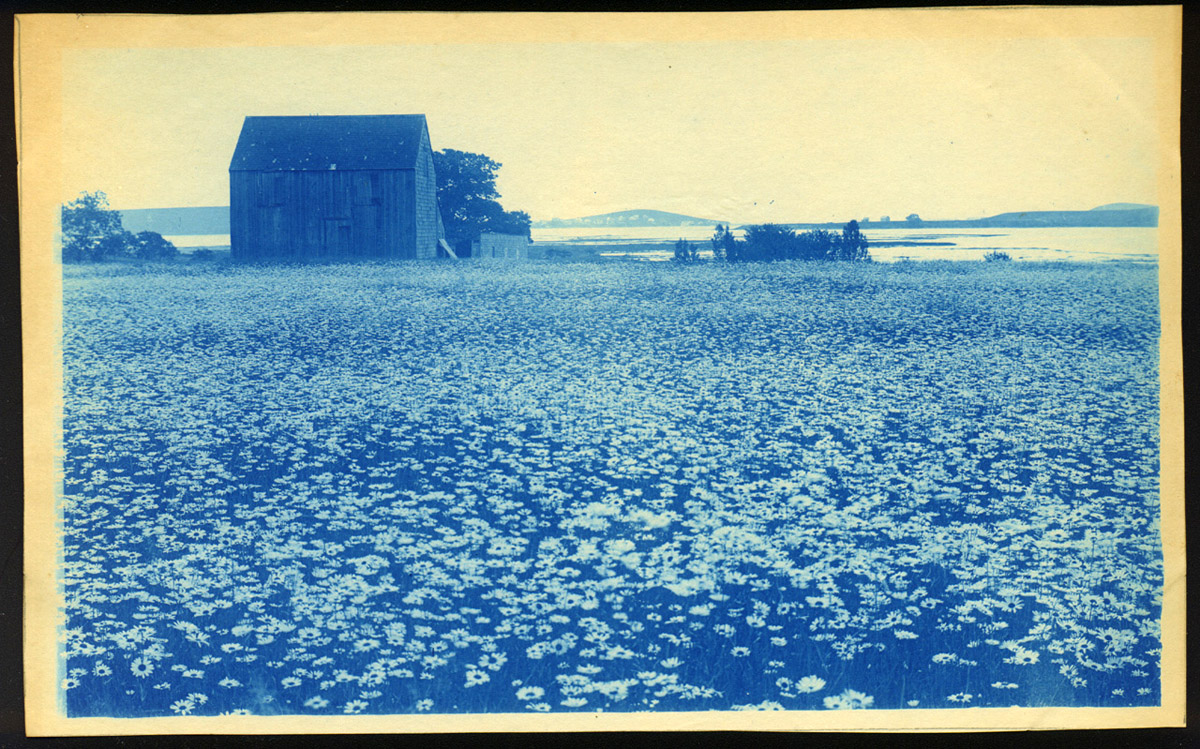
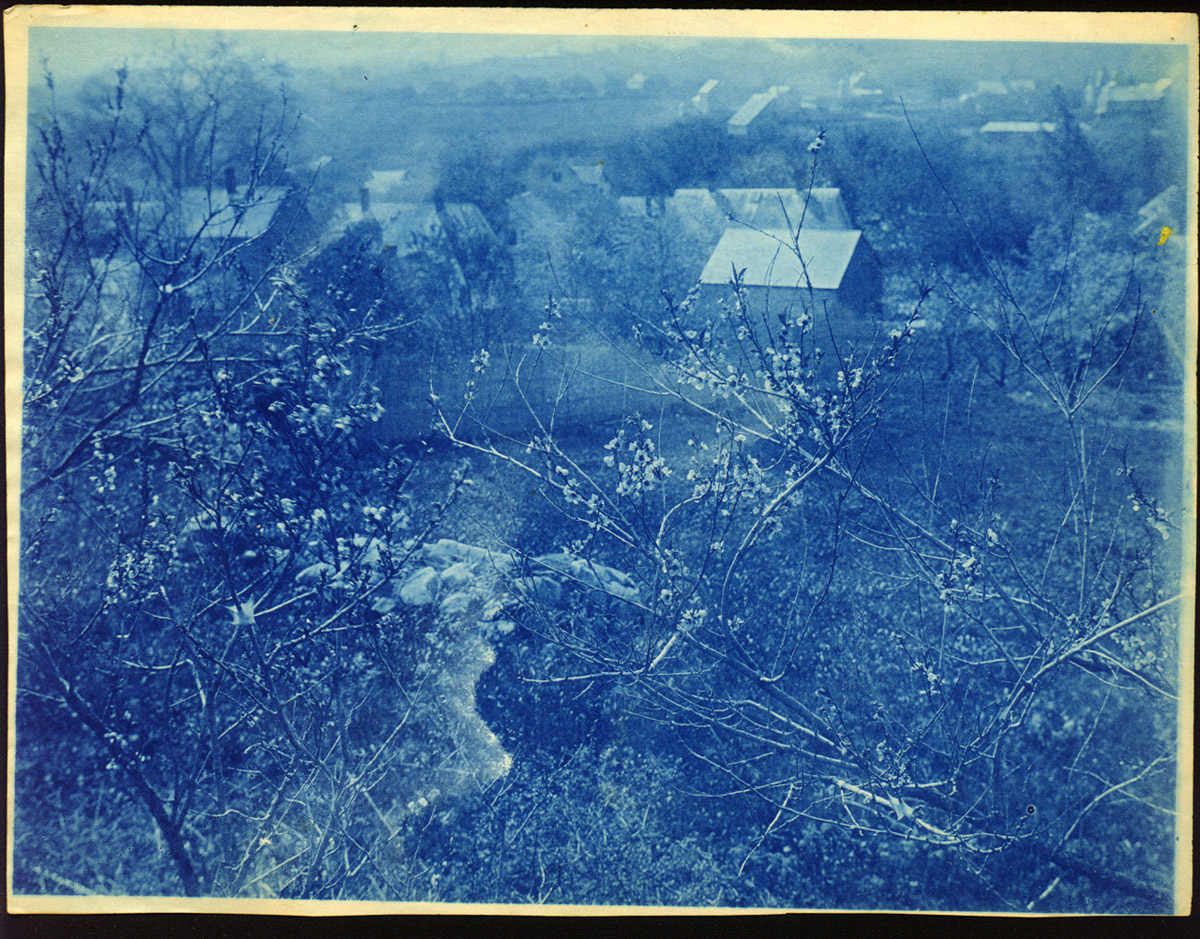
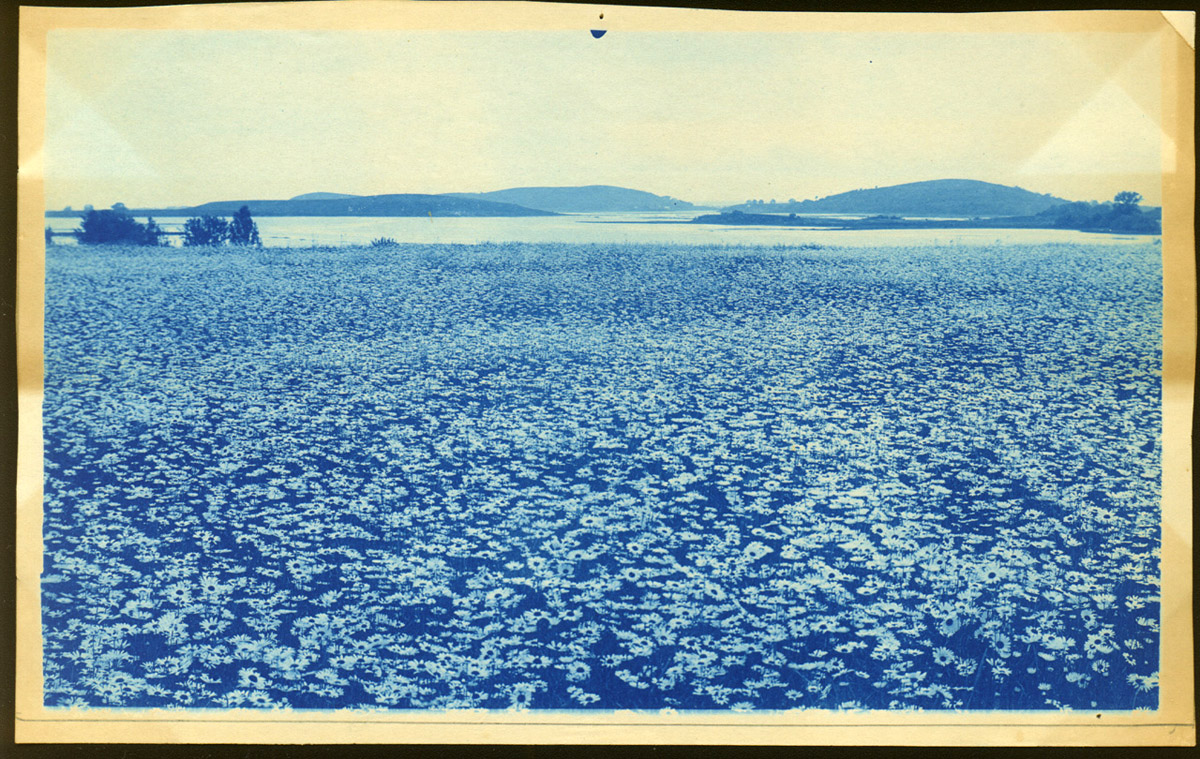
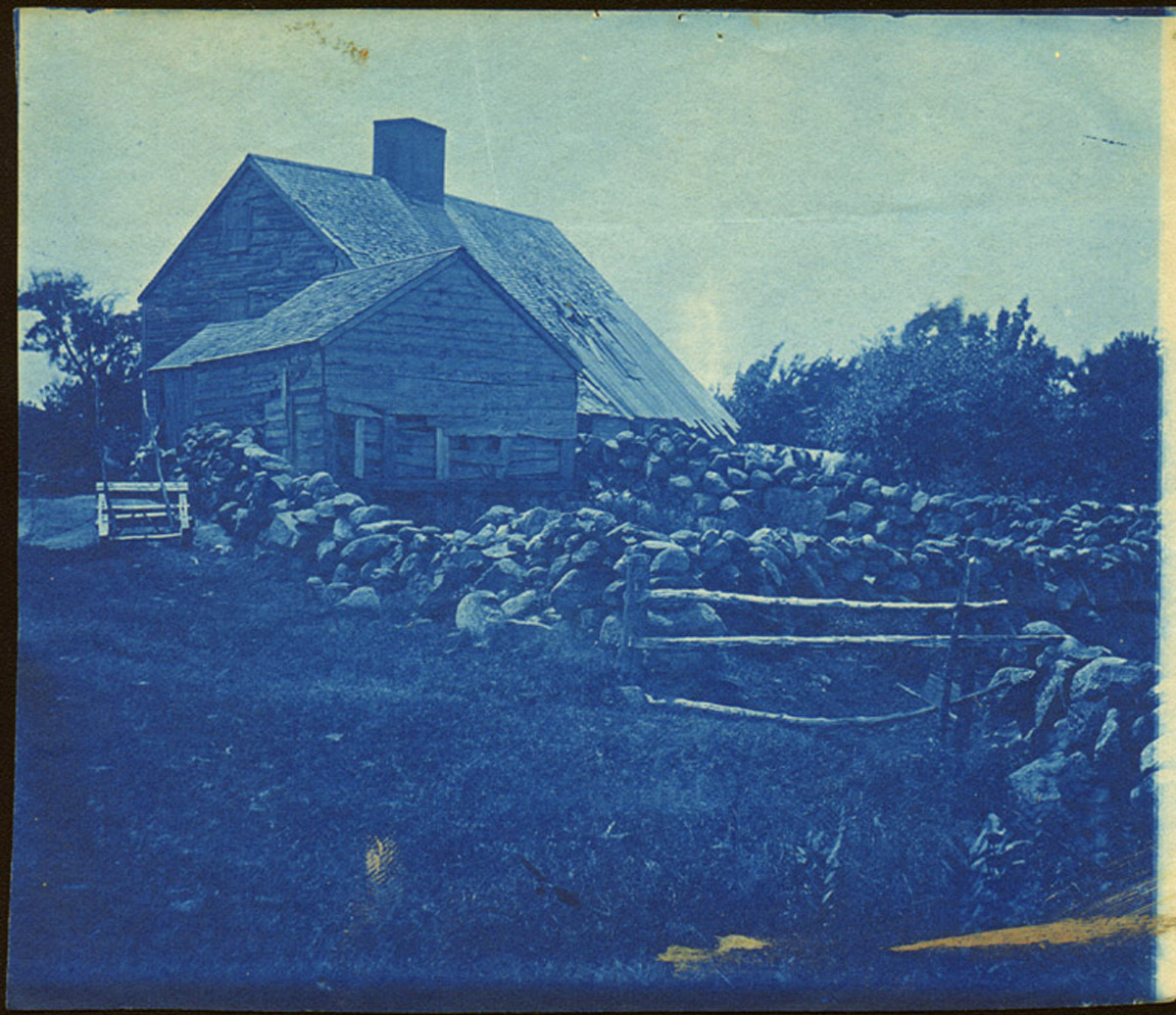
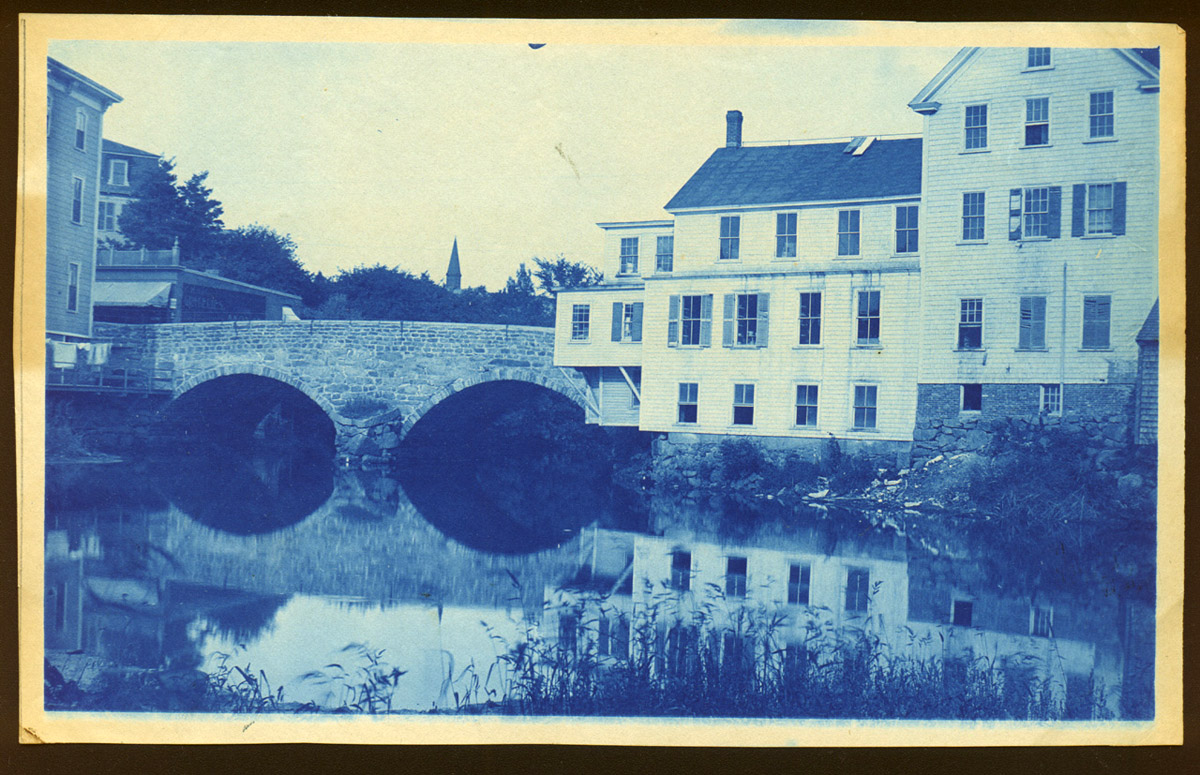
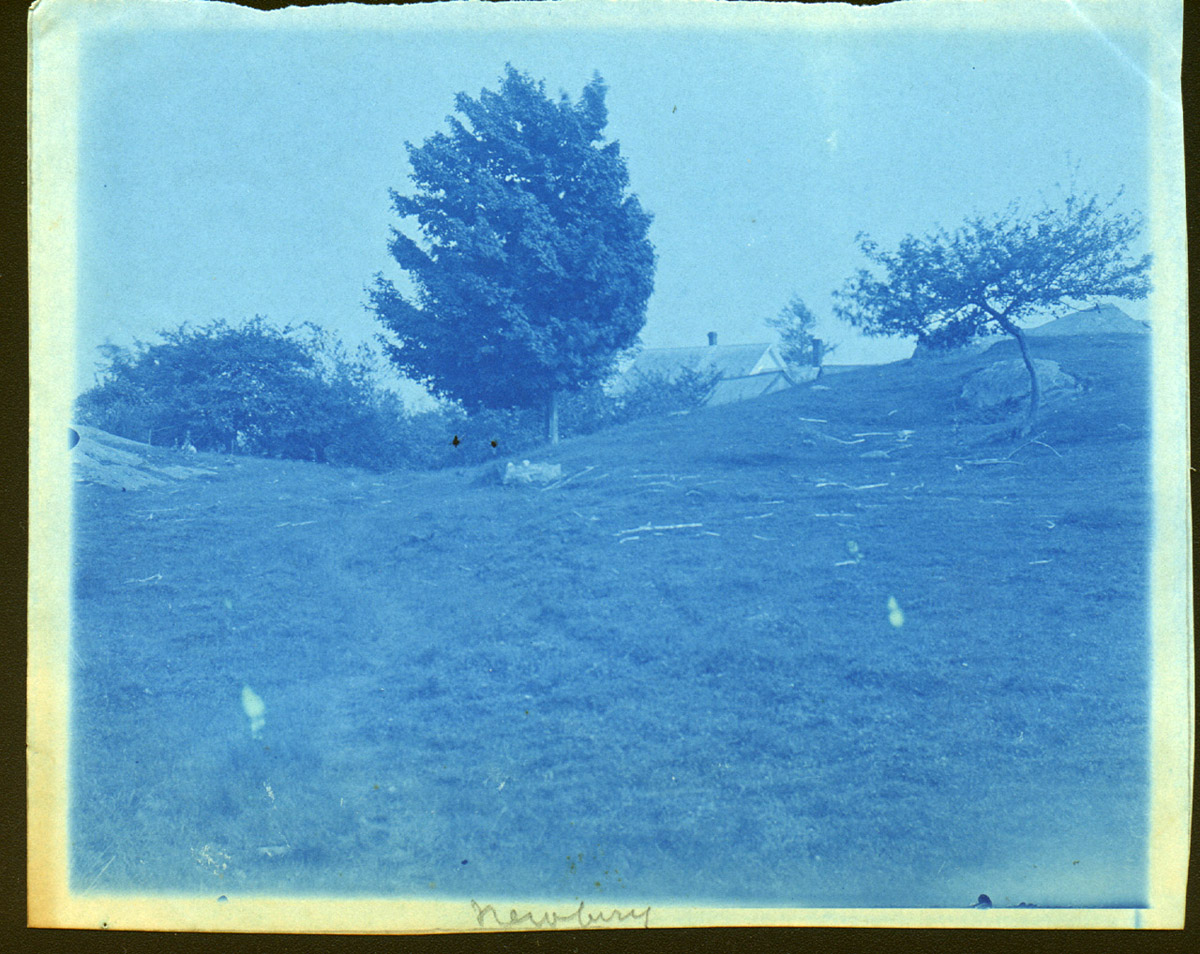
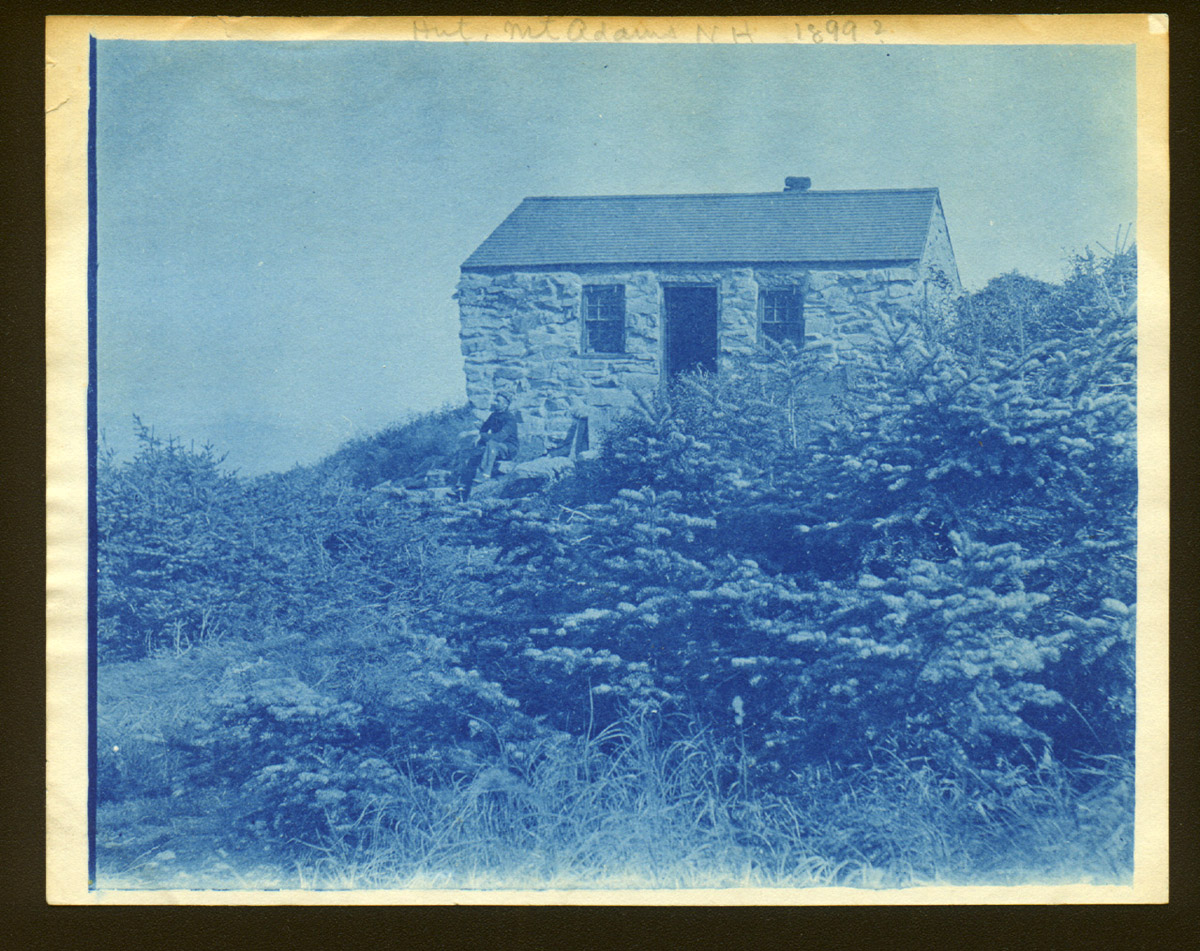
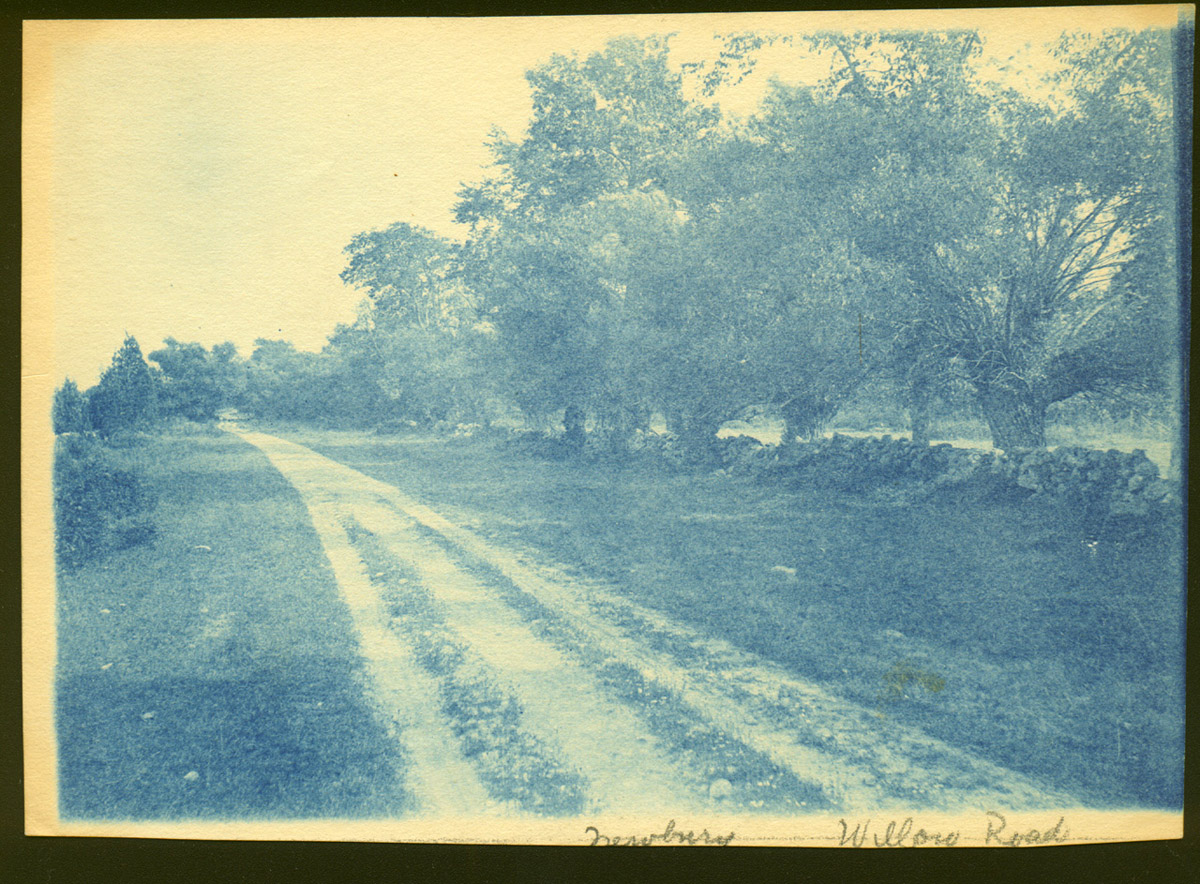
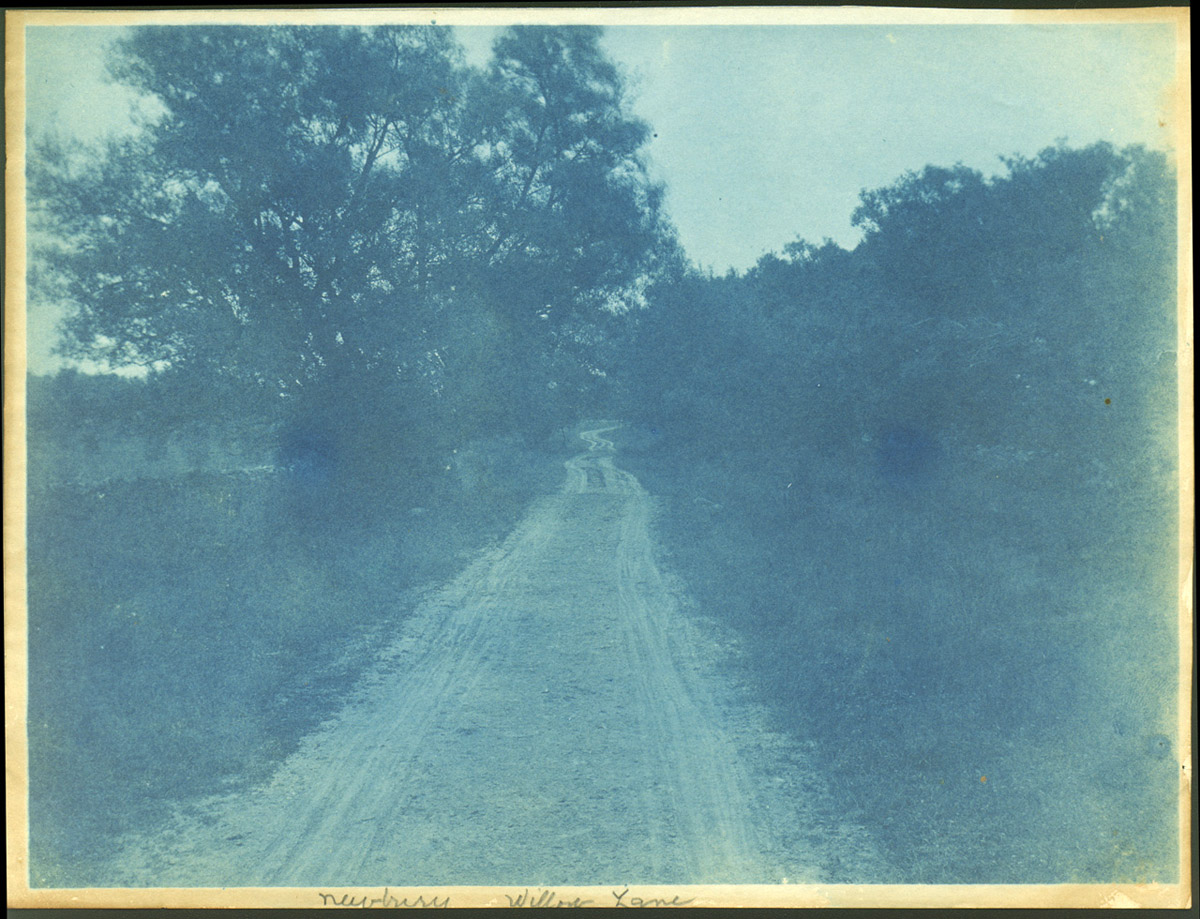
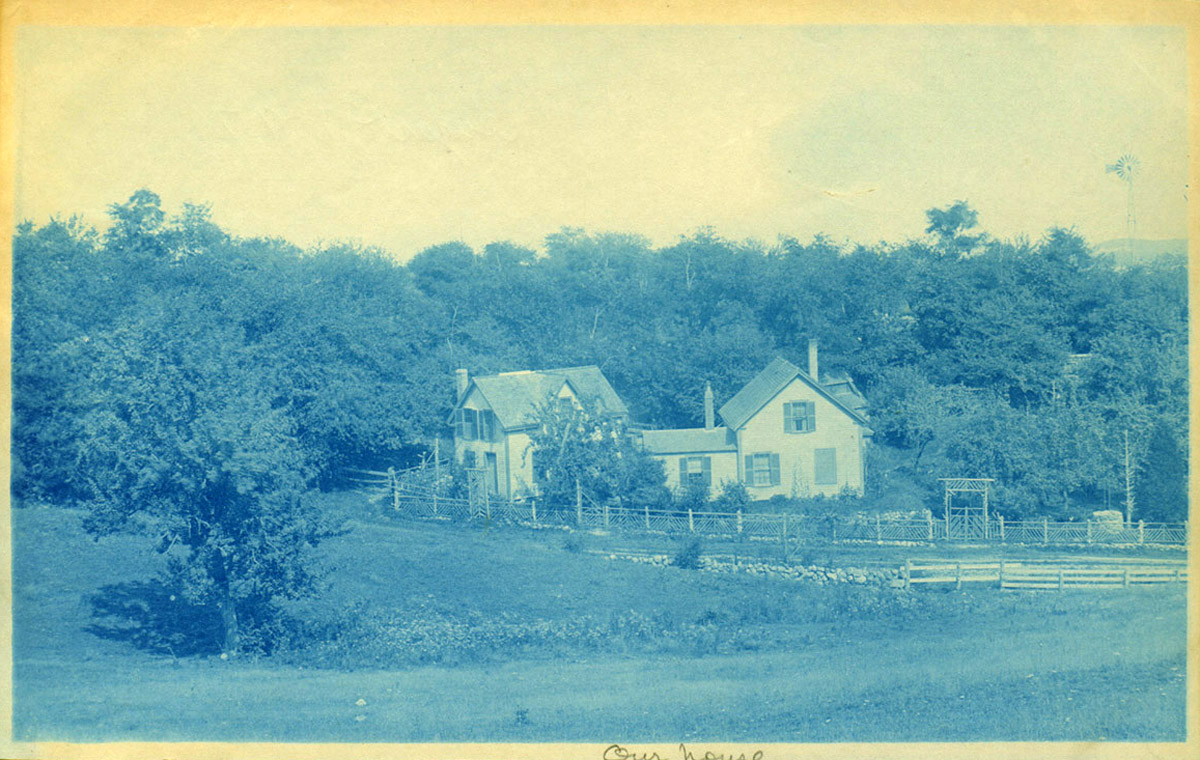
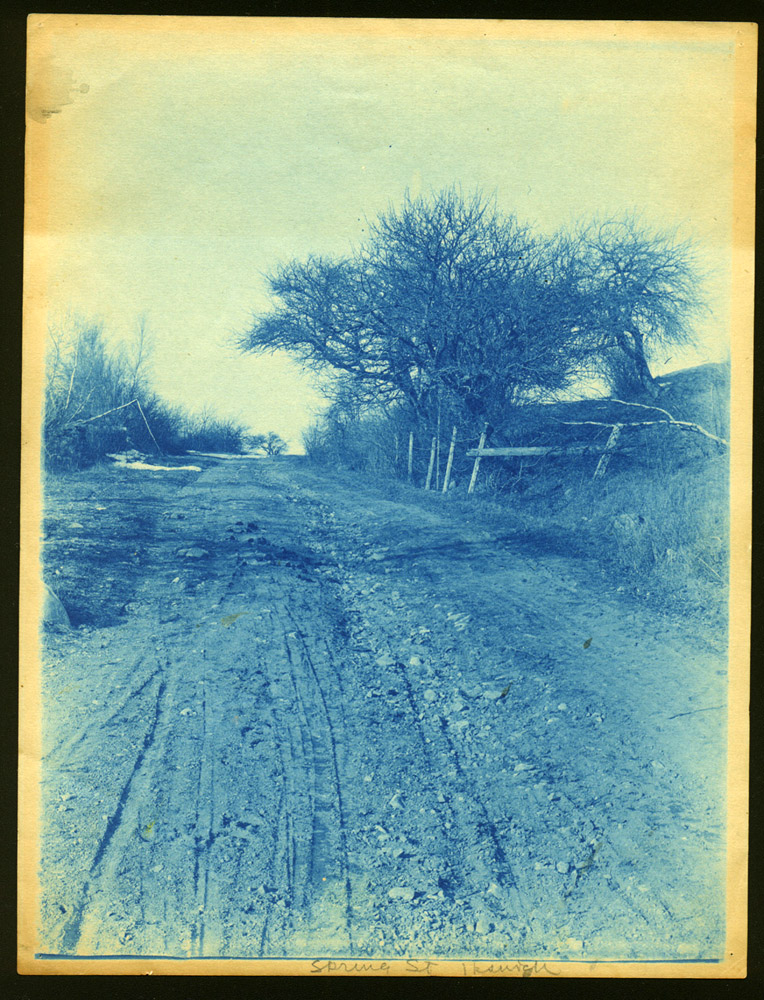
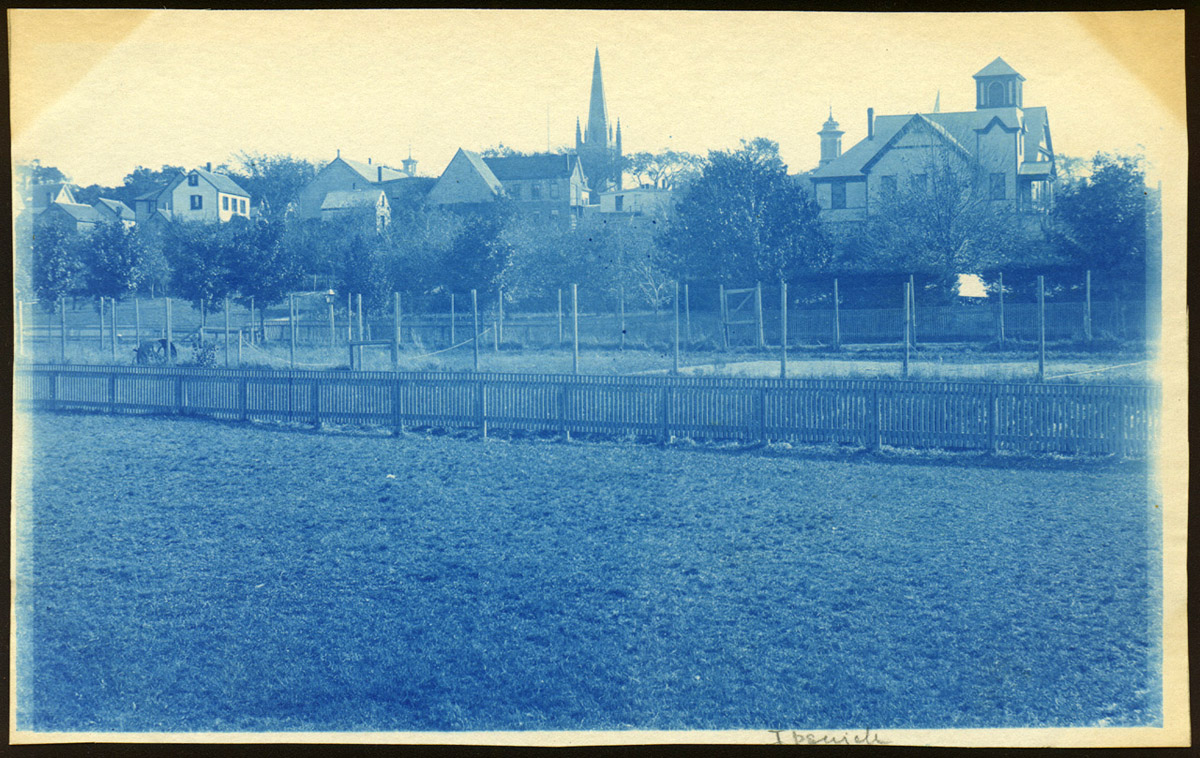
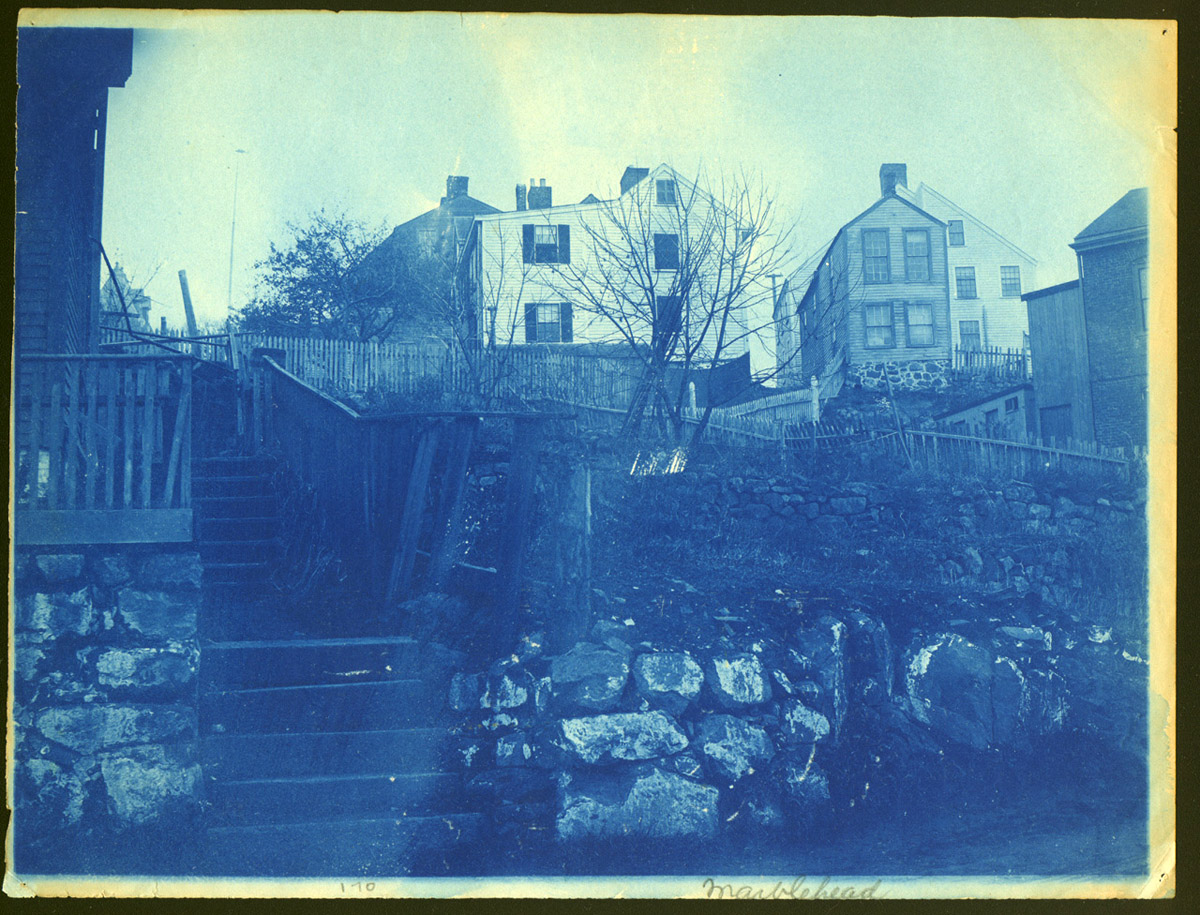
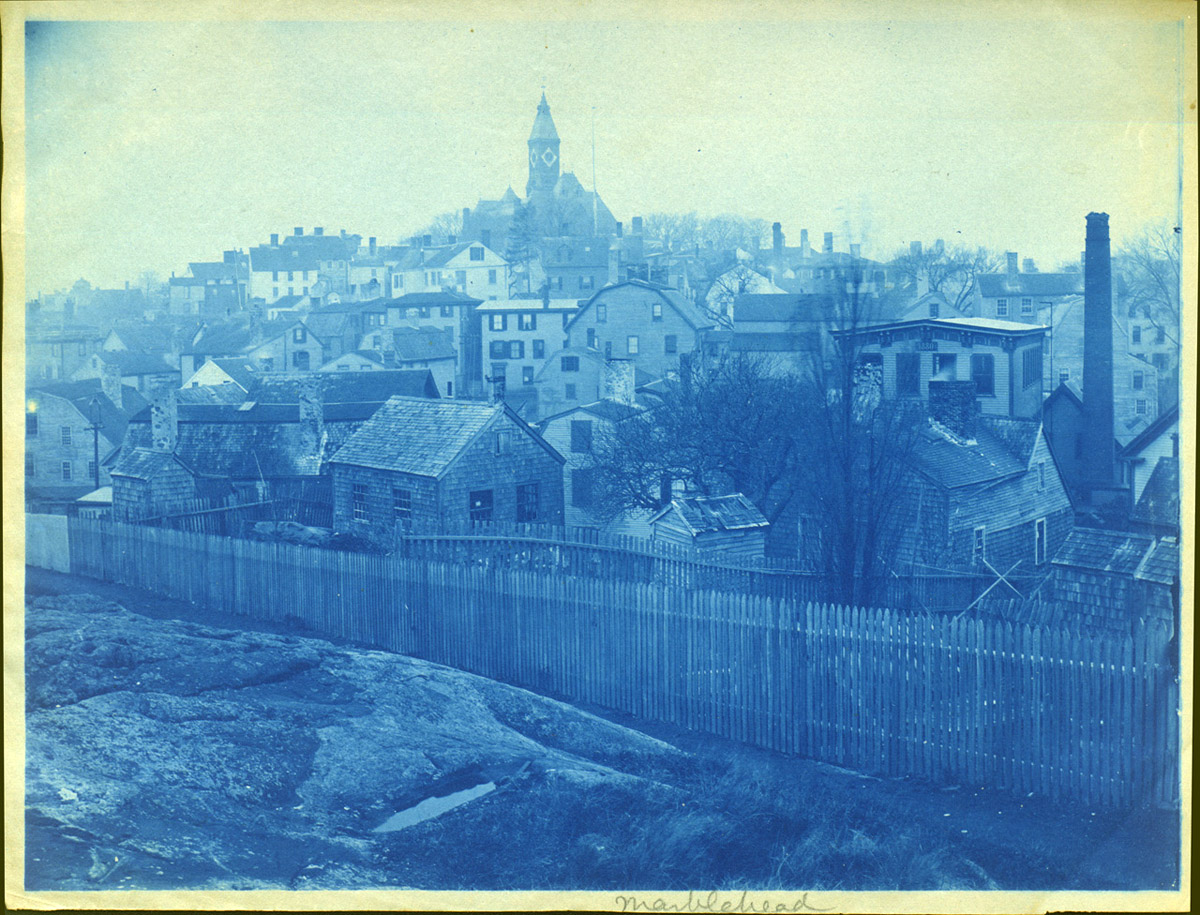
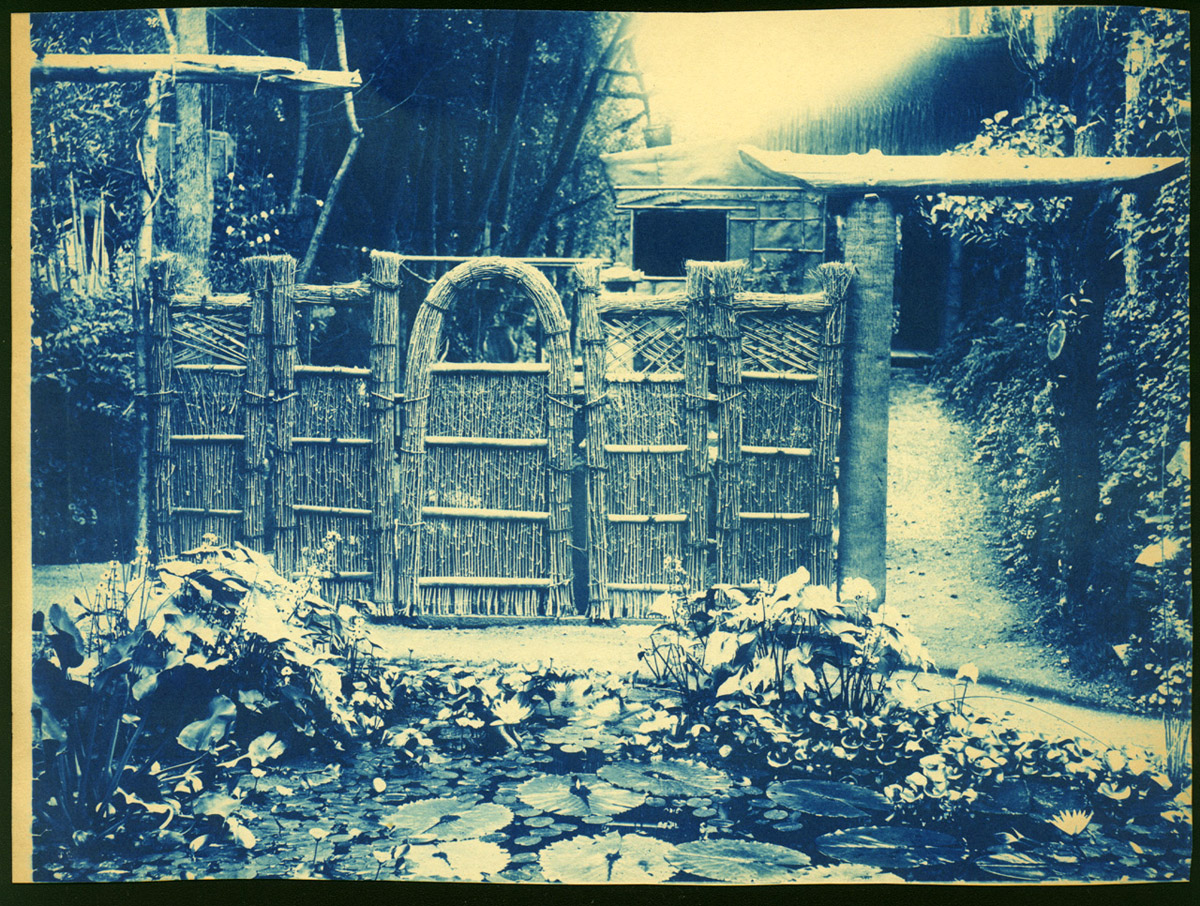
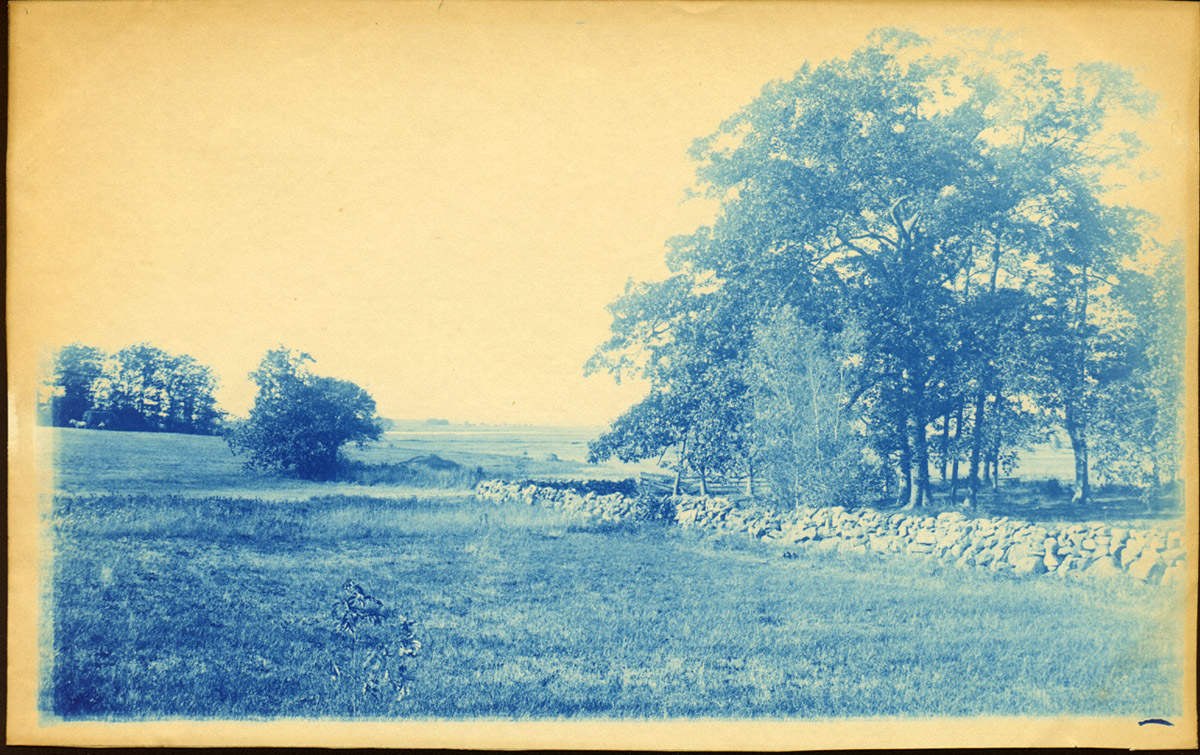
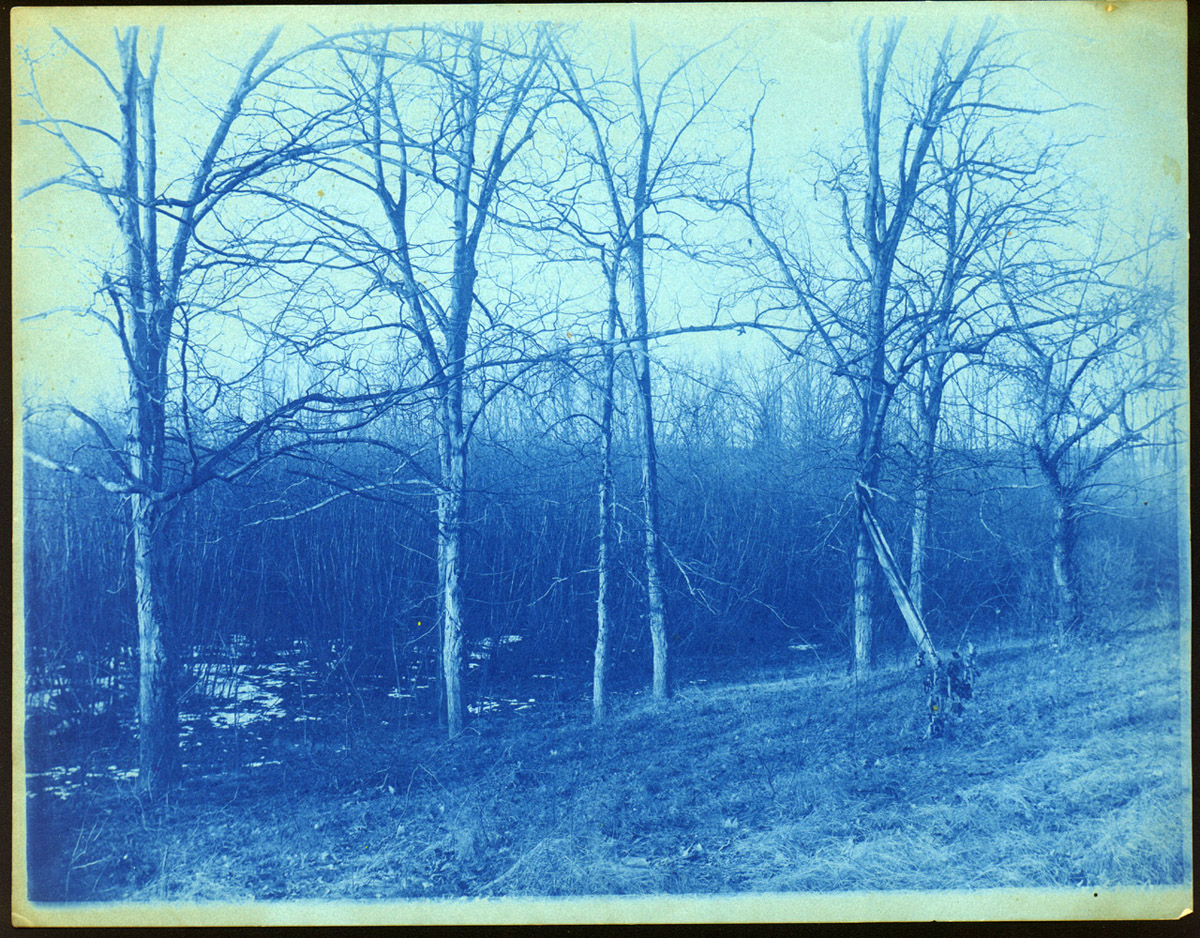
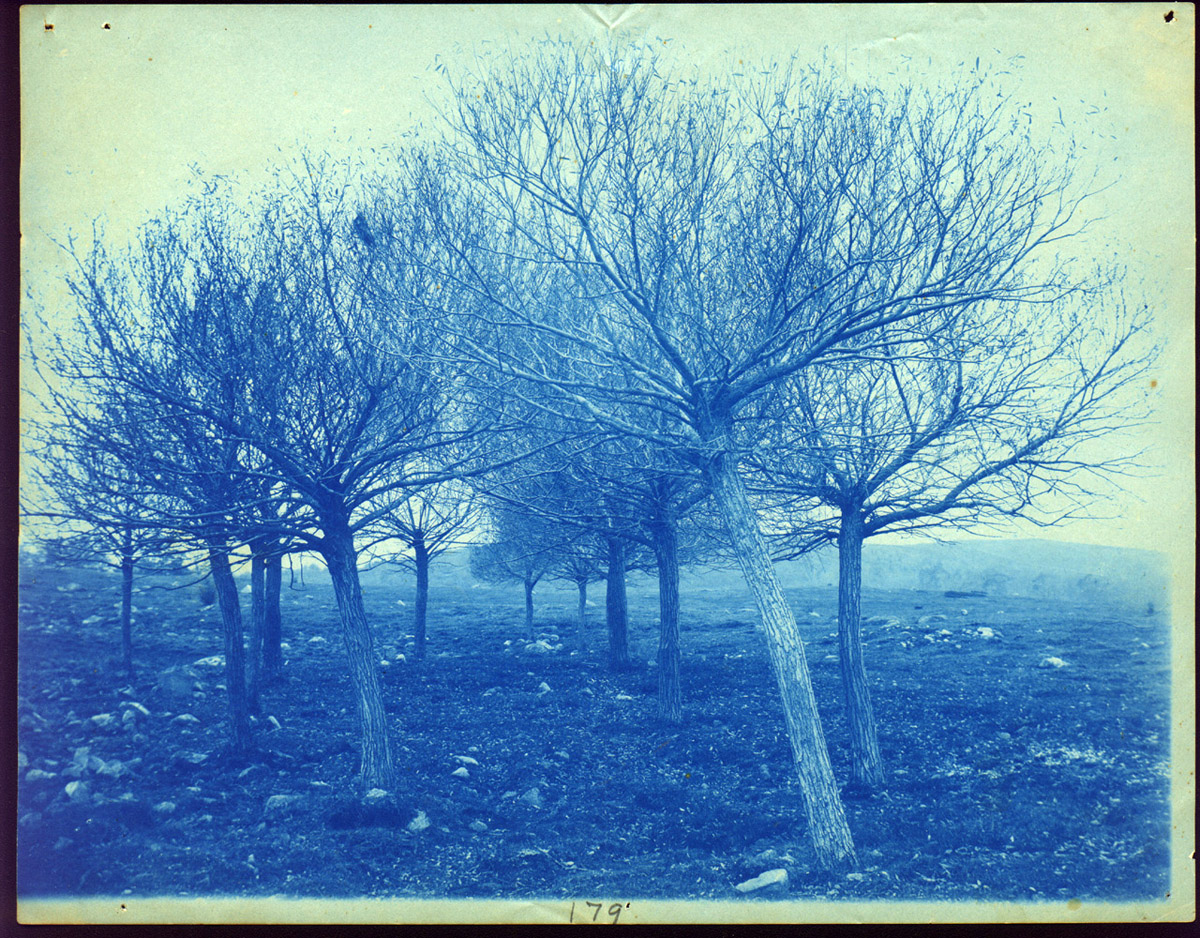
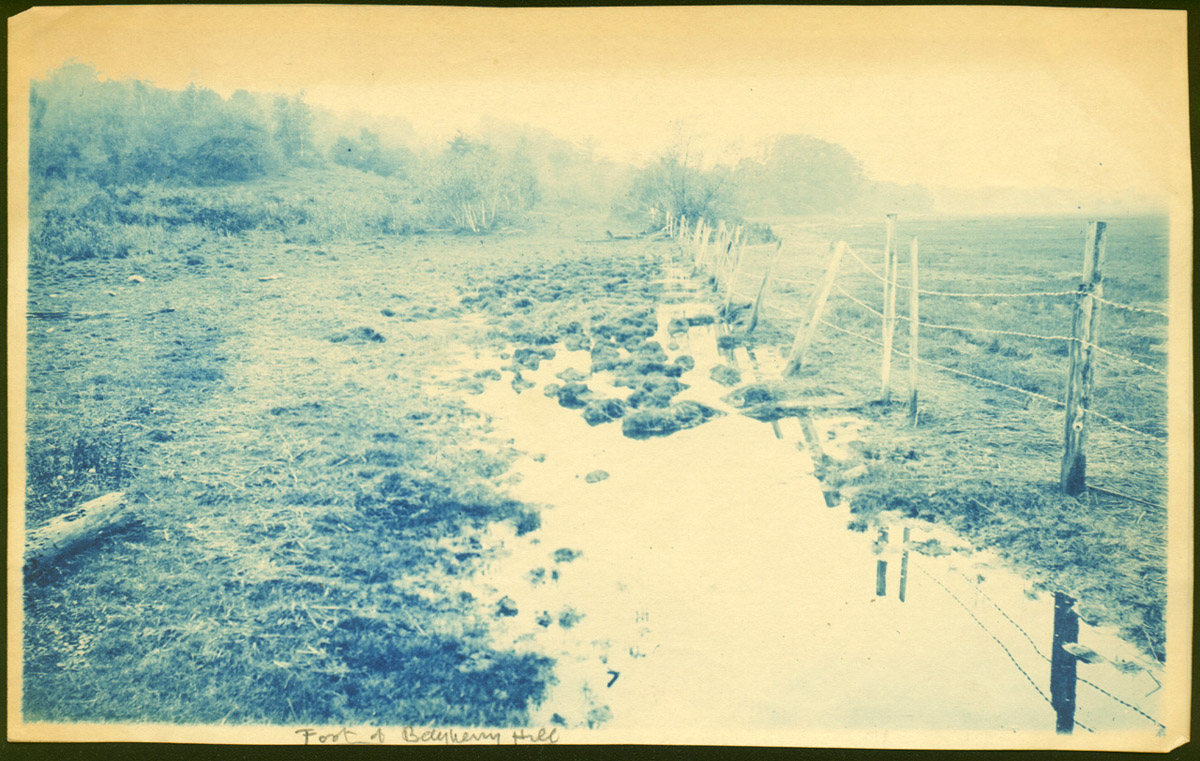
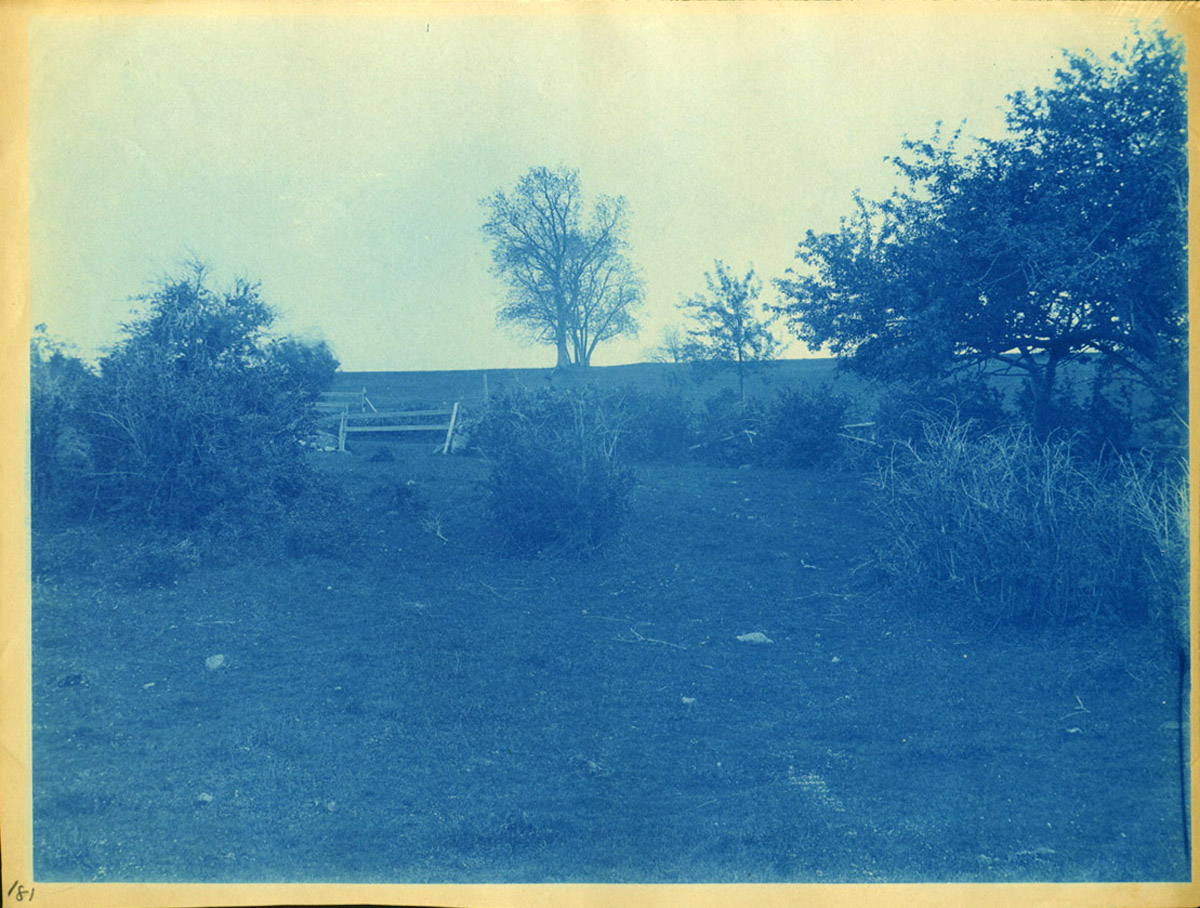
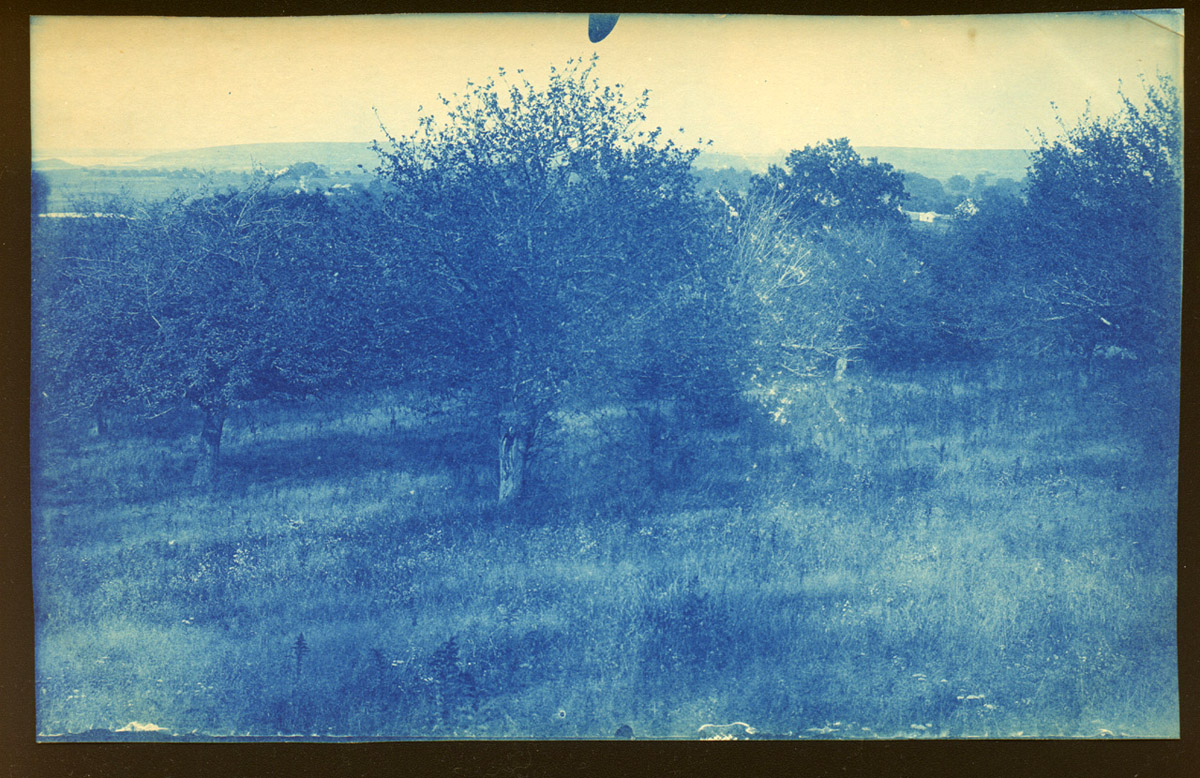
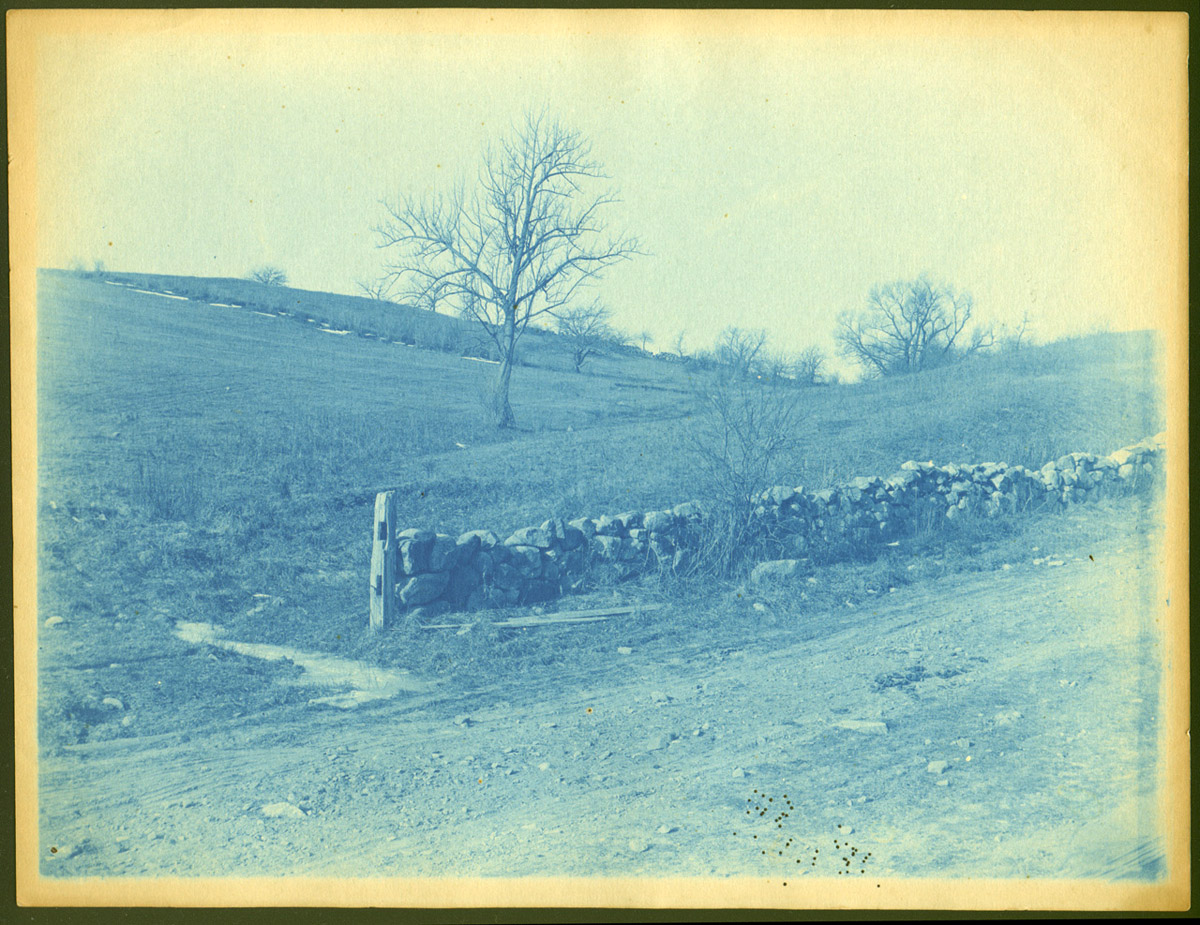
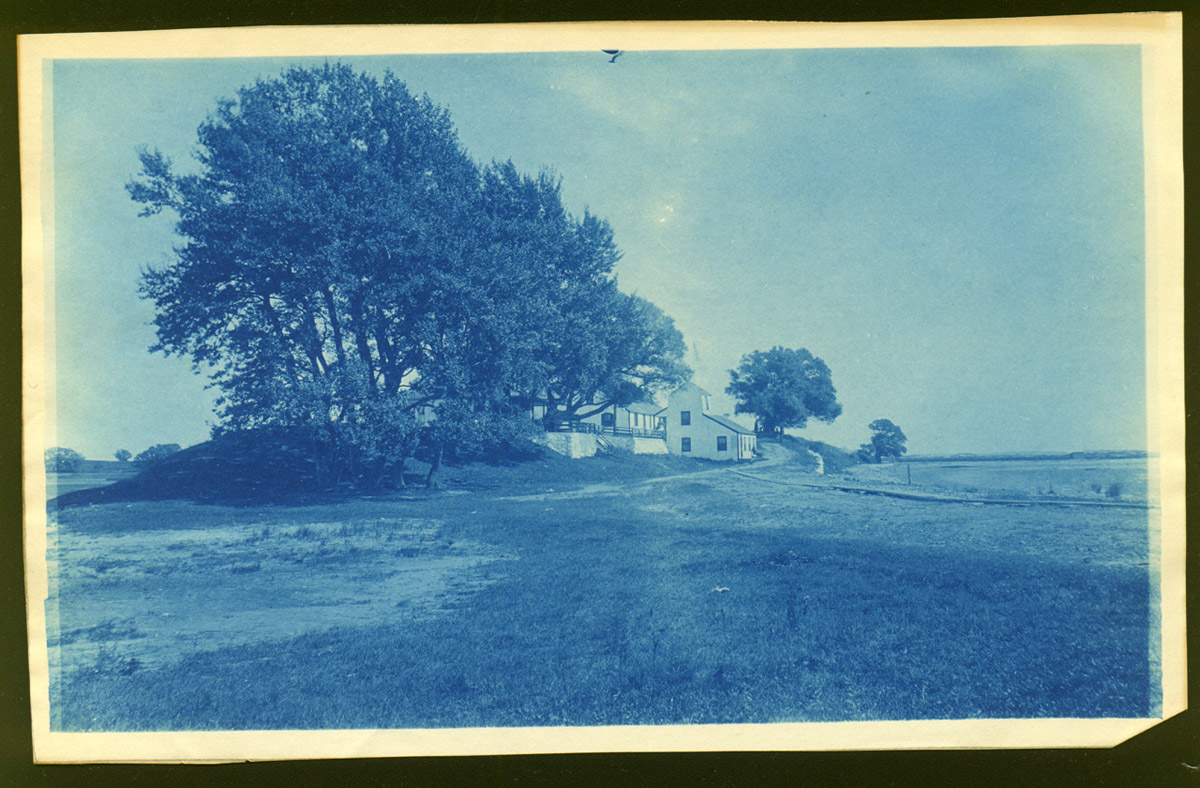
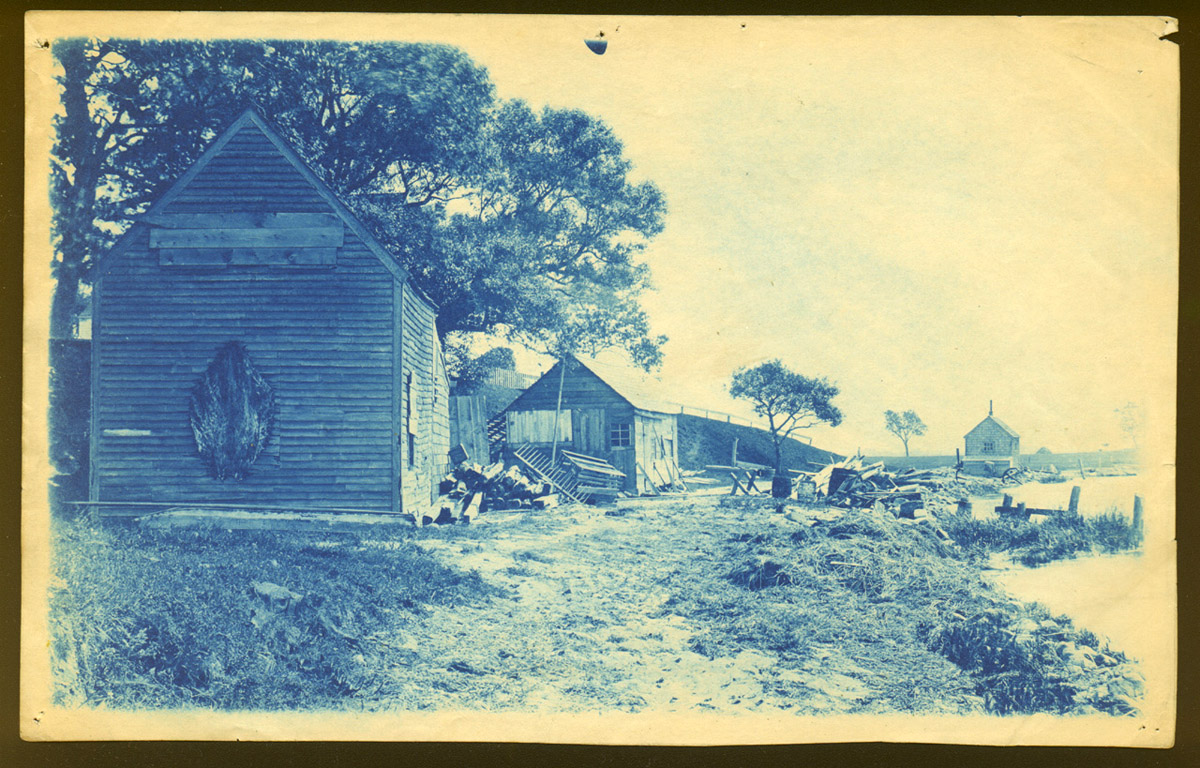
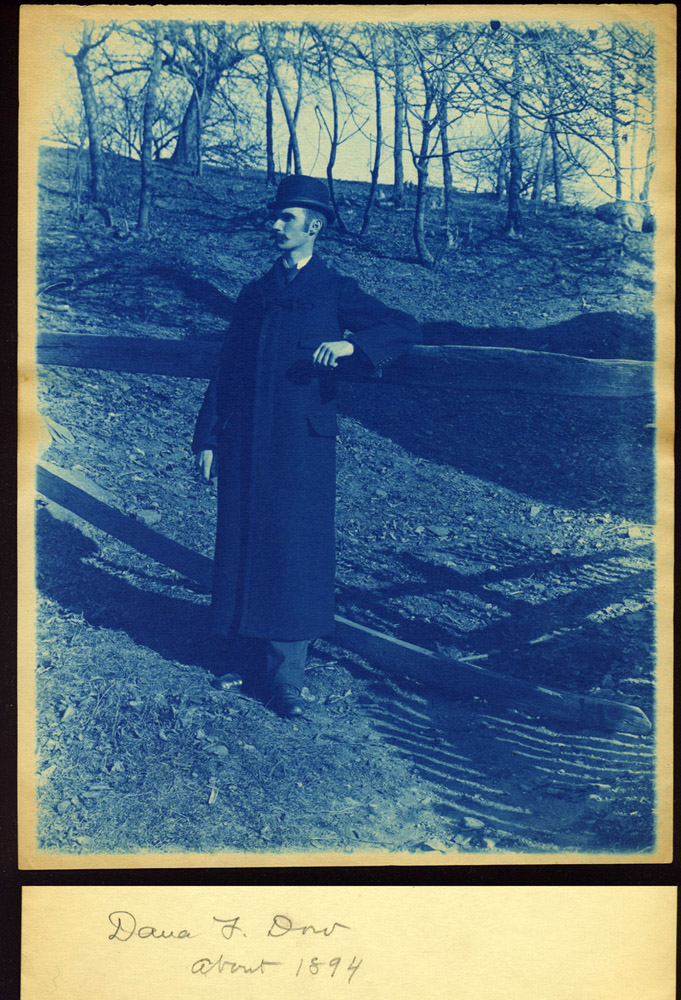
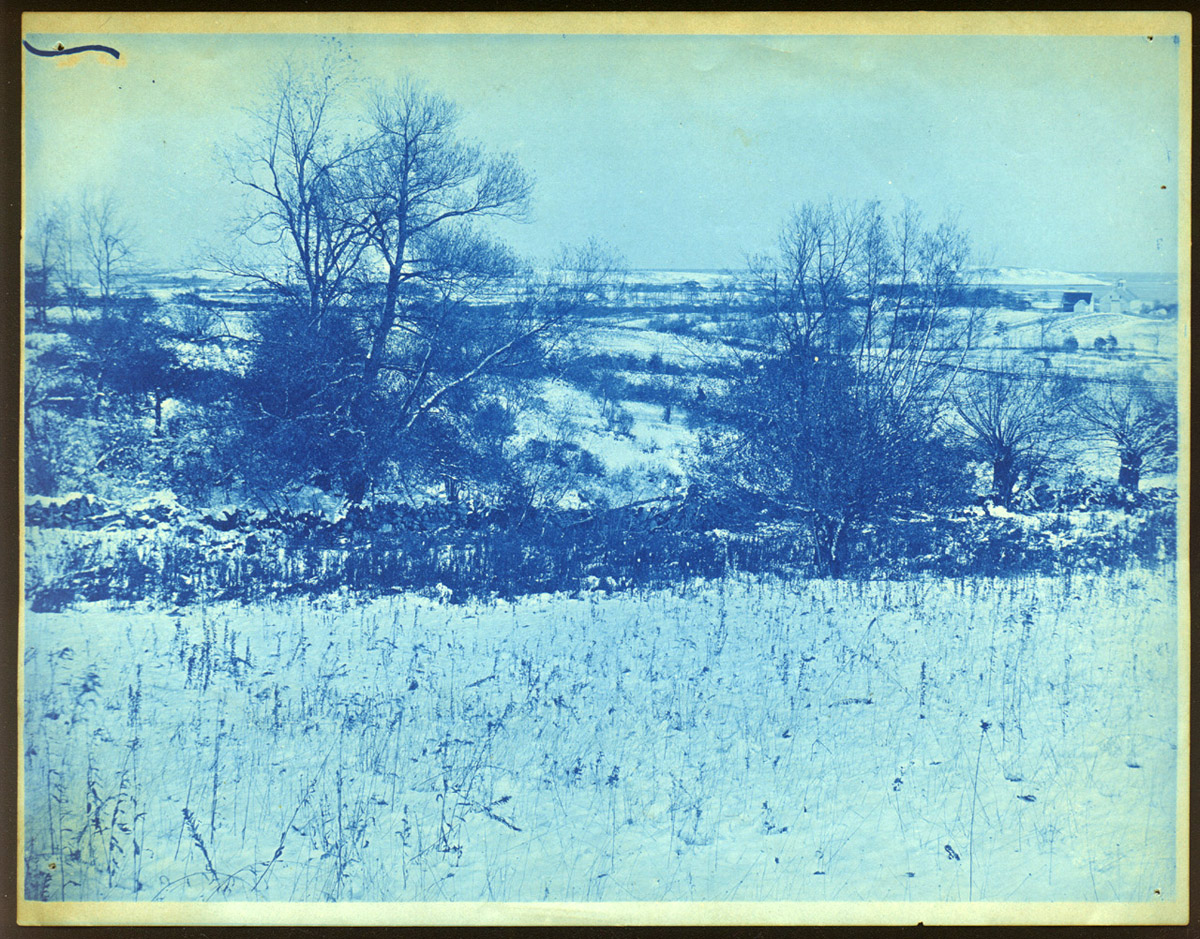
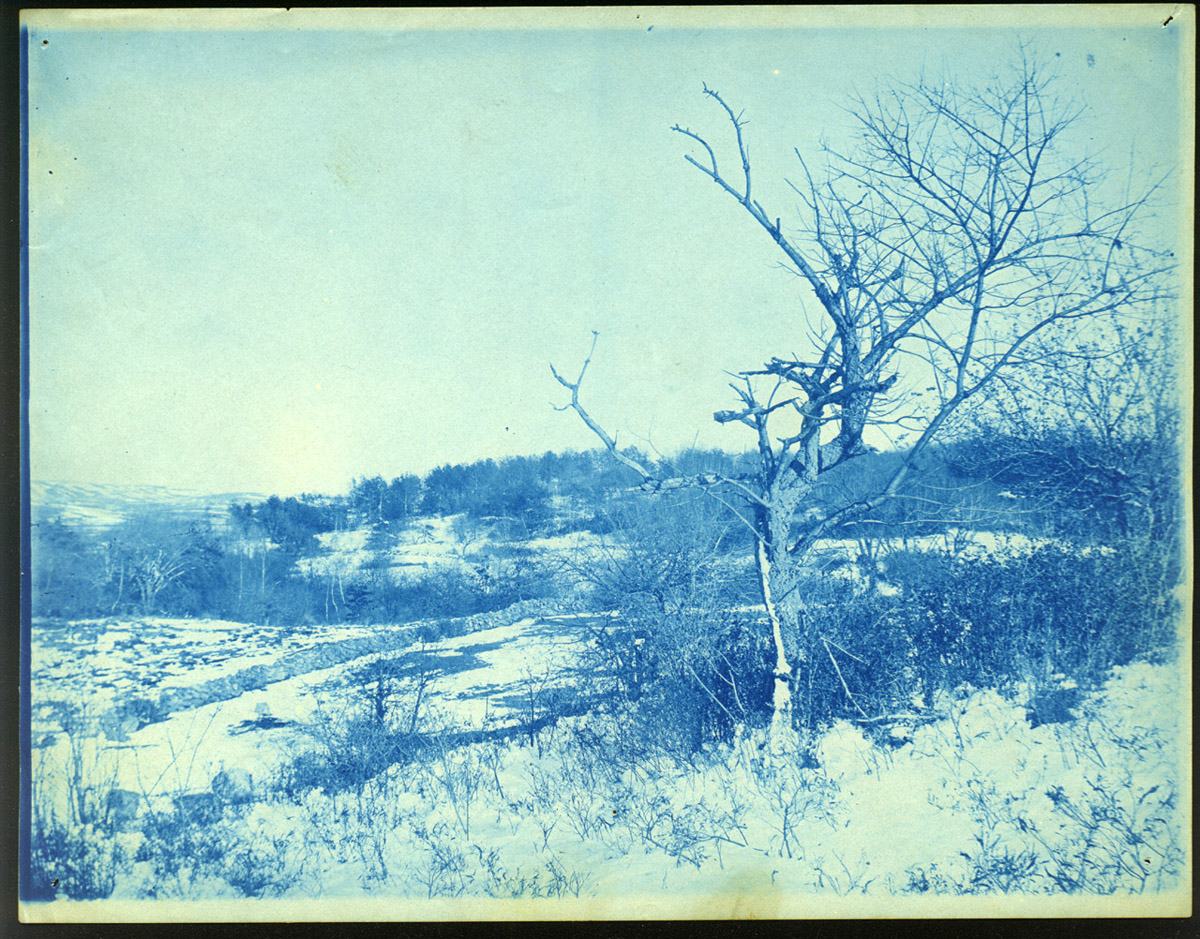
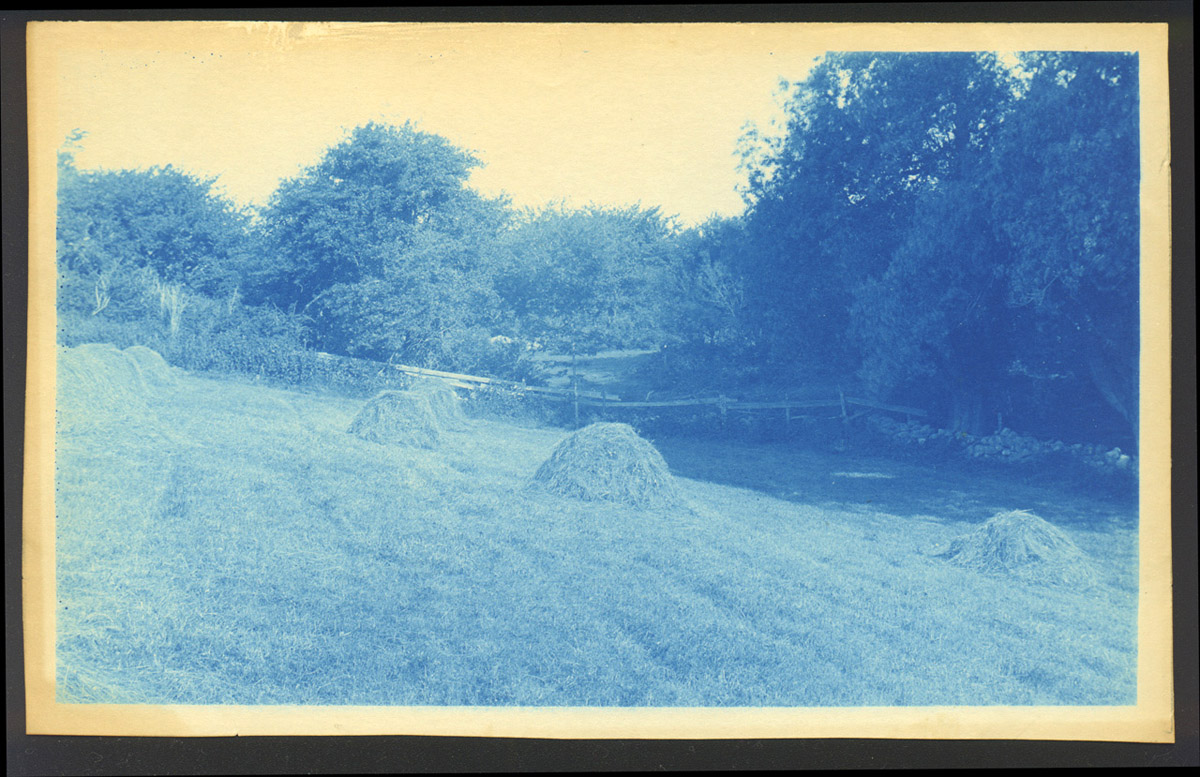
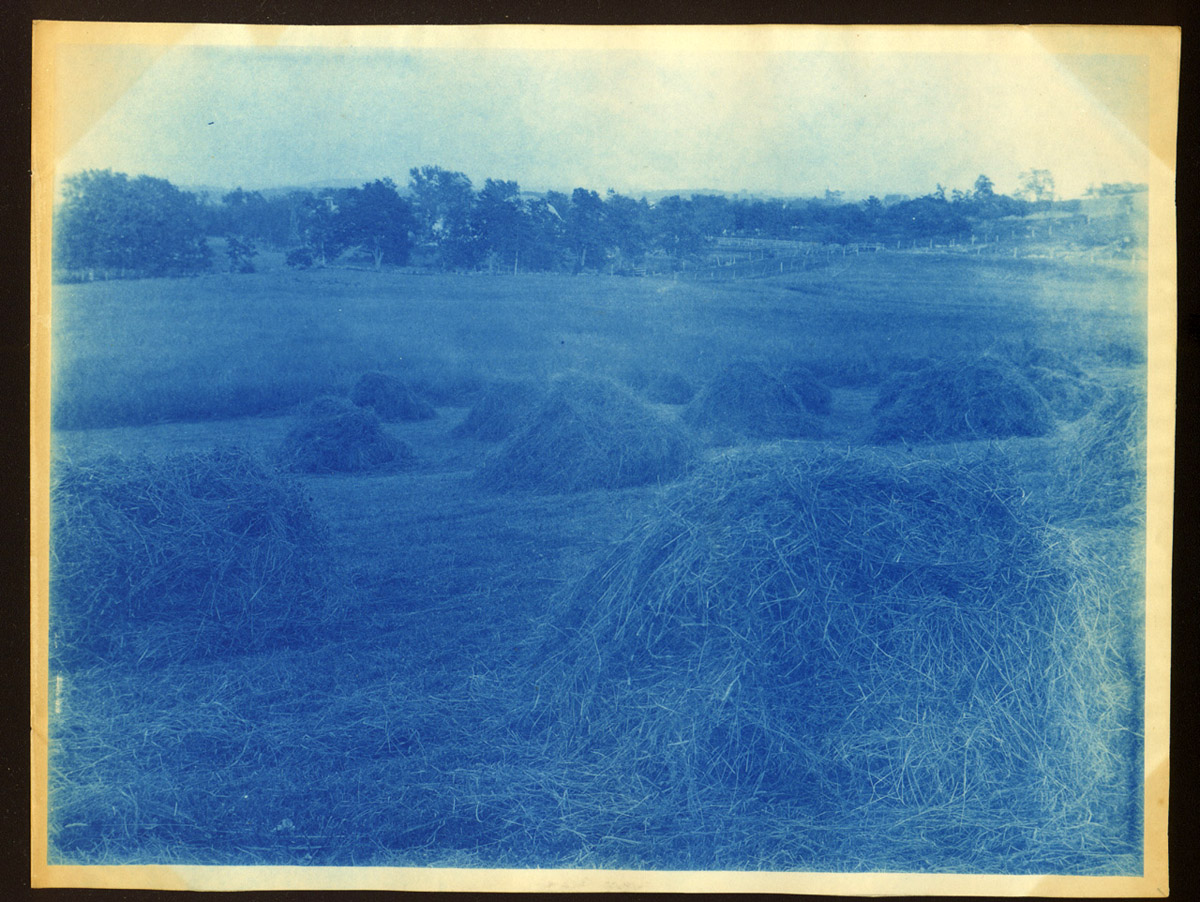
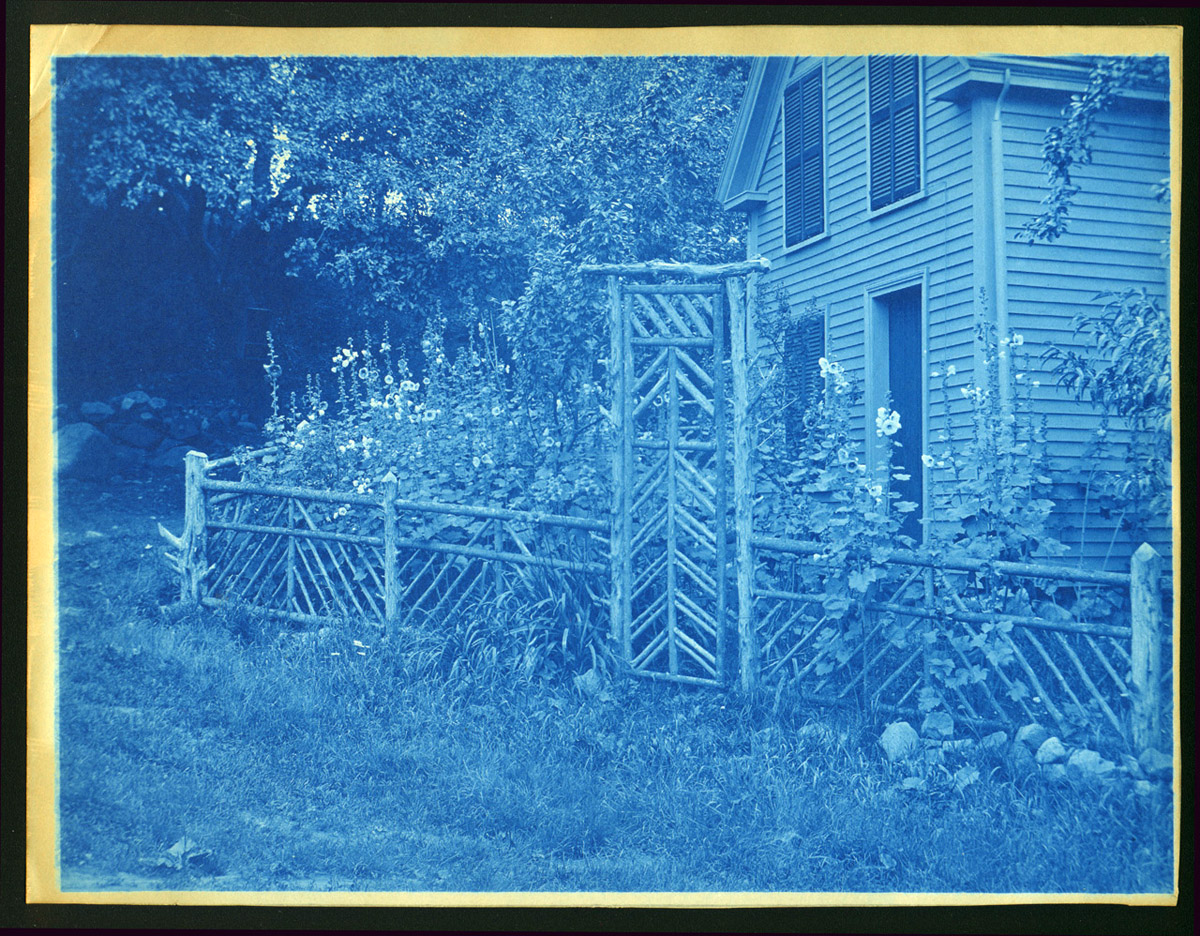
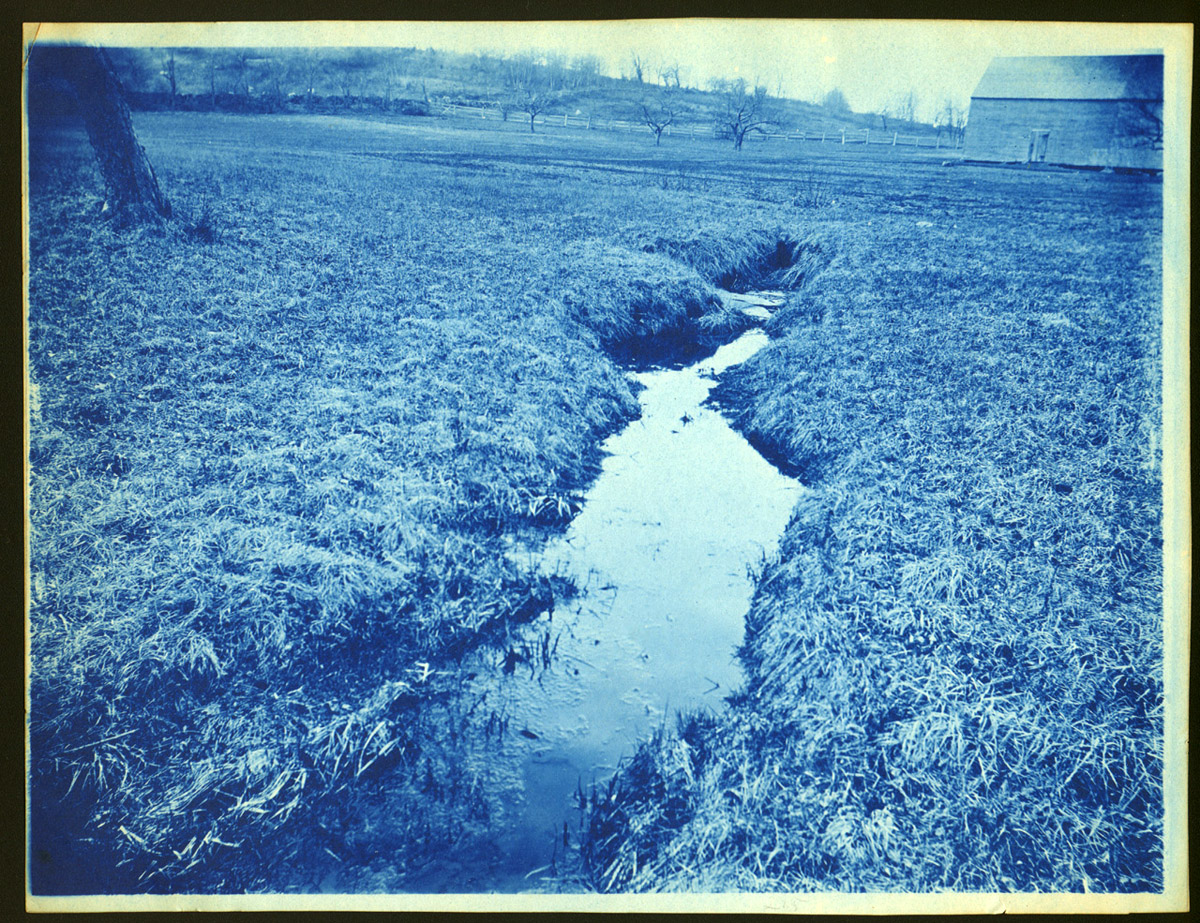
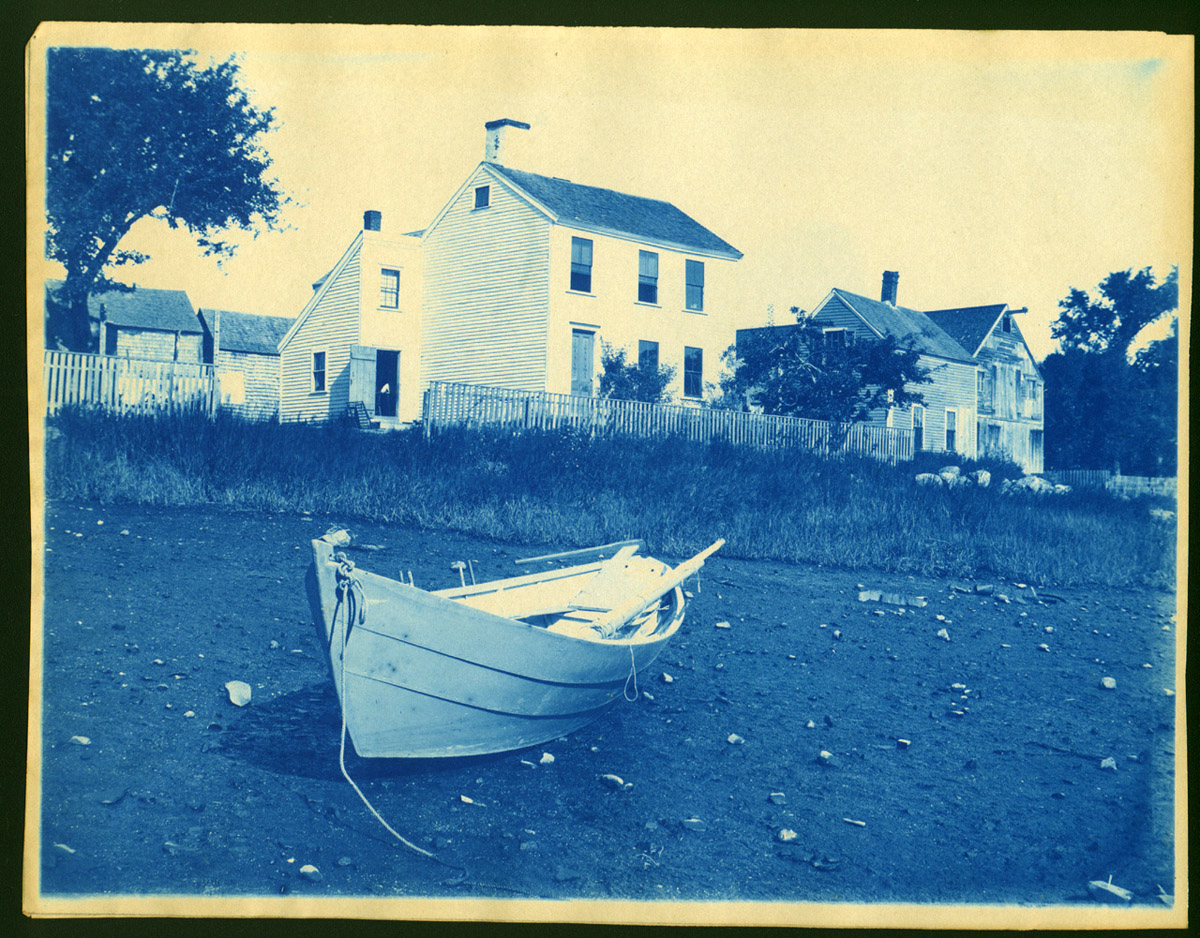
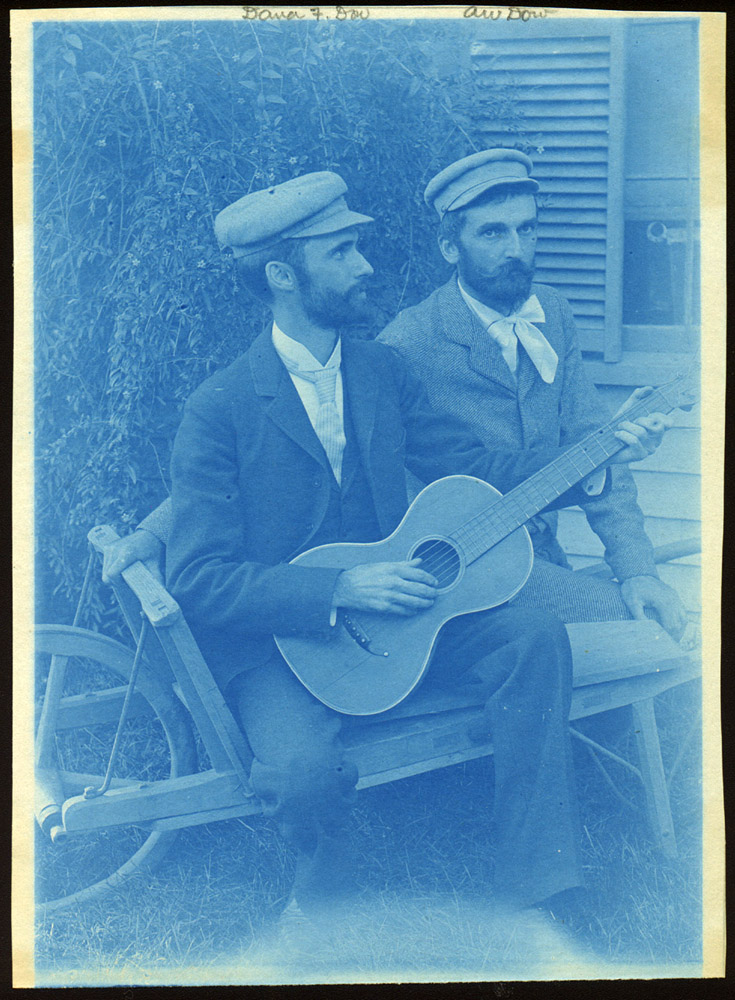
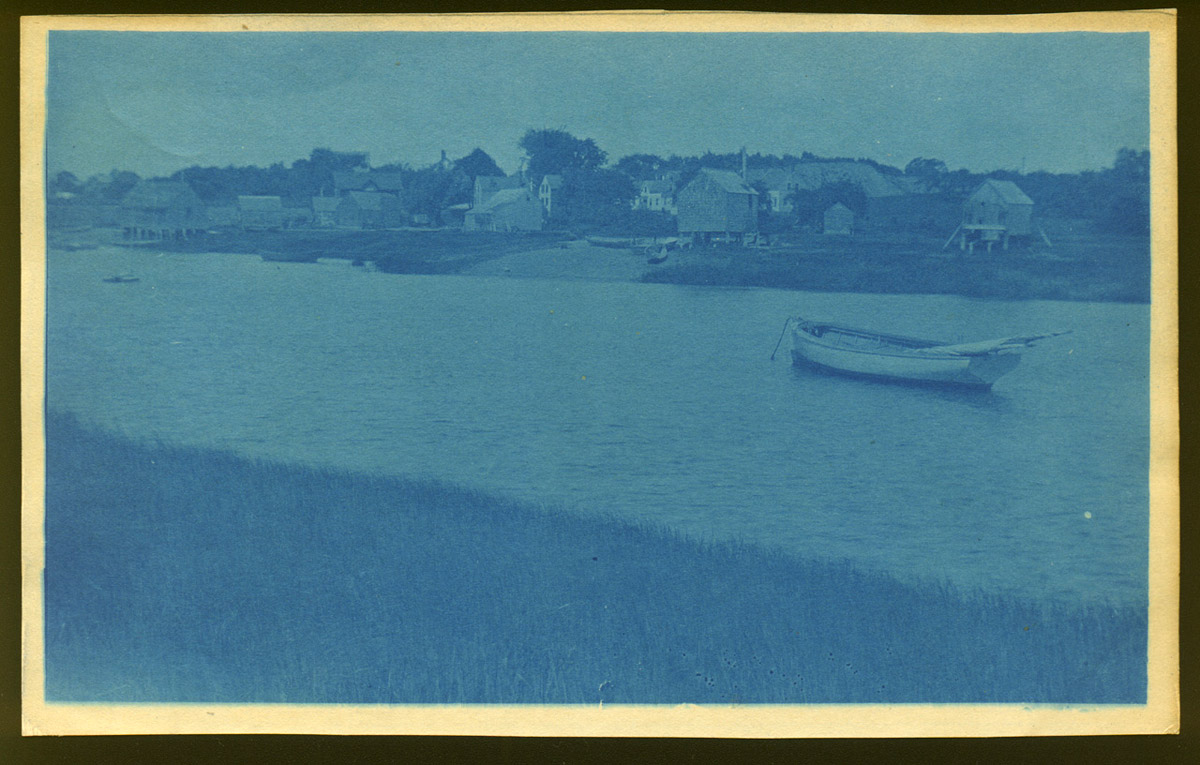
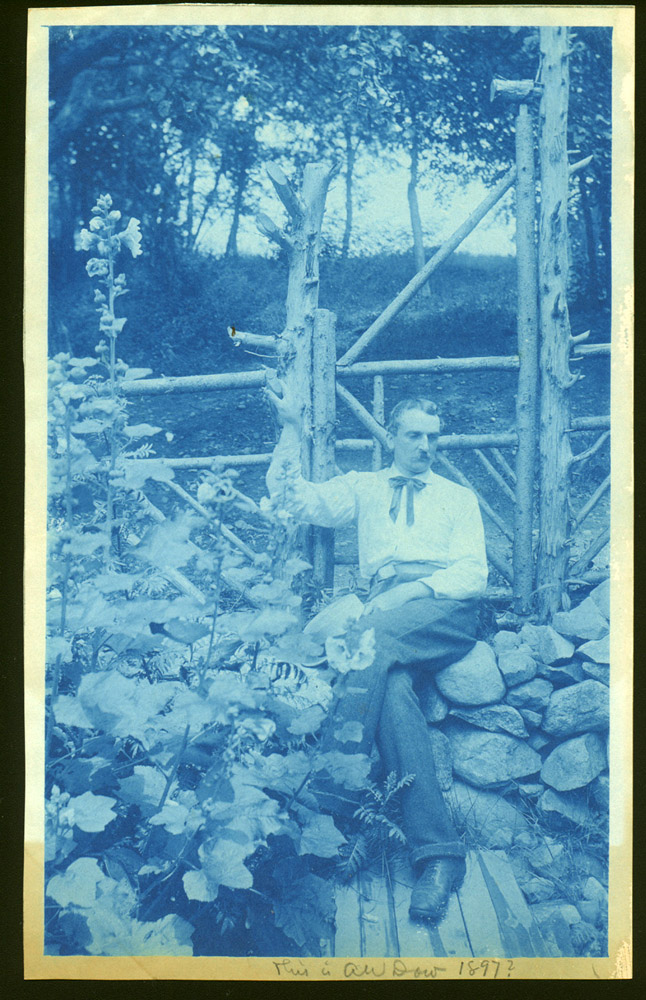
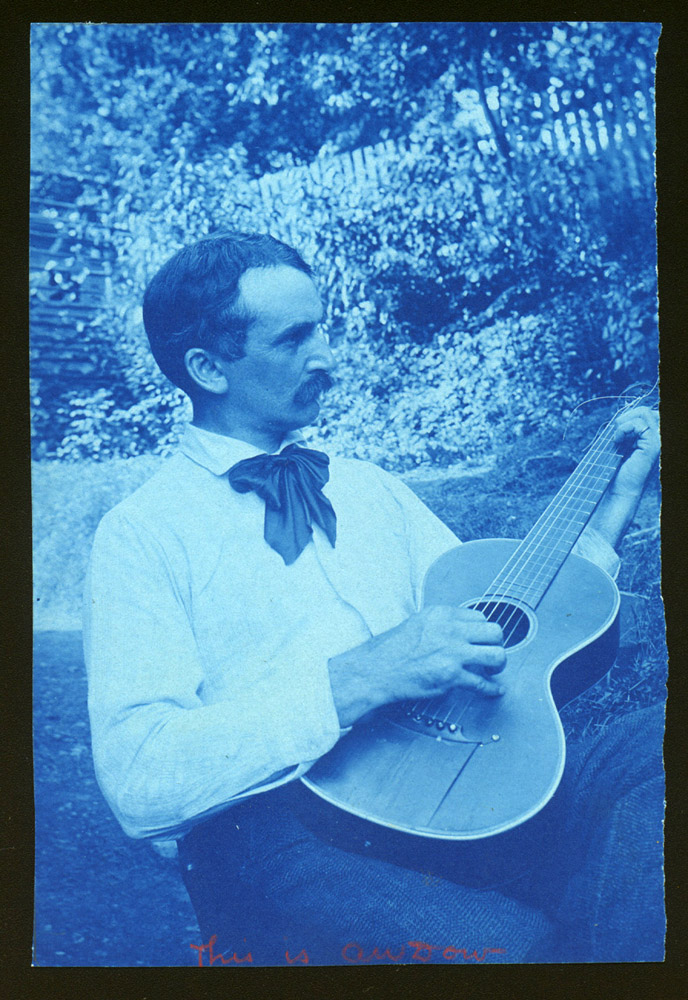
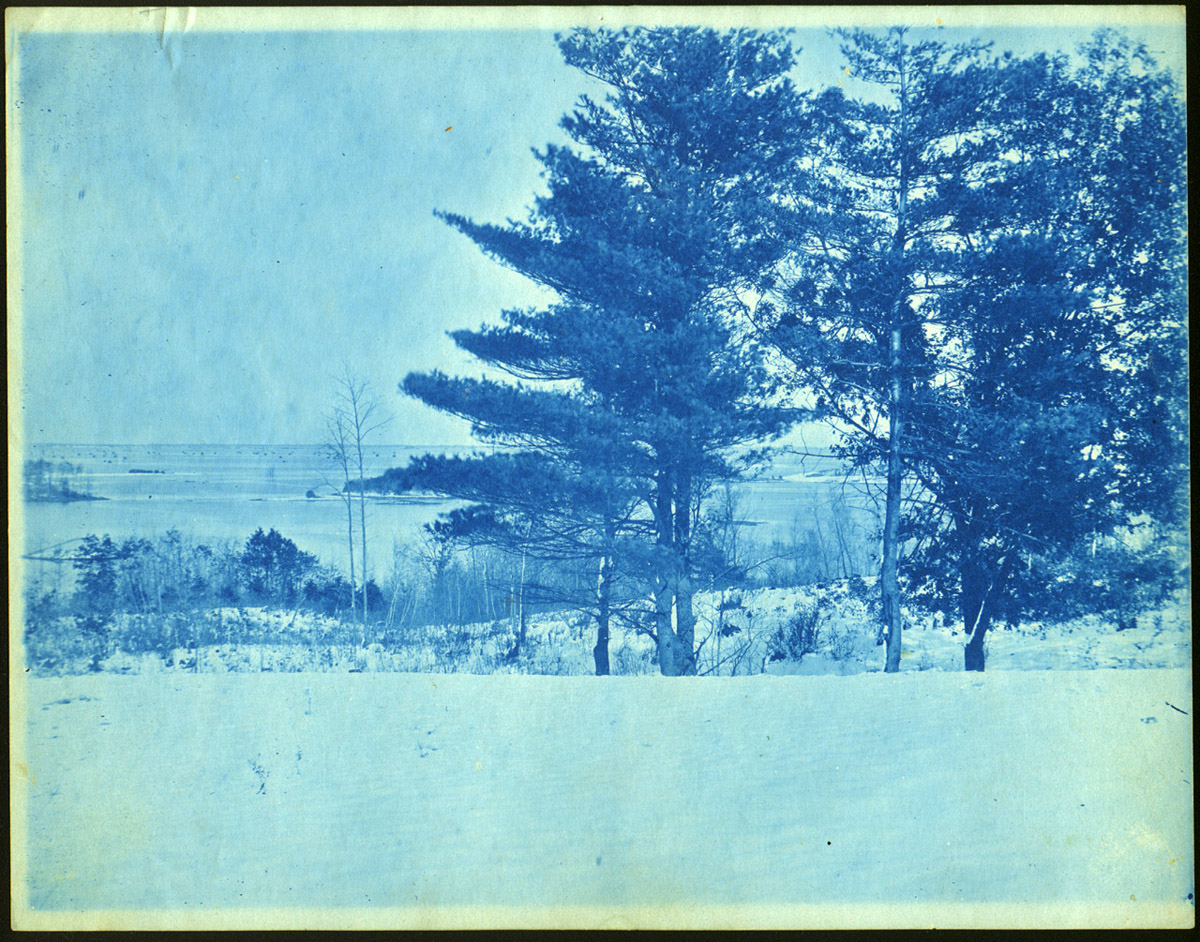
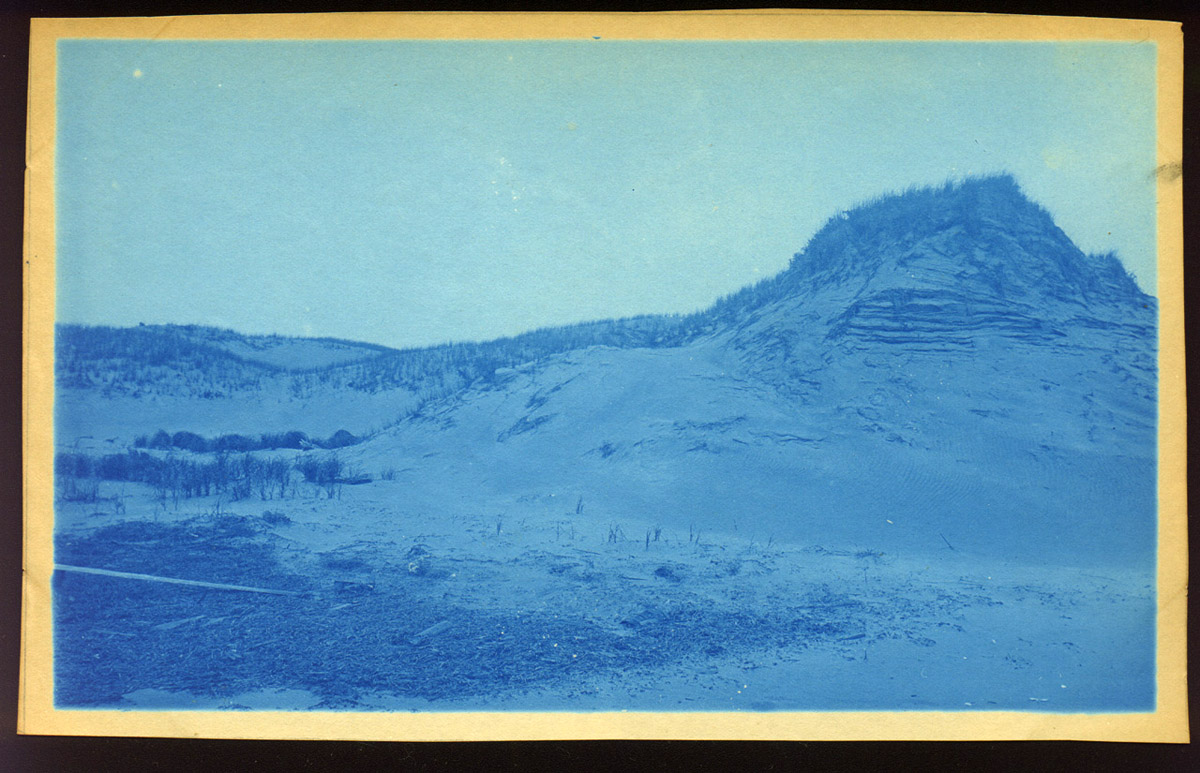
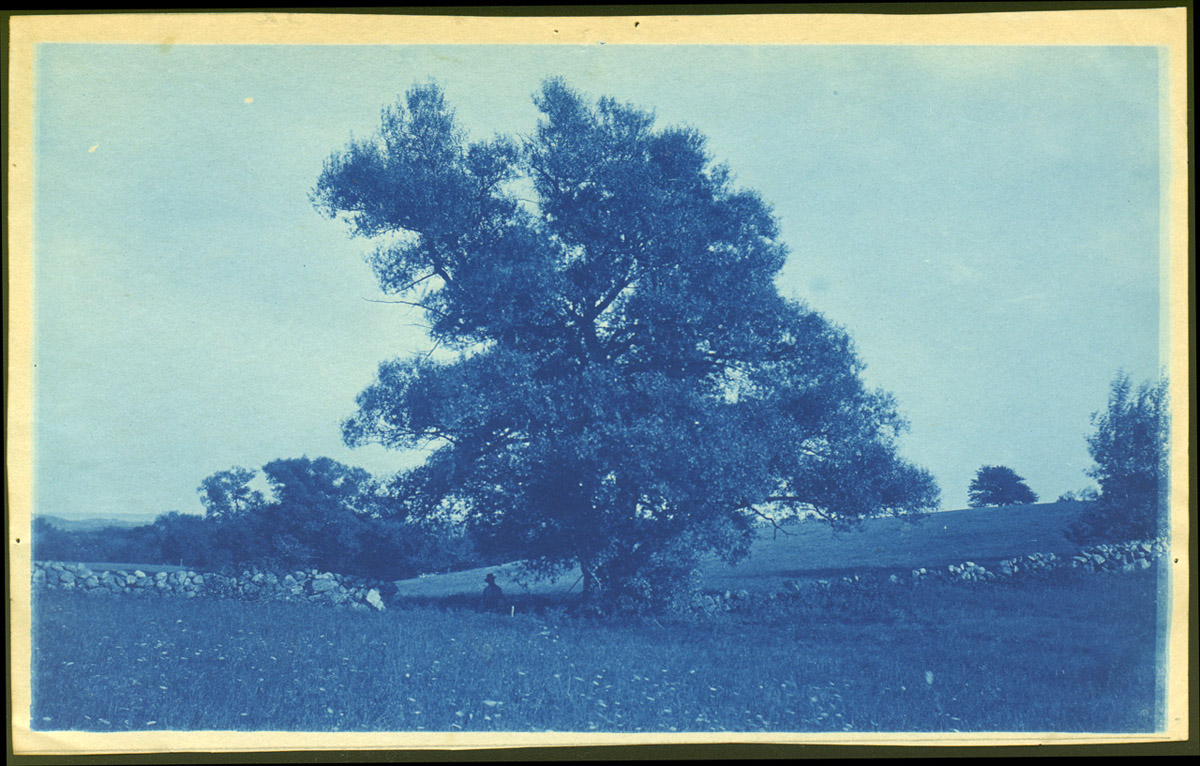
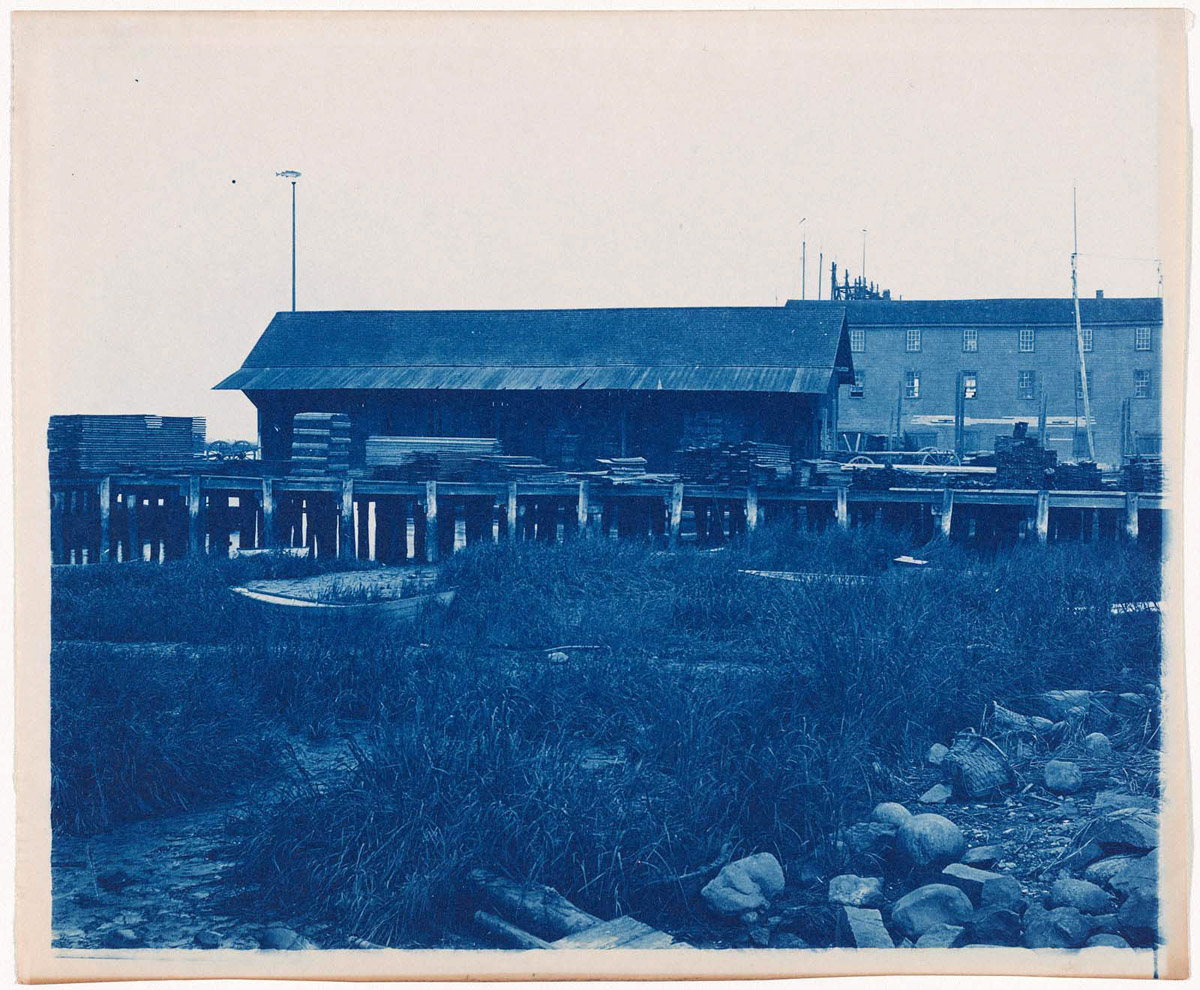
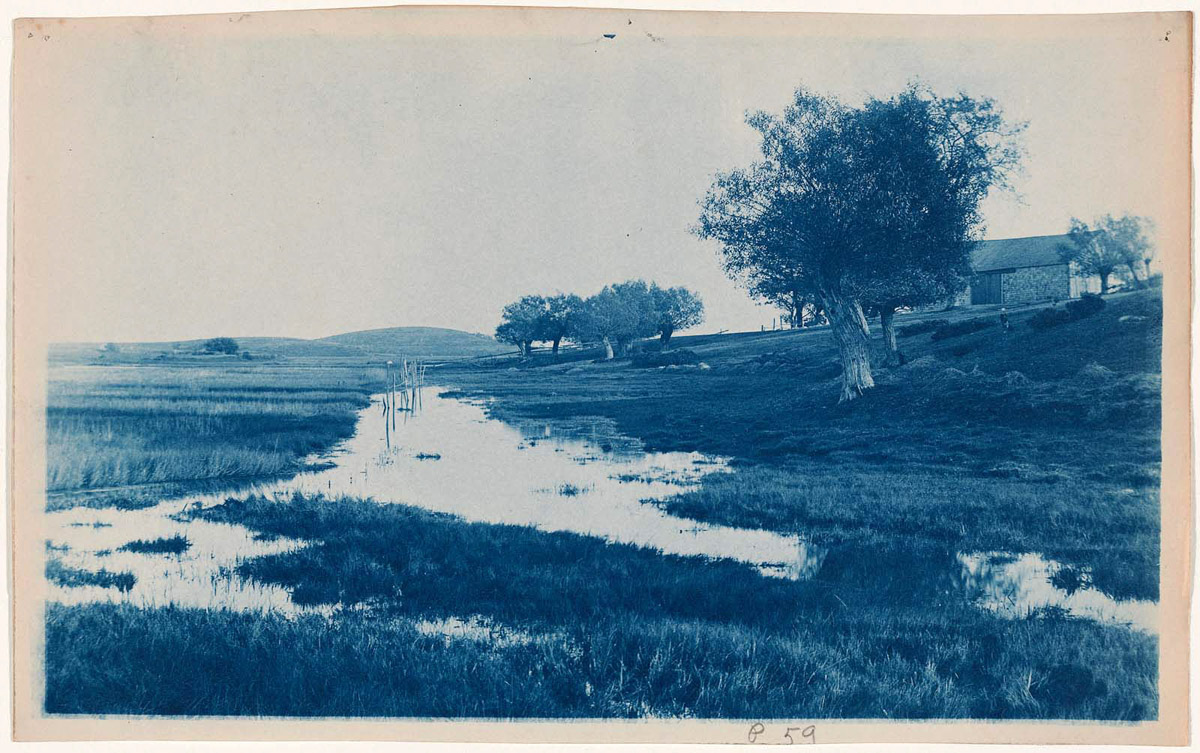
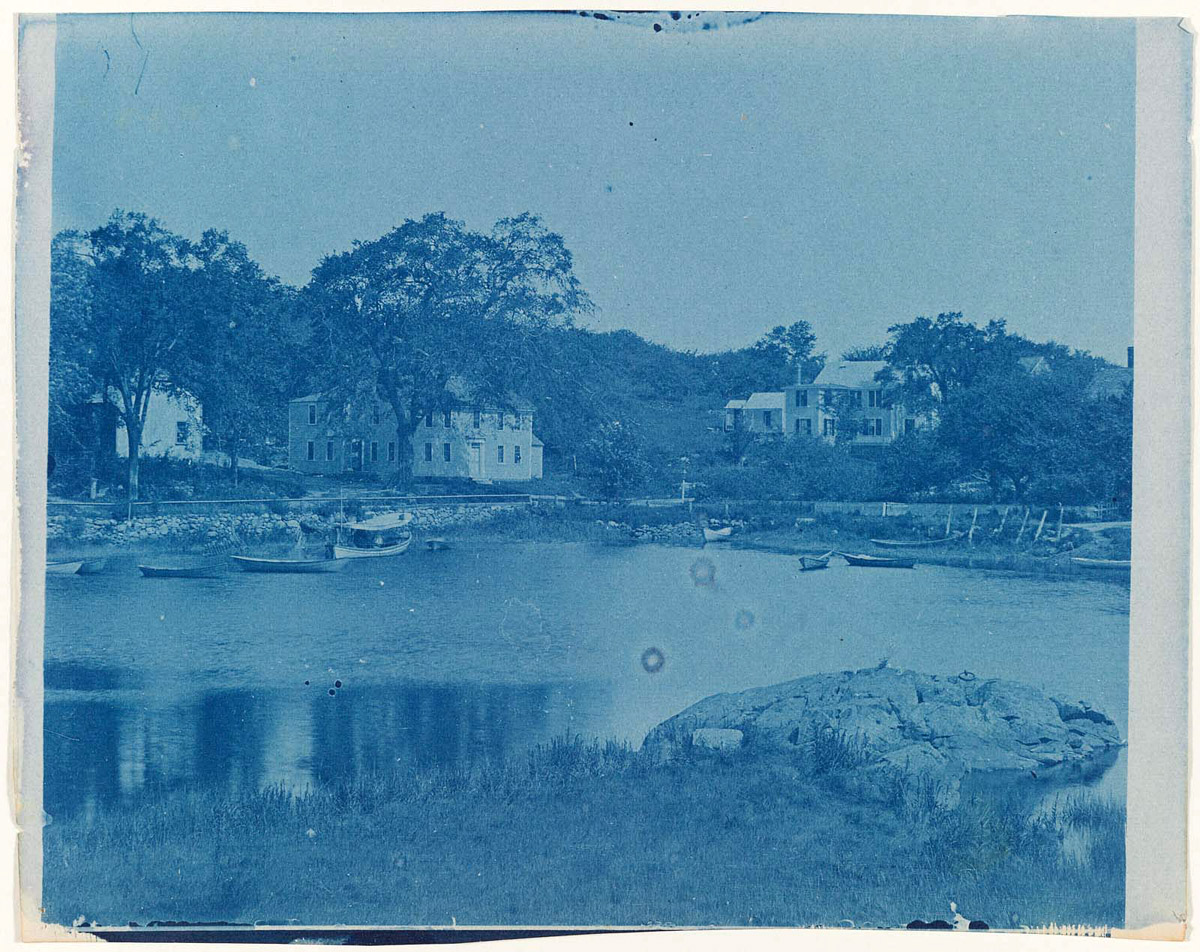
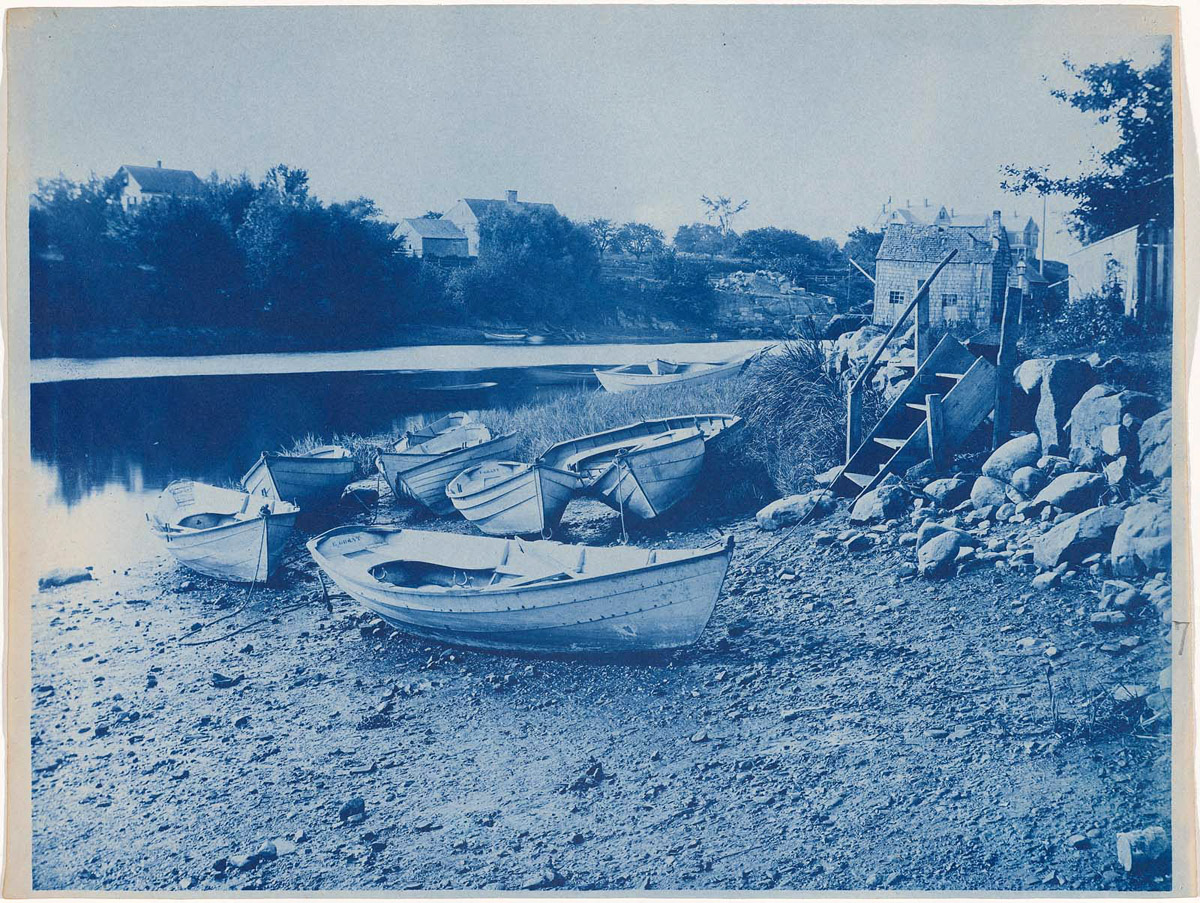
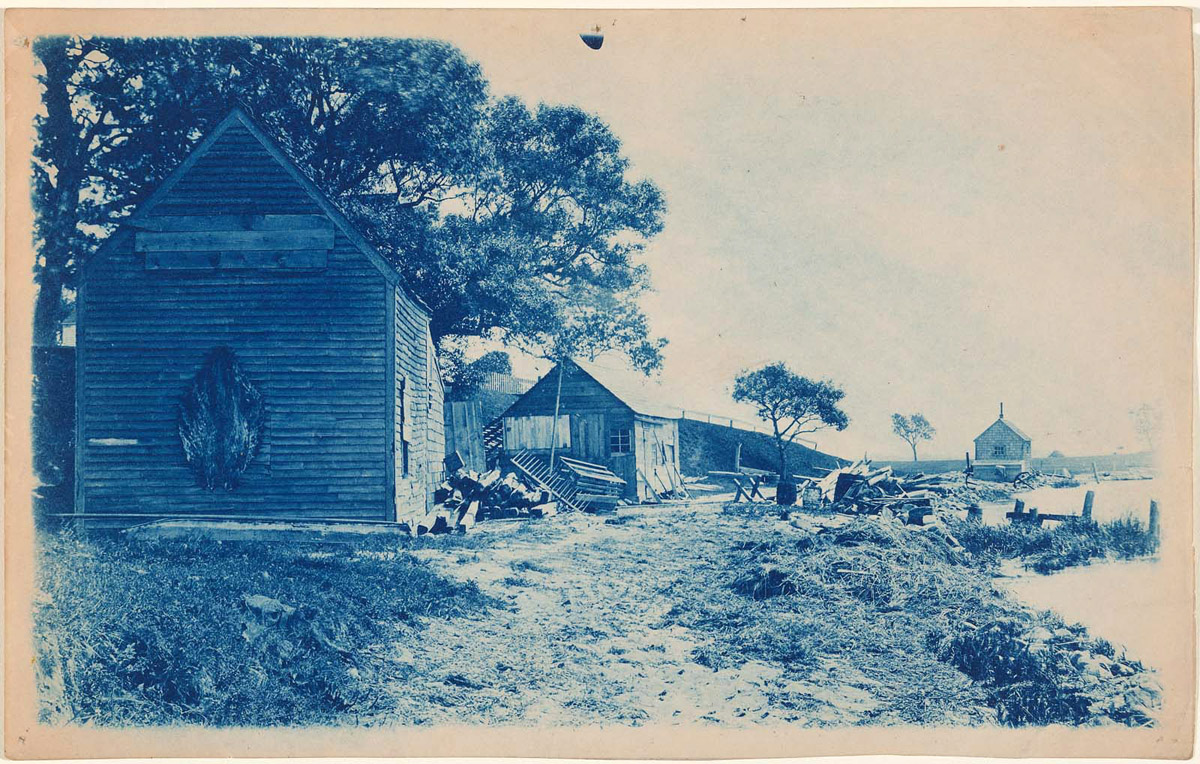
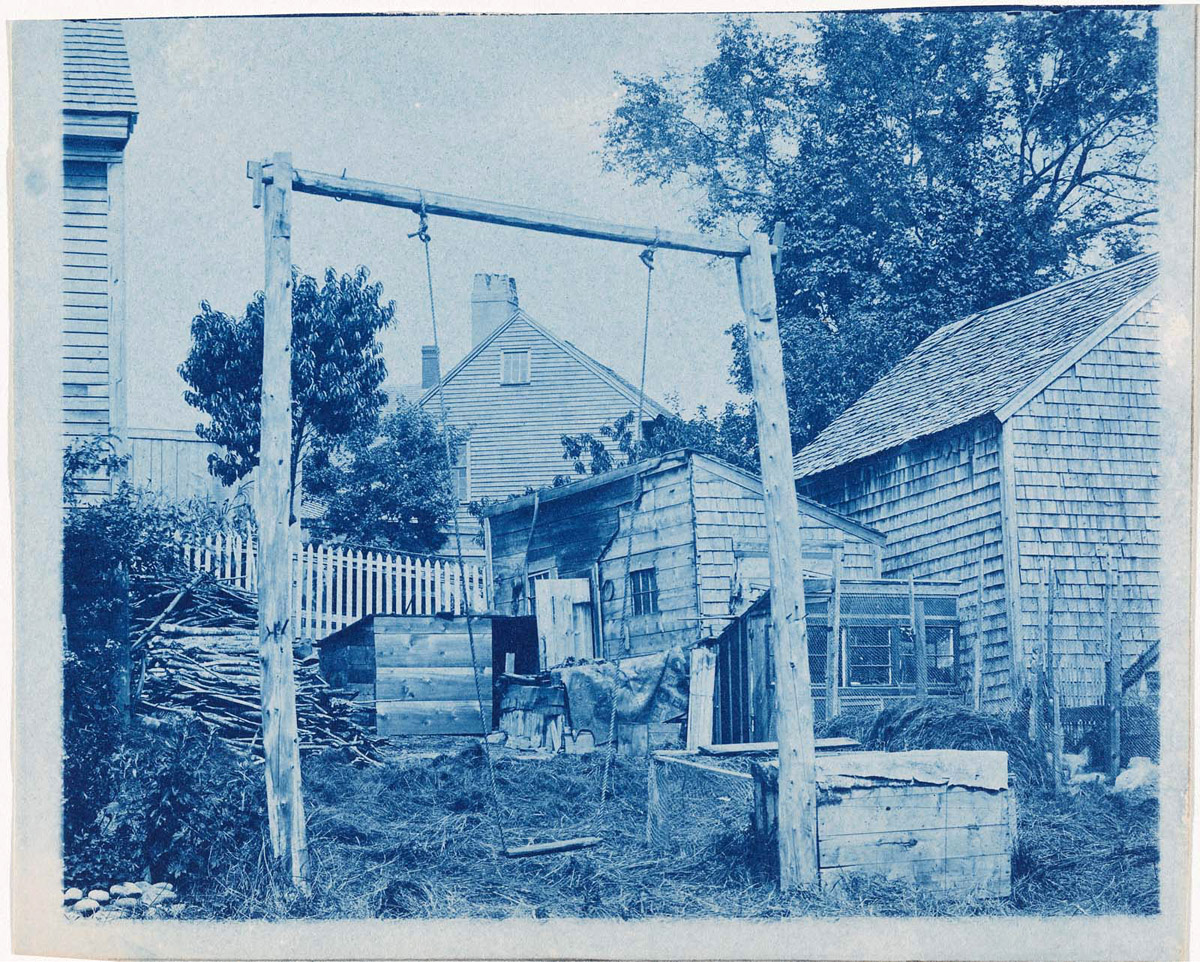
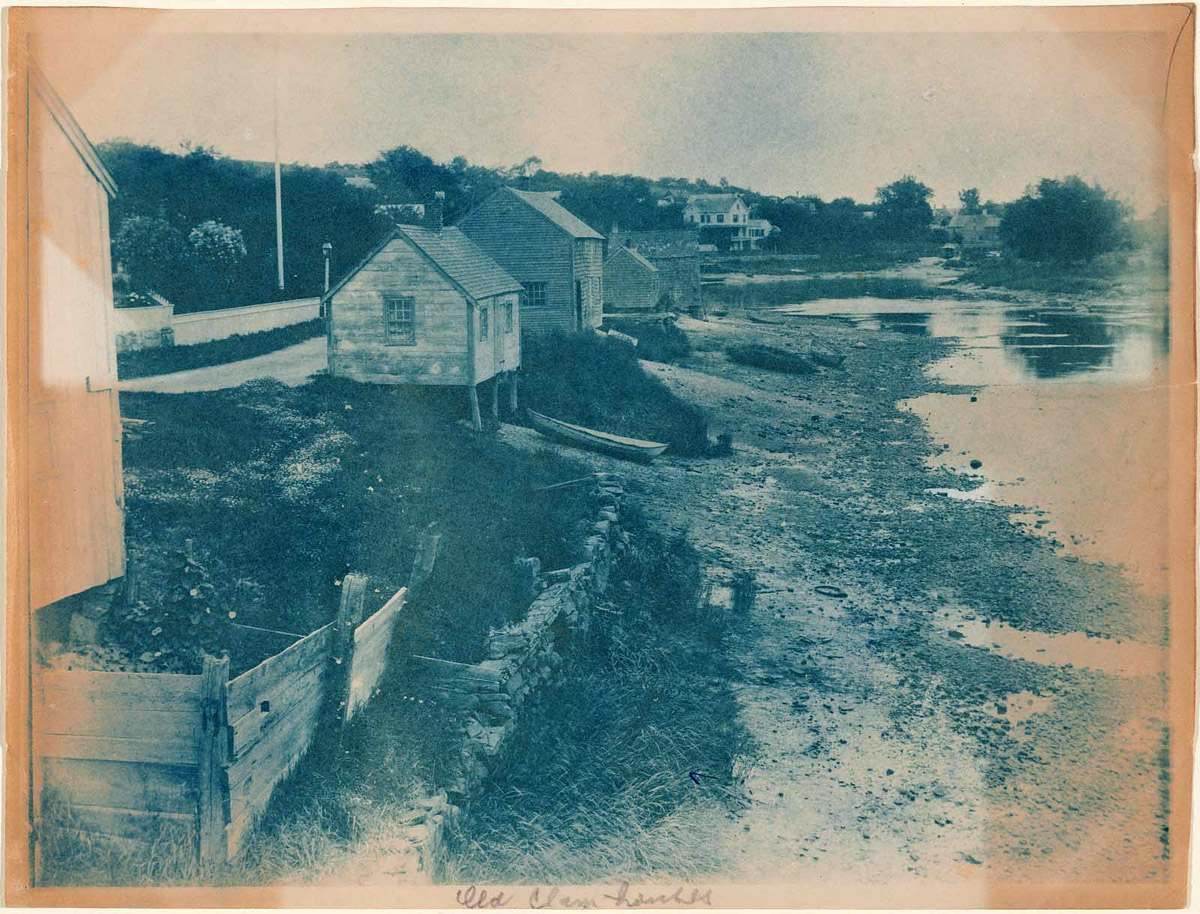
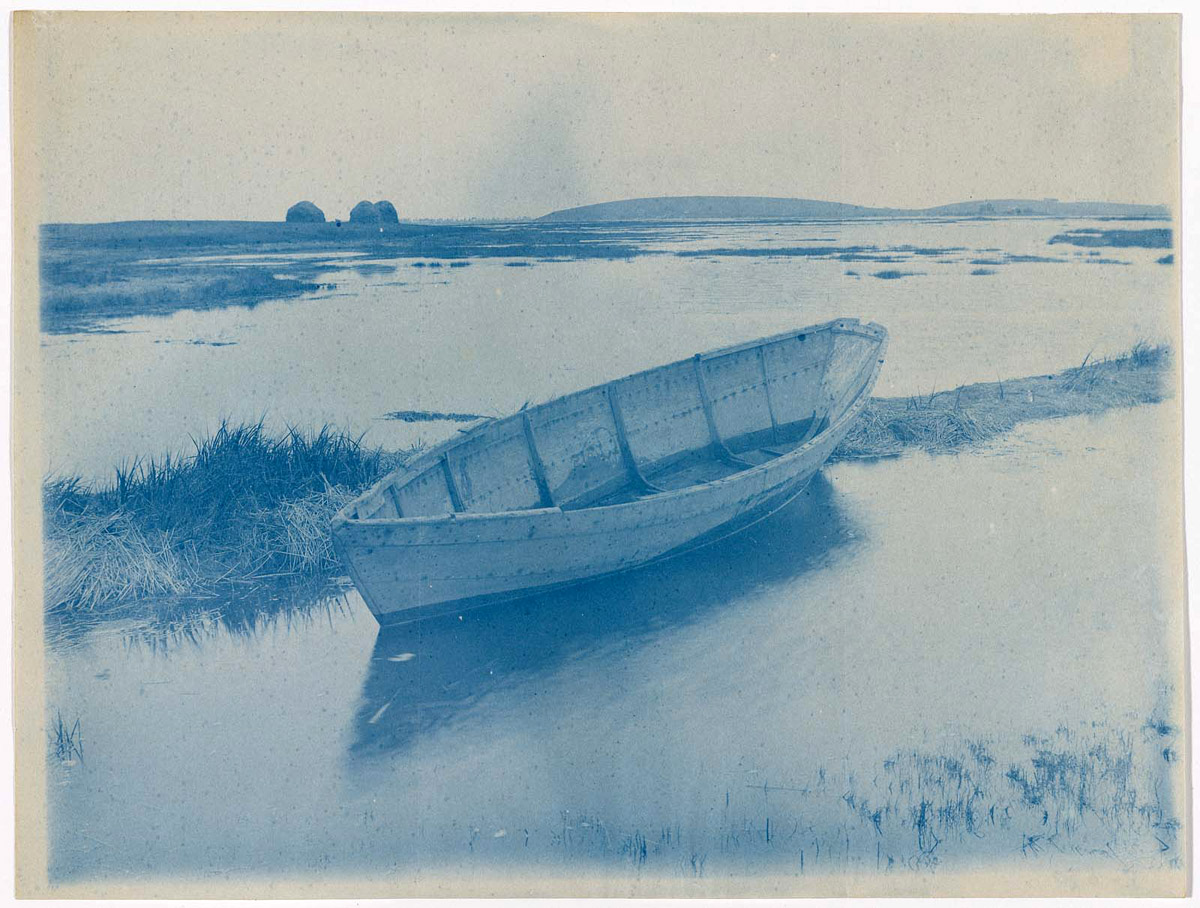
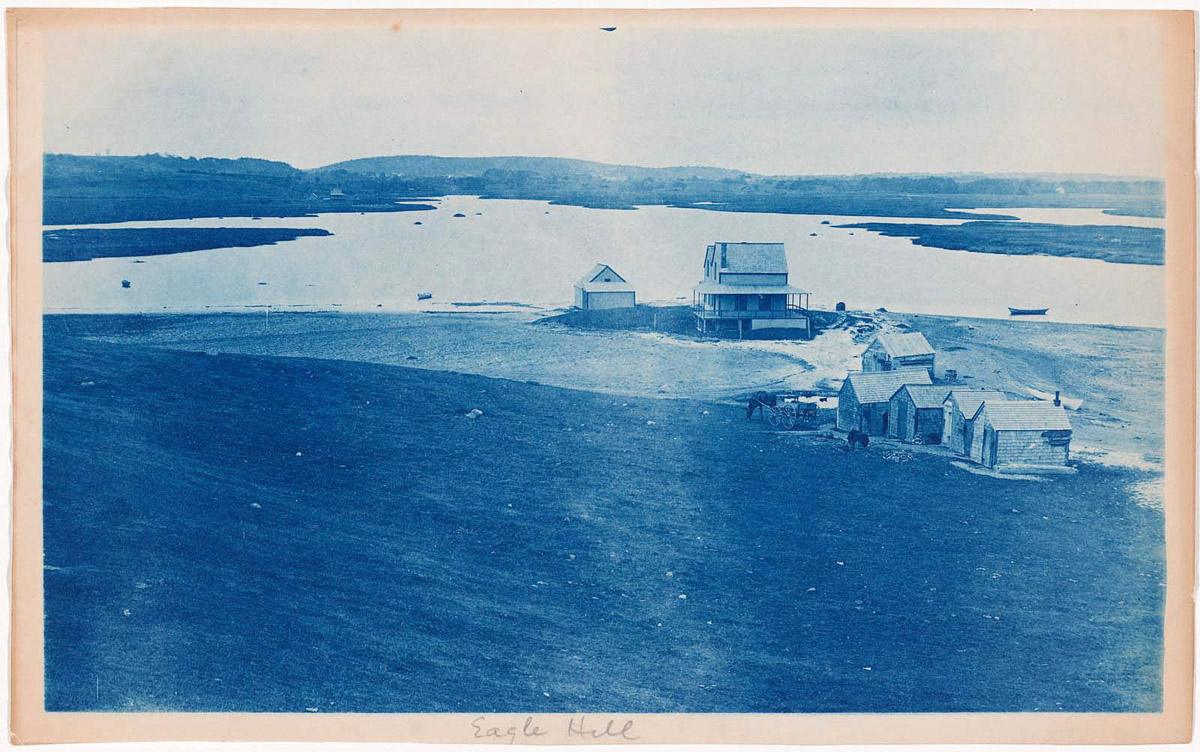
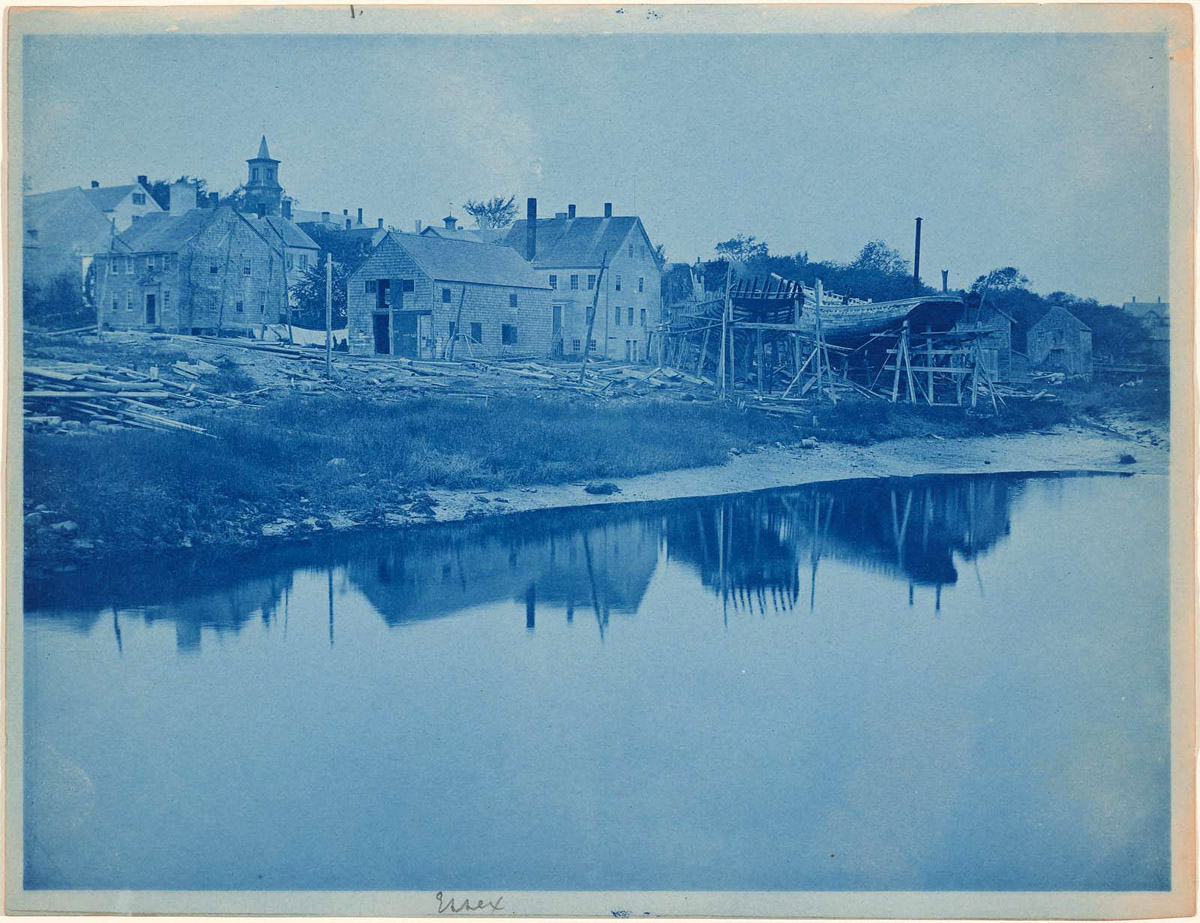
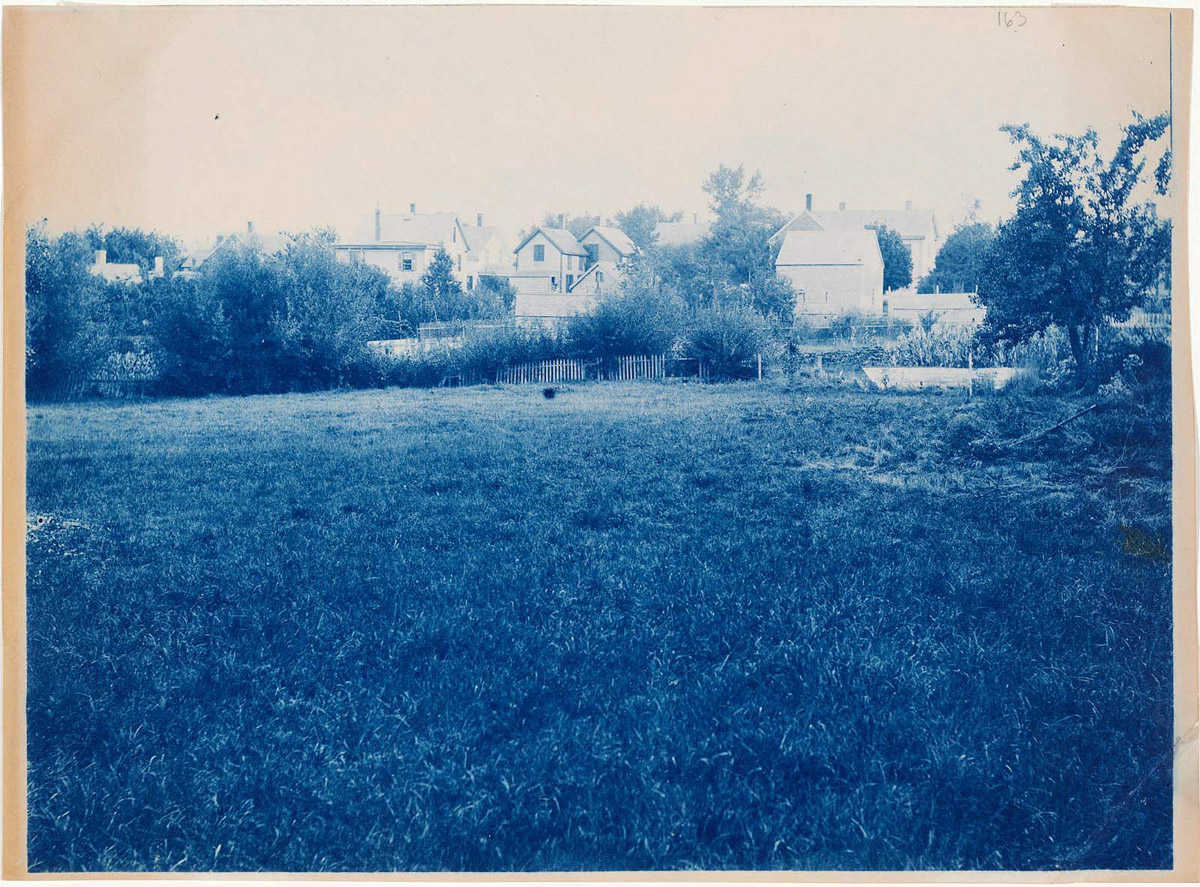
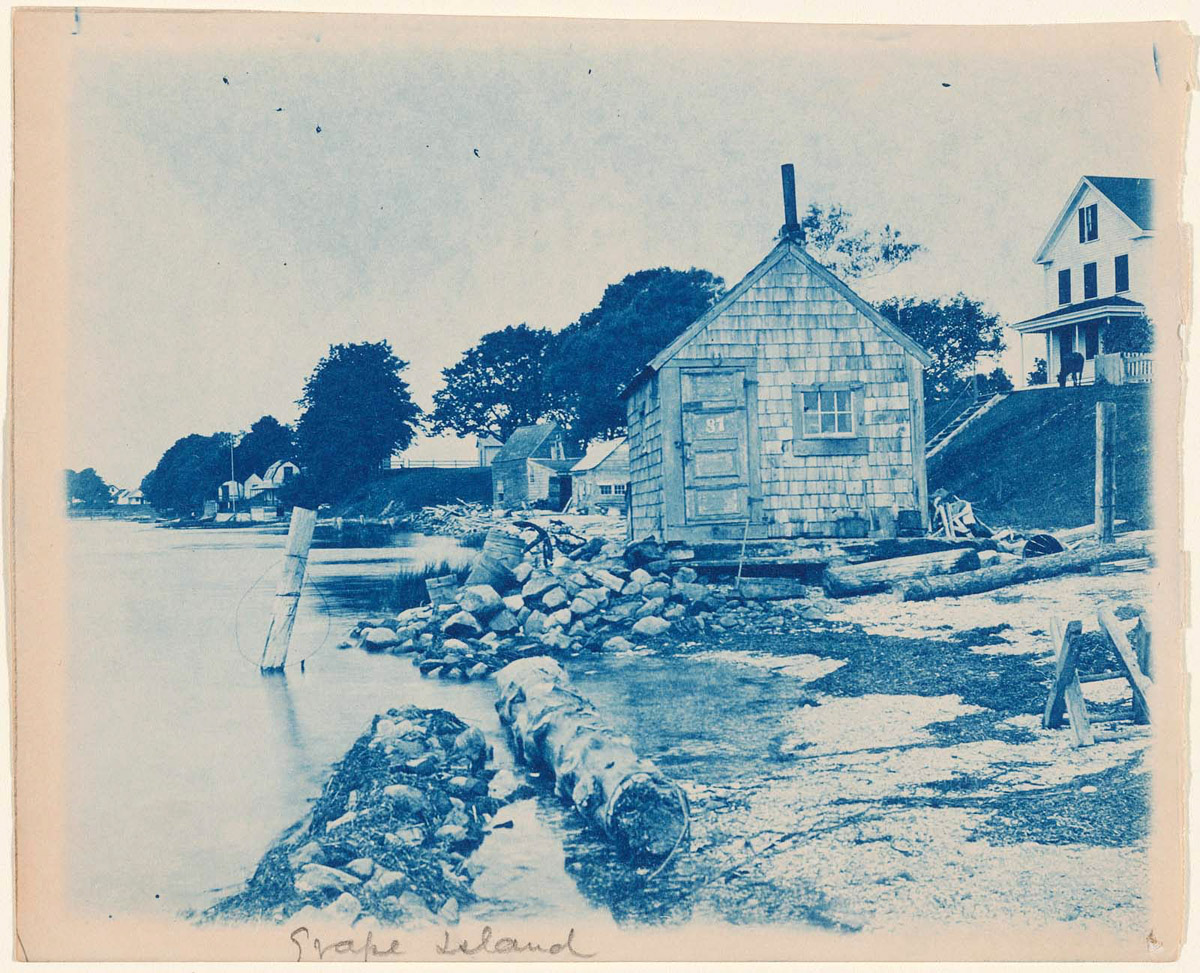
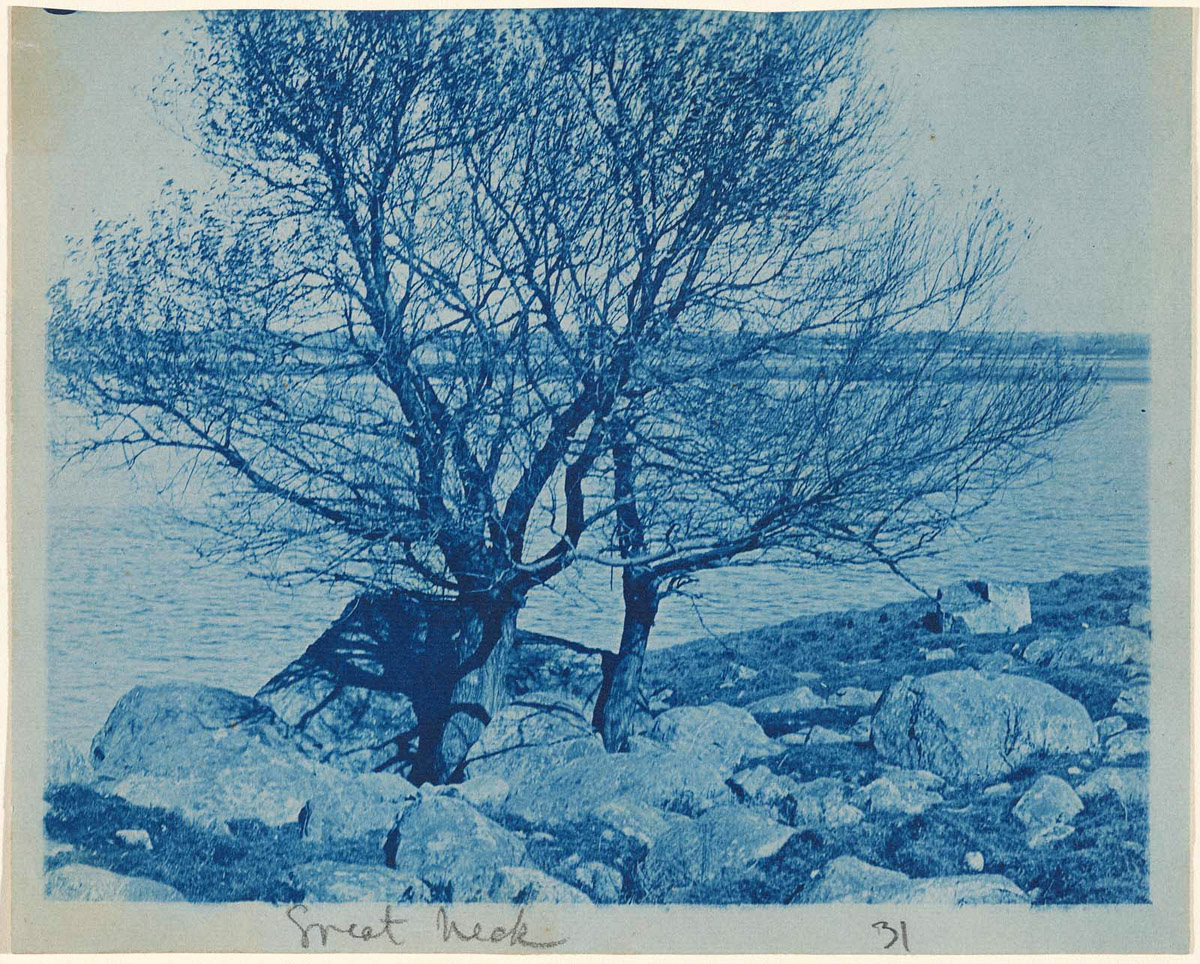
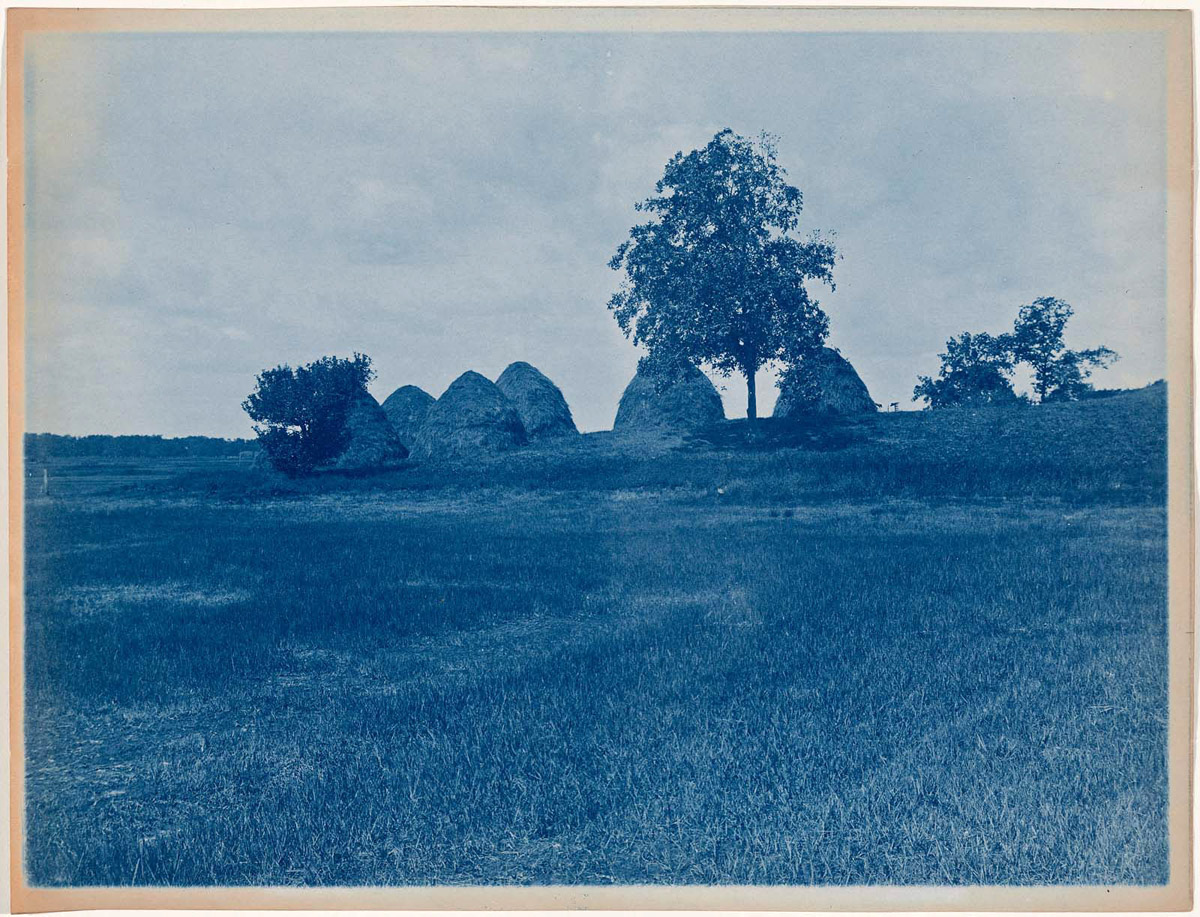
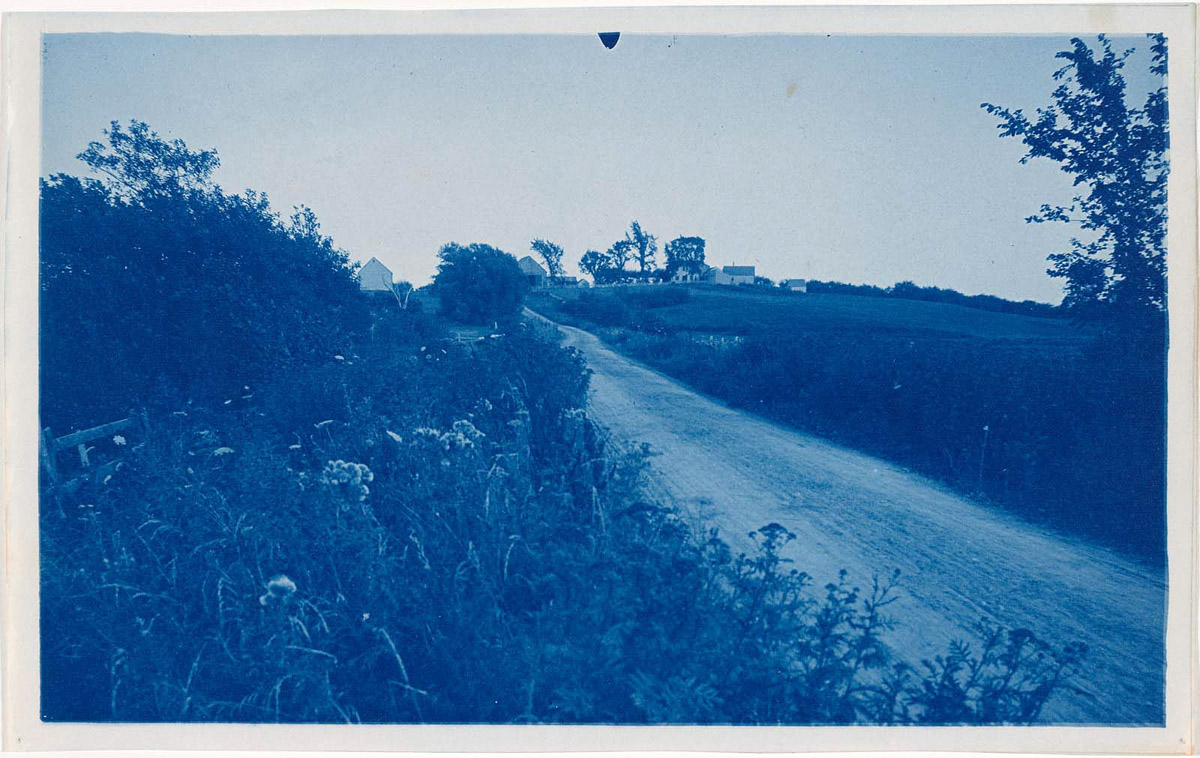
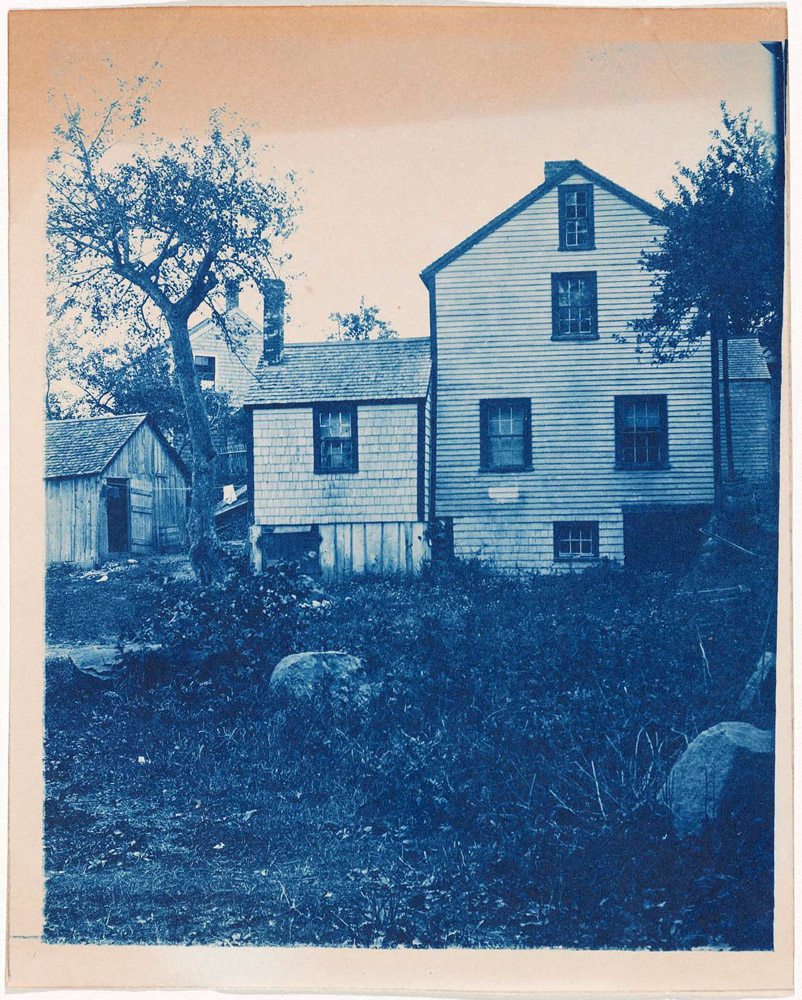
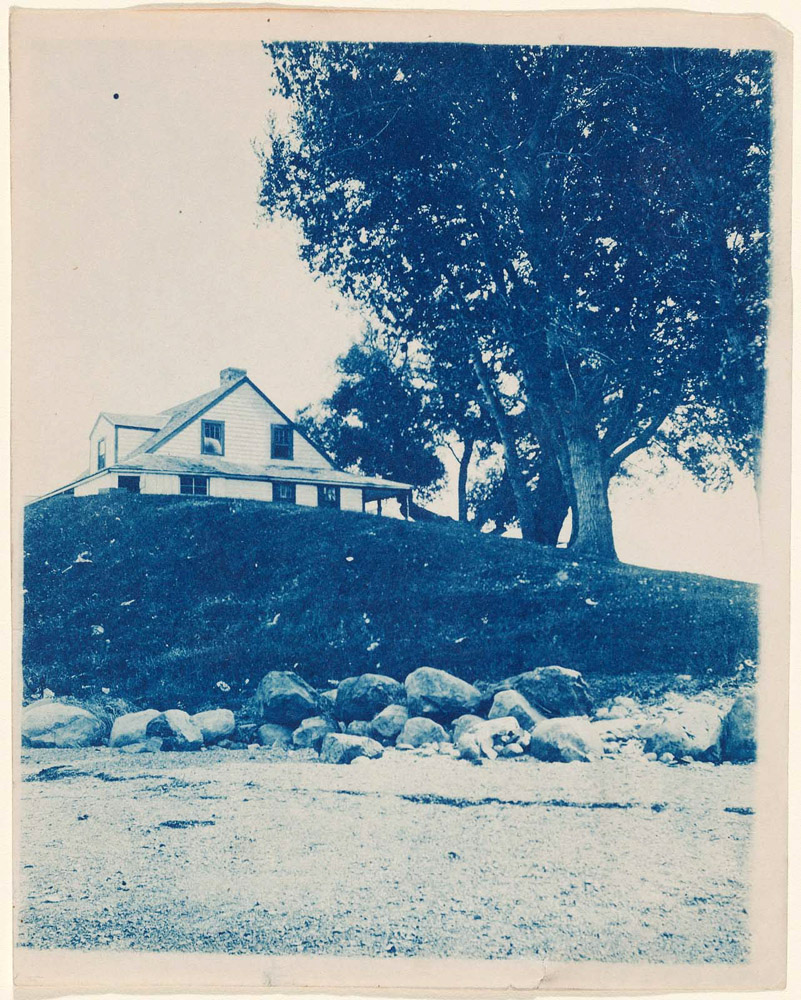
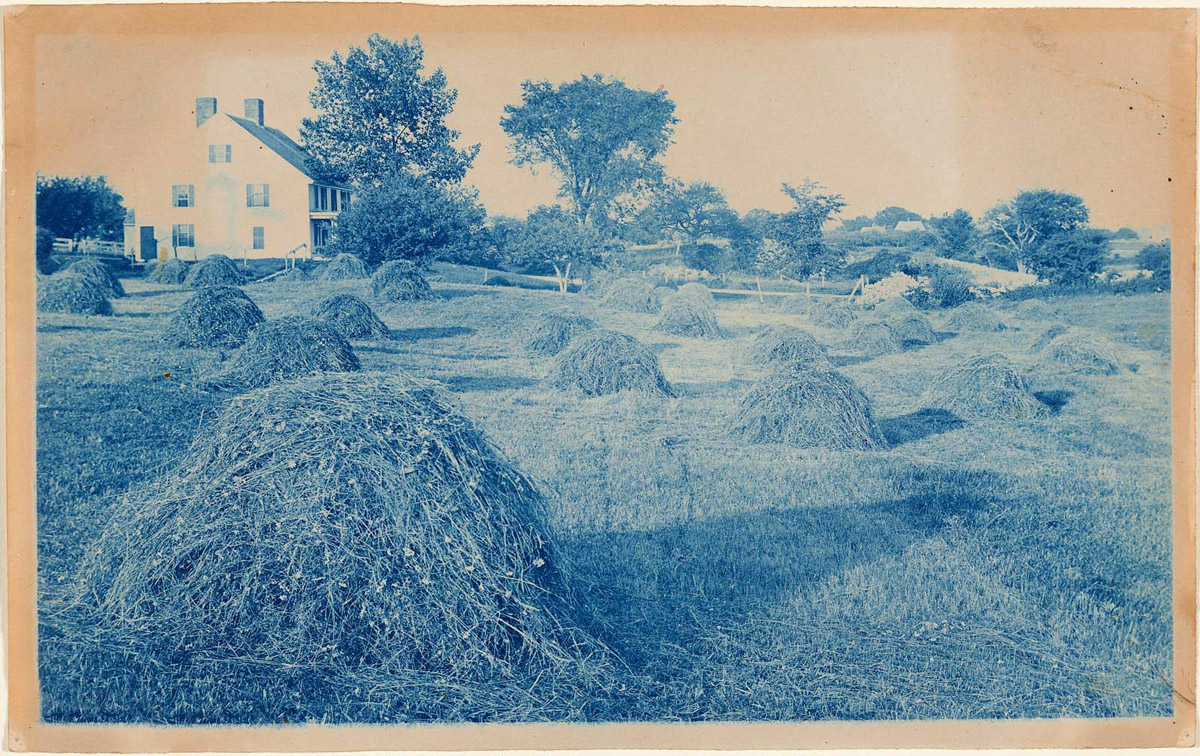
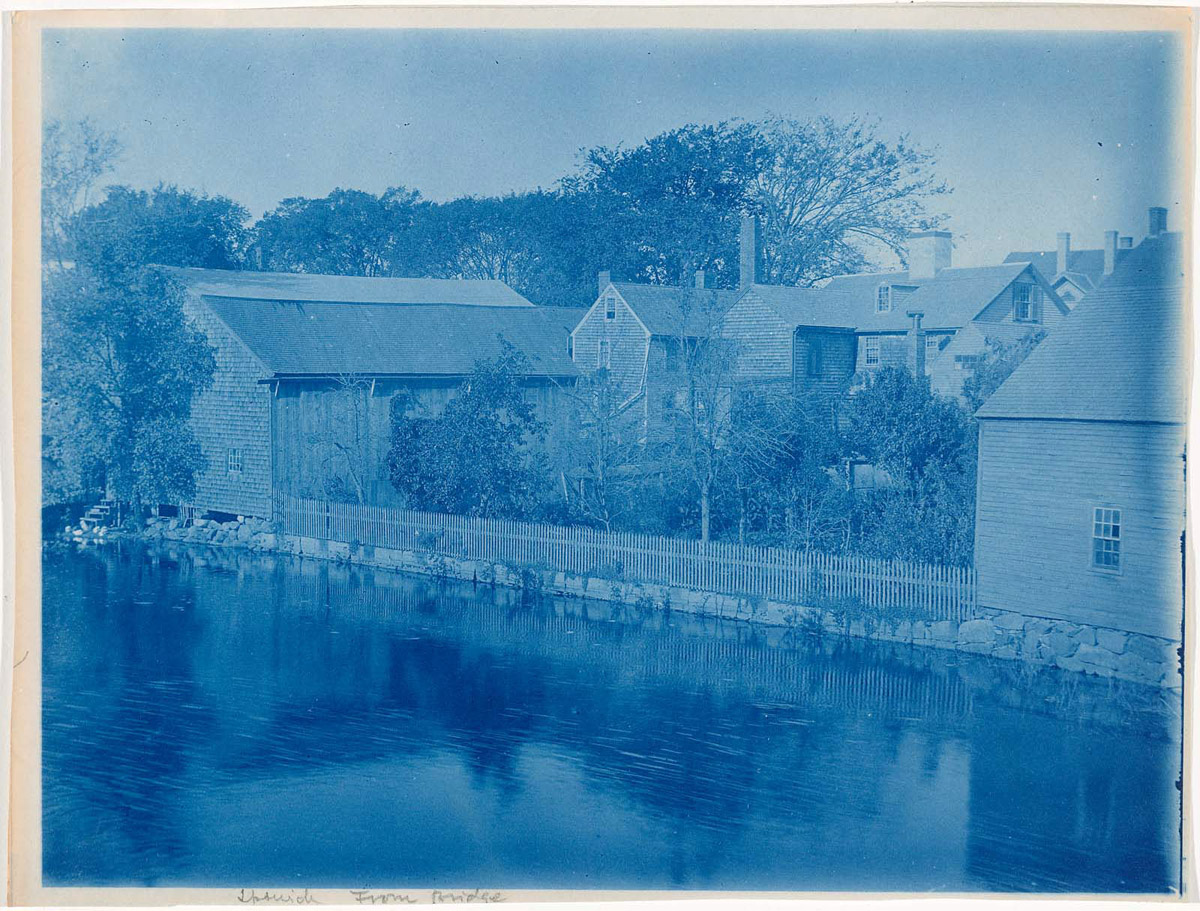
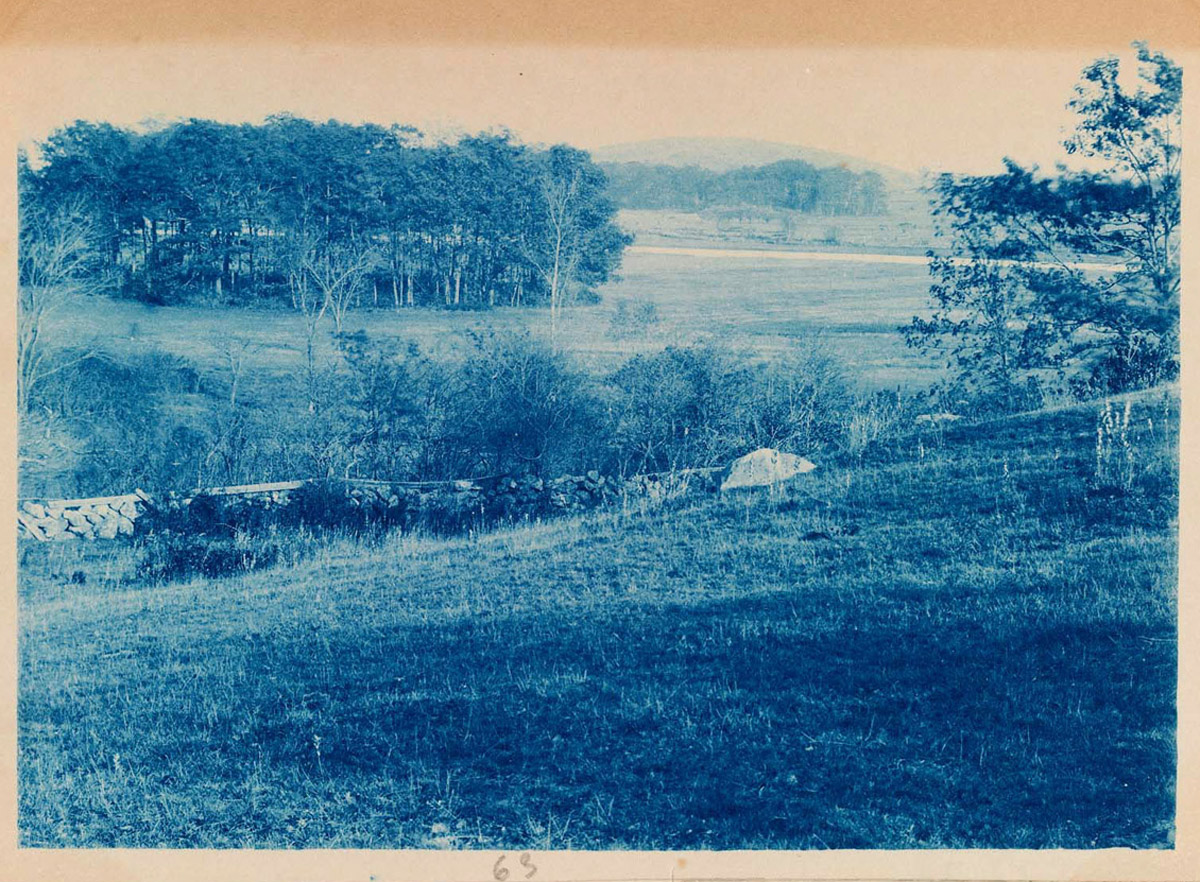
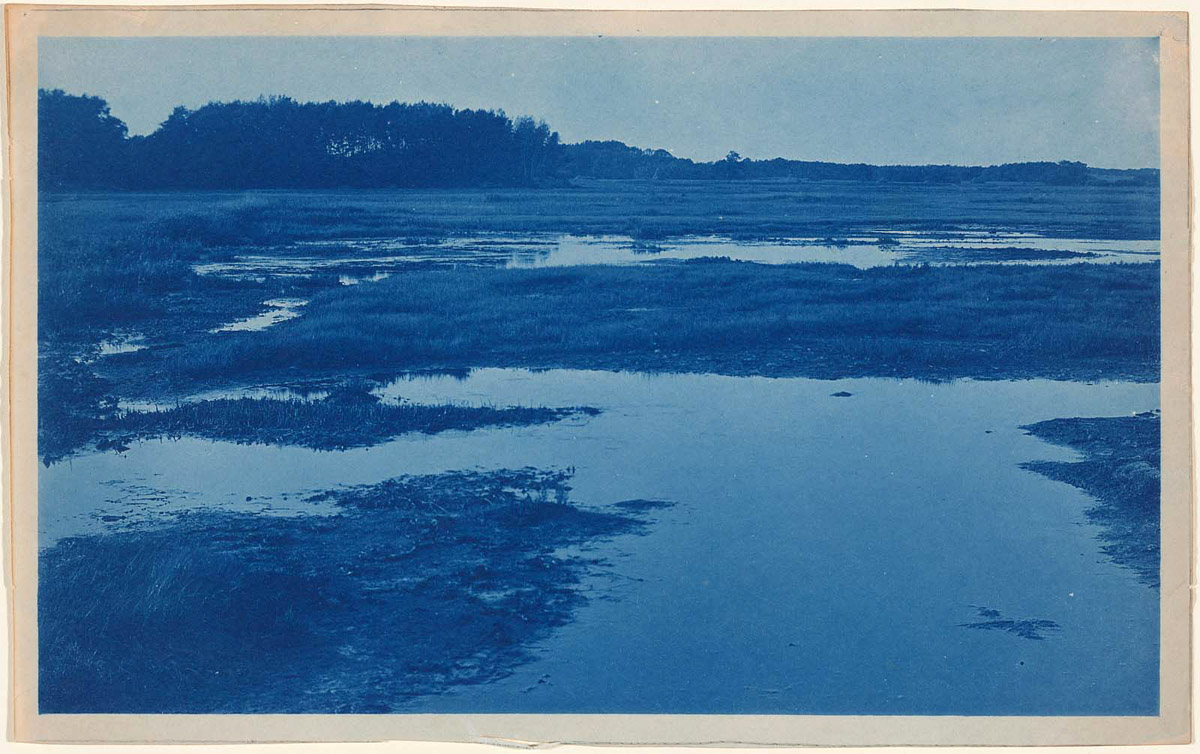
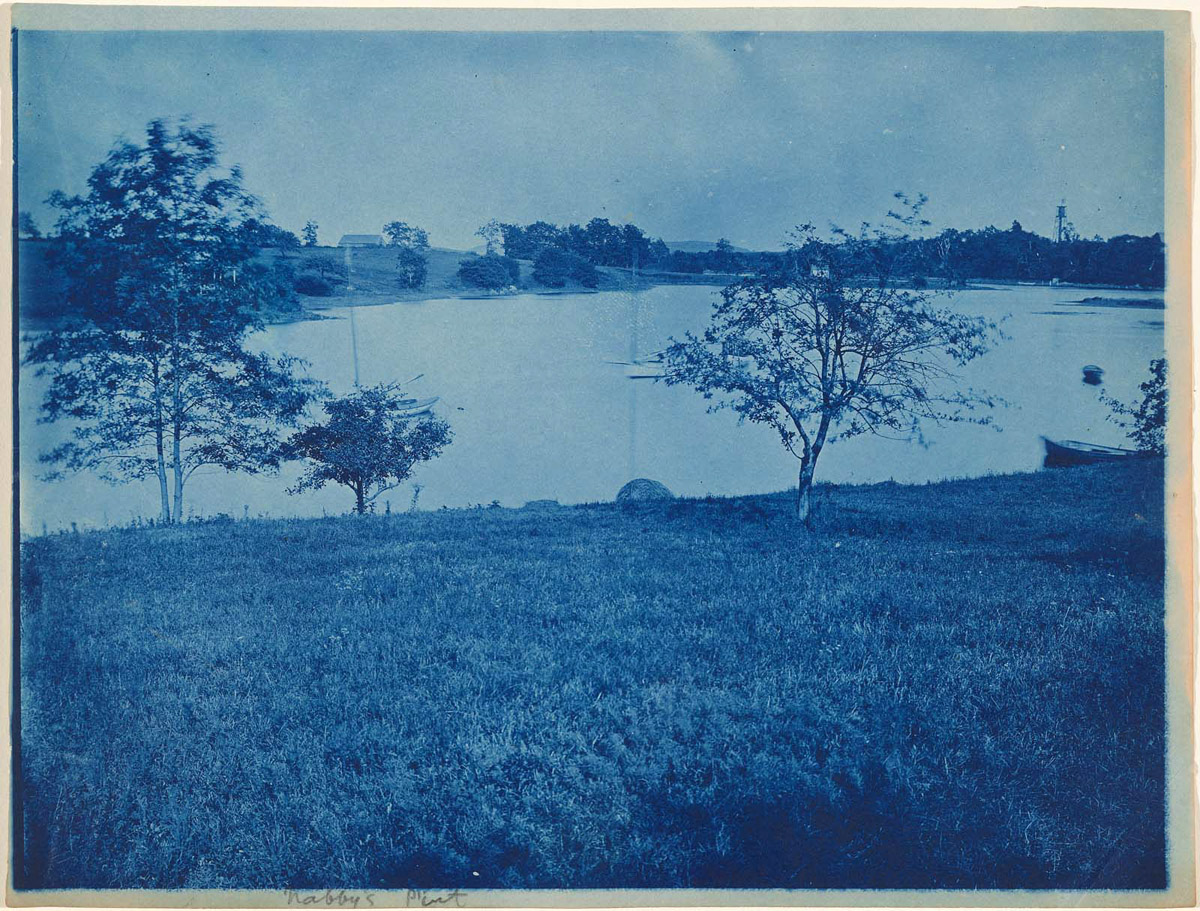
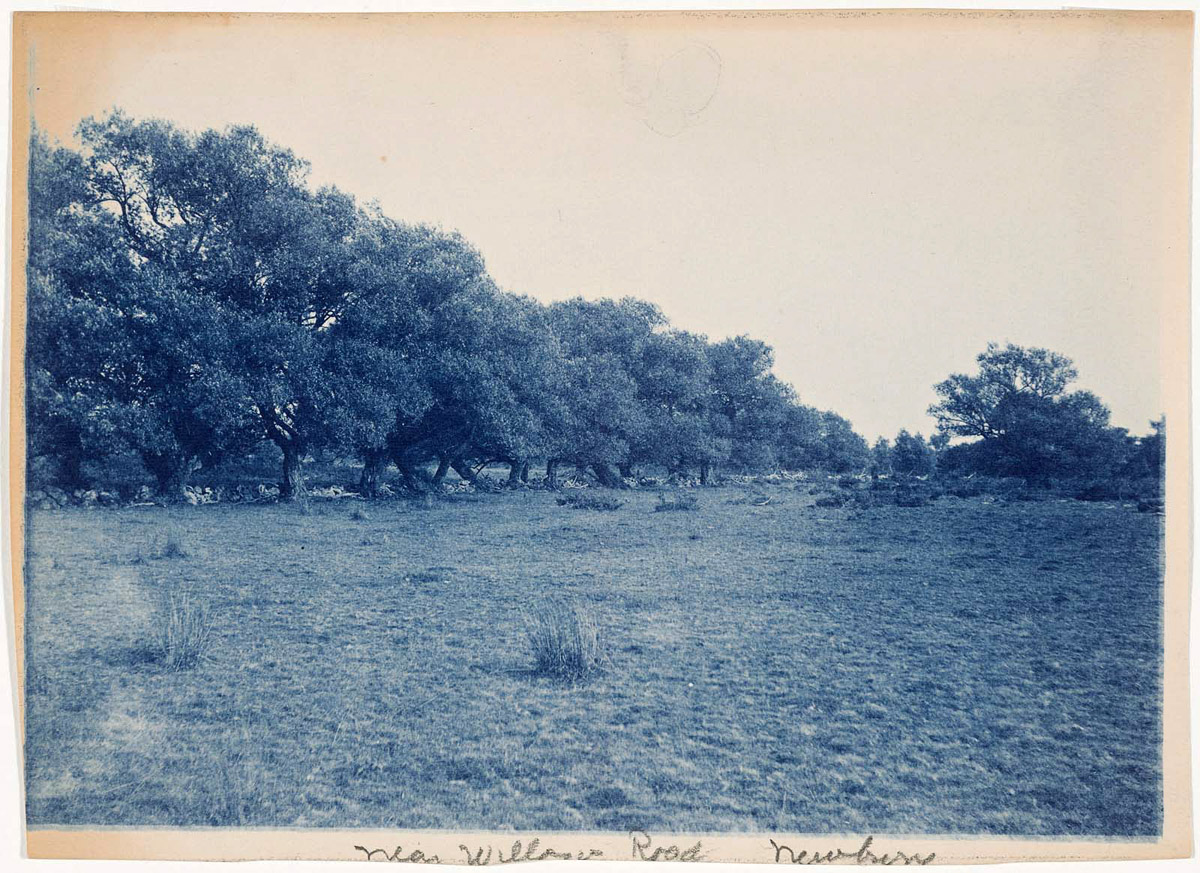
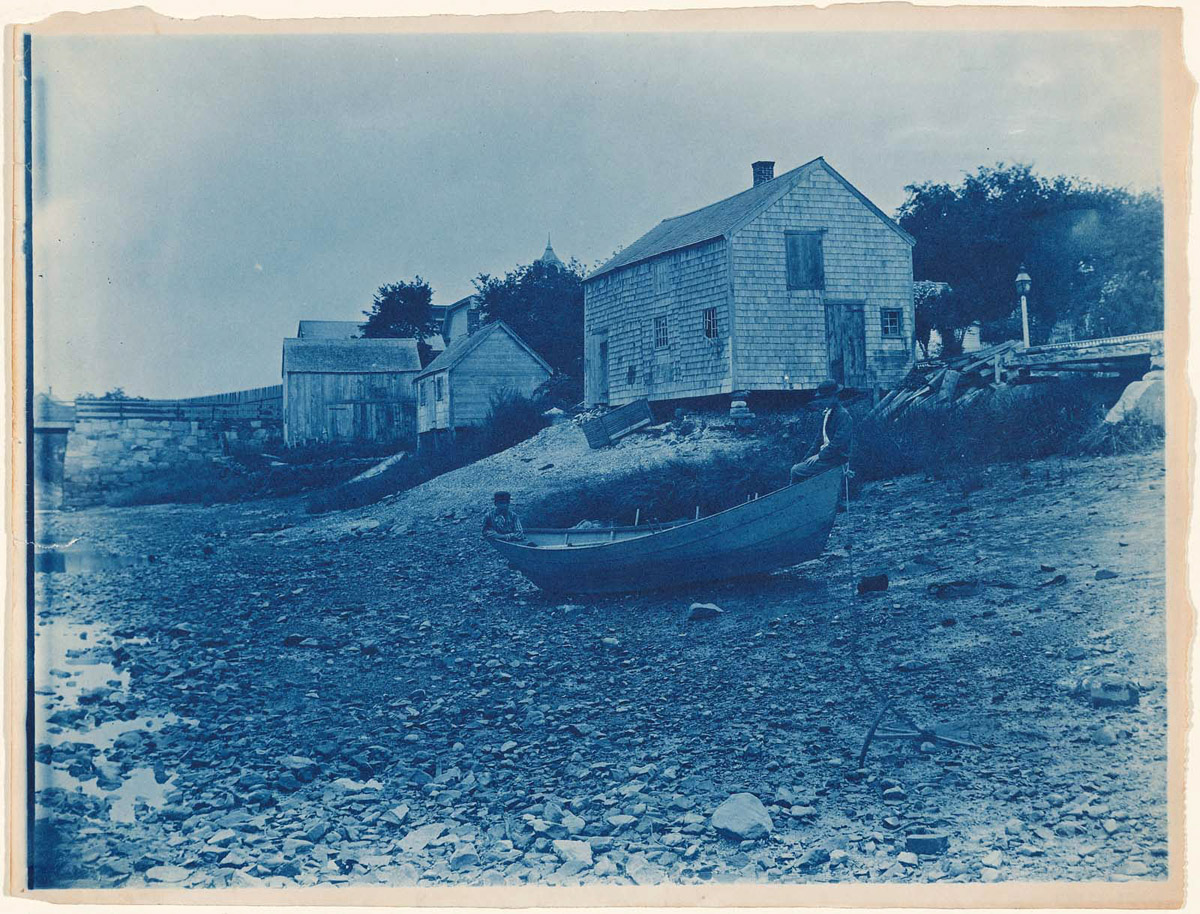
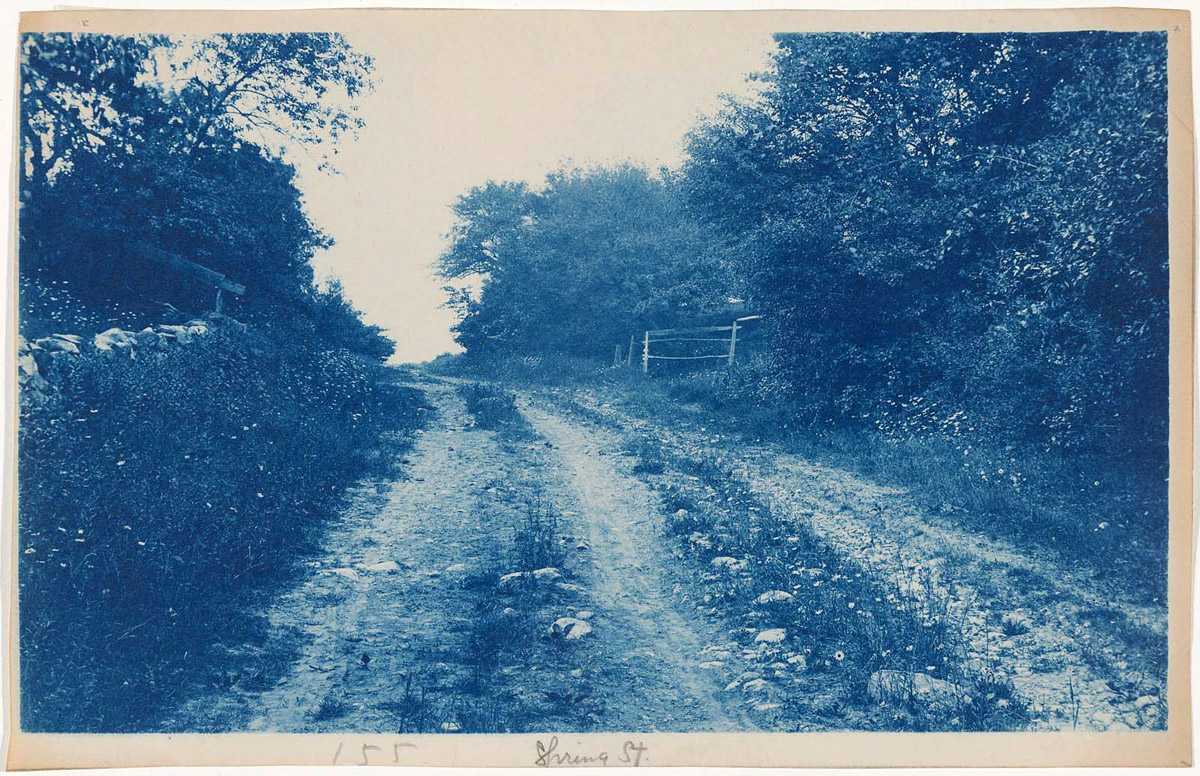
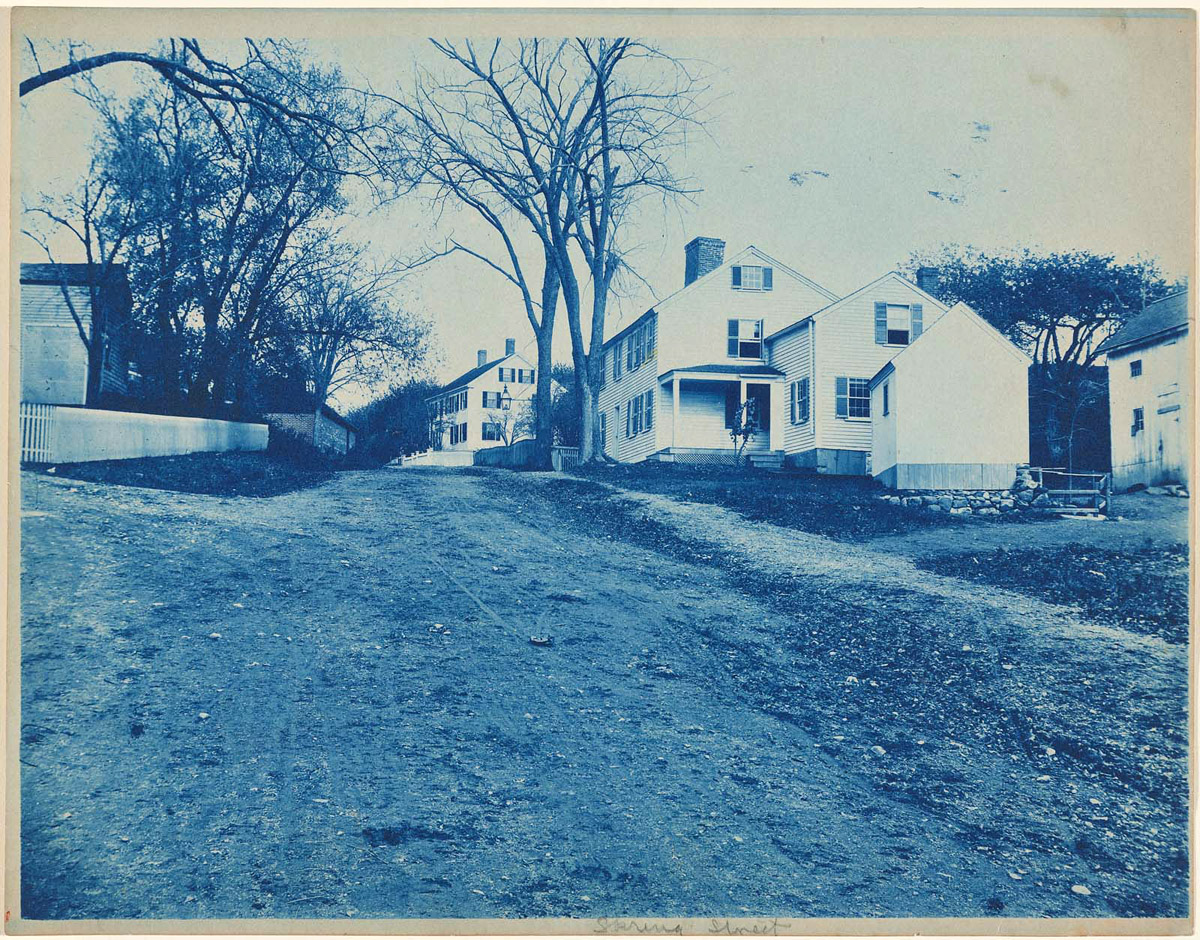
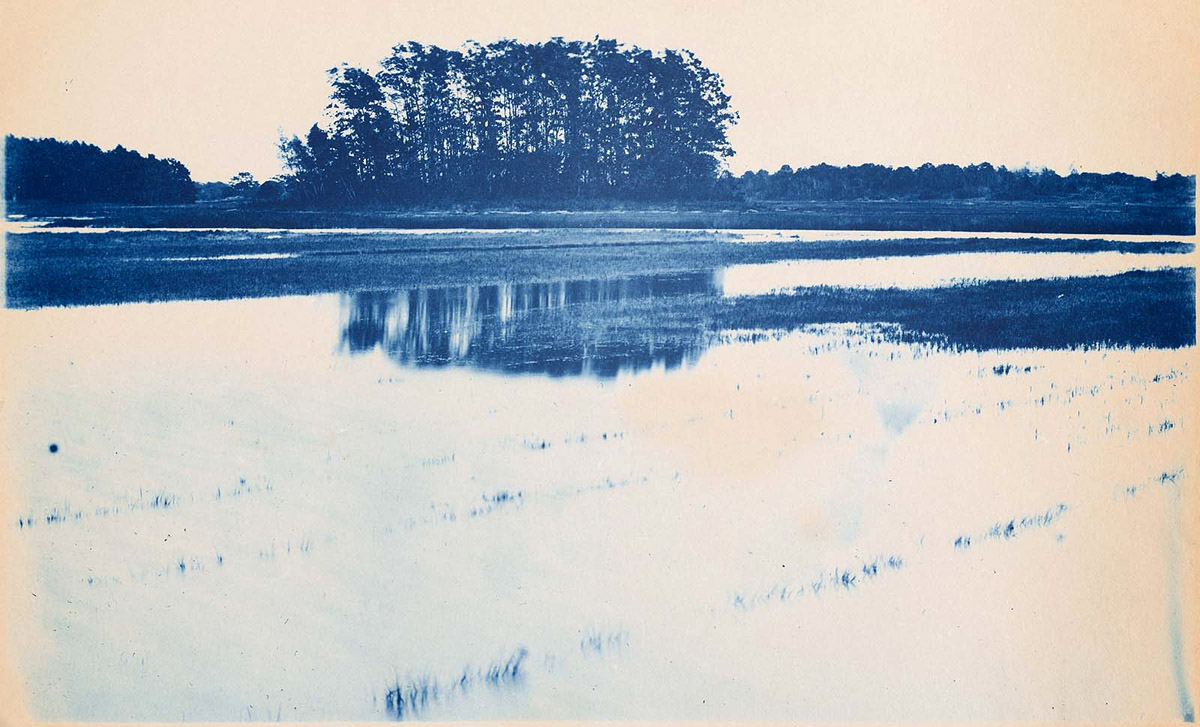
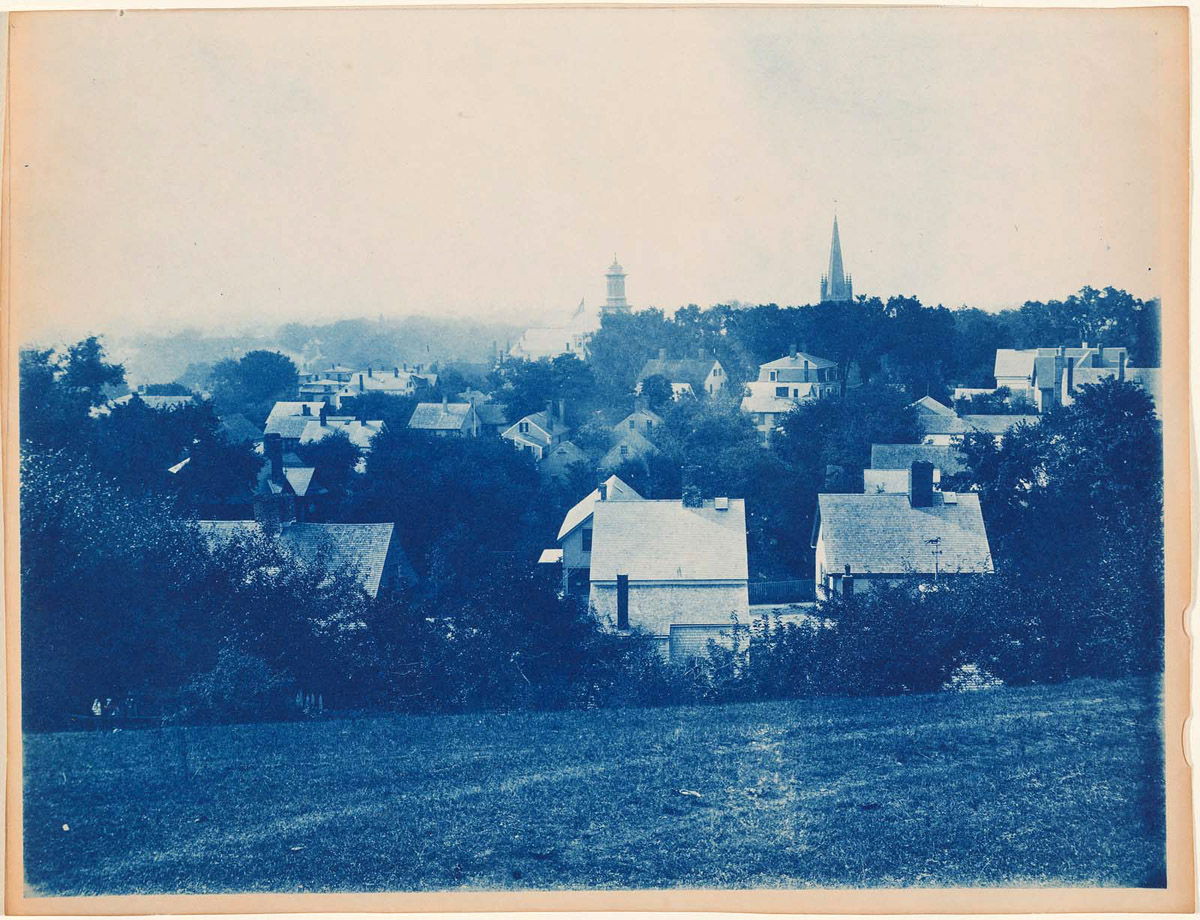
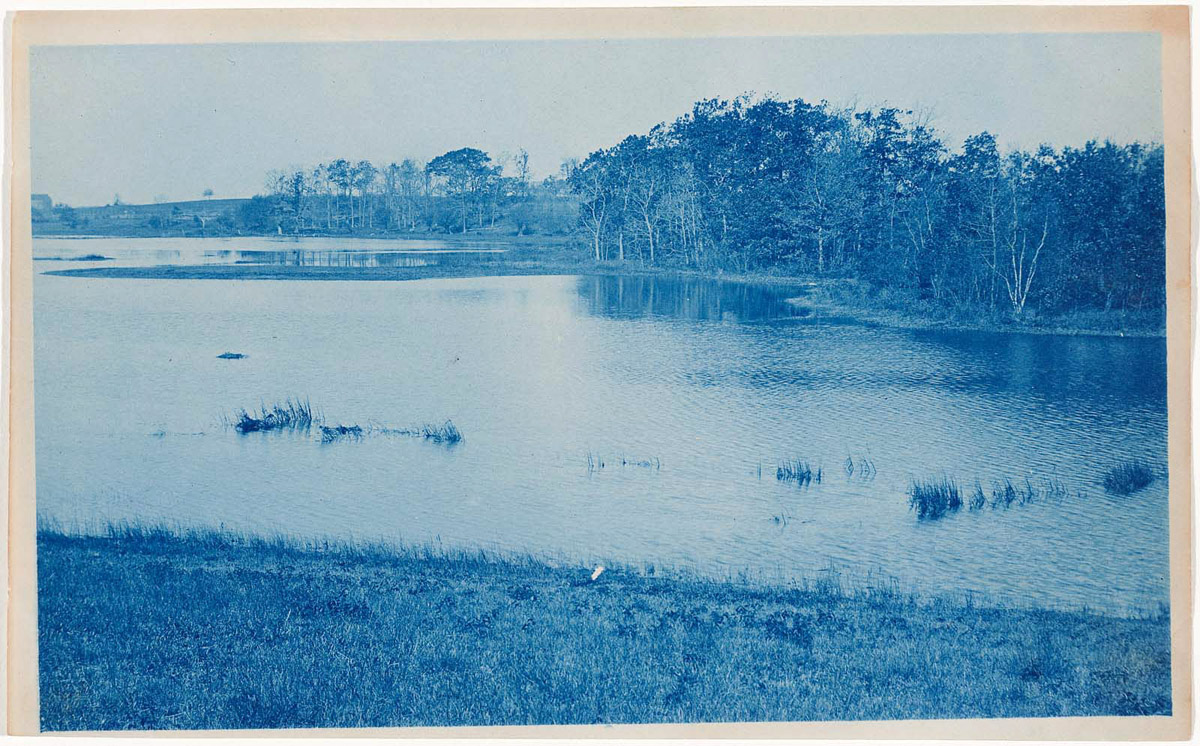
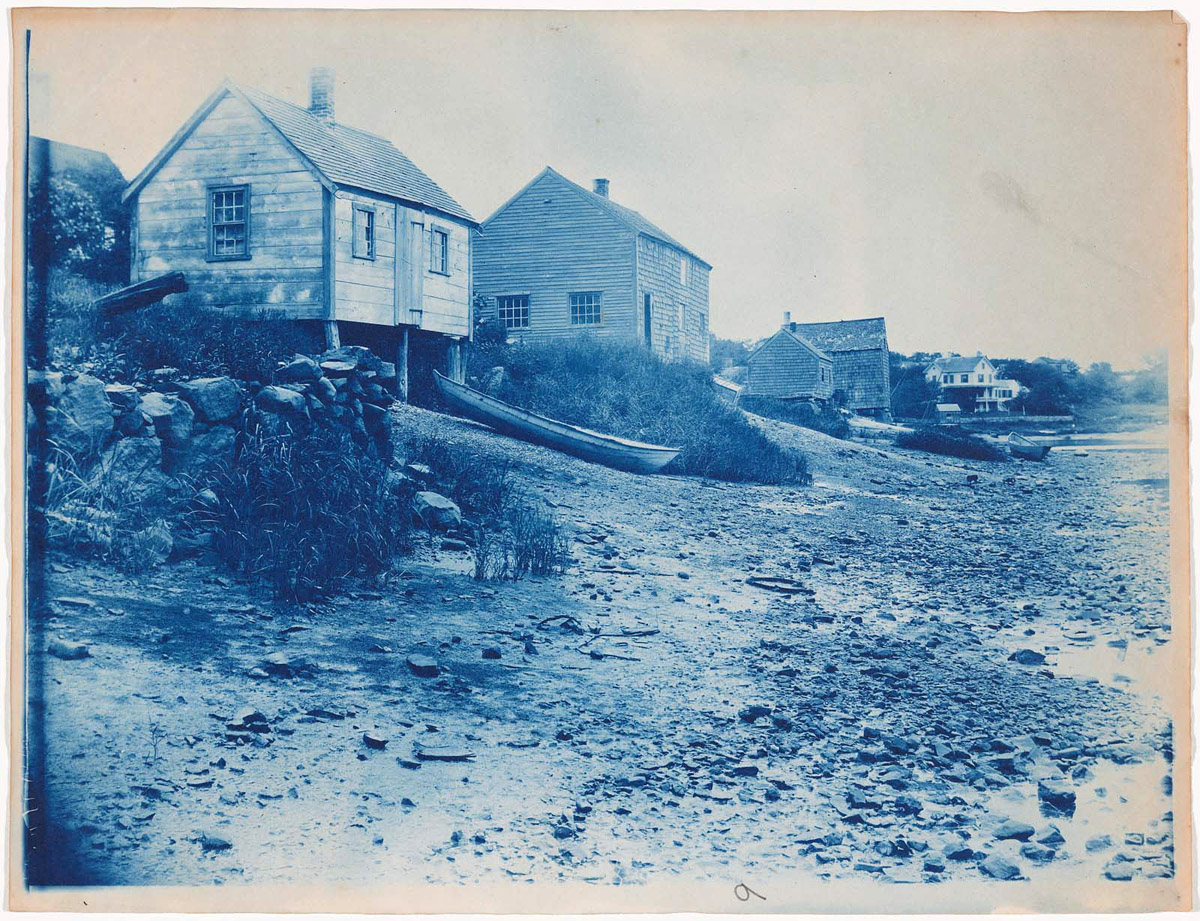
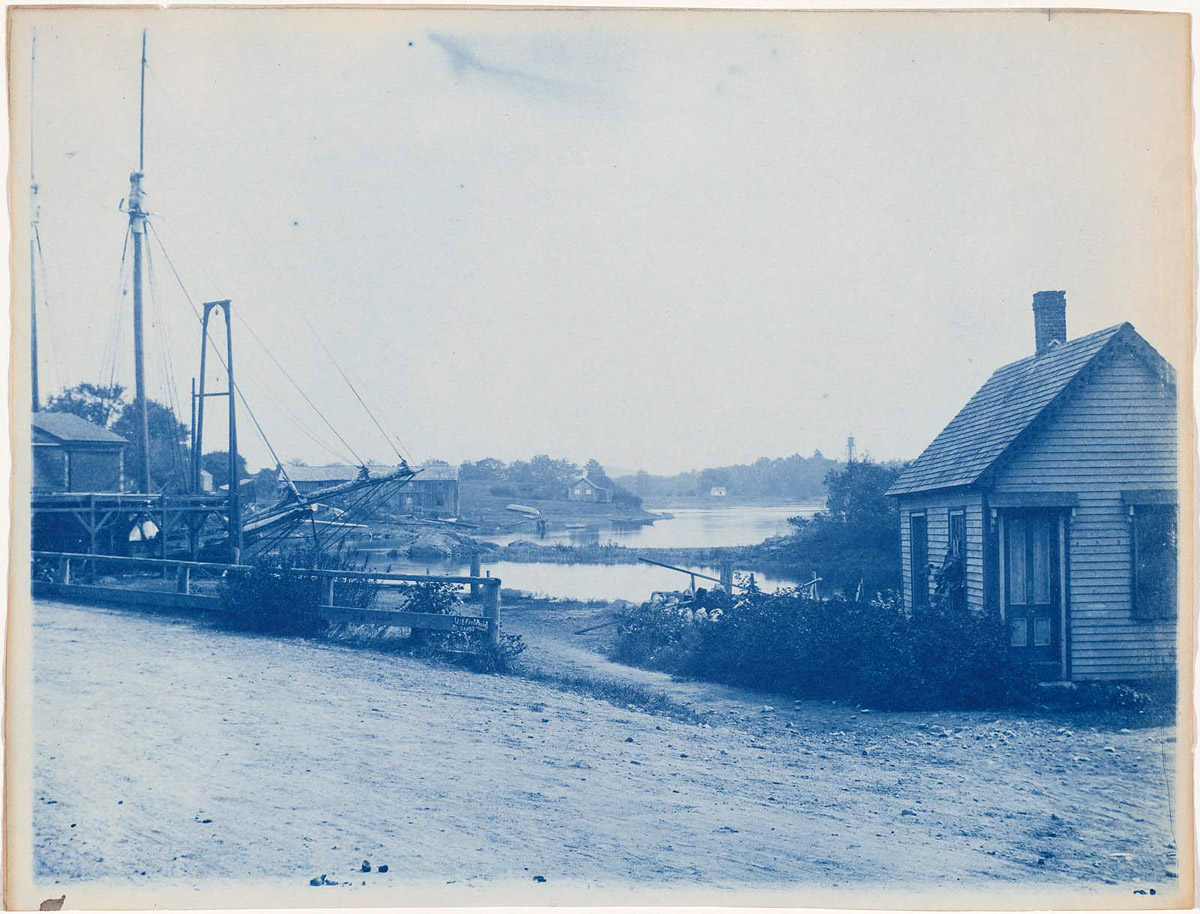
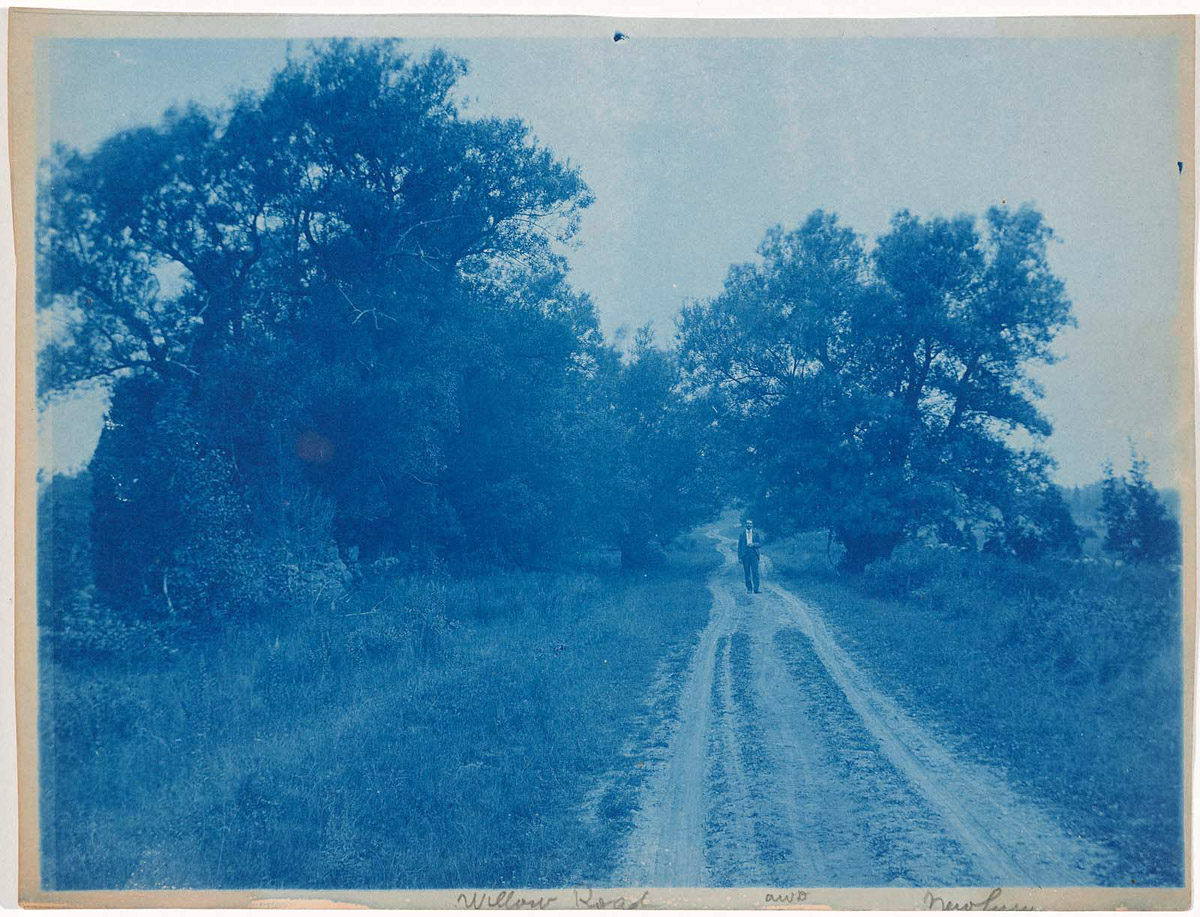
Cyanotypes of Ipswich by Arthur Wesley Dow
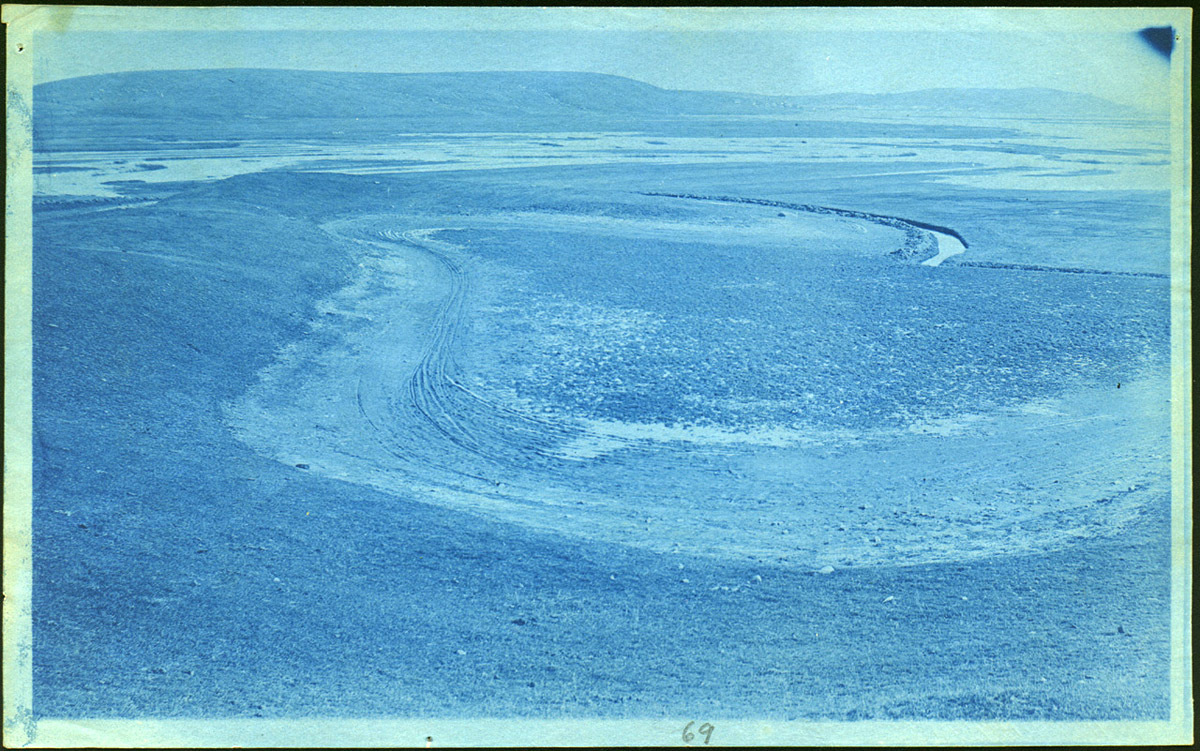
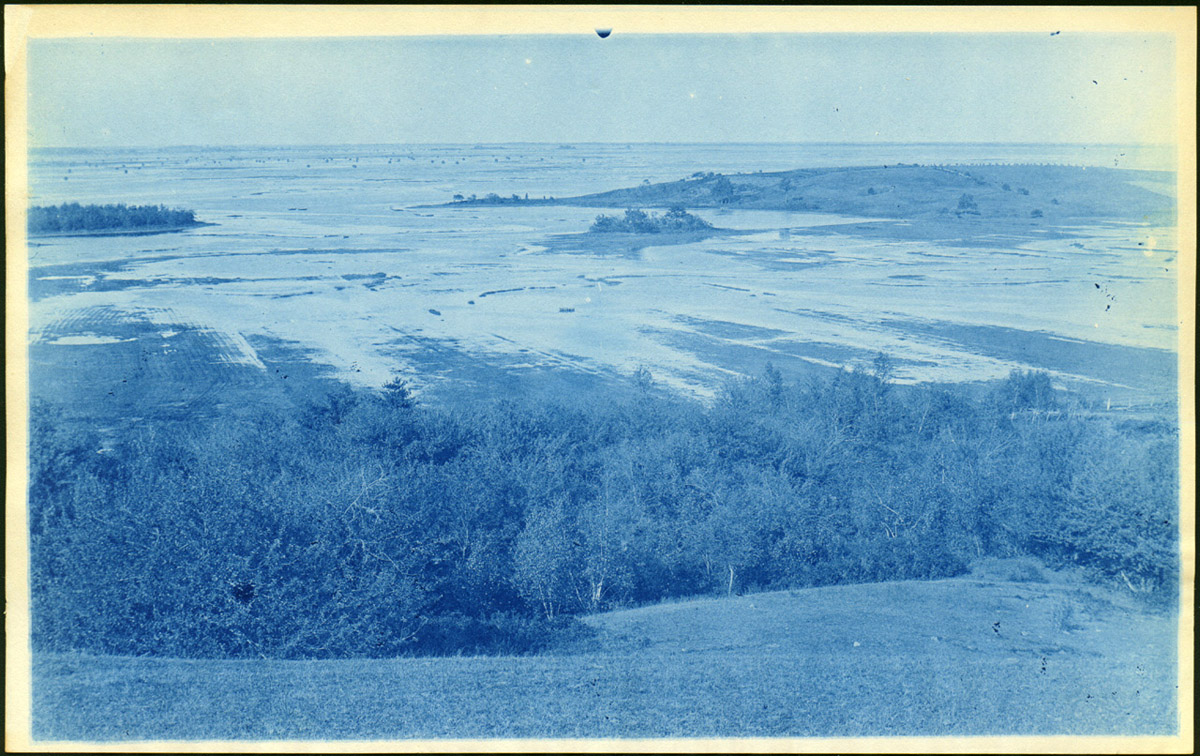
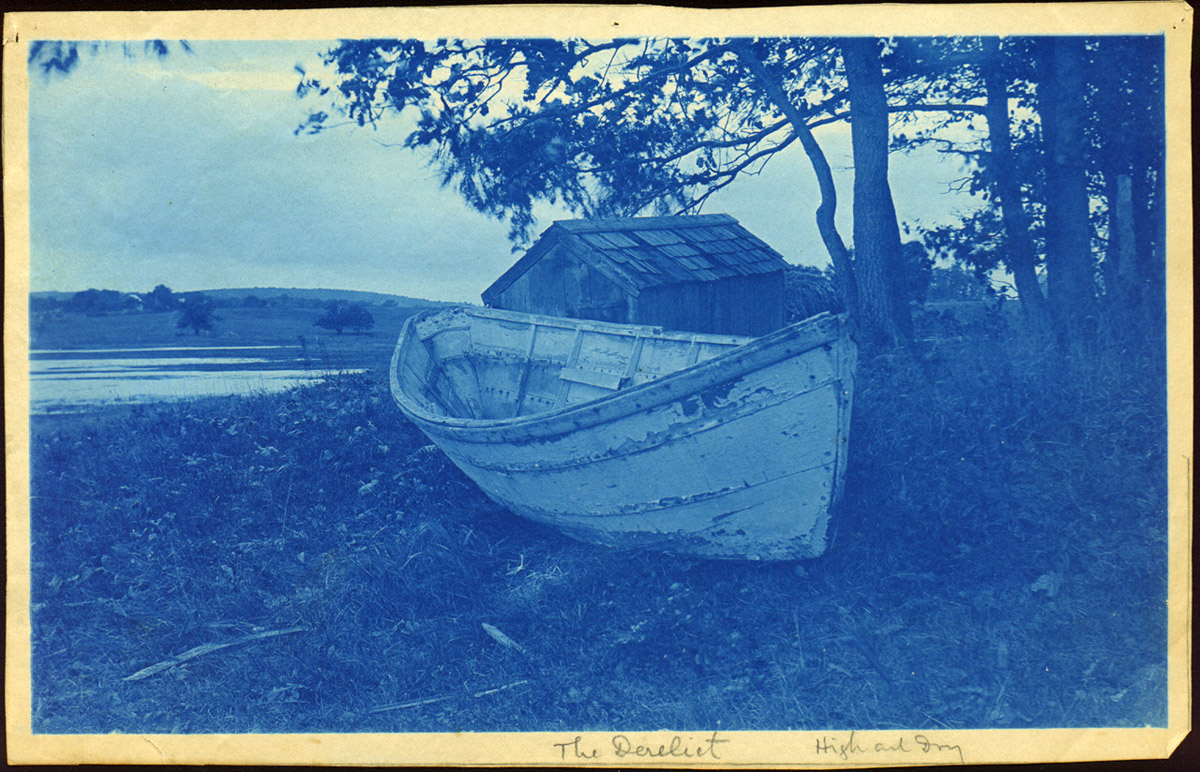
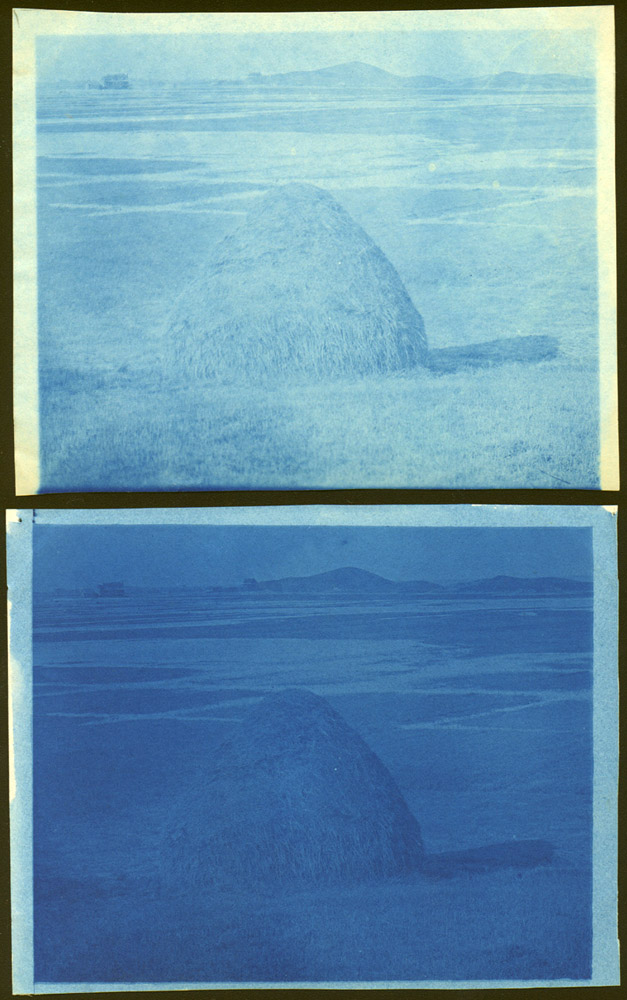
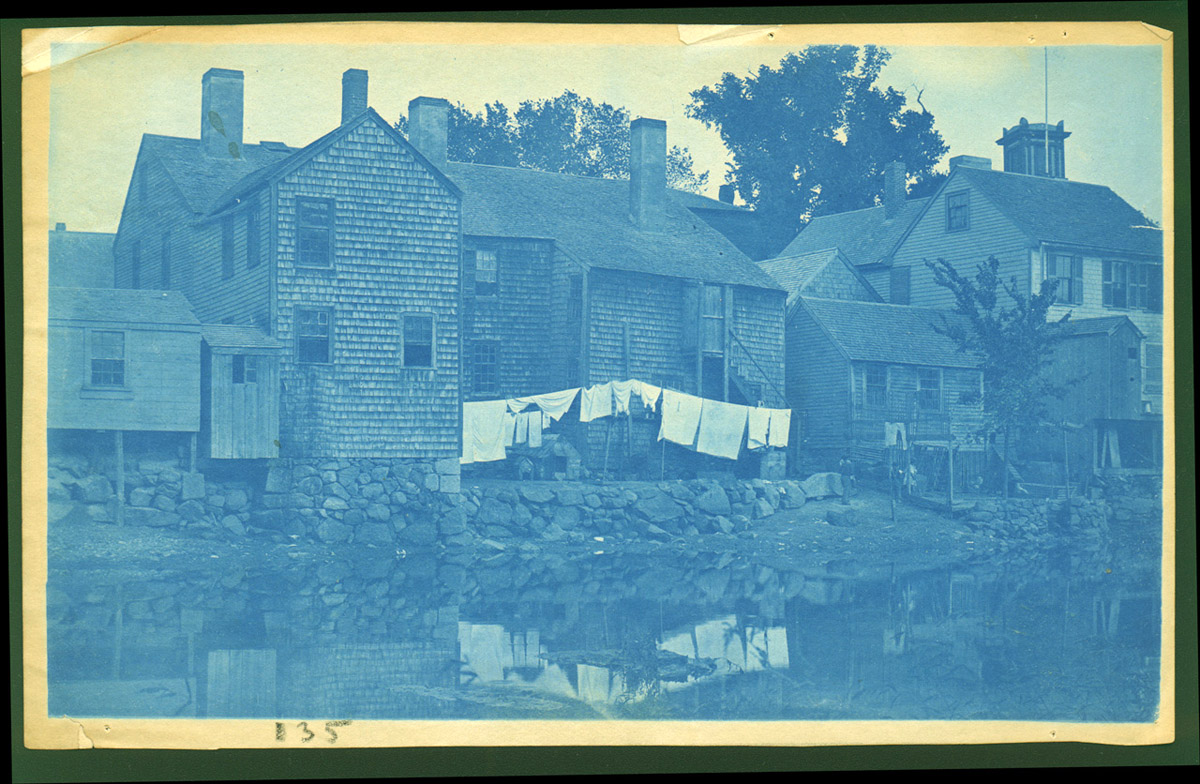
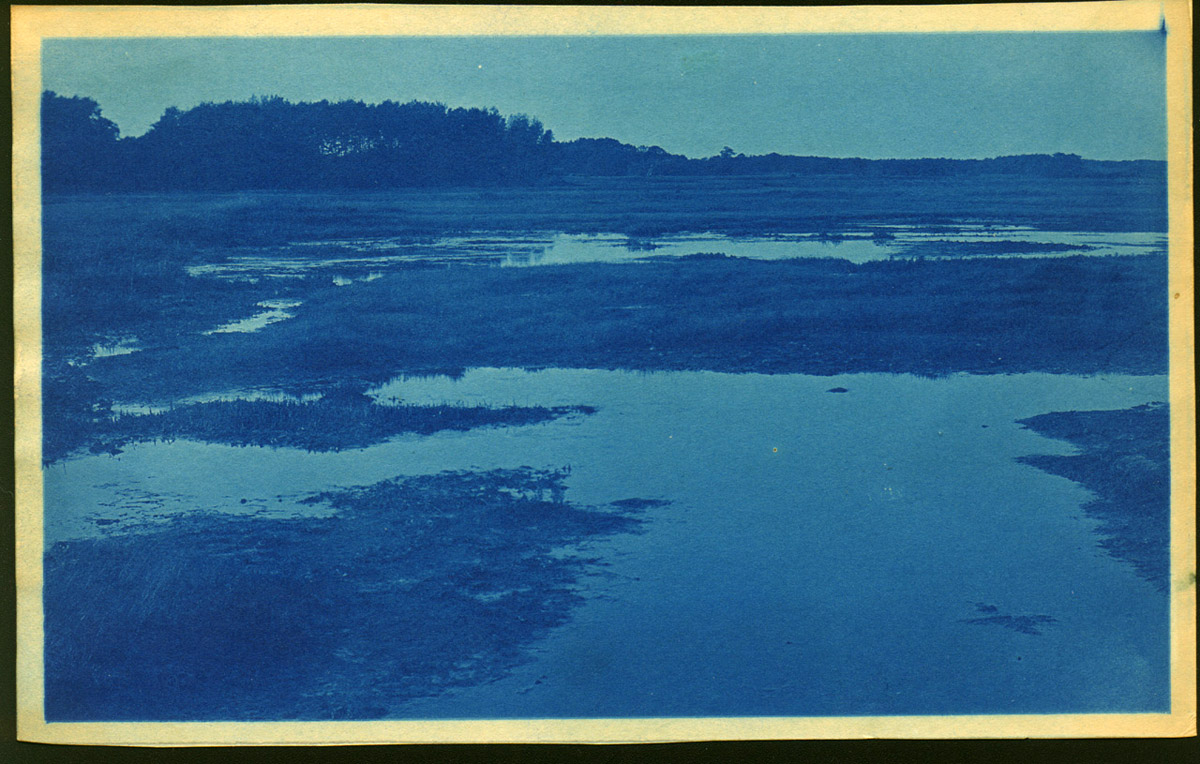
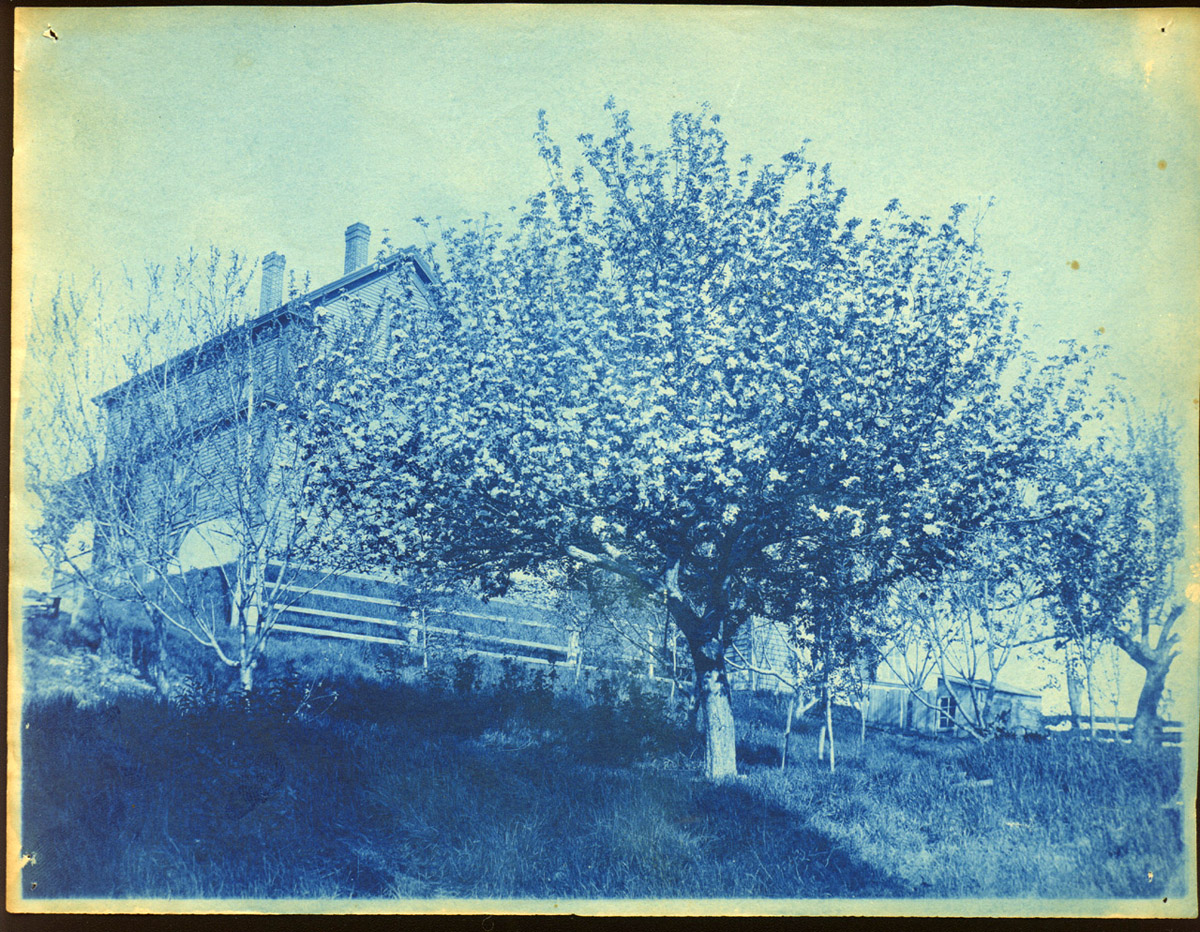
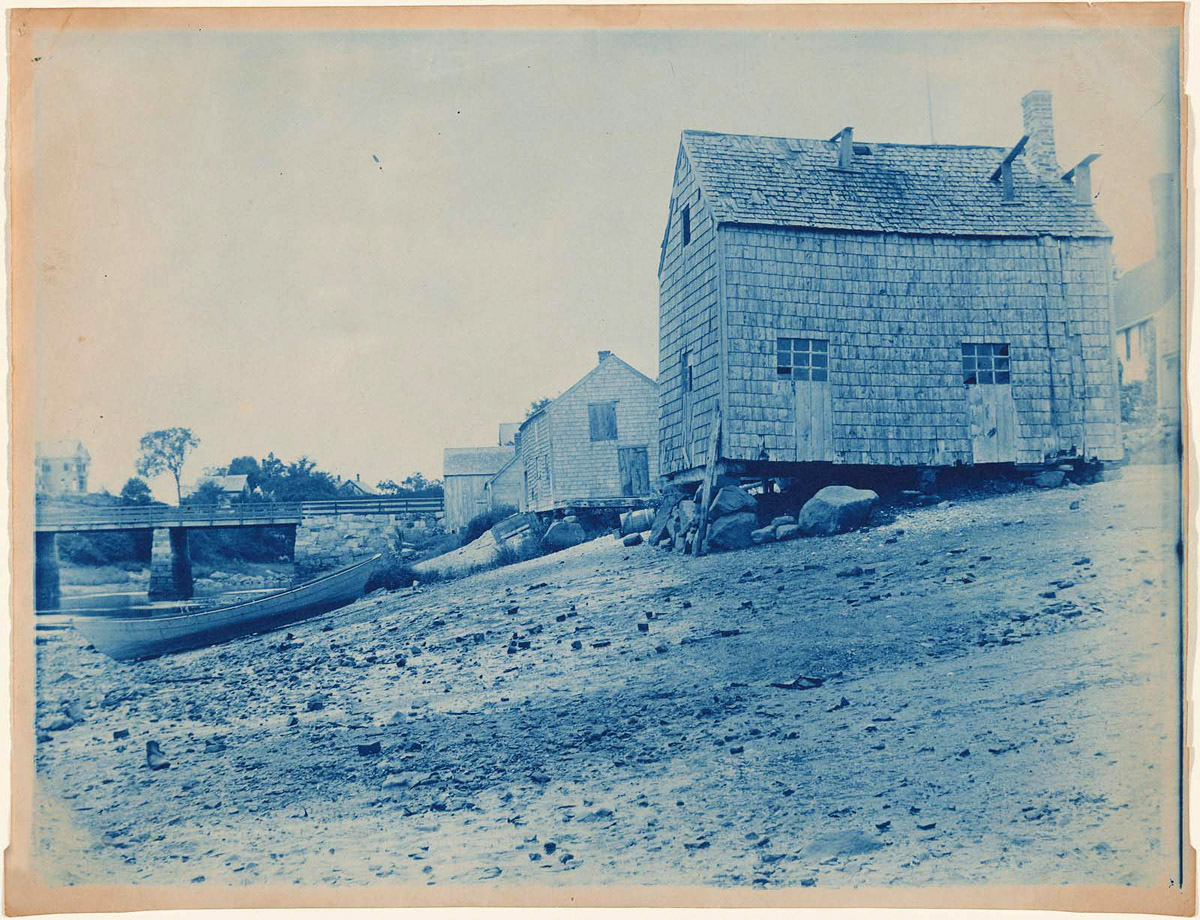
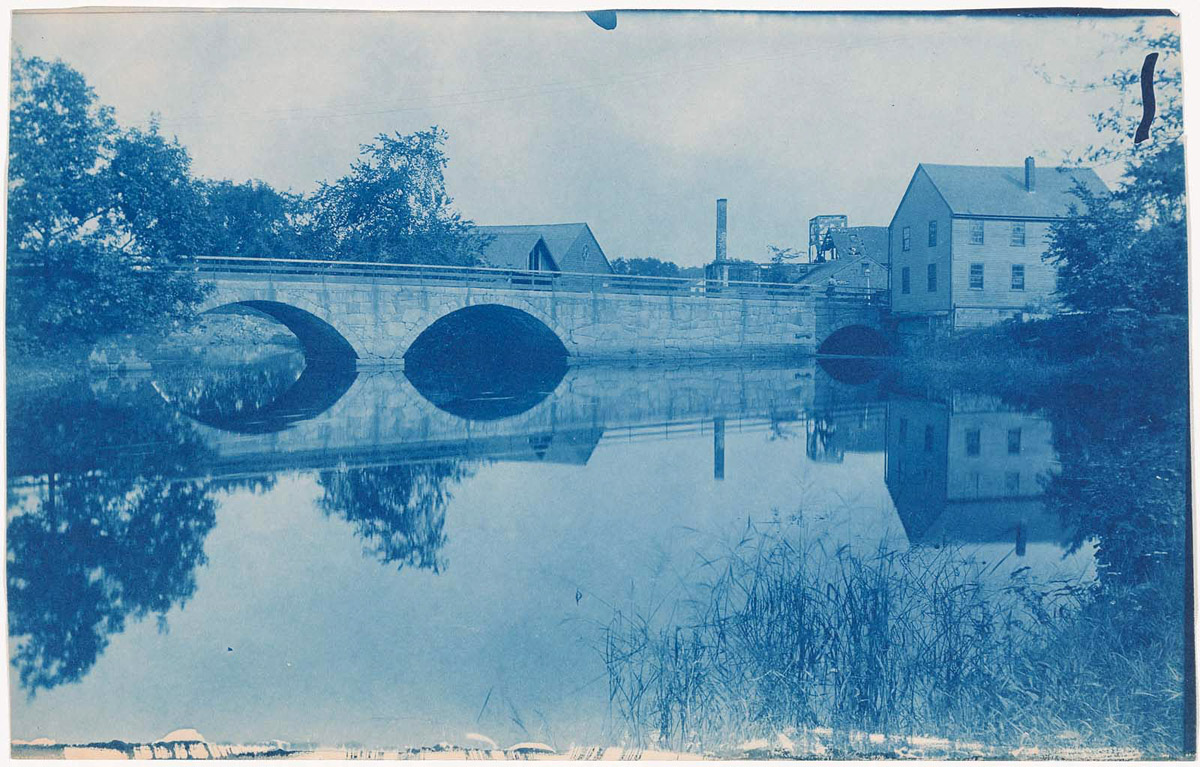
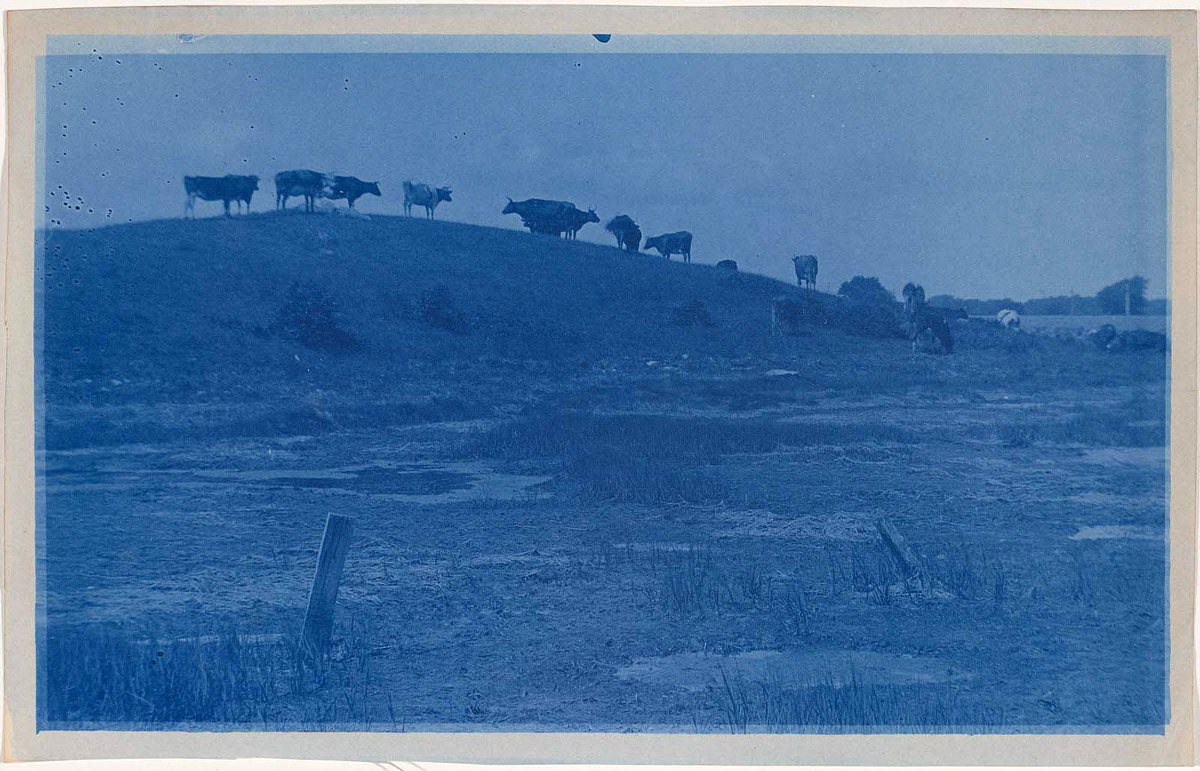
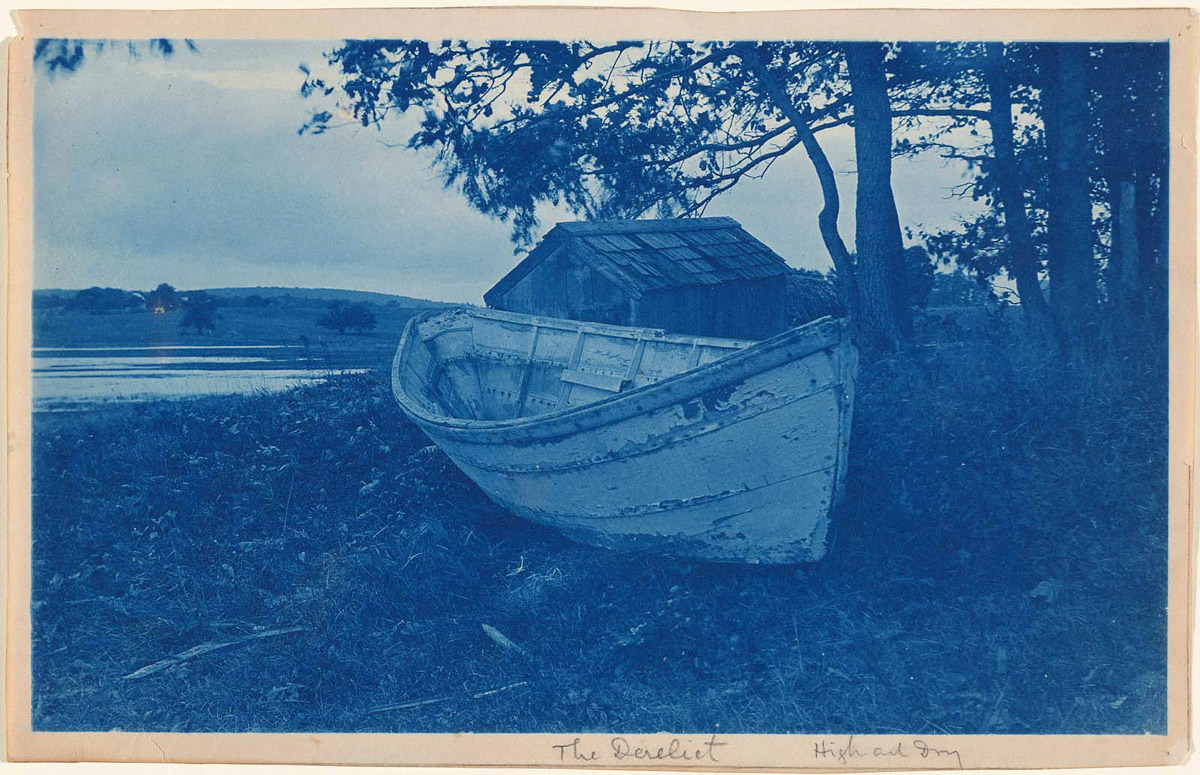
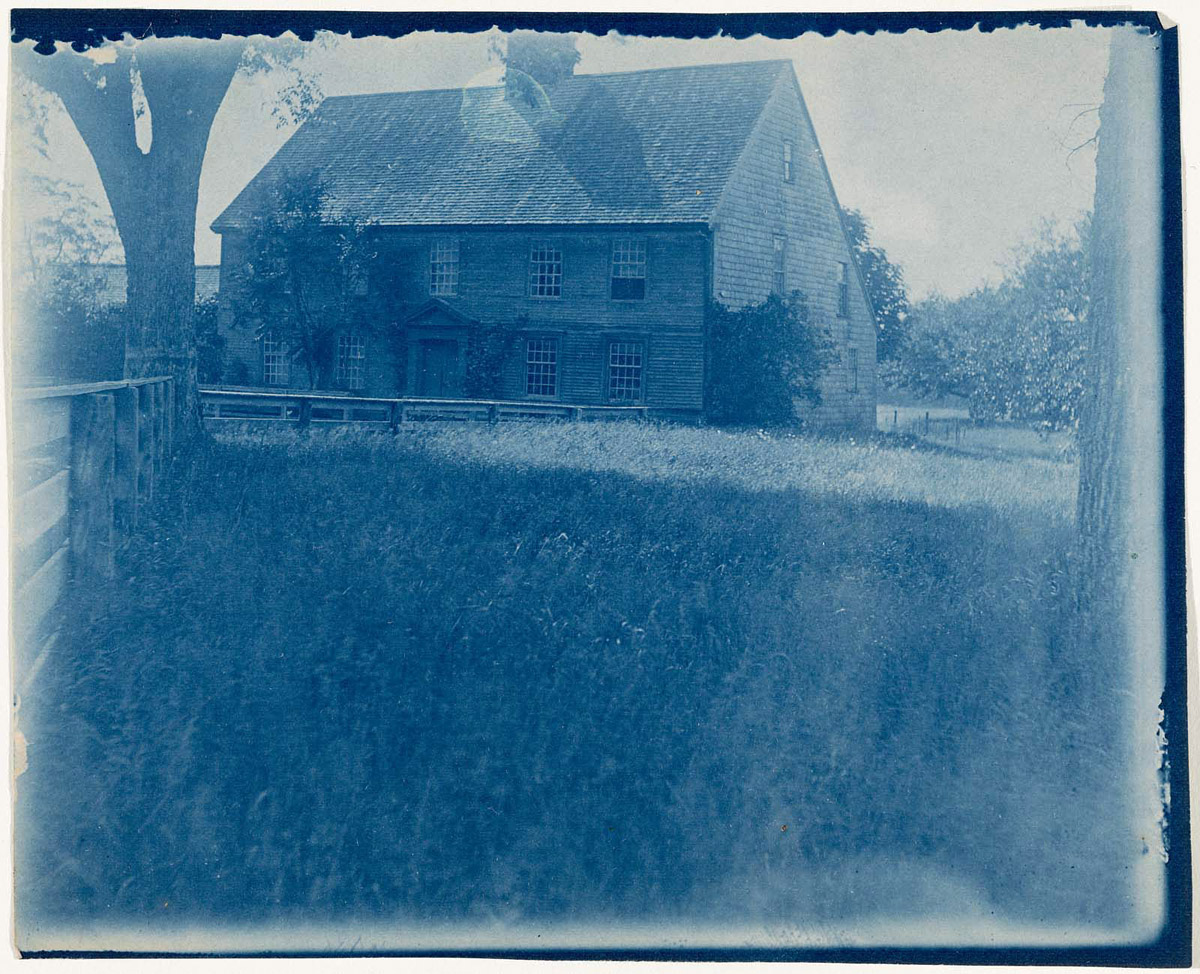
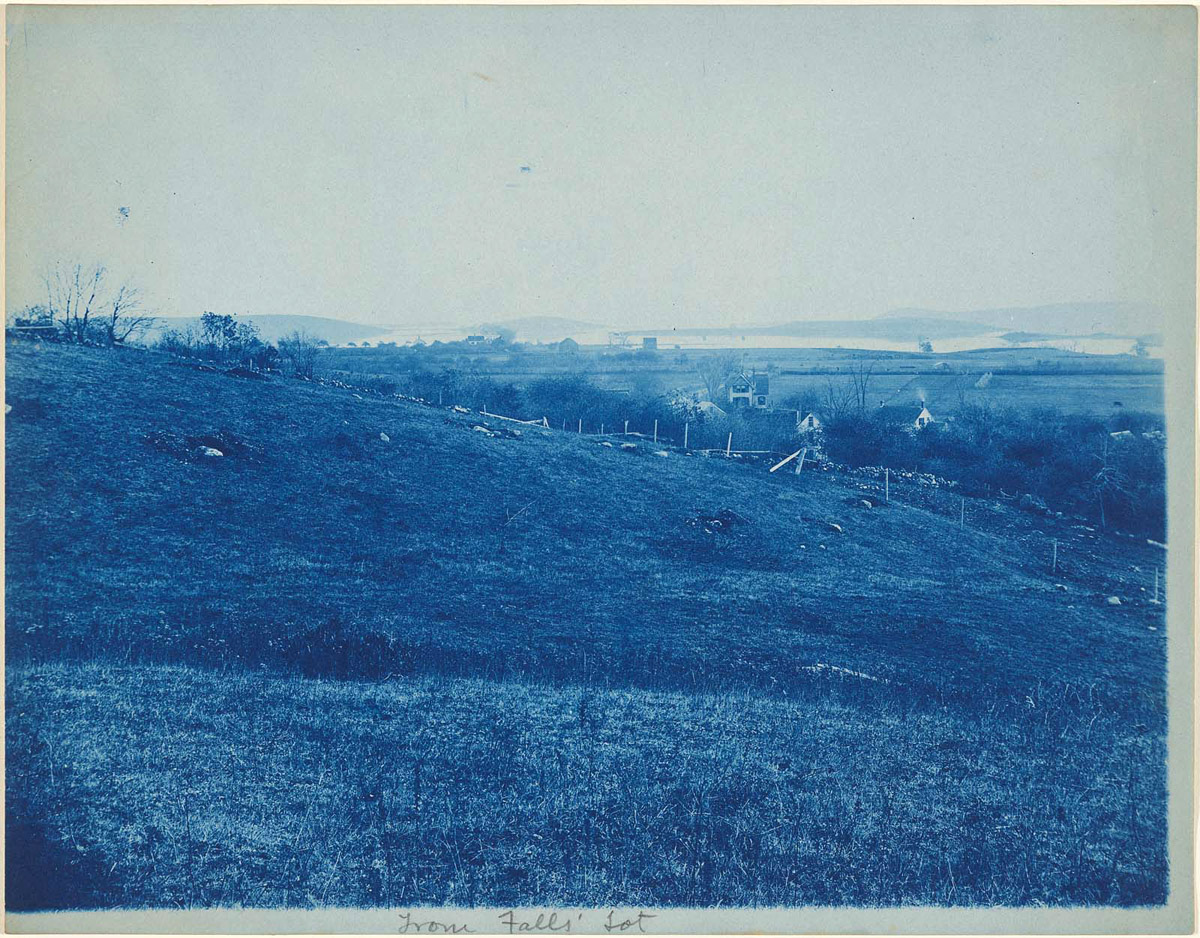
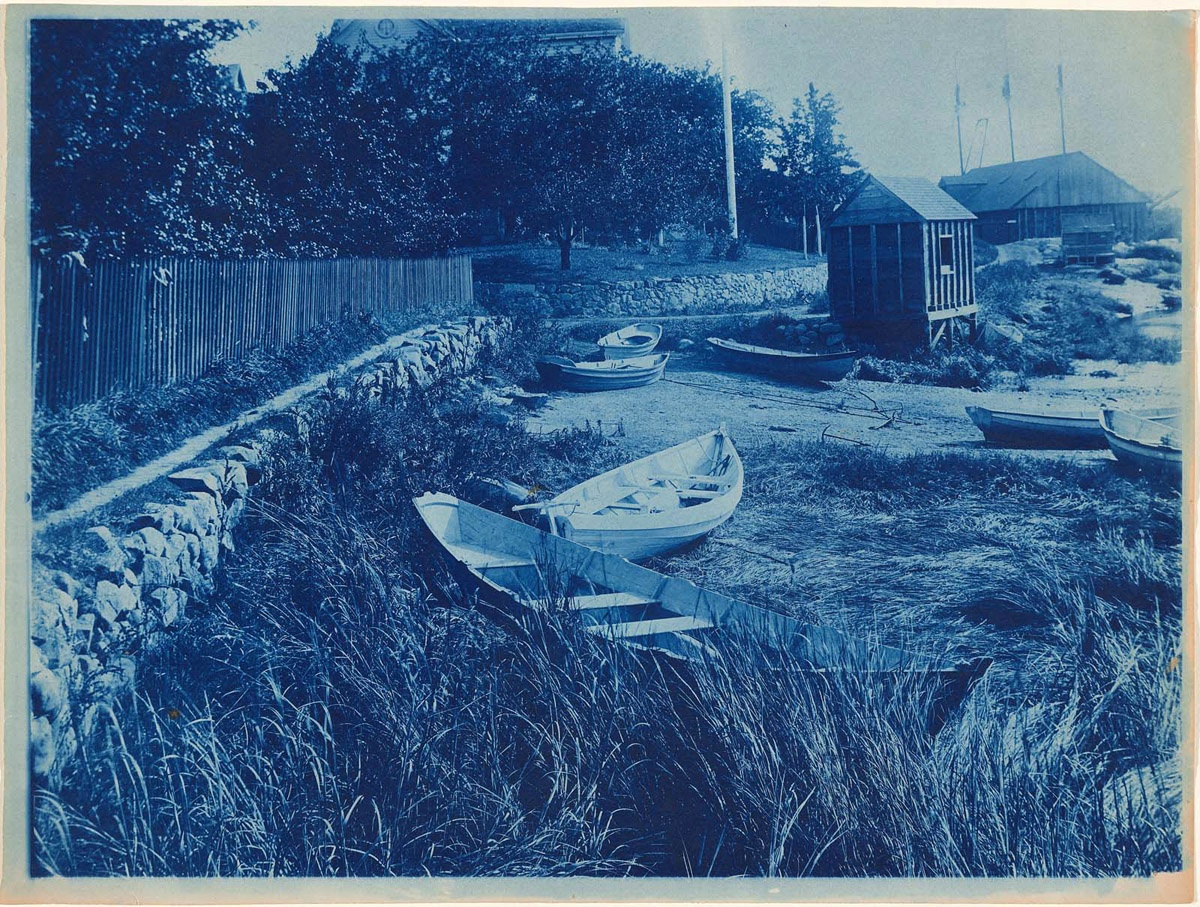
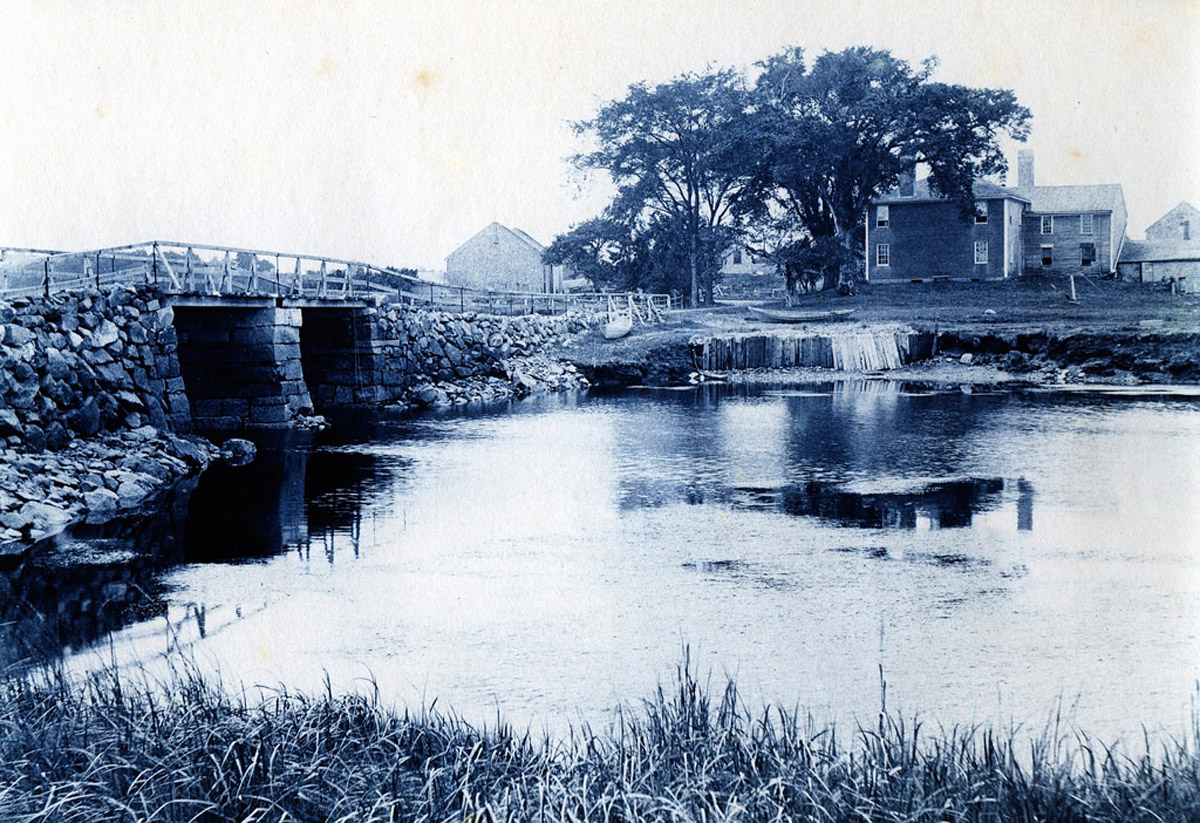
An extensive collection of cyanotypes was created by Arthur Wesley Dow from his own glass plate negatives and those of George Dexter, whose photos can be viewed on this site. The cyanotype images below were provided by David Thayer, who made the digital copies in 1995-96 with permission of the owner, Anne Parker Wigglesworth. After Anne’s death, her children Philio and Henry donated the photographs to the Museum of Fine Arts in Boston, which can be viewed on the MFA site at Archival Replicas: Nineteenth-Century Cyanotypes.















































Ink prints and paintings
Photos below are from the following sources:
- Amazon.com
- Composition: Understanding Line, Notan and Color
- Harmony of Reflected Light: The Photographs of Arthur Wesley Dow
- Ipswich Days: Arthur Wesley Dow and His Hometown (Addison Gallery of American Art)
- Arthur Wesley Dow (1857-1922)
- Along Ipswich River: The color woodcuts of Arthur Wesley Dow
- By salt marshes: pictures and poems of old Ipswich
- Ipswich Days: Arthur Wesley Dow and His Hometown (Addison Gallery of American Art)




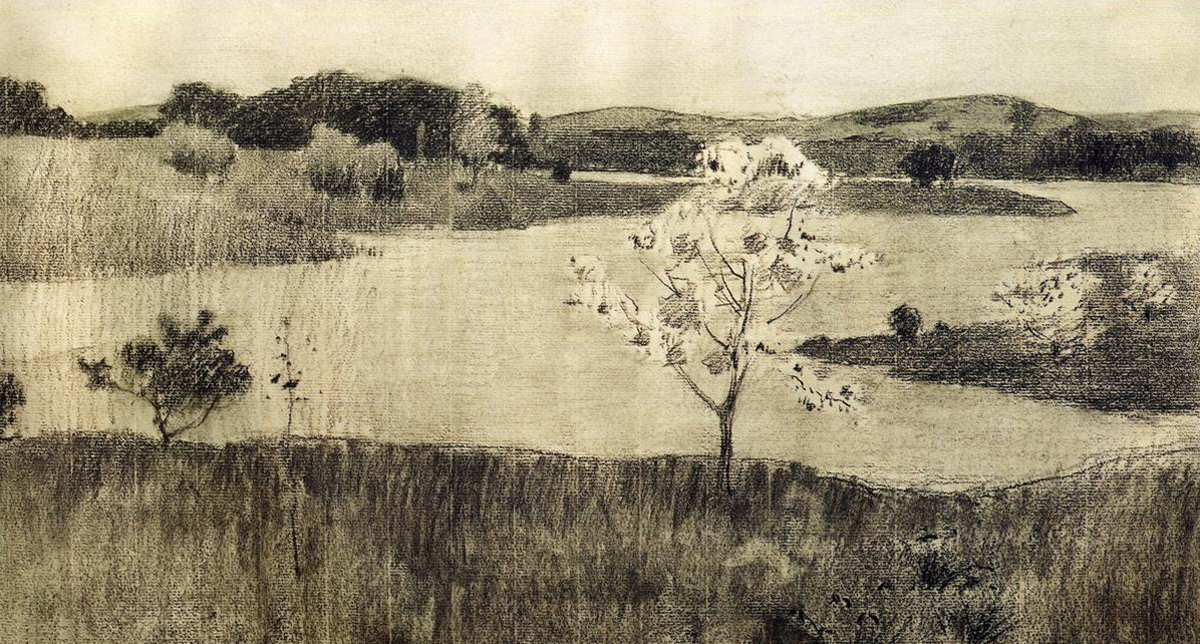
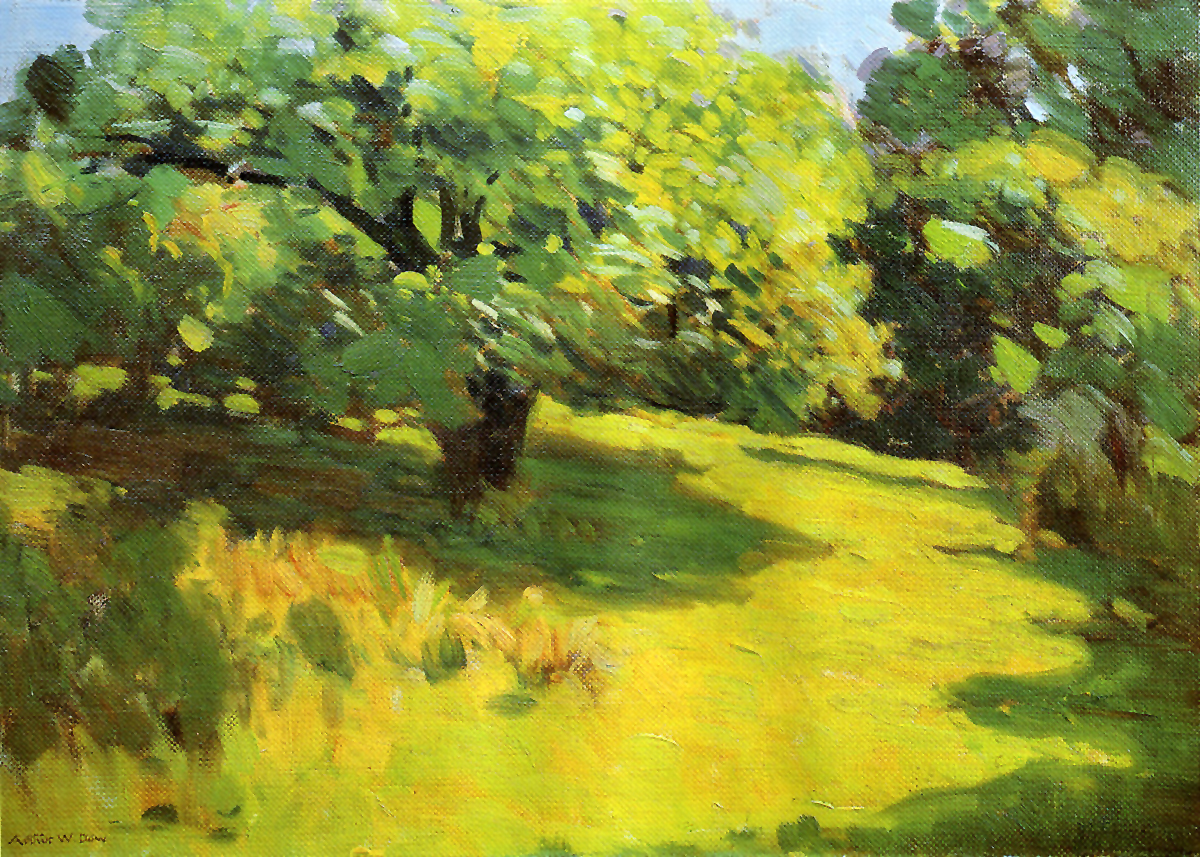
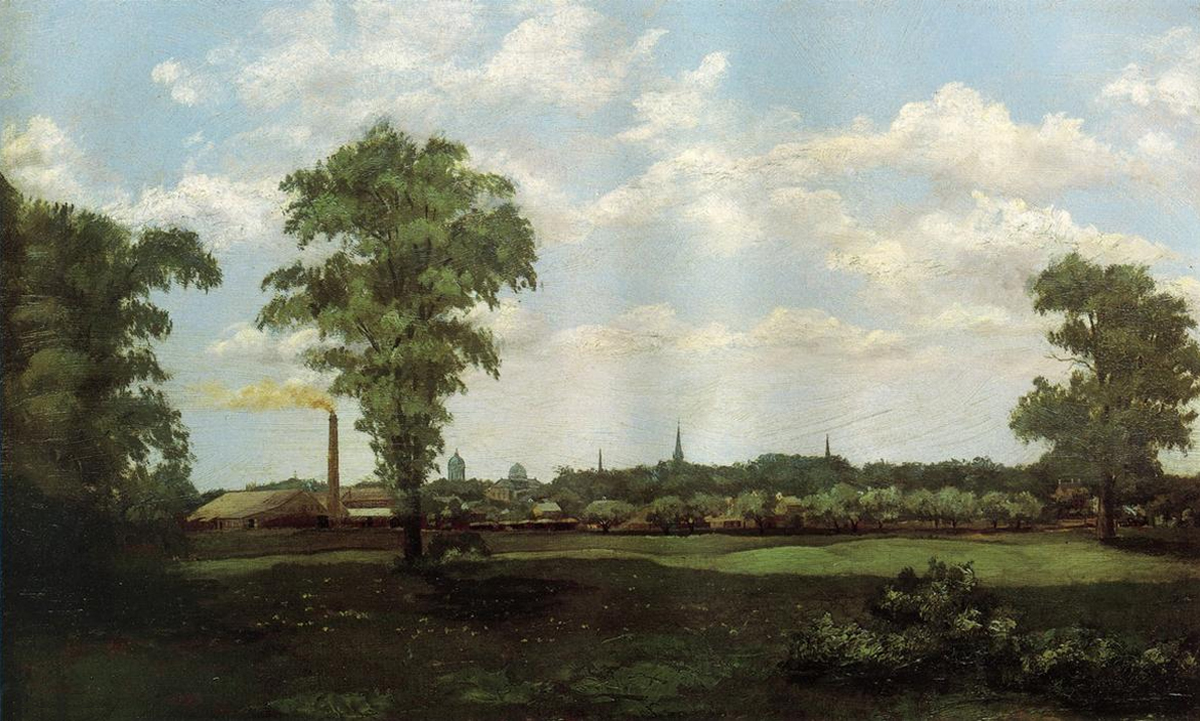
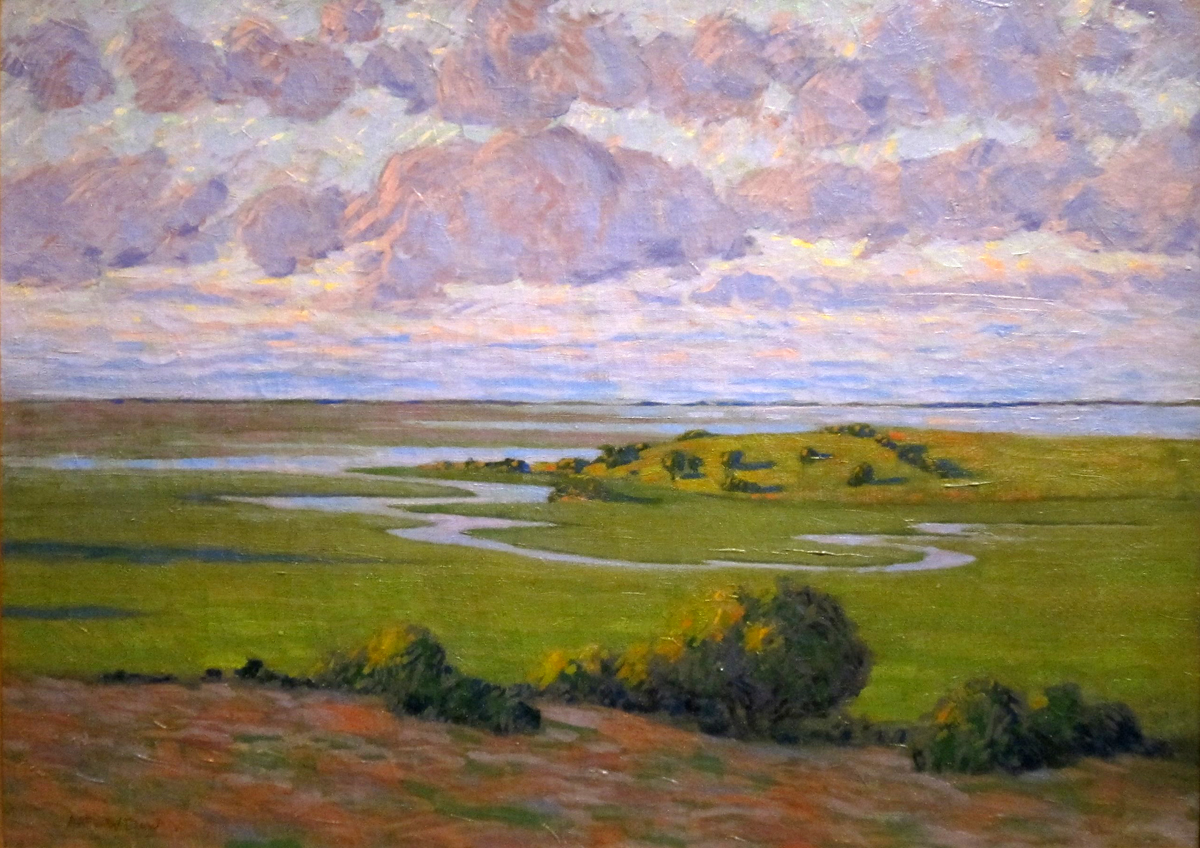

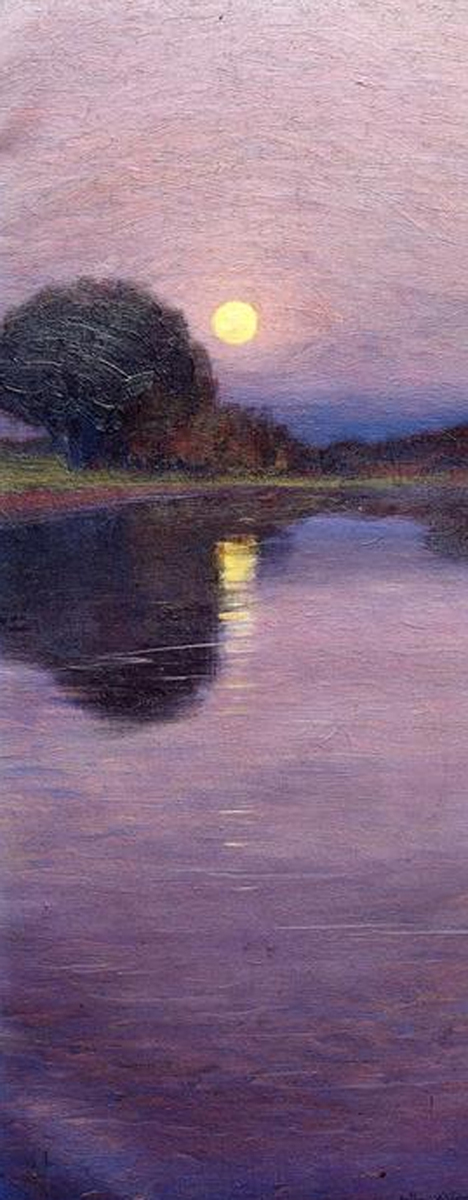
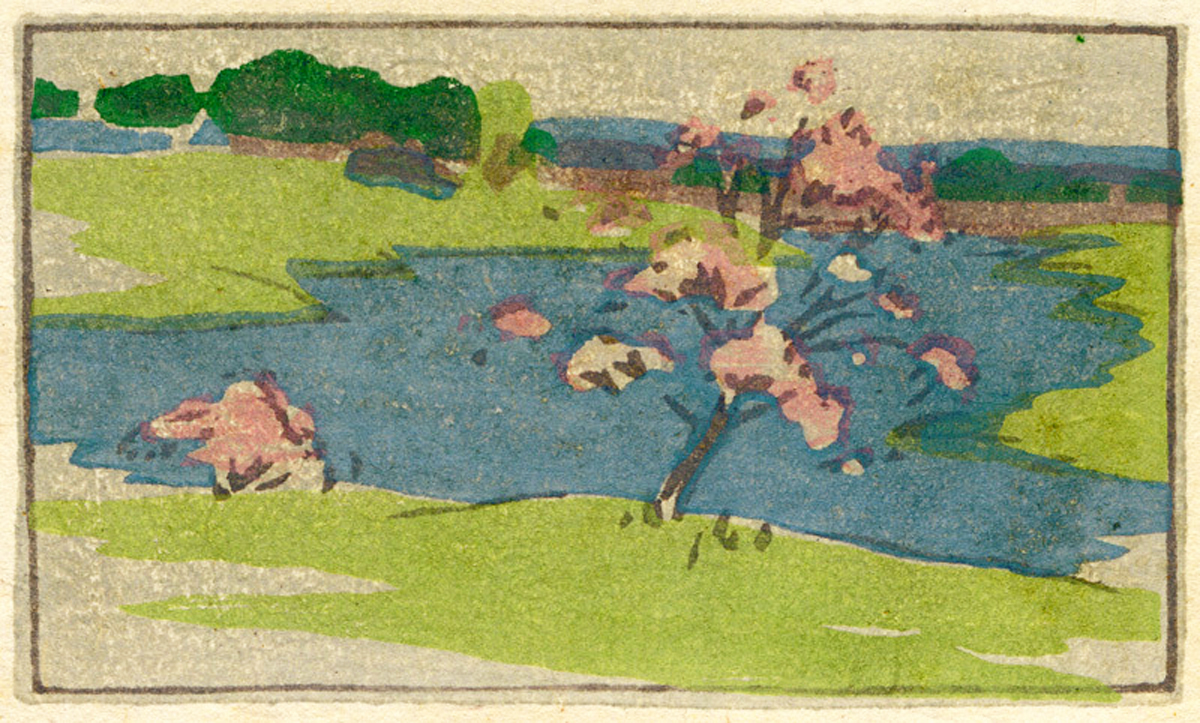
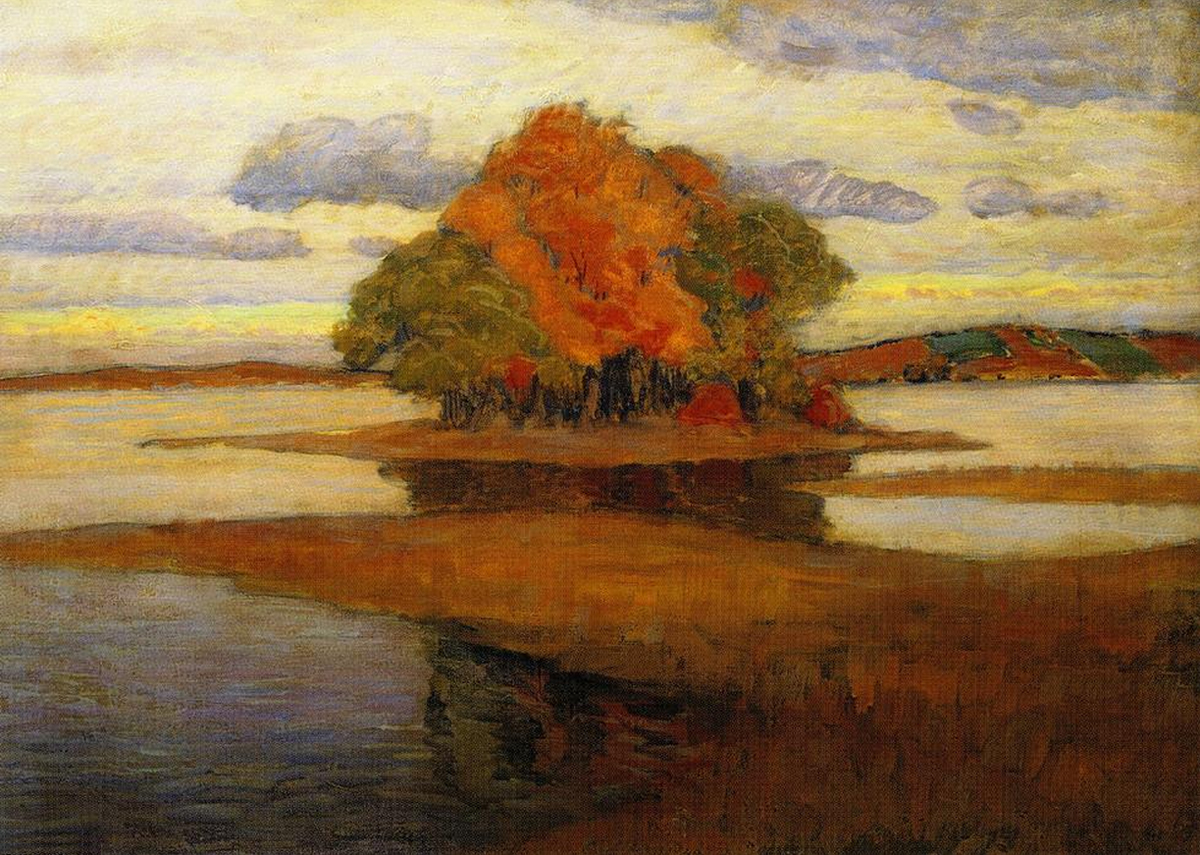
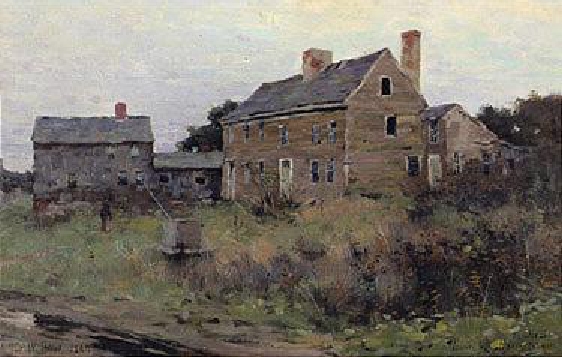

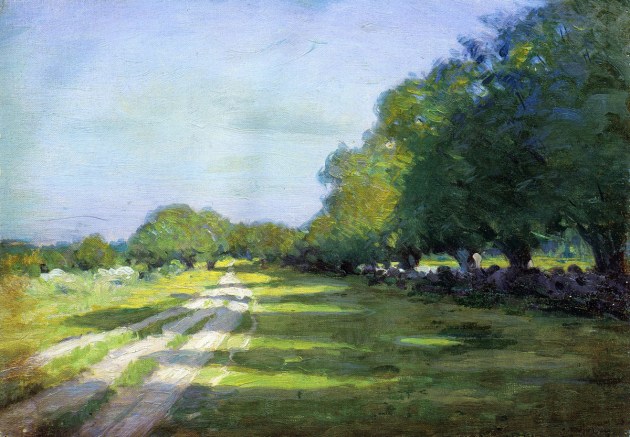
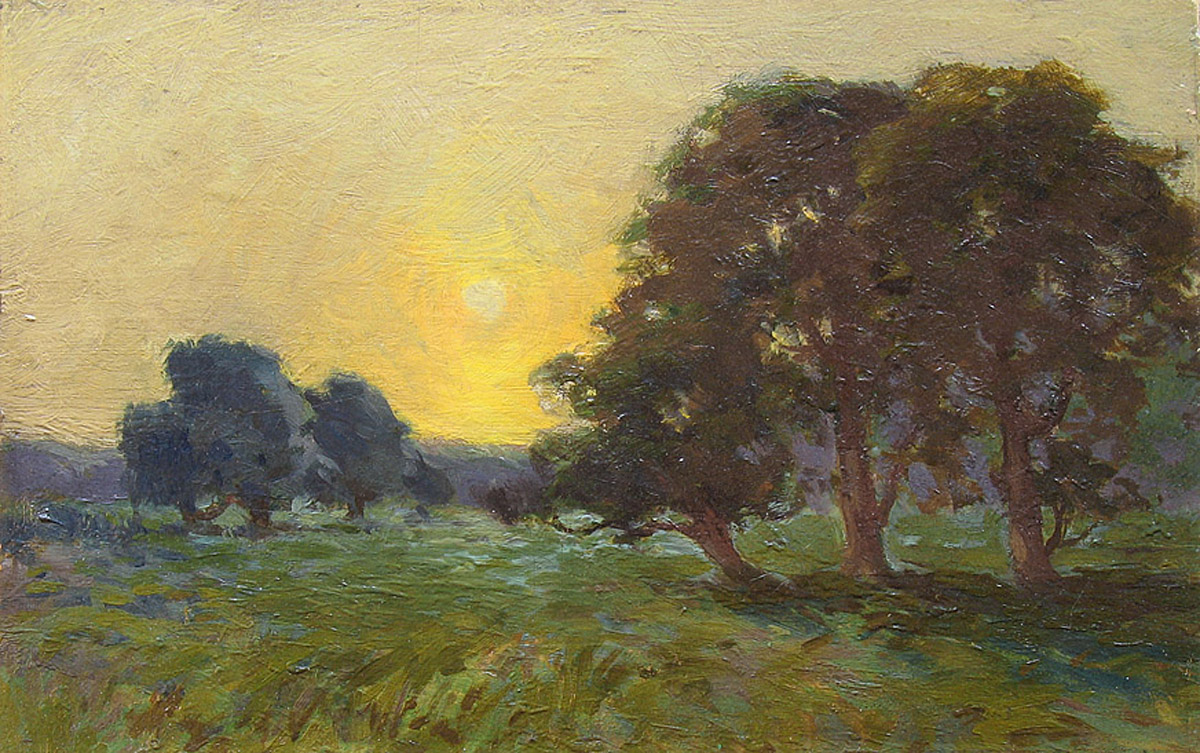

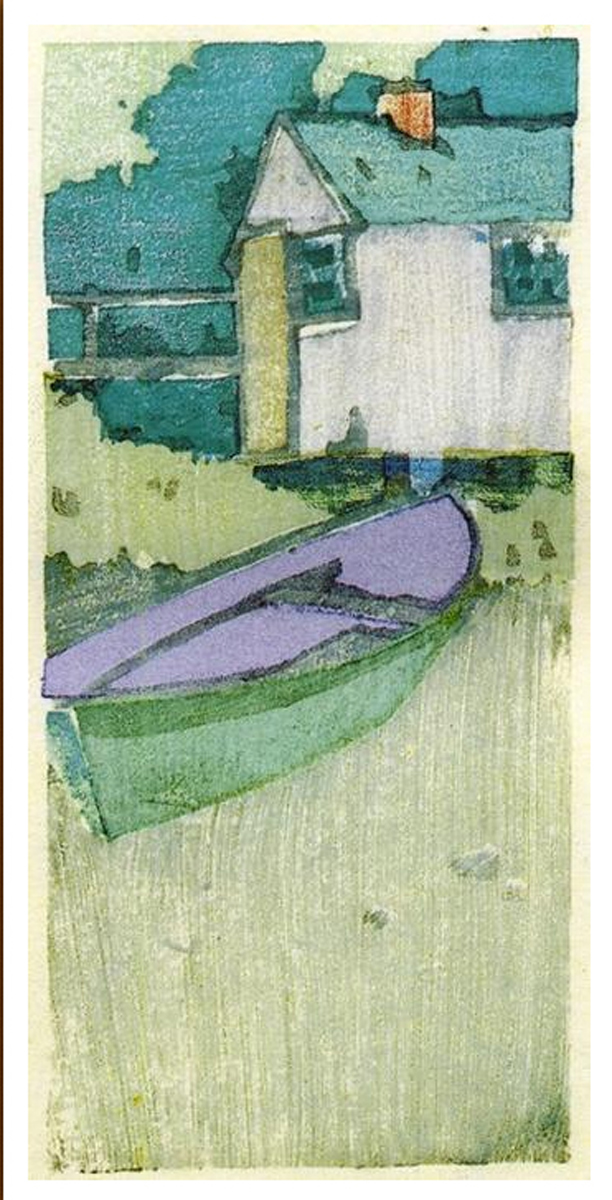


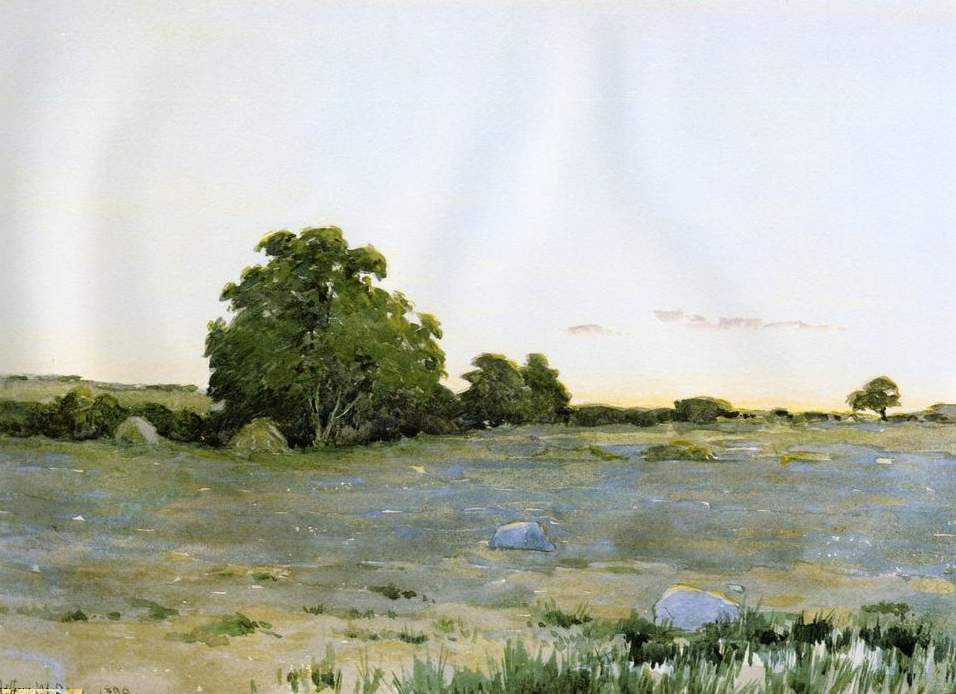
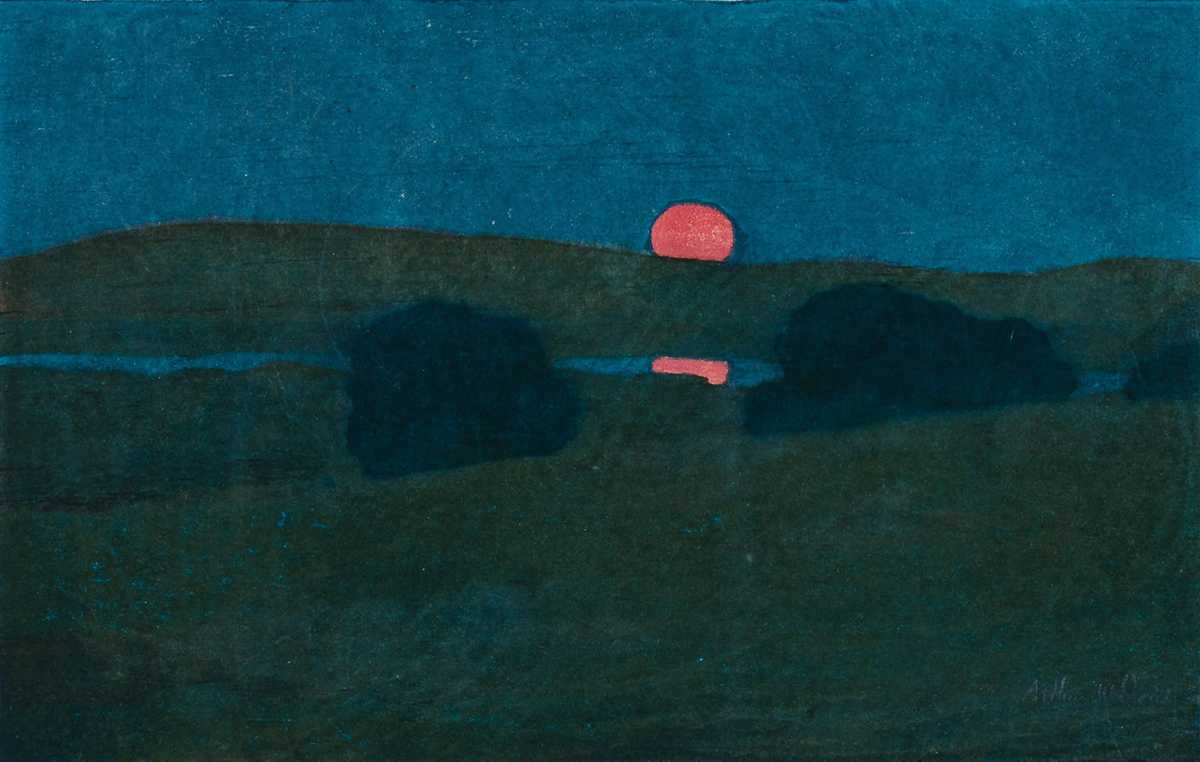
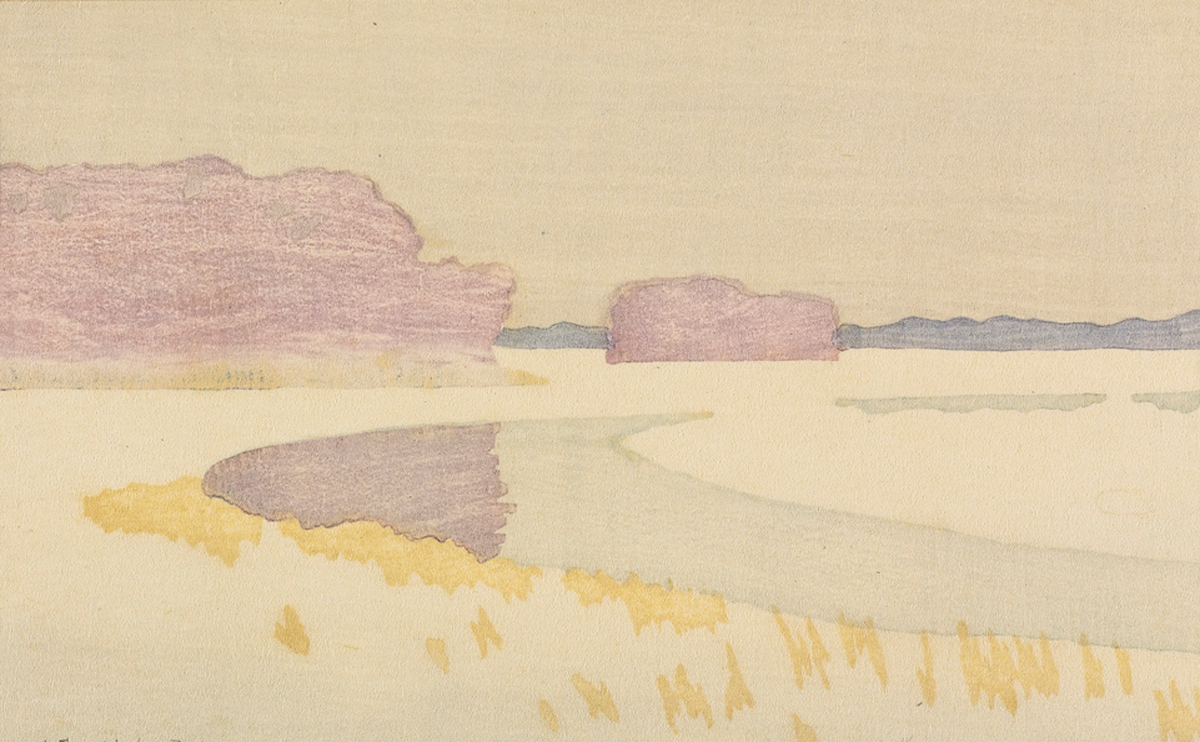

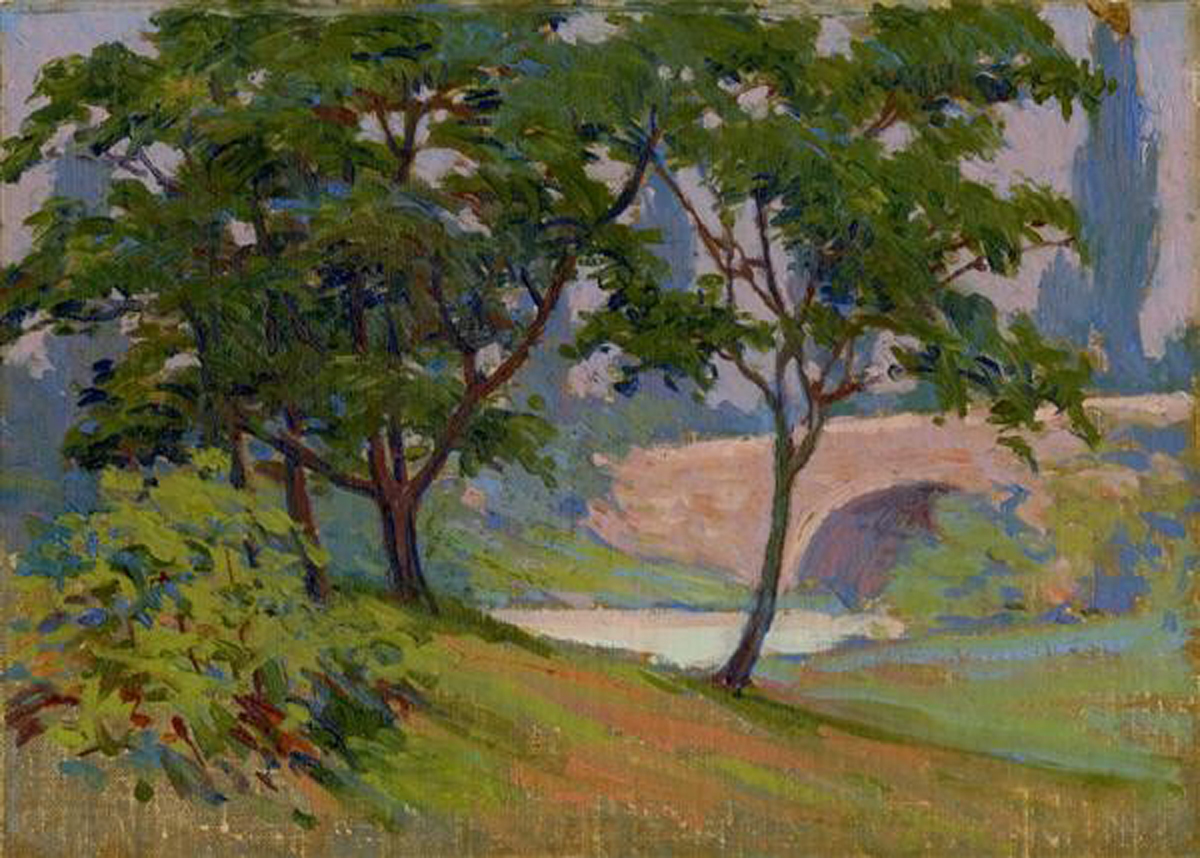
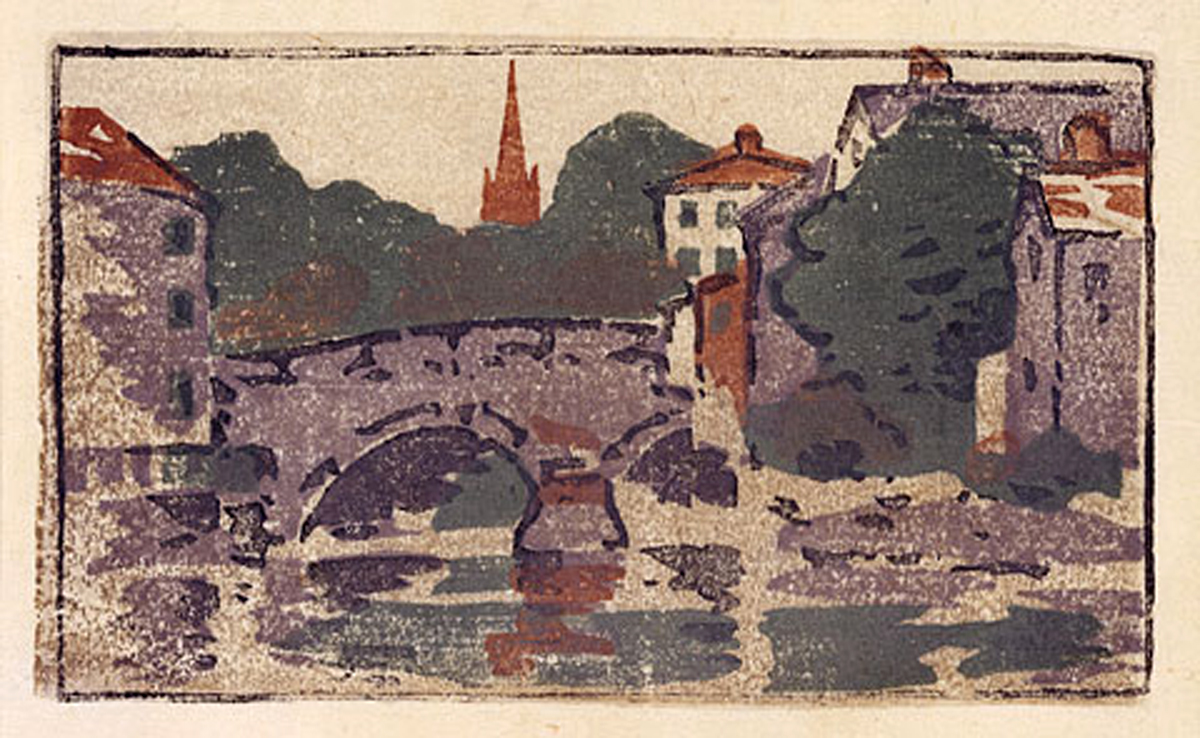
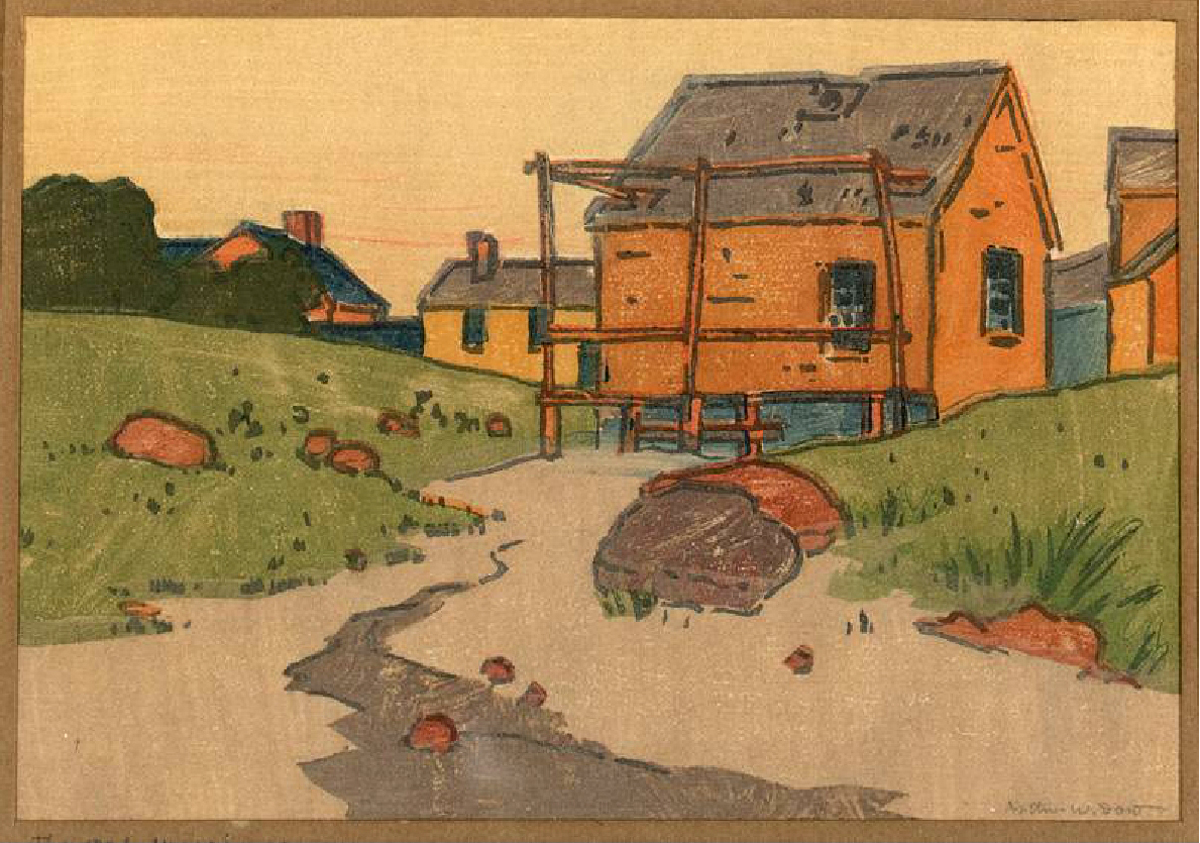
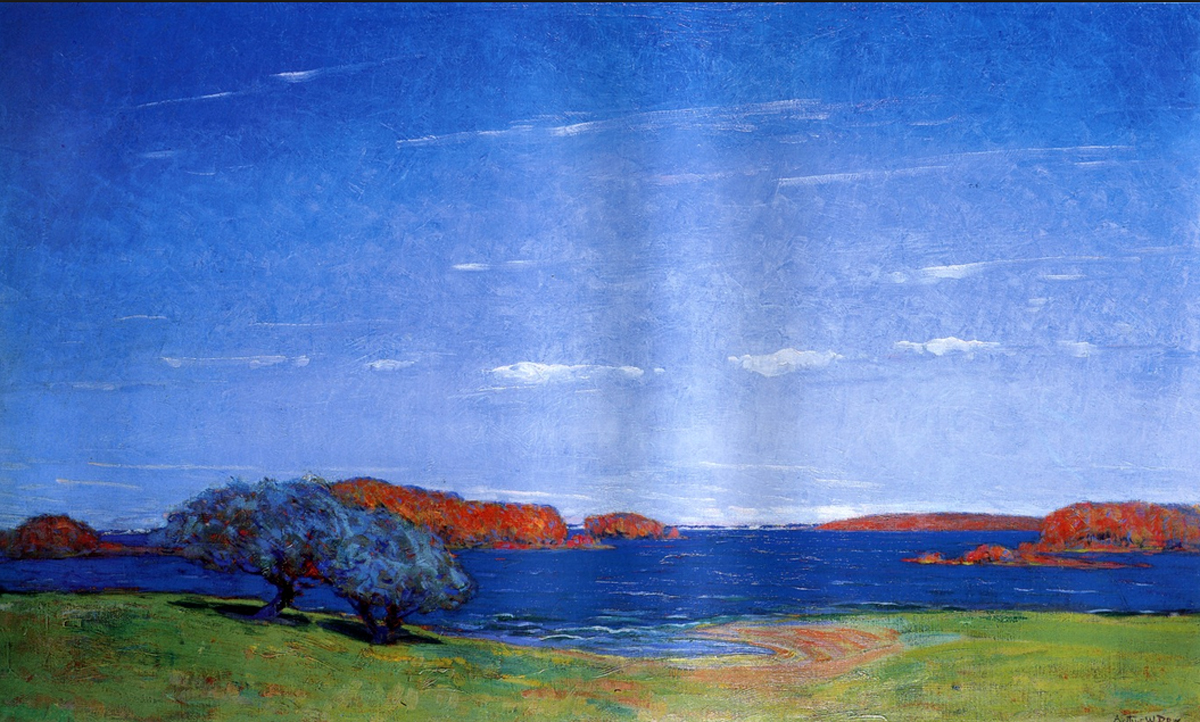
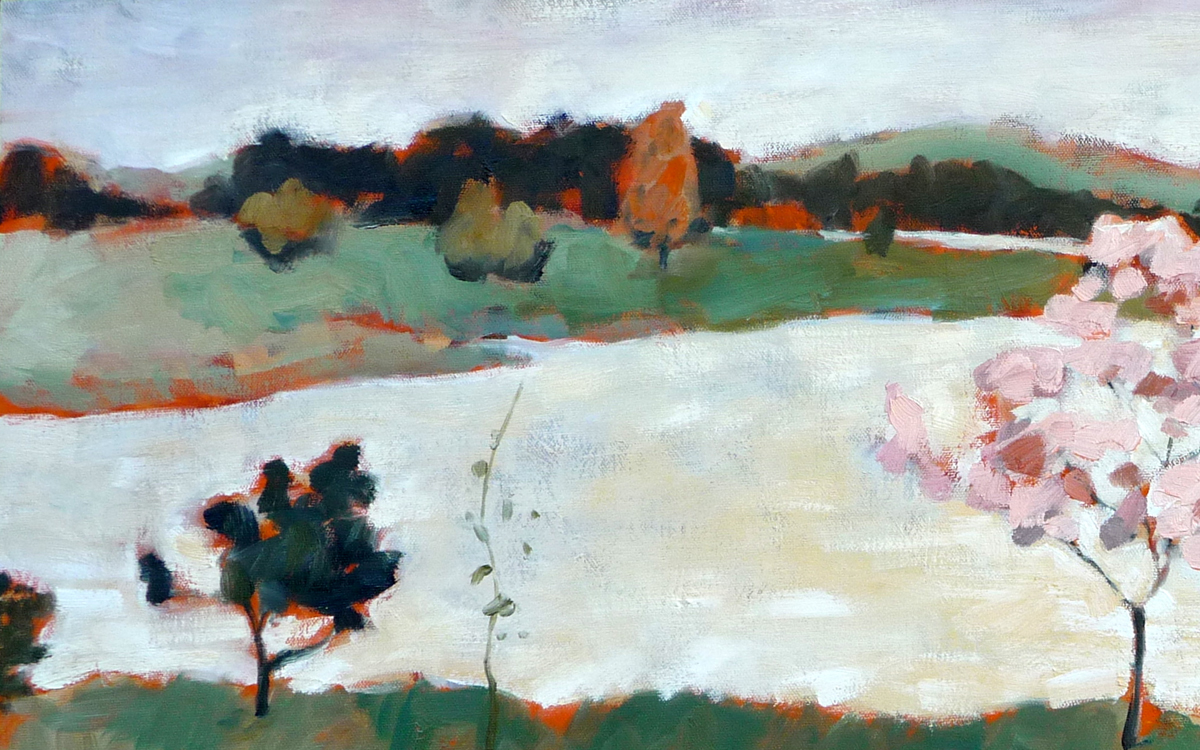
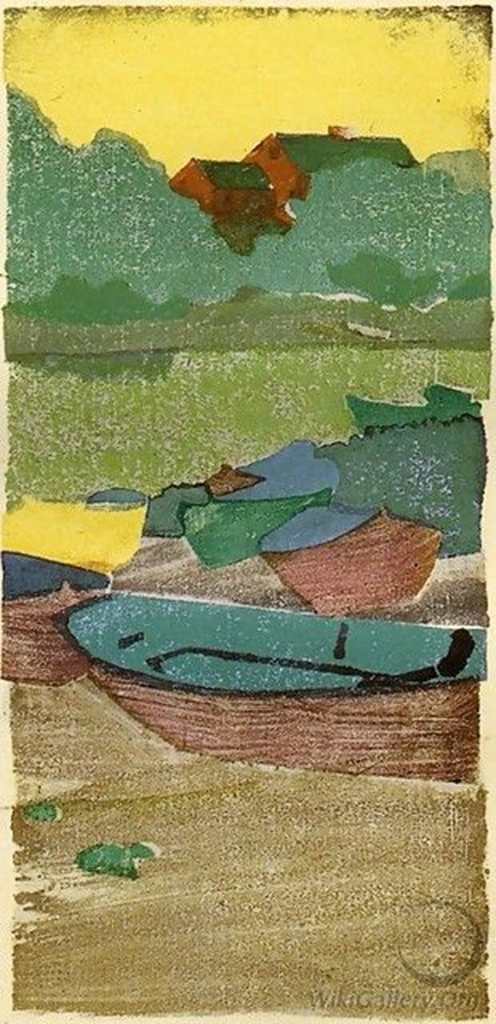

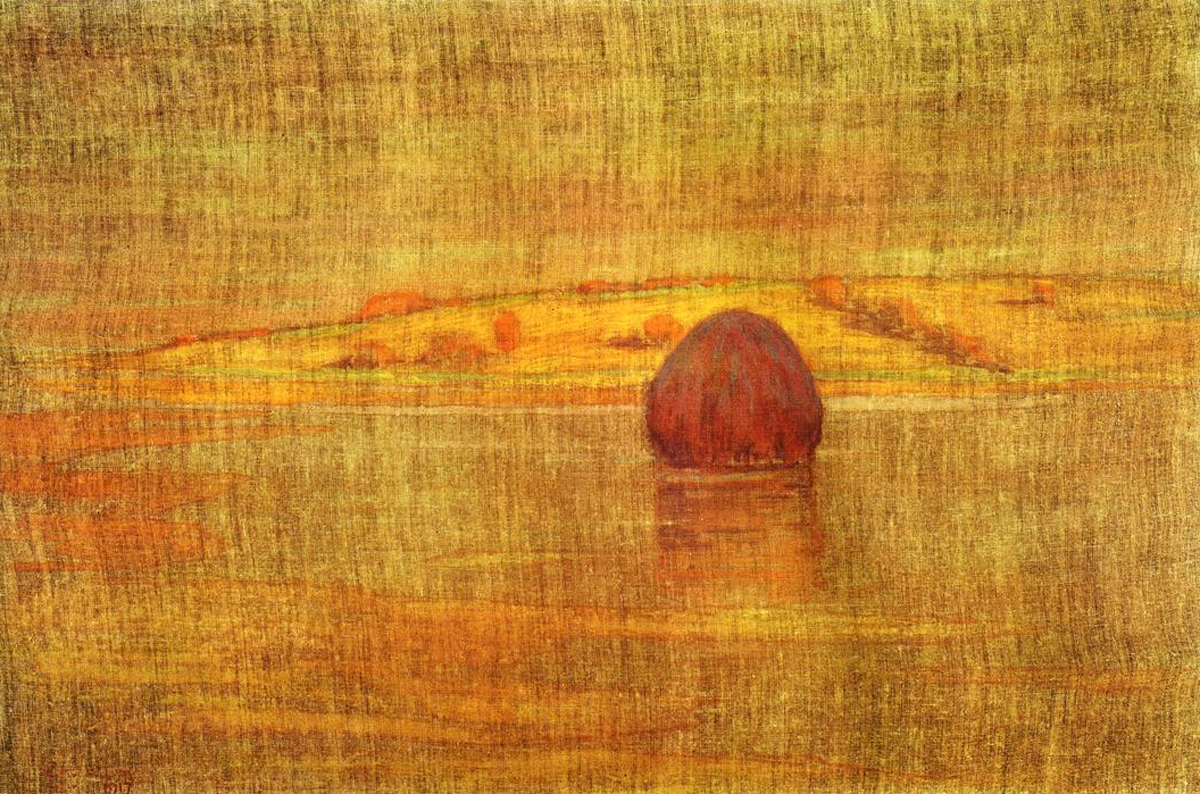
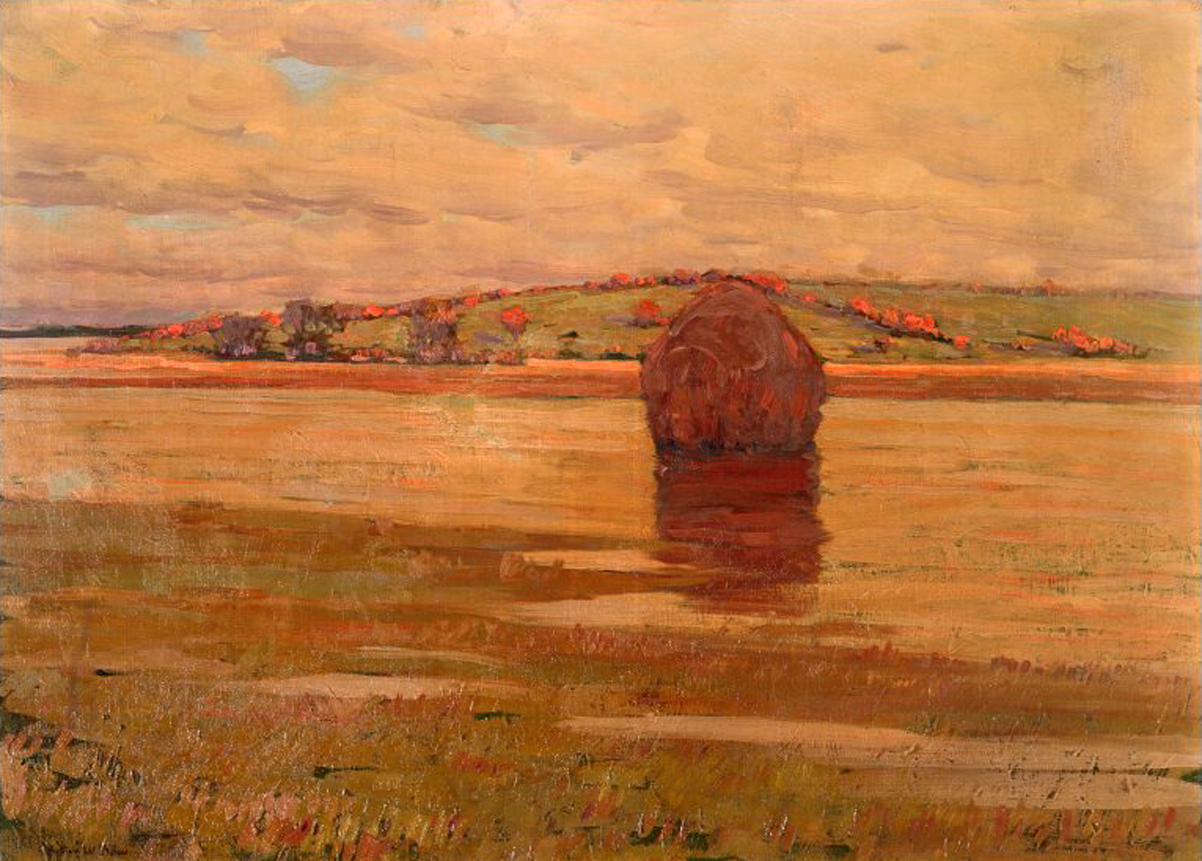
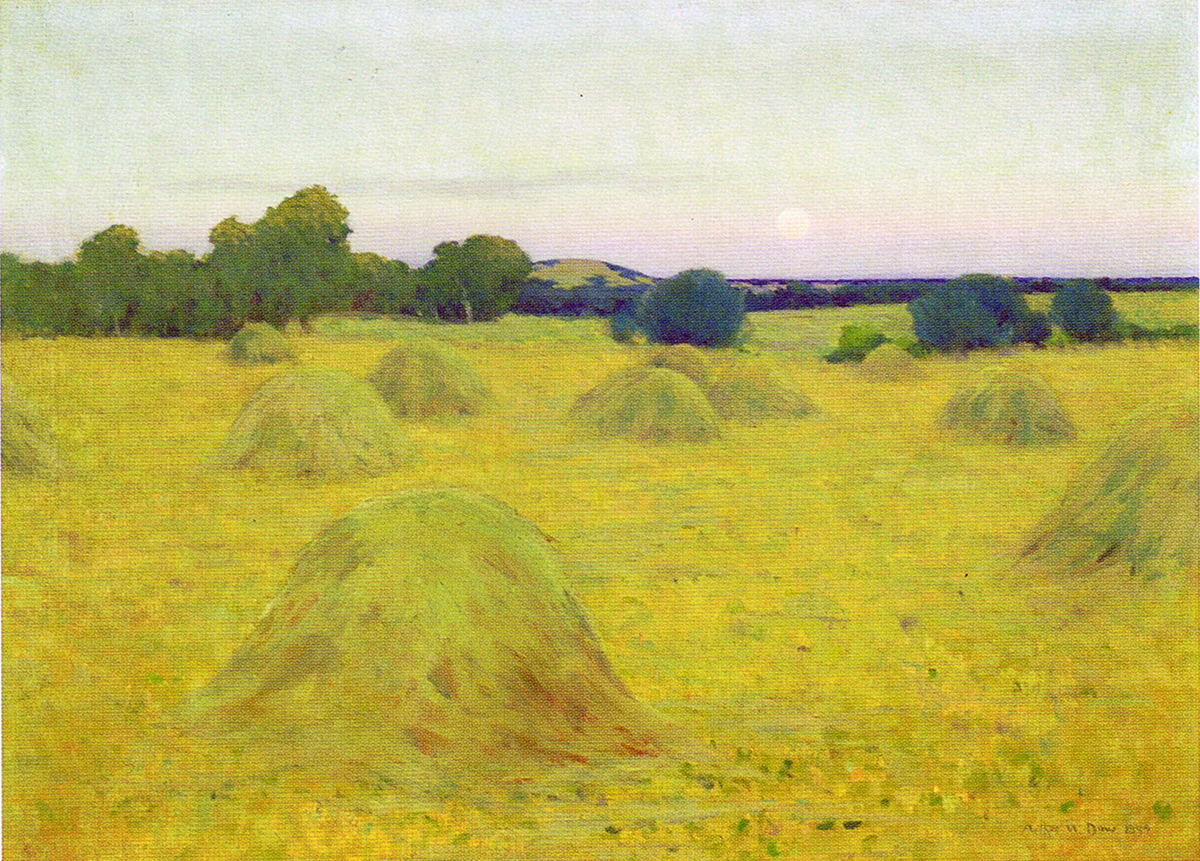

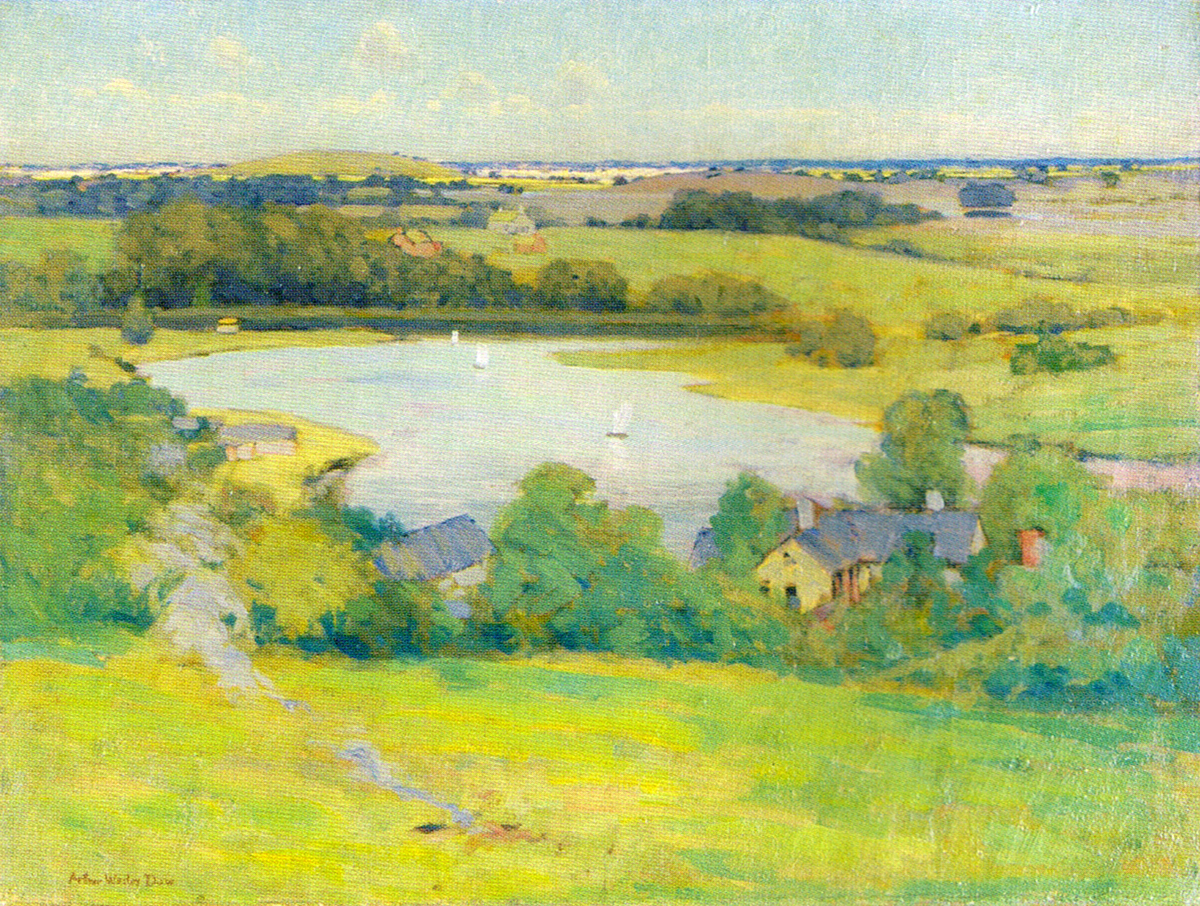
 Historic Ipswich
[…] Ipswich (n.d.) Arthur Wesley Dow’s Images of Ipswich Available at: https://historicipswich.net/2023/01/16/arthur-wesley-dow/ (accessed […]
[…] diploma in Schone Kunsten en een Bachelor of Science in Kunsteducatie behaalde onder leiding van Arthur Wesley Dow . Arthur Wesley Dow omschreef haar als “een persoon met waardigheid en aanwezigheid, heel […]
[…] Ipswich (n.d.) Arthur Wesley Dow’s Images of Ipswich Available at: https://historicipswich.net/2023/01/16/arthur-wesley-dow/ (accessed […]
[…] Some of Dow’s cyanotypes are also on display at the exhibit and others can be seen on the Historic Ipswich website. […]
[…] G. (2014) Arthur Wesley Dow. Available at: https://historicipswich.net/2014/06/25/arthur-wesley-dow/ (Accessed: 28th November […]
[…] was influenced by the writing and art of Arthur Wesley Dow, which reminded me of how much I love his work. Some of his landscape paintings and his use of […]
Does anyone know where Arthur Wesley Dow is buried?
There is a Dow family memorial stone in section H of the Old North Burying Ground in Ipswich, but Arthur Wesley Dow’s name is not on it (to my knowledge).I have been unable to find a record of his funeral or burial. Dow died suddenly in December 1922, after delivering a lecture at Teachers College, Columbia University NY, where he was employed.
Mr. Harris,
Thank you for your reply. My research has also failed to discover any mention of his funeral or burial, nor could I find an obituary. I’m visiting Ipswich in July (after an absence of more than 30 years) and had hoped to find his resting place.
Best,
Ray Henry
Rochester, MI
You can visit his birthplace, the Matthew Perkins house: https://ipswich.wordpress.com/covenanted-houses/captain-matthew-perkins-house-8-east-st/
The Dow family home is at 17 Spring Street.
His summer art school was in the Howard house on Turkey Shore: https://storiesfromipswich.org/emerson-howard-house-turkey-shore-rd/
Thank you so much for the information.
Ray Henry
I am most certain that my husband’s family was related to Arthur Dow and am trying to locate brothers or cousins by the name of Amos Dow. Can you help?
There is an Amos Dow buried in the Salem, NH cemetery. http://www.findagrave.com/cgi-bin/fg.cgi?page=gr&GRid=38699250
Do you know if Arthur was related to George Francis Dow, who was very involved with the Essex Institute and the Society for the Preservation of New England Antiquities? I thought I had once read that they were cousins, but I haven’t found documentation of that.
I don’t know–George Francis Dow was born born in New Hampshire and settled in Topsfield. Here’s more: http://www.americanantiquarian.org/proceedings/44806934.pdf
Thanks, Gordon. I thought I had read that they were cousins, but haven’t found that elsewhere.