
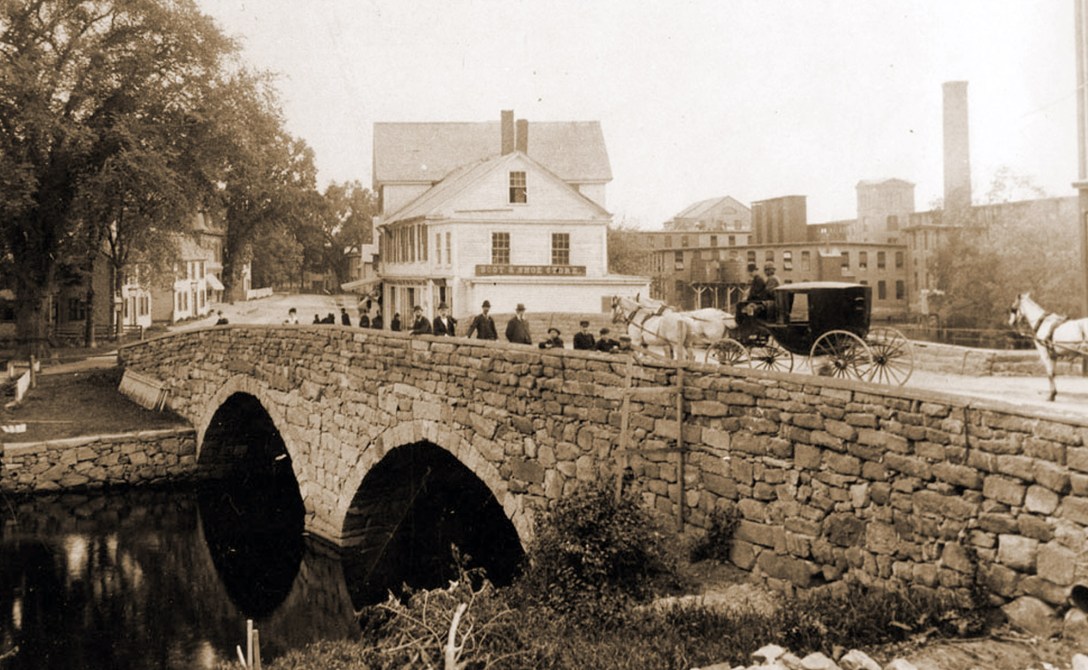
The first stagecoach in Essex County, drawn by four horses, was established in 1774 and connected Newburyport with Boston via Salem and Ipswich. By the early 1800s, up to seventeen stagecoaches and four post-chaises passed through town each day, most of them full to overflowing. In 1803, the Newburyport Turnpike Corporation built a straight toll road from Boston to Newburyport, which we now call Rt. 1, but the new road went “over every hill and missing every town” and the coaches continued to use the Old Bay Road.
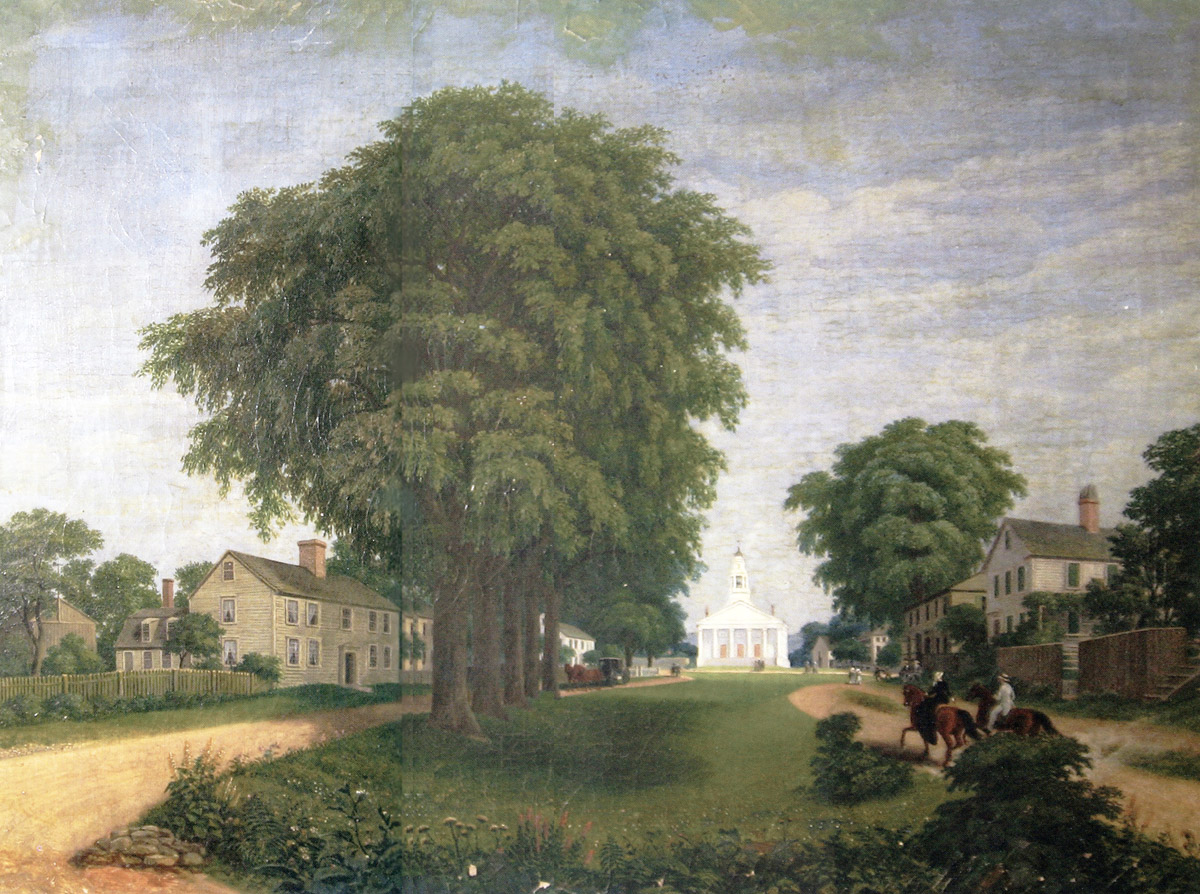
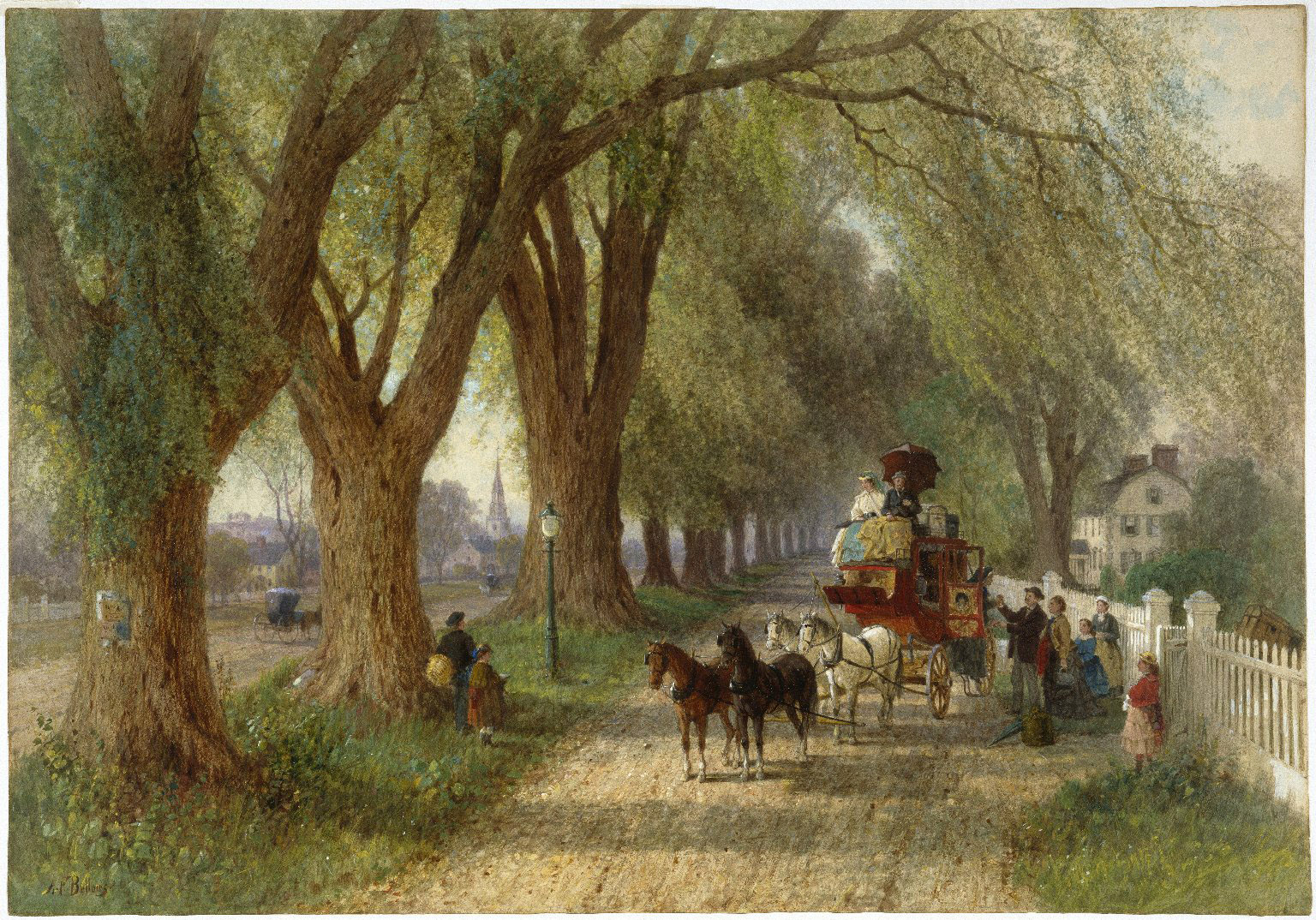
The fascinating history of stage and railroad travel was written in 1878 by Cyrus Mason Tracy, which I found in the Standard History of Essex County. I condensed several pages into the narrative below:
“The stagecoach was in its day as great an advance upon the prevailing modes of transit as the railroad car was in later time. It thoroughly revolutionized all extended travel and gave an aspect never before observed to the world of outdoor civilization. It was gazed at by boys on the highways and women at the windows. Its approach announced by the jingling of a bell suspended from the neck of one of the leaders was the occasion for the shout of ‘The stage, the stage!’ and a general halting from labor and a gazing at the wonder.”
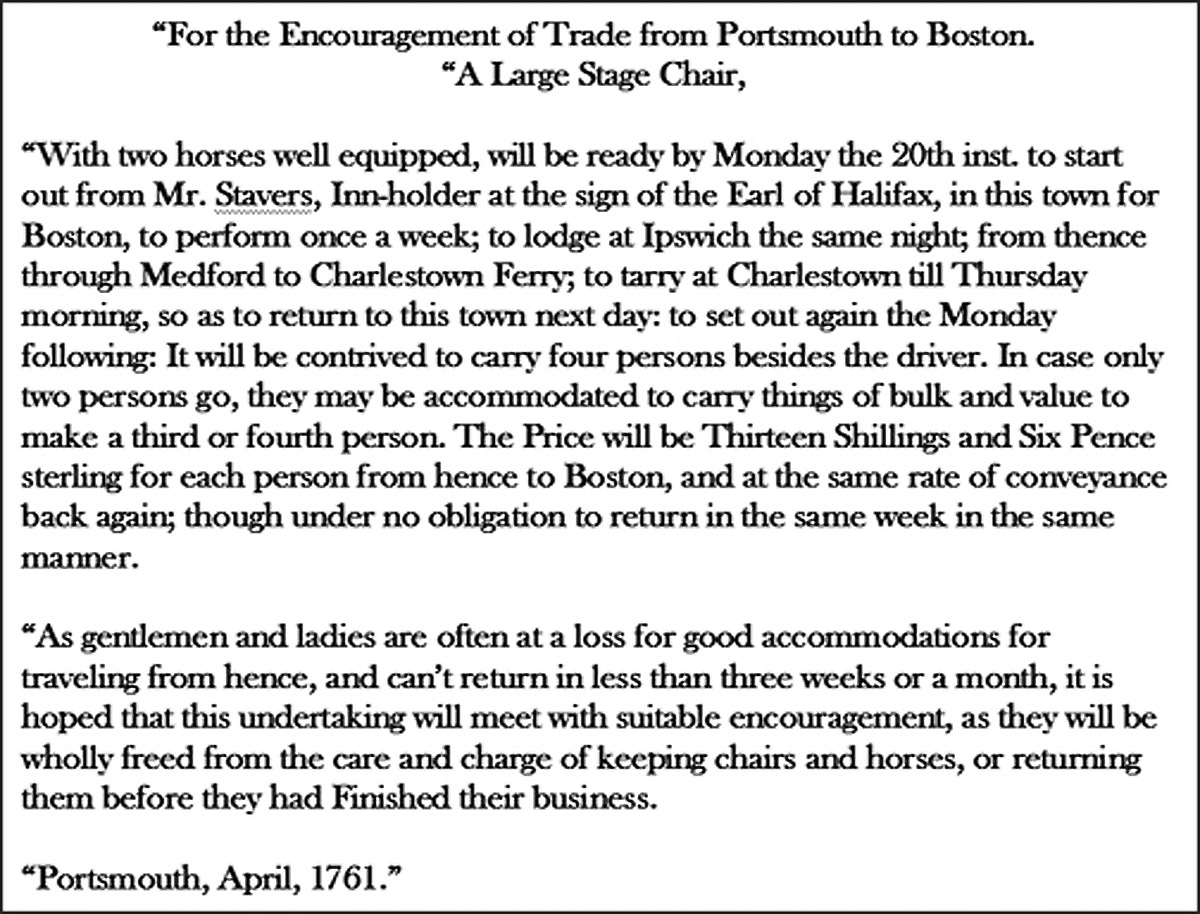
“In 1818, the Eastern Stage Company was incorporated and it met with all success, turning profits yearly for its investors. The premier stagecoaches were manufactured by the Abbot-Downing Company of Concord NH, founded in 1816 by Lewis Downing. In 1828 he teamed up with twenty-two-year-old J. Stephens Abbot of Salem, Massachusetts, who assisted in manufacturing the Concord Stage Coach.
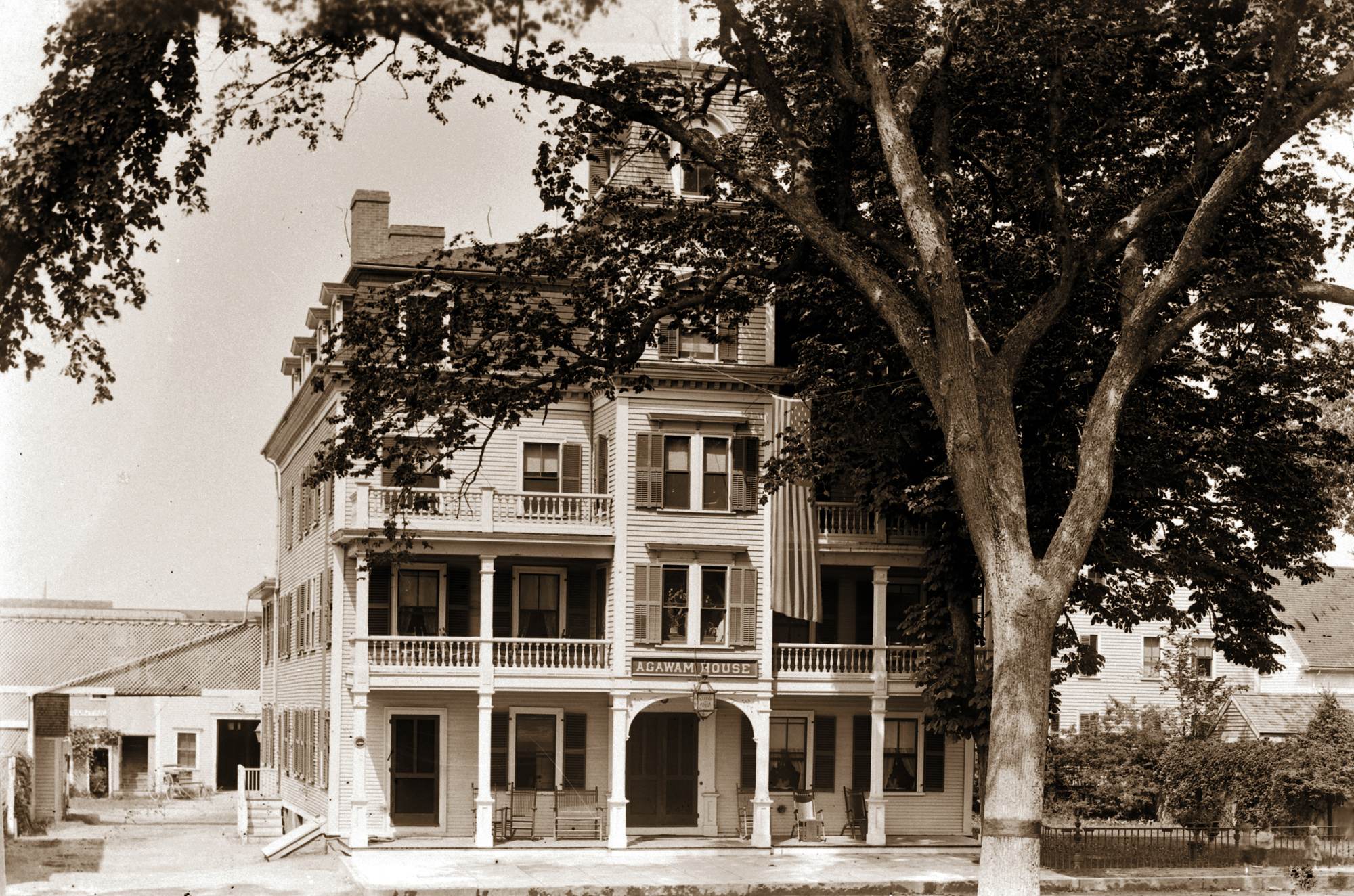
“While this was going on the air was beginning to tremble in the shadowy and unknown distance with the roar and screech of the railroad train and its unearthly whistle sounds of doom. The iron horse soon came riding into Essex County, as those old-fashioned stage-worthies must have thought, like a very fiend in armor. All their glory began to wane and their prosperity to melt away before their eyes. The impatient spirit of a growing people refused any longer to be satisfied with any arrangement that could be made for their transportation by animal muscle. The Eastern Stage Company faced the invasion bravely and tried every expedient to prevent being thrown from their feet but without effect. The official existence of the company ended June 26, 1838.”
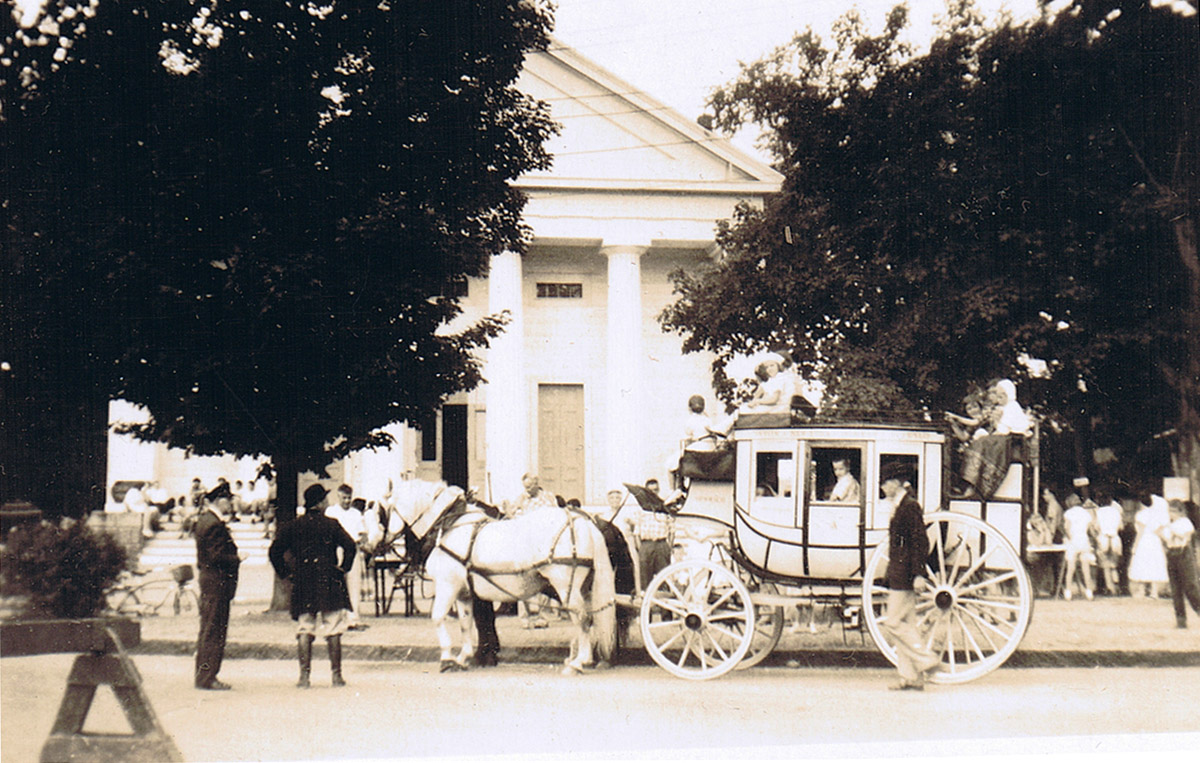
Stagecoaches quit passing through Ipswich after December 20, 1839, when a train from Boston made its first passage through the town. It arrived about 9 o’clock on a Friday morning with 50 passengers, taking only 34 minutes from Salem. Townspeople were delighted, but the opening of the railroad and the end of stagecoach travel led to the decline of Ipswich as one of the most important towns in Massachusetts and the removal of its courts.
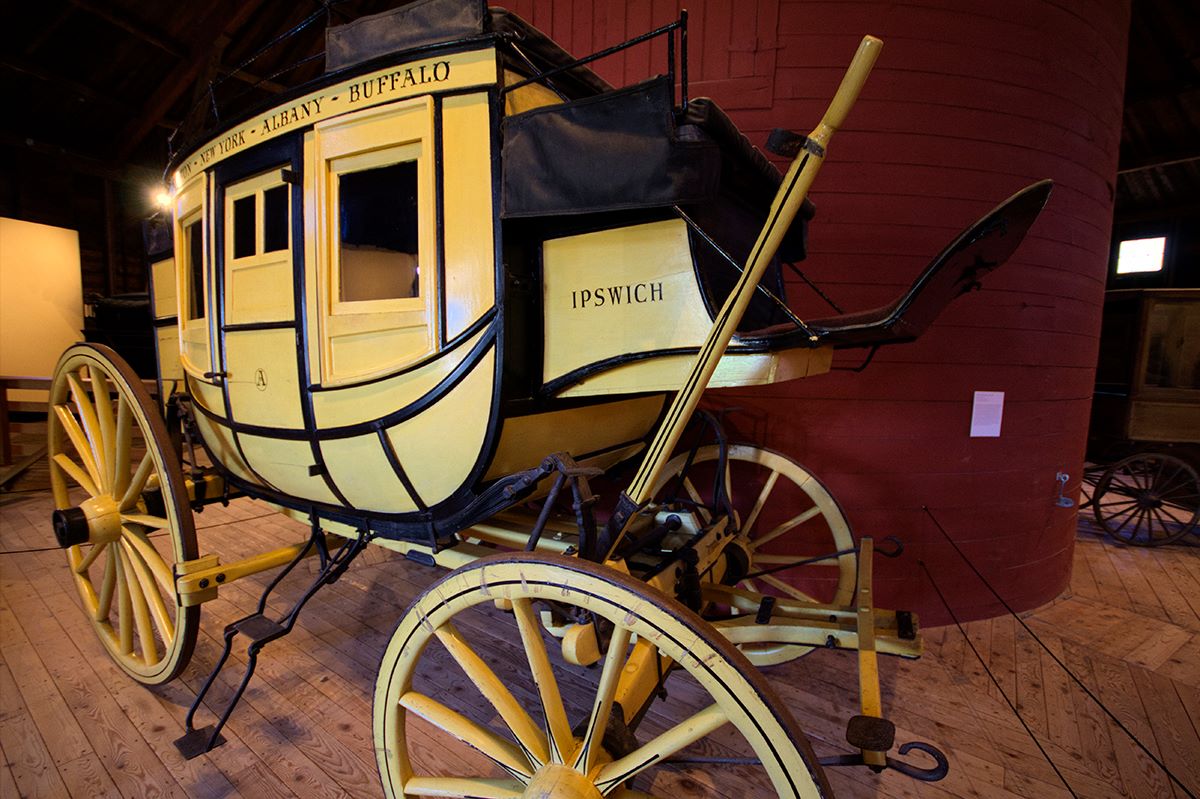
In Concord, the partnership of Stephen Abbot and Downing terminated in 1847 when Downing opened a competing shop called Lewis Downing & Sons, although the two firms reunited in 1865 as Abbot, Downing & Company, which was reincorporated in 1873 as the Abbot-Downing Company. Abbot-Downing was the premier carriage maker in the country until the early 20th Century when it was too slow to utilize combustion engines, and other companies took the lead.
 Historic Ipswich
Looking for info on Sage Trunk Depot, 628 Washington st. Coner of Essex st. In the 1800’s
Thank you Gordon for the updated new page…you can see it already draws my attention to articles written long ago.
Thank you Gordon
Thanks Bill!
Fascinating!
Wonderful writing.
Love the histories.
Thank you for this article. Your writing always offers a unique insight. Stunning photos!