

We received the sad news today of the death of Mary Ellen Lepionka on October 7, 2024. Mary Ellen wrote prolifically about the Native Americans who lived in our area before European colonization and their descendants.
In her professional career, Mary Ellen Lepionka taught social sciences at the college and high school levels, after which she worked as a textbook developer and editor with Houghton Mifflin and Pearson Education. She then established Atlantic Path Publishing, which publishes professional reference books. In her retirement, Mary Ellen began researching Cape Ann Native American pre-contact history and archaeology. She was a member of the Annisquam Historical Society, the Eastern States Archaeological Federation, and the New England Antiquities Research Association. In 2024, Mary Ellen received a Lifetime Achievement Award from the Gloucester Historical Commission for her research and preservation of local Indigenous history. Her obituary was published in the Gloucester Times.
This website and our readers are forever grateful to Mary Ellen for her vigorous, detailed research and passion for justice.
The following articles on this site were written by Mary Ellen Lepionka:
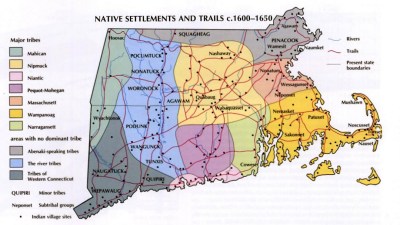 Indigenous Peoples of the North Shore - The Puritan settlers of Ipswich established the town in 1634 in an area the Native American inhabitants called "Agawam."… Continue reading Indigenous Peoples of the North Shore
 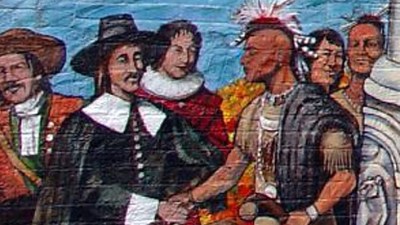 Who Were the Agawam Indians, Really? - It’s hard for people to change their stories—so embedded in deep time and official canon, even when there is a better explanation or a closer truth. I hope it will be possible to change public knowledge about the Native Americans who lived here and get closer to the truth.… Continue reading Who Were the Agawam Indians, Really?
  The Tragedy of the Wilderness: The Colonists and Indian Land, Part 4 - Featured image: North Conway, 1907. The White Mountain National Forest was established in 1918. In New England townships, common lands became increasingly smaller with each subdivision through distribution, sale, or inheritance. As commons shrank, conflicts over herding grew. The number and sizes of herds had to be regulated, as some settlers paid herdsmen to tend… Continue reading The Tragedy of the Wilderness: The Colonists and Indian Land, Part 4
  The Story Behind the Story of Wigwam Hill - As a researcher on Indigenous history here, I was captivated by this account, both for its romance and its tragedy. Who were these people? Where did they come from and where did they go? Why was all that happening and what did it mean? … Continue reading The Story Behind the Story of Wigwam Hill
  The Cape Ann Vikings - I find no evidence that Lief Ericson’s brother Thorvald was buried on Cape Ann in 1004 AD or even that Vikings actually set foot here. … Continue reading The Cape Ann Vikings Resources for Local Native American History and Dialects - Read: Who Were the Agawam Indians Really? Mary Ellen Lepionka’s Sources Sources for Algonquian place names include: Other sources of information about place names: Henry Rowe Schoolcraft set forth his linguistic theories in his 1839 Algic Researches.The U.S. Bureau of Indian Affairs published his summary with Seth Eastman of Algonquian languages in Volume 5 (pp.… Continue reading Resources for Local Native American History and Dialects
 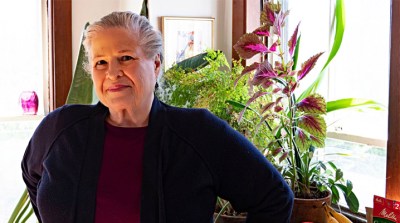 Remembering Mary Ellen Lepionka - We received the sad news today of the death of Mary Ellen Lepionka on October 7, 2024. Mary Ellen wrote prolifically about the Native Americans who lived in our area before European colonization and their descendants. In her professional career, Mary Ellen Lepionka taught social sciences at the college and high school levels, after which… Continue reading Remembering Mary Ellen Lepionka
 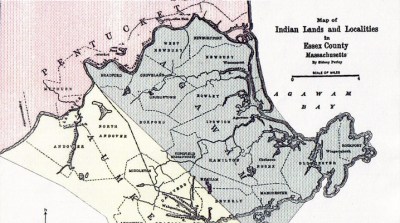 Politics of the Archives Redux: Indigenous History of Indigenous Peoples of Essex County, Massachusetts - This essay is about attributions of ethnic identity in the Indigenous history of Essex County, Massachusetts. Will Indigenous and non-Indigenous scholars be able to retell Indigenous history as it was real?… Continue reading Politics of the Archives Redux: Indigenous History of Indigenous Peoples of Essex County, Massachusetts
 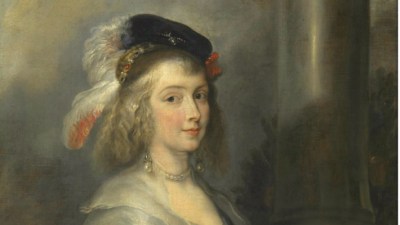 Native American Influence on English Fashions - In contact situations in the early 17th century, Europeans were quick to grasp the essential humanity of Native Americans and admired their appearance and physical fitness. Soon, upper-class English wore American feathers and furs, Native Americans prized English woven fabrics and garments, especially tailored shirts. … Continue reading Native American Influence on English Fashions
 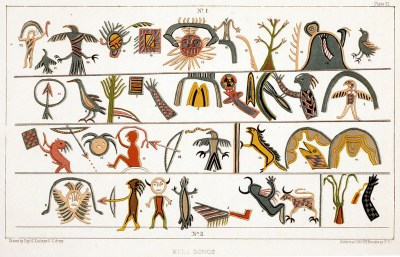 Manitou in Context - The creator power was regarded as the equal of other powers in the skyworld and the underworld, but it is Kitanitowit’s Gitchi Manitou that ascended to prominence under the influence of Christianity. Of all the great spirits, it most resembled the Christian God and was transformed accordingly during the Contact Period.… Continue reading Manitou in Context
 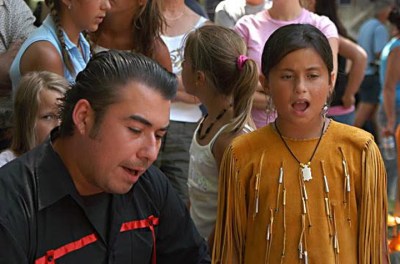 Living Descendants of the Native Americans of Agawam - Descendants of the Pawtucket are living in Abenaki, Pequaket, Penobscot, and Micmac communities today in Vermont, New Hampshire, Maine, and Nova Scotia.… Continue reading Living Descendants of the Native Americans of Agawam
  Disorder in the Corn Fields: The Colonists and Indian Land, Part 3 - Today, vestiges of the Commons survive here as city parks or conservation lands, such as the South Green in Ipswich, and public gardens, such as Boston Common.… Continue reading Disorder in the Corn Fields: The Colonists and Indian Land, Part 3
  “That We May Avoid the Least Scrupulo of Intrusion” – The Colonists and Indian Land, Part I - More than the concepts of sovereignty and private property, the commodification of nature in the service of mercantile capitalism was the crux of the problem.… Continue reading “That We May Avoid the Least Scrupulo of Intrusion” – The Colonists and Indian Land, Part I
  “Brought to Civility” — The Colonists and Indian Land, Part 2 - The idea of private property was alien to Native Americans, but the practice of private ownership apparently was not a feature of colonial life either.… Continue reading “Brought to Civility” — The Colonists and Indian Land, Part 2
  Ancient Prejudice Against “The Indians” Persists in Essex County Today - Beneath broad acceptance of Indian rights and benign admiration for aspects of Native culture lies inherited hostility toward Native people. Unrecognized, it has gone unchallenged, but locally I have found it evident in these six ways.… Continue reading Ancient Prejudice Against “The Indians” Persists in Essex County Today
  Historic Ipswich
Oh my…just came across this update regarding Mary Ellen – she was a genius ahead of her time. I had the honor of interviewing her back in 2020: https://podcasts.apple.com/us/podcast/raising-your-inner-voice-with-jay-foss/id1521602325?i=1000497802972
I will try my best to honor her and the wonderful Native mission she was on. You are missed Mary Ellen.
Thank you for this. Ms. Lepionka was a great historian whom I found inspiring. It is because of her that my interests gravitate to our earliest Native peoples. Rest in peace, Mary Ellen.