
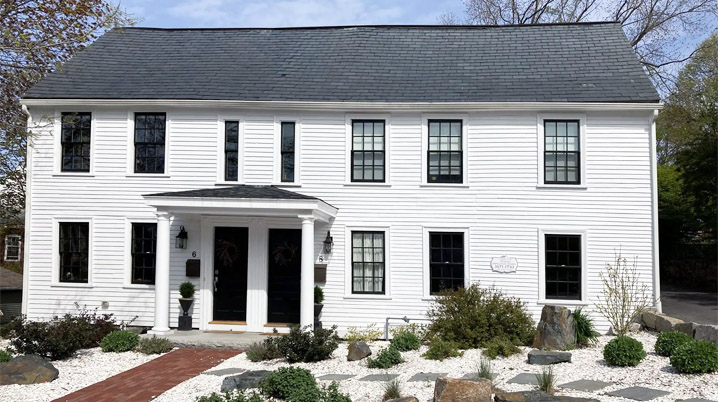

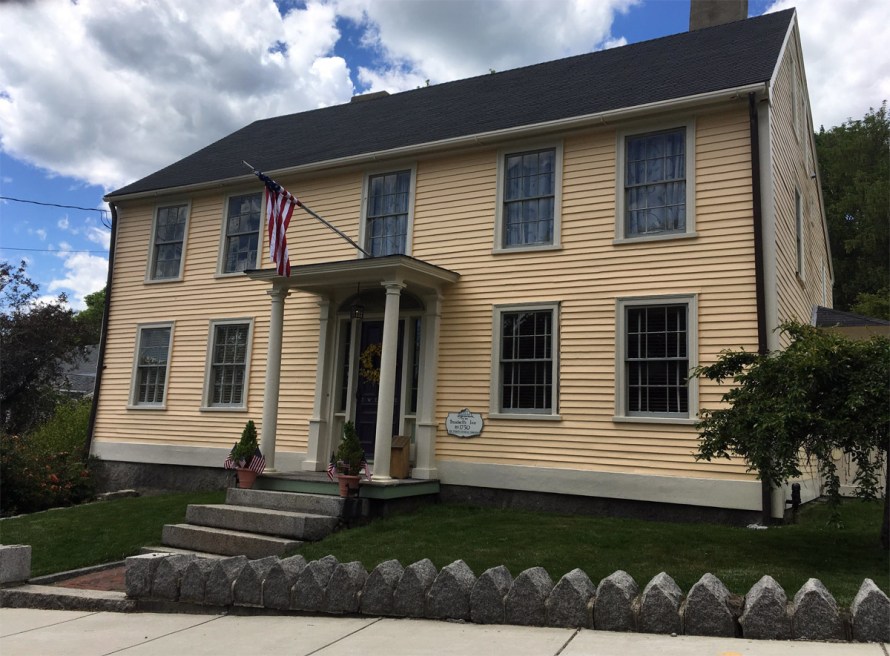
The historic Spark’s Tavern on North Main Street in Ipswich was opened by John Sparks, a “biskett maker,” and his wife, Mary, in 1671. The left side of the house was their home, and the inn they established became an important stop on the Old Bay Road.
In the 17th century, town business was conducted at the tavern, where in 1687, the voters of the town defied Crown-appointed Governor Andros by refusing to appoint a tax collector for the king. For this action, the motto of the Town of Ipswich is “The Birthplace of American Independence.”
In early 1693, John Sparks retired, and John Rogers, a saddler, continued the operation of the tavern as the Black Horse Inn. In May of that year, the Superior Court convened in Ipswich with several grand juries to consider dozens of outstanding charges of witchcraft. The Ipswich court, undoubtedly meeting in the inn, dismissed charges against all but four women, who were acquitted, and the Salem witchcraft trials finally ended in Ipswich.
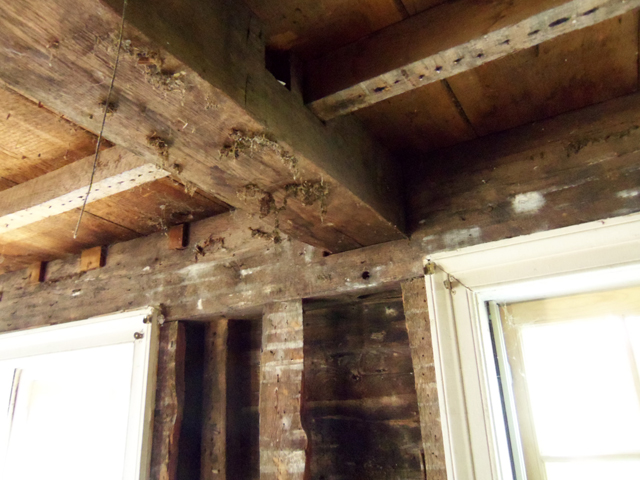
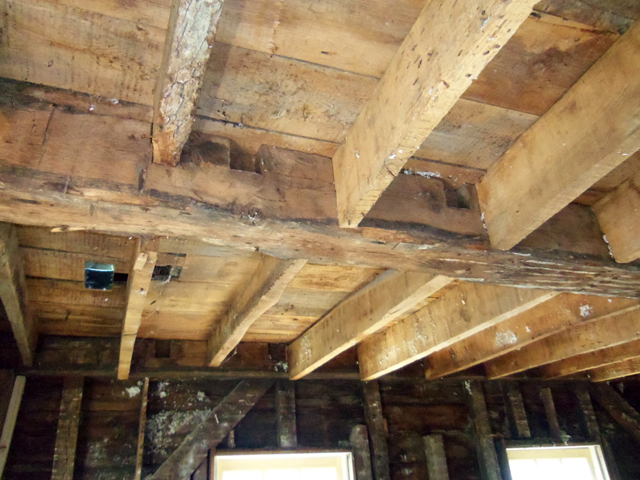
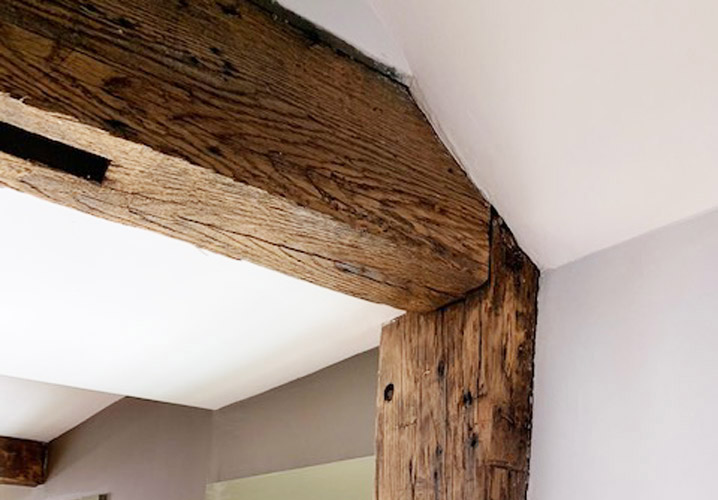
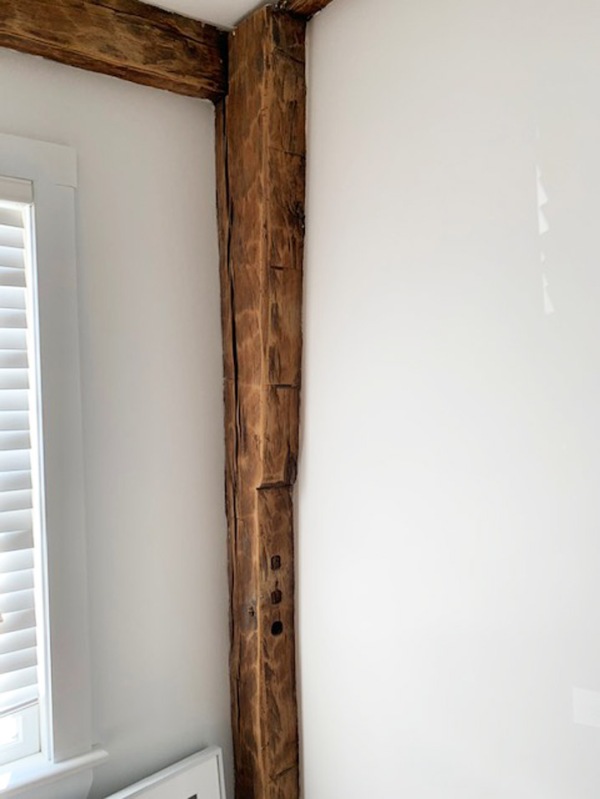
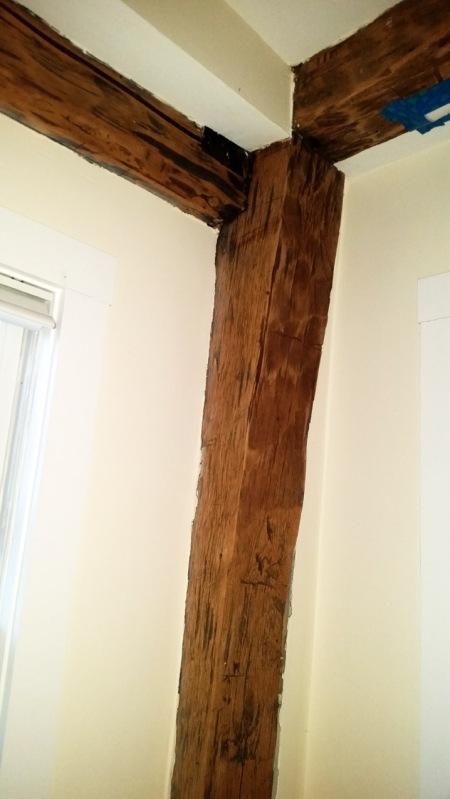
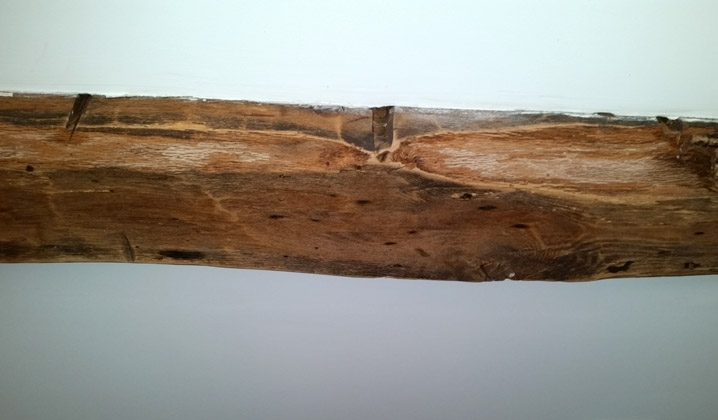
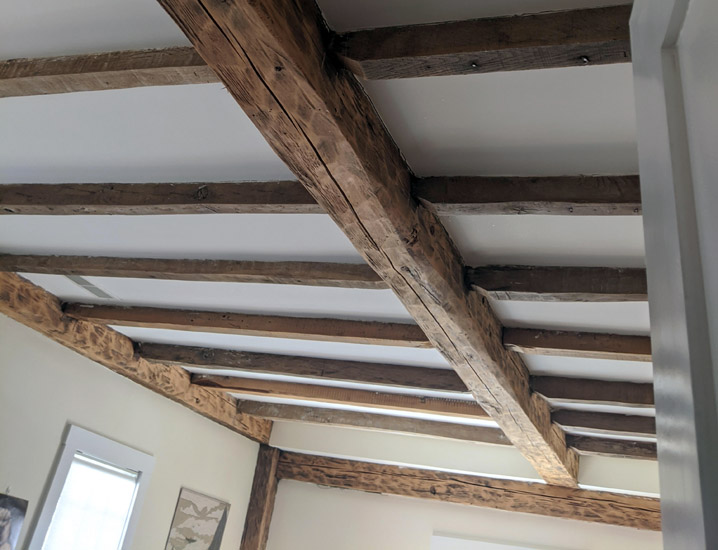
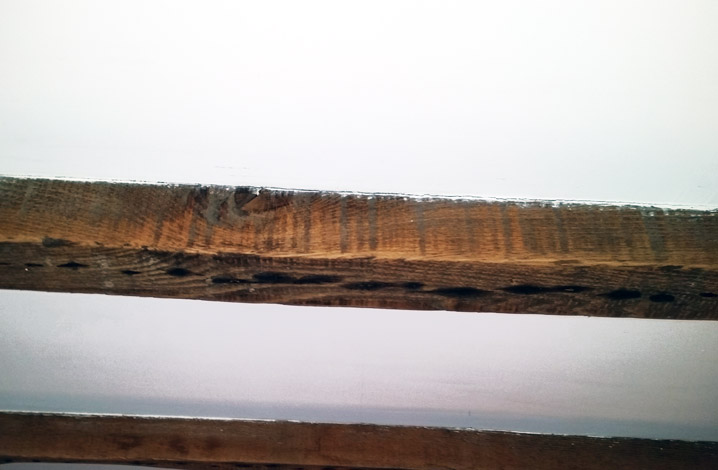
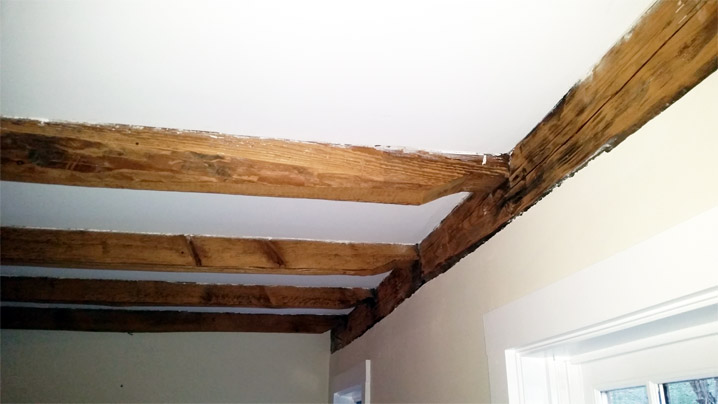
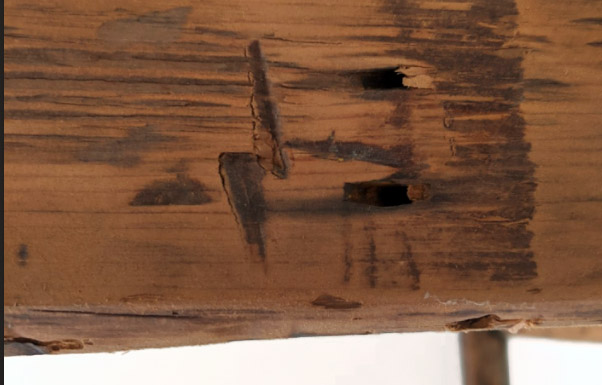
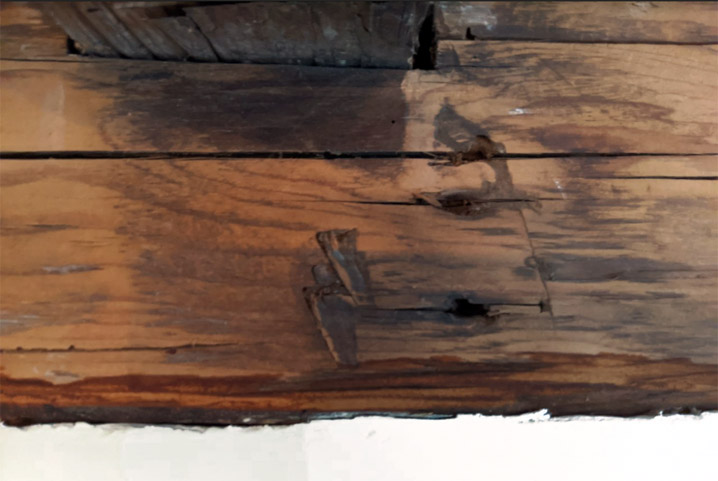
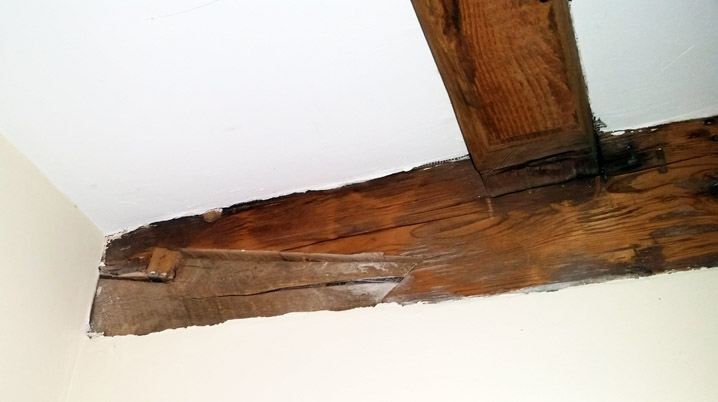
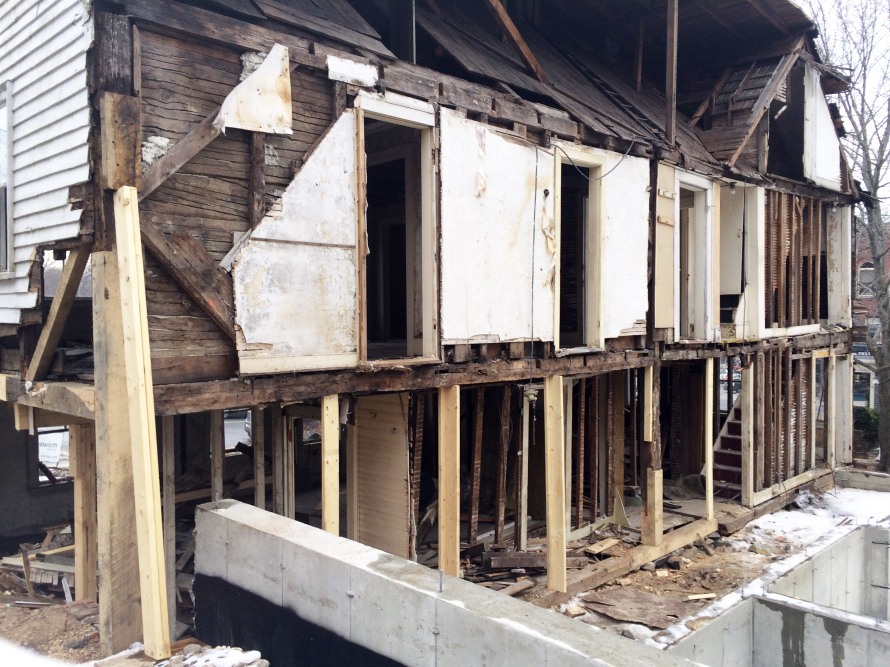
The right side of this house was added in the early 18th Century. The house was restored in 2014, and much of the First Period framing is now exposed.
On March 12, 1637, the General Court of Massachusetts ordered that “every town shall present a man, to be allowed to sell wine and strong water, made in this country; and no other strong drink to be sold.” Taverns were located on all of the main roads leading out of Boston, including the Bay Road, where there were taverns in Salem, Wenham, and Ipswich, among other towns.
Until the 18th Century, inns and taverns were called “ordinaries” because guests would be served whatever was being prepared that day. The license for keeping a tavern was conditional on being near the meetinghouse, for the convenience of reconvening after services to the more comfortable tavern. Also known as “publik houses,” they served as rest spots for travelers and were where courts were kept into the early 18th Century.

On July 24, 1650, “John Sparke” was bound as an apprentice to his “brother-in-law, Obadiah Wood.” Obadiah Wood was a baker (“bisquit baker”) in Ipswich who had been married to John Sparks’s sister, Margaret Sparks, ca. 1646. He began his trade in the house of Thomas Bishop, just below where the Ipswich Public Library now stands. Records spelled his name Spark, Sparke, or Sparkes. He rented the Bishop property for his bakery, and there ran an ordinary, with the license in Bishop’s name. Thomas Bishop’s Publick house was probably where Lydia Wardwell was whipped in 1663 after she was “presented in court for coming naked into the Newbury Meeting House.”
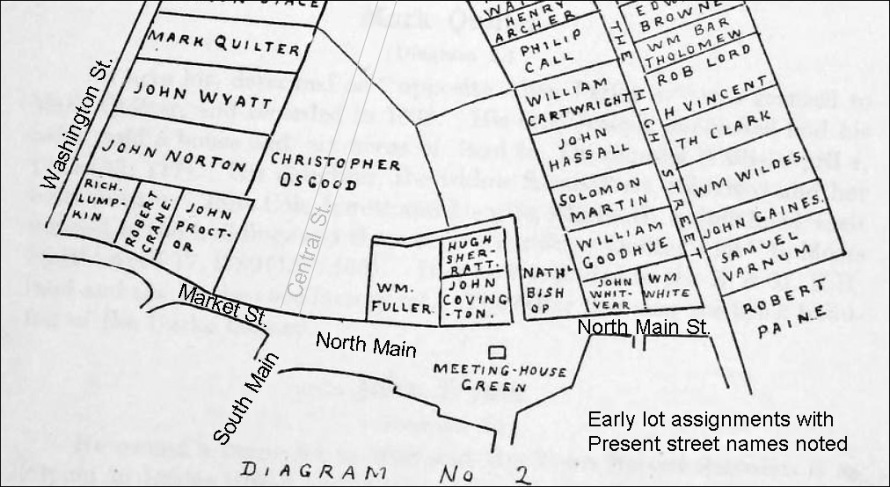
Thomas Bishop died in 1670, and on Feb. 15, 1671, Sparks purchased from Thomas White, two acres that had originally belonged to William Fuller, including a “house, barn, orchard, garden, and paddock or enclosure of arable land adjoining.” (Ips. Deeds 3: 216). At this location, which is today’s 6-8 N. Main St., he established his own business, where he is styled “biskett-baker.”
Thomas Franklin Waters provided the following history of this lot: (Vol. II, p. 345): “William Fuller’s grant was next to Christopher Osgood’s on the northeast by the record of 1635. William Fuller, gunsmith, was ‘lately possessed of one house lot, half an acre of ground, to which he added one house lot, half an acre more, also a parcel in the same place bought of Christopher Osgood, all which as they lye together, being about five roods, the highway to the Mill on east and southeast, the house lot of Thos. Towlinson northeast, the land of Christopher Osgood south and southwest touching upon the house lot of Hugh Sherrat, north.’ This lot, with one small dwelling, he sold to John Knowlton, a shoemaker, in October 1639 (Town Record). The Fuller-Knowlton lot came into the possession of William White, who sold two acres here, with “house, barn, orchard, garden and paddock or enclosure of arable land adjoining,” to John Sparks, “Biskett Baker,” February 15, 1671 (Ips. Deeds 3:216)”
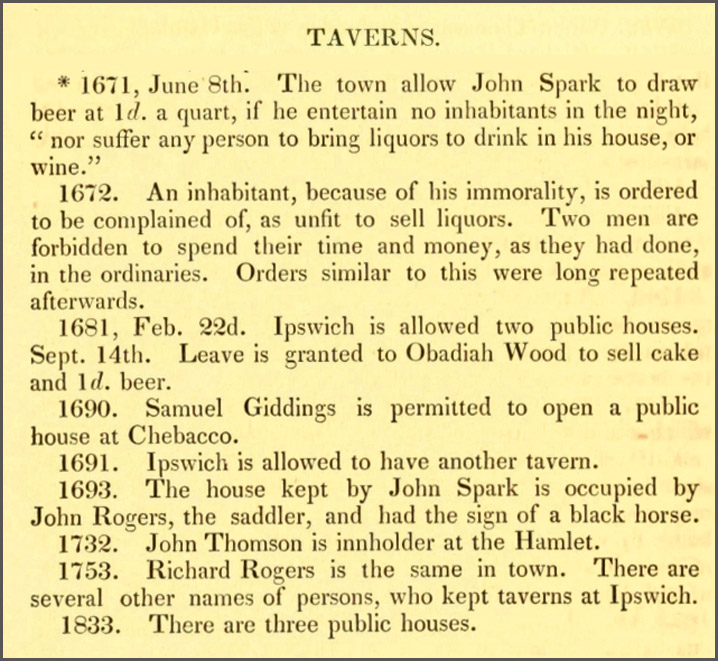
Responding to a special petition of the citizens that Sparks has been unfairly treated by Bishop, the Selectmen granted a license to John Sparks to draw and sell beer at a penny a quart, “provided he entertains no inhabitants in the night, nor suffer any person to bring wine or liquor to be drunk in his house.”
Sparks perhaps operated initially out of the house he had purchased from White, but it’s almost certain that he constructed a larger building for his ordinary in the northeast corner of the lot facing the Meeting House. He quickly gained success and kept his hostelry, known far and near, for twenty years. Men of renown tarried about the well-spread board and drink at Sparks’, and soldiers were quartered there during threats of Indian attacks.
As there was no town house or courthouse until the 18th Century, the Ipswich Quarterly Court met at Sparks’ to hear cases. Thomas Franklin Waters wrote, “The Court held its sessions probably in John Sparks’s inn, on or near the spot now covered by the house now occupied by Mr. Charles W. Brown.” The 1884 Ipswich Map shows the C. W. Brown house at this address. The Court ordered in 1680 that the officers of the Court were not to be paid until “the debts due to the ordinaries for the entertainment of the Court be discharged.”
On Center St. in Danvers, Ingersoll’s ordinary served an identical purpose, and according to historian Charles Upham, Ingersoll’s dwelling house was also separate from his ordinary. In March 1680, the Selectmen of Ipswich ruled that John Sparks’ license for an ordinary be enlarged for retailing wine.
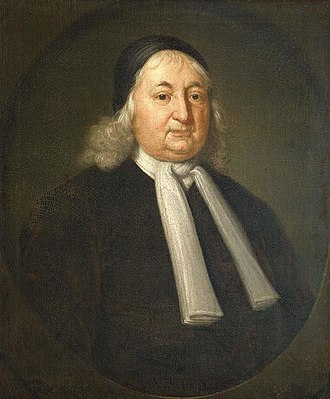
Judge Samuel Sewall kept a diary on his circuits and often stayed at Sparks’:
- Wednesday, Feb. 11, 1684-5: Joshua Moodey and self set out for Ipswich. I lodge at Sparkes’s.
- Next day, Feb. 12, go to lecture which Mr. Moodey preaches, then I dine with Mr. Cobbet, and so ride to Newbury.
- At Wenham and Ipswich, as we went, we were told of the Earthquake in those parts and at Salem (Feb. 8), the Sabbath before about the time of ending the afternoon Exercise; That which most was sensible of was a startling, doleful sound, but many felt the Shaking also.
- Tuesday, Feb. 17, I and Brother, and sister Stephen Sewall ride to Sparkes’s by the Ferry, a great part in the Snow; Dined with Ipswich Select Men. I lodged there; the morning was serene
- Tuesday, March 18, 1687-8: “Waited on the Judges to Ipswich, Mr. Cook and Hutchinson going up the river. I lodged at Sparkes’s, whether Mr. Stoughton and Capt. Appleton came to see me in the evening.”
The Court of Common Pleas, sitting at Ipswich, Sept. 28, 1686, renewed licenses to John Sparks and Abraham Perkins, who succeeded Quartermaster Perkins at his ordinary on High St. “Liberty to sell drink without doors” was granted to Mr. Francis Wainwright, Mr. John Wainwright, and Mr. Michael Farley, the Town’s leaders. Having paid for their licenses, Sparks and Perkins proceeded to bring illegal sellers to judgment.
On the 8th of August 1689, Capt. Simon Willard, with a company of soldiers, arrived and remained at the inns of Sparks and Perkins until the 2nd of September. The following February, the two taverners petitioned the General Court that they were entitled to more than the proposed three pence a meal, “having already set as low a price as we could possibly do, to wit six pence a meal for dinners and suppers beside the great expense of fyerwood, candle and other smaller matters we mention not,” The soldiers had been “entertained with good wholesome diet as beefe, pork and mutton, well dressed to ye satisfaction of both officers and soldiers who gave us many thanks for their kind entertainment when they went from us.”
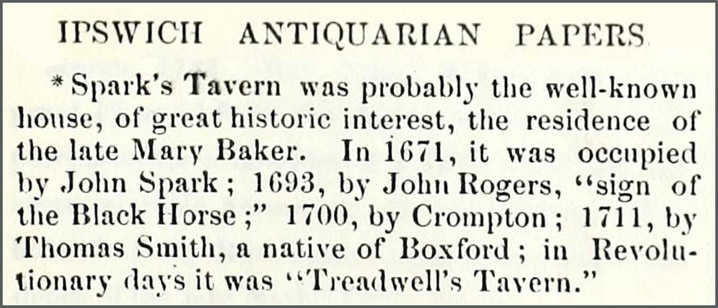
Sparks’ license was renewed annually, but in March 1692, “provided he pay his excise duly as the law requires.” In that year, licenses were granted to John Sparks, Mr. Francis Wainwright, Mr. John Wainwright, Francis Wainwright, Jr., Capt. Daniel Wilcomb, Mr. Abraham Perkins, Mr. Goodhue Senior, and Mr. Michael Farley, “men of the best character.” The innkeepers were put on notice that they “shall not suffer any unlawful play or Games, in said house, garden, orchard or elsewhere, especially by men servants or apprentices, common laborers, Idle persons, or shall suffer any Town Inhabitants to be in said house drinking or tipling on ye Saturday night after ye sunset or on ye Sabbath day, nor wittingly or willingly admit or receive …. any person notoriously defamed of for theft, incontinency or drunkenness …. nor keep or lodge there any stranger person above ye Space of one day and one night together, without notice thereof, first given to such Justice or Selectman as above said.’”
On May 1, 1691, Sparks sold 1 1/2 acres of the two-acre lot he had bought from William White twenty years earlier. The buyer was Col. John Wainwright (1649-1708), one of Ipswich’s leading and wealthiest citizens. The deed (Book 12, p. 118) indicates that included in the sale were Sparks’ bake-house and barn, as well as a “messuage” or tenement. It is unclear if the bakehouse was the same building as the tavern. Sparks retained his dwelling house on the remaining half-acre of land.
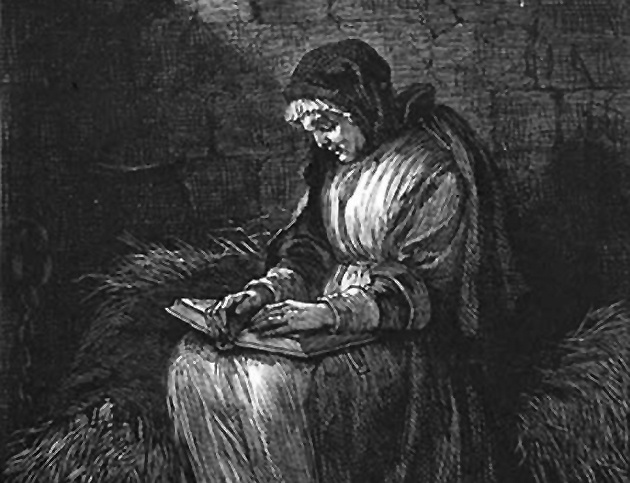
Sparks’ license was renewed one last time in 1692. In April of that year, a summons was issued to several individuals to “Make personal appearance before ye Worshipful Major Samuel Appleton Esq., & ye Clerk of ye Court to be at ye house of Mr. John Sparks in Ipswich on ye 22d Day of This Instant April, at two o’clock afternoon. It’s doubtful that a court session with this many people would be held in the small house that Sparks purchased from Thomas White in 1671. Did he still possess and live in the ordinary? He is no longer referred to as taverner or inn-keeper, but as “Mr.,” which was a term used for men of wealth or esteem.
The summoned individuals were ordered, “Then and There to Give in Your several respective Evidences in behalf of their majesties concerning the clearing up of ye Grounds of Suspicion of Rachell Clinton’s being a witch, who is Then and There to be upon further Examination. So make your appearance according to this Summons, fail not at your peril,” Ipswich, Dated April 21st, 1692. Damning depositions were made against Rachel Clinton by several Ipswich residents, and the following month, she was thrown in jail, shackled with iron fetters. The Rev. Hubbard of First Church and Rev. John Wise of Chebacco Parish made formal appeals for the accused, and Major Appleton stepped down from the court in opposition to the proceedings.
The Court Record of March 1693 bears the entry, “John Sparks, ye Tavern keeper in Ipswich, having laid down his license and ye house being come into ye hands of Mr. John Wainwright, license is granted for keeping of a tavern there to any sober man whom Mr. Wainwright may secure.” Mr. Wainwright enlisted the services of John Rogers, the saddler, who was licensed to sell drink and keep a public house. Rogers’ “Black Horse Inn” was identified in Joseph Felt’s “History of Ipswich, Essex, and Hamilton” (1834) as formerly the inn of John Sparks.
Site of the last of the Salem Witchcraft Trials
Massachusetts governor William Phips was in Maine during August and September 1692, and by the time he returned on September 29, twenty persons had been executed, and Phips’ own wife had been accused. Phips finally let it be known that the Court of Oyer and Terminer “must fall.” He banned the use of spectral evidence, and on October 29, dissolved the Court of Oyer and Terminer, prohibited further arrests, and released many of the accused witches.
On November 25, the General Court of Massachusetts passed legislation creating the Superior Court of Judicature and various lower courts. On January 3, 1693, the new court sat in Salem, tried 21 people, and found three guilty, who Governor Phips then pardoned. The court sat in Charlestown in late January or February and found five persons innocent. In April, it convened in Boston and cleared Captain John Alden by proclamation.
On May 2, 1693, the Superior Court convened in Ipswich with several grand juries, almost certainly at the Black Horse Inn, formerly the tavern of John Sparks. At the Ipswich court, charges were dismissed against all of the accused except Susannah Post, Eunice Frye, Mary Bridges Jr., Mary Barker, and William Barker Jr,. who were all found not guilty, and thus the witchcraft trials met their end in Ipswich.
(Read: Procedures, Courts & Aftermath of the Salem Witch Trials; Wikipedia: Salem Witch Trials)
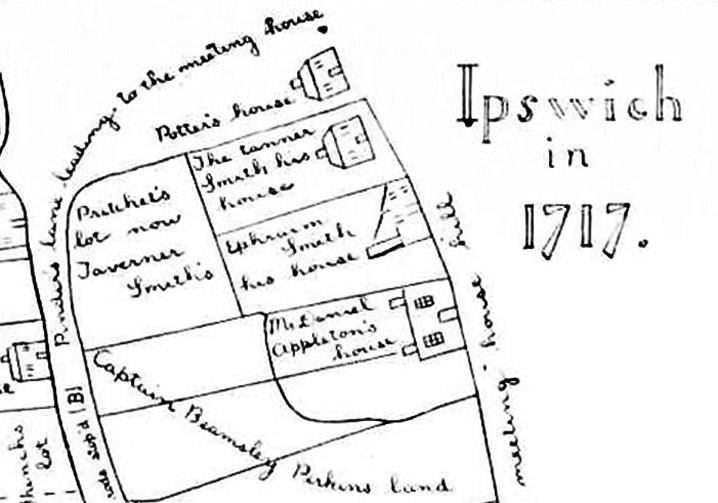
On March 12, 1704, Sparks’ wife’s brother, John Roper, acting as executor of John Sparks’ estate, sold to Col. Wainwright the remaining half-acre and dwelling house “formerly in possession of Mr. John Sparks, now in possession of Mary, widow of John.” (Ipswich deeds, Vol. 18, p. 16). The sale included an additional “two roods (1/2 acre) of ground which I [John Roper] bought of Thomas Metcalf of Ipswich, adjoining the land on which the house stands.” A condition of the sale was that Mary Sparks could remain in the home for the remainder of her life.
On February 6, 1707, Col. Wainwright sold the whole property to Deacon Nathaniel Knowlton (Ipswich Deeds Book 20, p. 145). This deed at this date stated that there were two houses on this lot, a “messuage or tenement now occupied by Thomas Smith, innholder,” and one occupied by the widow, Mary Sparks, “which she is to possess during her natural life, with a garden plot as it is now fenced in, and is situate at the southeast corner of said tenement.” Mary Sparks made her will on December 9, 1711, declaring that she was then living with her daughter Rose, and Rose’s husband, Thomas Newman, and she died a few months later. Wainwright died in 1708, leaving his wife Christian a widow with children.
Deacon Knowlton’s son-in-law, Thomas Smith, “Inn-holder,” was the next to keep a public house in this vicinity. In December 1710, Knowlton divided the property among family members, transferring to Ephraim Smith, tailor, the son of Thomas Smith, a lot on the northeast side abutting Potter’s lot. (*Waters indicated the Potter lot across from the Meeting House at approximately #14 -18 N. Main St.)
On the same day, Nov. 20, 1710, Knowlton sold to Ebenezer Smith and his new wife Deborah Knowlton,” a small dwelling bordering on Col. John Appleton. (Salem Deeds book 23, page 22). This “small dwelling” can be identified with the former residence of John and Mary Sparks which Sparks had purchased from Thomas White. In the following deed, Knowlton also granted to John Smith, son of Thomas Smith, “one small tenement or house and land bounded south by land of Ebenezer Smith and northerly by land of Ephraim Smith.” (Salem Deeds book 23, page 22).
John Smith sold to Jacob Boardman, March 28, 1734, “one certain messuage or tenement situated lying and being on the Northerly side of ye Meeting House Hill” …containing about half an acre more or less,” (69: 198).” After passing through several ownerships in short succession, Anthony Loney sold the lot to Nathaniel Treadwell on May 15, 1742 (84:263). The Taverner Smith lot can be identified as a level area in the rear of #12 N. Main Street. Nathaniel Treadwell opened his well-known inn at #12 N. Main in 1737. It appears from these transactions that Sparks’ tavern was behind Treadwell’s Inn and was being used as a boarding house. It disappears from the records after Treadwell’s purchase.
Treadwell’s Inn
Treadwell’s Inn gained the same renown and importance as the earlier Sparks’ Inn. It was once believed to have been the old Sparks’ Tavern but it seems certain to have been constructed in the 18th Century. Jacob Treadwell inherited from his father, Nathaniel, and his administrator sold to Moses Treadwell, the house and land, “being all that said deceased owned in that place, commonly called the old Tavern lot.”
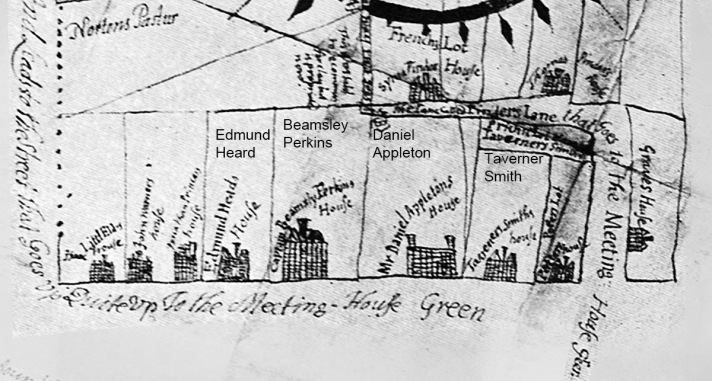
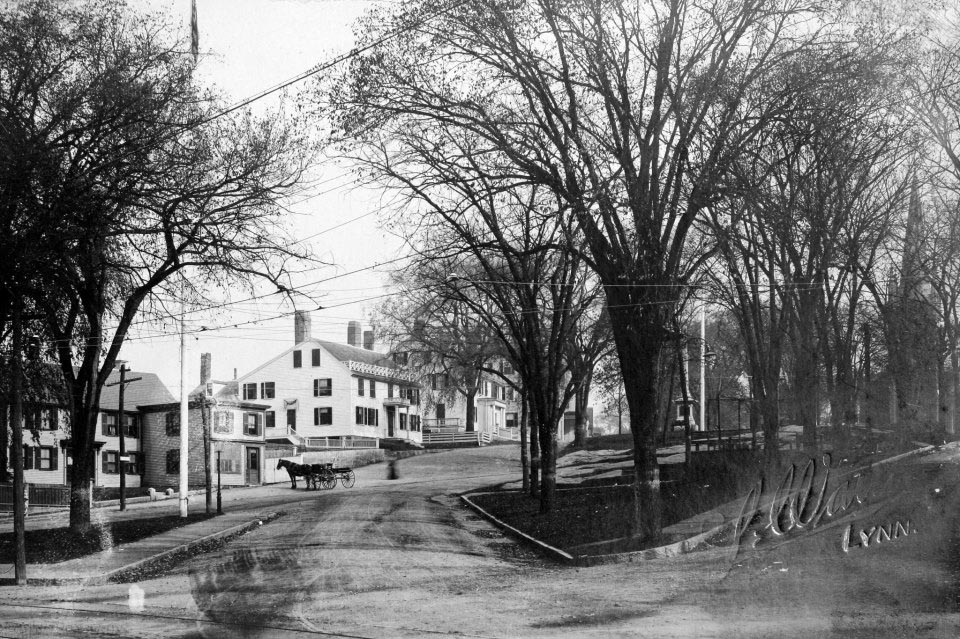
From this, it seems that the Sparks-Rogers-Smith tavern was at or near where the lots at #6, 8, 10, and 12 meet in the rear, which has been greatly filled and graded over the years. Repurposed foundation stones and crude stone steps at that location may be remnants of the old Sparks’ Tavern. Early maps above show a straighter N. Main St., without its present curve. The area of N. Main between the Civil War monument and these houses was filled and reconfigured in the 19th Century. We are told that the Town elevated the houses at #12 – 16 N. Main St. by several feet, and faced the foundations with granite slabs. They did likewise on a section of High St.
Thomas Franklin Waters wrote: “Following the fortunes of Sparks’ Inn… John Rogers, the saddler, was licensed to sell drink and a public house in 1696, and Mr. Wainwright was ordered at the same Court to procure a suitable tenant to live in the house, where John Rogers is now an innholder.’ His inn was called ‘The Black Horse.’ Thomas Smith, “Inn-holder”, kept a public house nearby in 1707, which came later to John Smith, ‘the Taverner,’ and in 1737 Nathaniel Treadwell opened his inn. Benjamin Dutch, at the sign of ‘The White Boy’ received a license in 1719.” (*at the approximate location of #16 N. Main St.)
The Taverners Sparks’ house
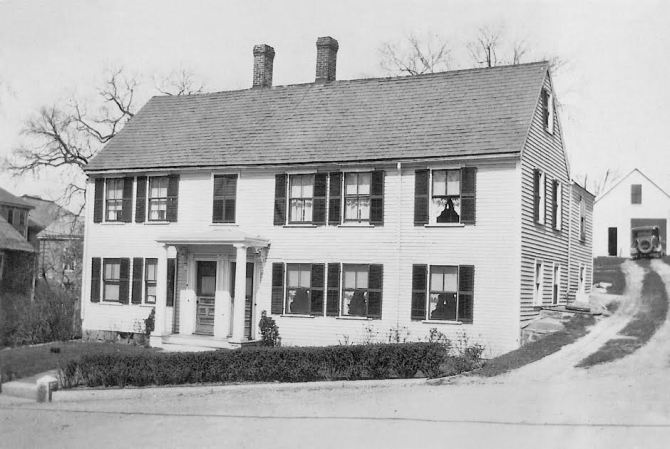
Thus, the exact location of the old Sparks’ Tavern, obscured by local tradition and debated by historians, seems to have been at the rear of the lot John Sparks purchased from Thomas White in 1671. The will of Mary Sparks was proved on July 26, 1712. In the probate court appointment of her executor, Mary’s name is spelled “Spark.” Their residence seems to have been on the left side of the house, still standing at 6 North Main St.
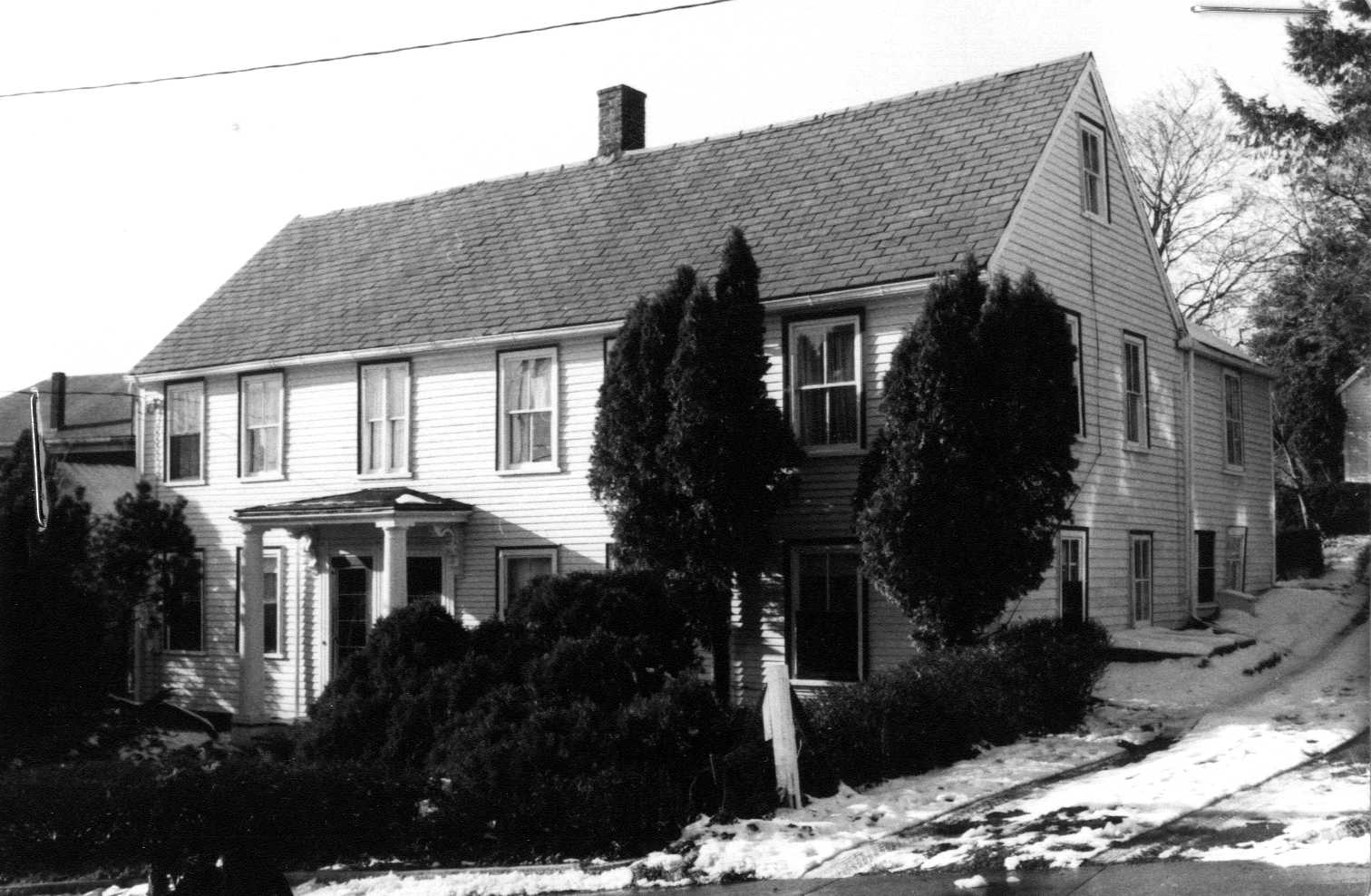
The “small dwelling house” was transferred by Knowlton to Edward Smith in 1710. Ebenezer Smith purchased it in 1717, and the present house at 6-8 N. Main seems to have taken its present larger form under the Smith ownership. In 1747, Ebenezer Smith deeded half a dwelling house, land, etc., with a line running through the front door, with the privilege of a cart-way on the northeast end, and a spring in the cellar, etc.” to Ebenezer Stanwood, peruke maker, for £200. Salem Deeds book 90 page 203. The description matches the present duplex structure, which has a cistern in the cellar and a driveway on the right.
Stanwood sold to Daniel Rogers, for £189, on Nov. 8, 1766 (Salem Deeds book 120 page 81). The “Widow Daniel Rogers” is shown as the owner in the 1832 Ipswich map. Rogers’ heirs sold the left half of this property to Moses Lord, on July 5, 1833 (271: 39), and the right half to Steven Warner on Aug. 21, 1835 (338: 253). In the early 20th Century, the right side of the building had a small pharmacy attached to the front, owned and run by C. W. Brown. In 2014, when the house was renovated, a dilapidated rear ell was removed and replaced with a large addition. The reconstructed building is still a two-family house.
The Christian Wainwright house

Before Ebenezer Smith sold his house to Stanwood, he sold a lot, with fifty feet frontage, to Daniel Tilton, March 1, 1732-3 (68: 149). Tilton sold the lot with “a certain messuage” to Christian Wainwright, on June 2, 1741 (80: 295). Her husband, John Wainwright Jr. (1690-1739) had died at age 49 and left his wife Christian with three children. The great fortune left by his grandfather, Colonel Francis Wainwright, became greatly reduced, and the widow was granted relief by the court to sell various properties in order to care for and educate her children. Her house was in the presently empty small lot between 8 and 12 North Main Street and can be identified as the house of Ebenezer Smith.
Thomas Franklin Waters wrote that in 1845, Joseph Baker bought the Christian Wainwright house and moved it to the intersection of Market and Saltonstall Streets to enlarge his own property, which is described as being the historic old Treadwell Tavern, still standing at 12 N. Main St. The former Christian Wainwright house was used as a tenement, fell into decay, and was removed by the Ipswich Historical Society after they purchased the Whipple House at its original location on Saltonstall St. The Whipple house was moved to the South Green in 1927.
Sources
(*Links to the Salem Deeds site will work only after you initiate a search session.)
- The colonial tavern: a glimpse of New England town life in the seventeenth and eighteenth centuries by Field, Edward, 1858-
- Sue Nelson’s study of the history of this house
- Ipswich in the Massachusetts Bay Colony, Vol 1
- Ipswich in the Massachusetts Bay Colony, Vol 2
- Hammatt Papers: Early inhabitants of Ipswich, Mass. 1633-1700 by Abraham Hammatt
- MACRIS
- Early Homes of the Puritans by Thomas Franklin Waters: A paper presented to the Ipswich Historical Society in 1897.
- Antiquarian Papers
- 12 North Main Street, Treadwell’s Inn (1737)
- The Christian Wainwright house
- Salem Deeds book William White to John Sparks, Feb. 15, 1671 (deed not found)
- Salem Deeds book 12, page 118: Sparks to Col. John Wainwright for £169, Dec. 28, 1697
- Salem Deeds book 18, page 16: John Roper to Col. John Wainwright, a “certain dwelling house which was previously in the tenure of John Sparks,” for £40, March 27, 1705. (*It appears that Sparks owned at least two buildings at this location.)
- Salem Deeds book 20, page 14: John Wainwright to Deacon Knowlton, for £220, “a certain annuity payable by John Smith to Mary Sparks, widow,” April 2, 1708
- Salem Deeds book 23, page 22: Deacon Knowlton to Ebenezer Smith, Nov. 20, 1710
- Salem Deeds book 90 page 203: Ebenezer Smith to Ebenezer Stanwood for £200, half a dwelling house, land, etc., with a line running through the front door, with privilege of a cart-way on the northeast end, Oct. 1747.
- Salem Deeds book 93 page 184: Smith sold Stanwood 20 rods more, for £12, 10 shillings: July 5, 1748
- Salem Deeds book 120 page 81: Ebenezer Stanwood sold to Daniel Rogers for £189, Nov. 8, 1766
- The Life and Family of John and Mary (Roper) Sparks of Ipswich, Massachusetts By Russell E. Bidlack
- Antiquarian Papers
- Records and files of the Quarterly Courts: Will of Thomas Bishop
- The Sabbath in Puritan New England by Earle, Alice Morse, 1851-1911
- Sparks Family Association: John Sparks
- A History of Wenham Taverns
- Diary of Samuel Sewall, Vol 5
- The New England Tavern by Douglas P. Sabin, Staff Historian, Minute Man National Historical Park
Photos

Related posts
 Drunkards, Liars, a Hog, a Dog, a Witch, Disorderly Persons and the Innkeeper - As the young boys who arrived with the first settlers of Ipswich approached adulthood, they developed a fondness for hard liquor and rowdiness, which frequently landed them in court.… Continue reading Drunkards, Liars, a Hog, a Dog, a Witch, Disorderly Persons and the Innkeeper
  The Ross Tavern - A small dwelling was moved in 1735 to the southeast side of the Choate Bridge where it was greatly expanded and became known as the Ross Tavern. The building was moved again in 1940 to the former Wendel Estate on Jeffreys Neck Road.… Continue reading The Ross Tavern
  Rowdy Nights at Quartermaster Perkins’ Tavern - The Quartermaster's house became the scene more than once of violent disorder. The company's behavior was so scandalous that the whole lot were summoned to Ipswich Court on May 1, 1672.… Continue reading Rowdy Nights at Quartermaster Perkins’ Tavern
  Strong Drink - Colonial liquor licenses were granted to Ipswich men of highest esteem. They were bound “not to sell by retail to any but men of family, and of good repute, nor sell any after sunset; and that they shall be ready to give account of what liquors they sell by retail, the quantity, time and to whom.”… Continue reading Strong Drink
  Two Taverns for Two Susannas - In the 1700s two of the finer inns in town were run by a mother and daughter both named Susanna. Although the two houses are both on corners of County Street, they were separated by the river.… Continue reading Two Taverns for Two Susannas
  12 Green Street, the Andrew Burley House (1688) - Andrew Burley became a wealthy merchant and updated the house with fine Georgian features. Burley was a justice of the Sessions Court and representative to the General Court.… Continue reading 12 Green Street, the Andrew Burley House (1688)
  61 Turnpike Road, the John Foster House (1780) - The sign that hung at Foster's Tavern has been stored in a barn at the Ipswich Museum for a century.and reads, "I shoe the horse, I shoe the ox
I carry the nails in my box
I make the nail, I set the shoe, And entertain some strangers too."… Continue reading 61 Turnpike Road, the John Foster House (1780)
61 Turnpike Road, the John Foster House (1780) - The sign that hung at Foster's Tavern has been stored in a barn at the Ipswich Museum for a century.and reads, "I shoe the horse, I shoe the ox
I carry the nails in my box
I make the nail, I set the shoe, And entertain some strangers too."… Continue reading 61 Turnpike Road, the John Foster House (1780)  26 North Main Street, the Agawam House Hotel (1806) - Nathaniel Treadwell built the second Treadwell's Inn in 1806. In the mid-1800s the inn was modernized with Victorian architectural elements and was renamed the Agawam House. It continued to be the town's first class hotel until it closed in the late 1920s.… Continue reading 26 North Main Street, the Agawam House Hotel (1806)
  52 Jeffreys Neck Road, Ross Tavern – Lord Collins House (c. 1690) - The house was moved from South Main Street in 1940 by David Wendel and restored to a high-style First Period appearance on the basis of observed physical evidence. The Collins-Lord house on High Street was moved and attached to the rear of this house.… Continue reading 52 Jeffreys Neck Road, Ross Tavern – Lord Collins House (c. 1690)
  34 High Street, the White Horse Inn / Jeremiah Lord House (1659 / 1763) - John Andrews, innkeeper sold this lot with a house in 1659. The First Period structure was greatly altered and expanded after its purchase by Jeremiah Lord in 1763, and took its present appearance around 1800. … Continue reading 34 High Street, the White Horse Inn / Jeremiah Lord House (1659 / 1763)
  2 Poplar Street, Swasey Tavern (1718) - John Ayres built a house in 1693, and sold it in 1705 to John Whipple, who did extensive alterations. In 1725 Increase How purchased the "good mansion house” from Whipple and ran an inn. In 1789 President George Washington addressed the citizenry from these steps. It was owned by General Joseph Swasey in the early 19th Century. … Continue reading 2 Poplar Street, Swasey Tavern (1718)
  1 Turkey Shore Road, the Burnham-Patch-Day House c. 1670-1730 - This house has a preservation agreement with the Ipswich Historical Commission. The house was built by Thomas Burnham in 1730 on the foundation of the earlier house he bought in 1667. The large ell on Poplar Street was added in the early nineteenth-century. Abner Day bought the house of the heirs of John Patch in 1814 and kept a well-known tavern.… Continue reading 1 Turkey Shore Road, the Burnham-Patch-Day House c. 1670-1730
  8 East Street, the Captain Matthew Perkins House (1701) - Winner of the 1991 Mary Conley Award, this well-preserved 1st Period house sits on a former orchard lot that was sold in 1701 by Major Francis Wainwright to Matthew Perkins, a weaver and soldier. In 1719 Perkins opened an inn and tavern in this house, "at the sign of the blue anchor."… Continue reading 8 East Street, the Captain Matthew Perkins House (1701)
  1 High Street, the Nathaniel Rogers Old Manse (1727) - The house was constructed for the Rev. Nathaniel Rogers in 1727 by Ipswich cabinet-maker, Capt. Abraham Knowlton. In the early 1900s the building was known as "ye Olde Burnham Inn". This house is protected by a preservation agreement with the Ipswich Historical Commission.… Continue reading 1 High Street, the Nathaniel Rogers Old Manse (1727)
  12 North Main Street, Treadwell’s Inn (1737) - In 1737, Captain Nathaniel Treadwell opened an inn in this building. John Adams visited Ipswich frequently during the 1770s in his capacity as a lawyer and always stayed at Captain Nathaniel Treadwell's inn. It was once erroneously named the Christian Wainwright house, which no longer stands.… Continue reading 12 North Main Street, Treadwell’s Inn (1737)
  6-8 North Main St., Taverner Sparks (c. 1671-1710) - The left side of this first period house was the home of taverner John Sparks and his wife Mary. The right side was added in the early 18th Century during ownership by the Smith family. Sparks' nearby hostelry was known far and wide, and sessions of the Quarterly Courts met there for 20 years.… Continue reading 6-8 North Main St., Taverner Sparks (c. 1671-1710)
  Historic Ipswich
Hi Sandy, do you still have pictures that you can send me? My address is 17 Mill Rd., Ipswich MA 01938. Gordon Harris, town historian.
Hi Gordon,
I am actually traveling up to Ipswich in a few weeks. I have things to donate to the Historical Society like art work by George Dexter and the original clock from the boat called the Carlotta, and many artifacts that came from the attic in the house.
I have more pictures and very old postcards of the town. One picture is framed, so it could be given to you personally if interested in meeting together. I will be in Ipswich around March 8th to the 10th, but only a daily visit because we are staying in our timeshare unit in Maine.
My home phone is 828-625-9253 . When traveling starting March 3rd my cell phone is 828-748-0466
Sincerely, Sandy
My aunt lived in this house for over 60 years and took care of Nellie Starkey when she was ill (formerly Nellie Brown). I have many pictures and articles kept in the building over the years. I obtained the the home when my aunt (Helen Campbell) lived with me during her final years. I then sold the home to the developer who added all the additions to the rear of the house. At some point, I would like to donate some of these things to who ever might be interested. I appreciate the fascinating history of this house. Sandra
Yes! I would like to receive or scan any old photos you have. –Gordon Harris, town historian, historicipswich@gmail.com