
Throughout the Revolutionary War, Joseph Hodgkins sent letters home from the battlefronts to his wife, Sarah Perkins Hodgkins.

On the Massachusetts North Shore
Throughout the Revolutionary War, Joseph Hodgkins sent letters home from the battlefronts to his wife, Sarah Perkins Hodgkins.
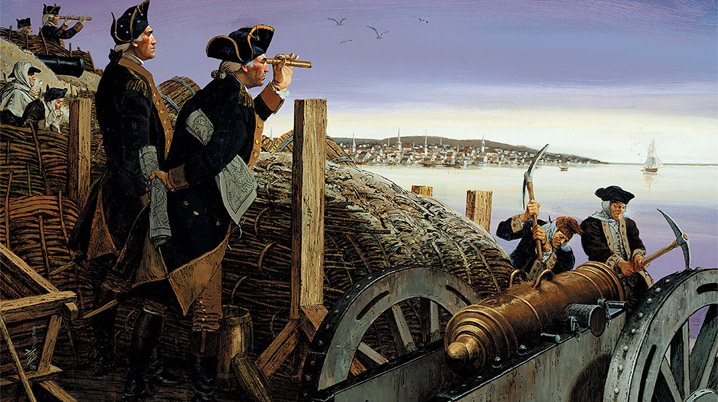
The above painting by Louis S. Glanzman is courtesy of the National Park Service. The siege of Boston by Patriot forces began on April 19, 1775, in the aftermath of the battles at Lexington and Concord. In June the British technically won the Battle of Bunker Hill, but suffered heavier casualties, with no effect on the Continental… Continue reading Evacuation Day, March 17, 1776
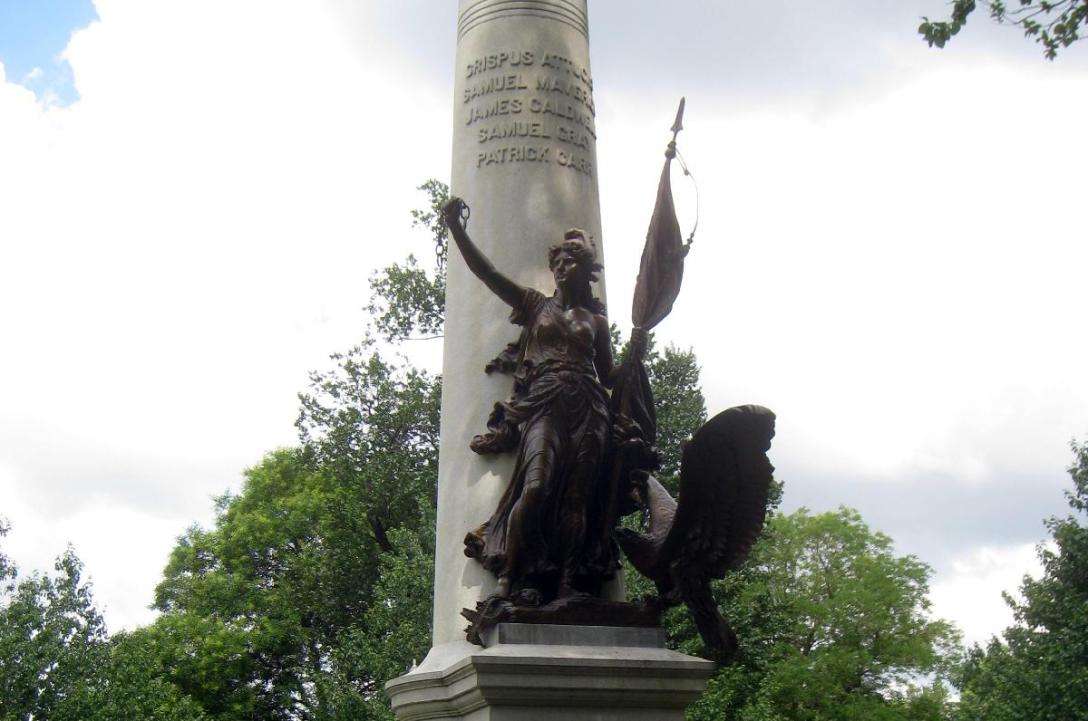
The following is an excerpt from a presentation given on November 14, 1889, at the dedication of the Boston Massacre and Crispus Attucks Monument at Boston Common, which memorializes victims Crispus Attucks, Samuel Maverick, James Caldwell, Samuel Gray, and Patrick Carr. ADDRESS BY MR. JOHN FISKE The troubles and disorders in Boston, which led to… Continue reading Memorial to Crispus Attucks
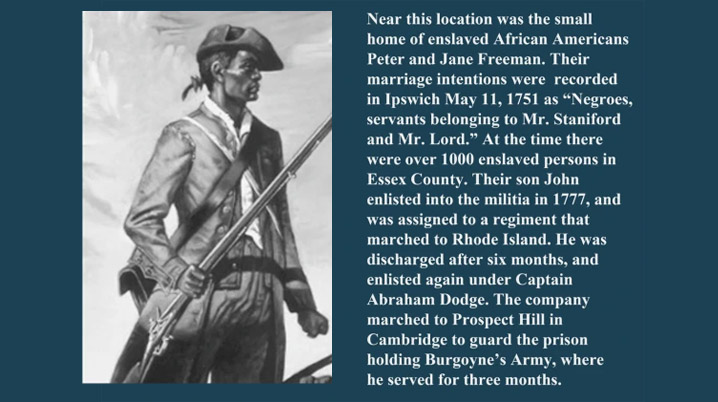
John Freeman, son of enslaved Peter and Jane Freeman of Ipswich, enlisted into the militia of the Revolutionary War in the year 1777, and served in Rhode Island, Providence and Cambridge.
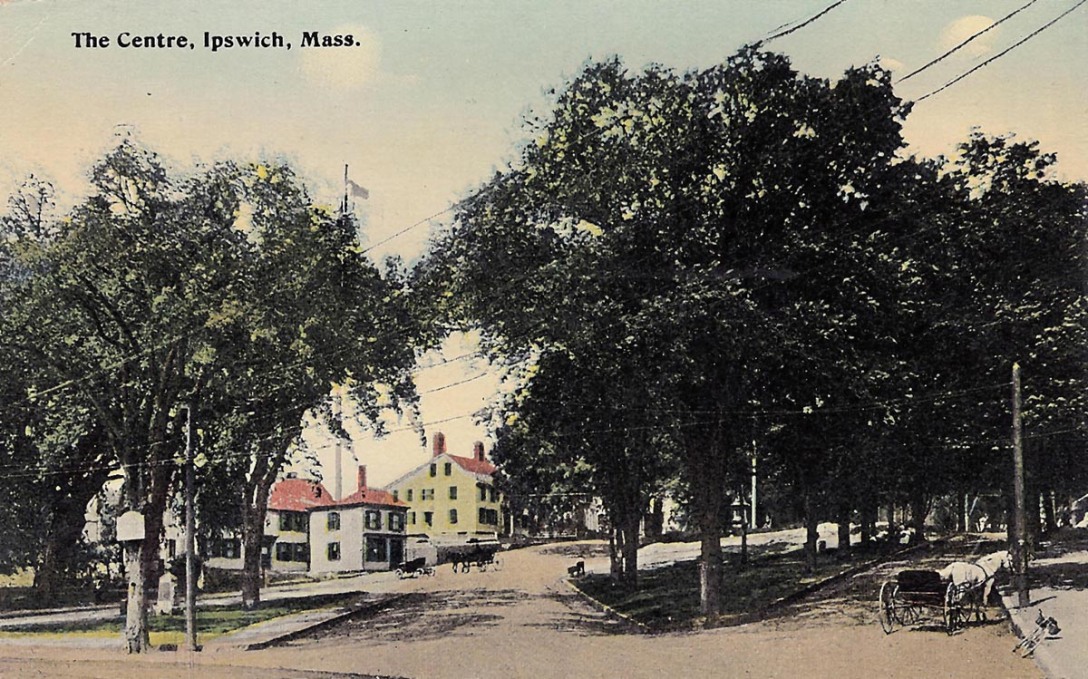
Notifications were posted in Salem to gather at the Town House to appoint representatives to meet at Ipswich, on September 6, 1774 along with the representatives of the other towns in the county, to consider "to consider and determine on such measures as the late acts of Parliament, and our other grievances render necessary and expedient."

Ipswich Minutemen played an important role in the siege that led to the evacuation of Boston on March 17, 1776.

Capt Nathaniel Wade's company and Capt. Abraham Dodge's company fought from the trenches in Col. Moses Little's regiment. 18-year-old Jessie Story of Chebacco Parish was killed, the first Ipswich man to lay down his life in the struggle for Independence.
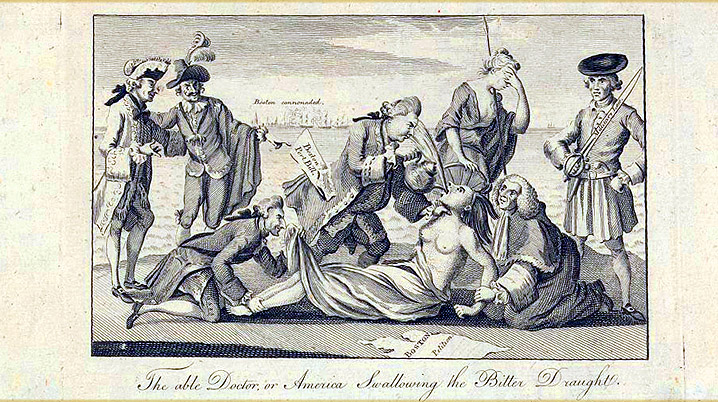
Despite the failure of the Stamp Act and the Townshend Acts, the British Parliament responded to the "Boston Tea Party" by passing even more restrictive acts to punish the American extremists.
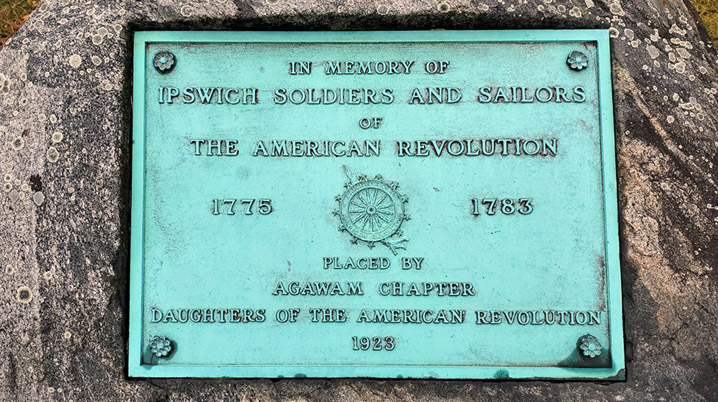
On June 10th, 1776, the men of Ipswich, in Town-meeting assembled, instructed their Representatives, that if the Continental Congress should for the safety of the said Colonies Declare them Independent of the Kingdom of Great Britain, they will solemnly engage with their lives and Fortunes to support them in the Measure.

In September 1776, the vulnerable Continental Army under George Washington evacuated New York after a devastating defeat by the British Army. One of Washington's favorite generals, Benedict Arnold, miraculously succeeded in postponing the British naval advance down Lake Champlain that might have ended the war. Thomas Franklin Waters wrote about Arnold's march through Ipswich on the way to Quebec "The… Continue reading Benedict Arnold and the Fate of the American Revolution

In John Adams’ 1765 opposition to the Stamp Act, he referenced the citizens of Ipswich who resisted a tax imposed by the Crown in 1687. An Ipswich town meeting on August 11, 1768 approved of "the Conduct of those Gentlemen of the late House of Representatives...when it was required of them at the Peril of their Political Existence." The Town meeting on Dec. 28, 1772 supported the rights of the Colonists as British subjects, and established a Committee of Correspondence to communicate resistance with the Committees of other towns. Delegates from throughout Essex County arrived in Ipswich on Tuesday, Sept. 6, 1774, and by unanimous vote, bound themselves together in establishment of the Provincial Congress for the common safety.

Royal Navy Captain John Linzee commanding the sloop-of-war HMS Falcon, chased a scooner into Gloucester Harbor, upon which the townspeople responded with their militia. Linzee failed in his attempt to retaliate by burning the town, and the patriot forces captured three dozen British seaman.
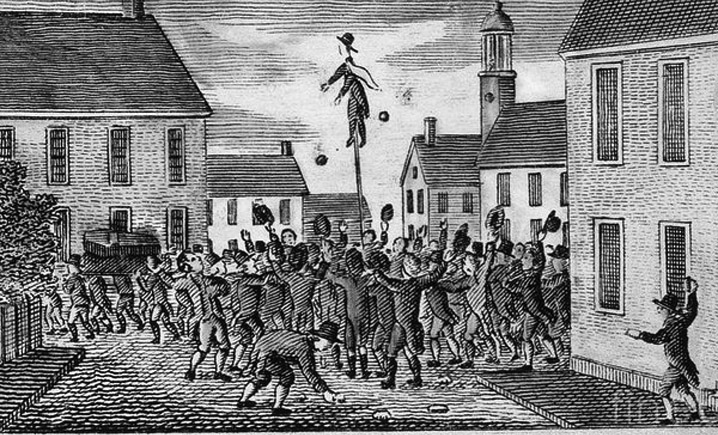
An angry mob surrounded the Haverhill home of Col. Richard Saltonstall, a Loyalist, who opened his door and stated that that he was bound to discharge the duties of the office.

The manner in which residents of Ipswich celebrated the end of hostilities was recorded in "The Life, Journals and Correspondence of Rev. Manasseh Cutler."
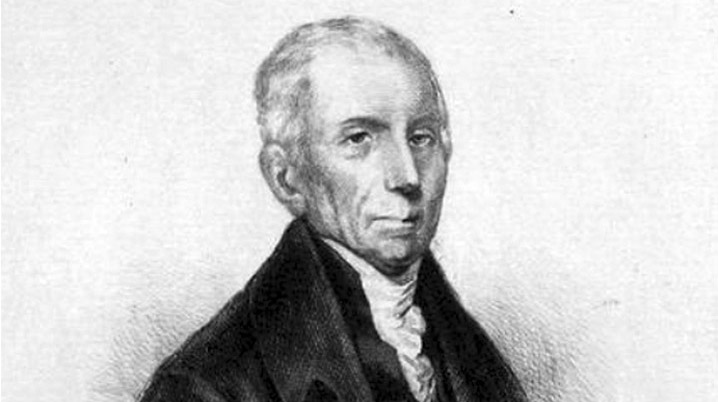
Nathan Dane, a native of Ipwich was a Massachusetts delegate to the Continental Congress, where he helped draft the Northwest Ordinance, which was enacted in 1787. Dane’s amendment banning slavery in the territory, which would become five new states was accepted into the Ordinance. His amendments to the Articles of Confederation helped lead to adoption of the United States Constitution and a Bill of Rights.
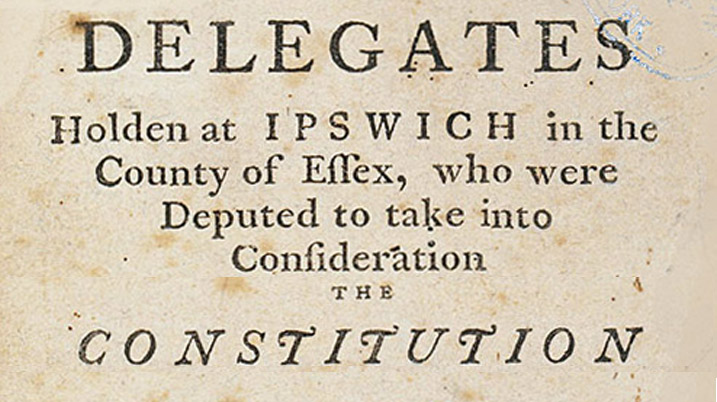
Delegates from 67 towns arrived in Ipswich on Tuesday, Sept. 6, 1774 "to consider and determine on such measures as the late acts of Parliament" and declaring support for a Provincial Congress. They reconvened four years later to debate a draft constitution for Massachusetts.
 Historic Ipswich