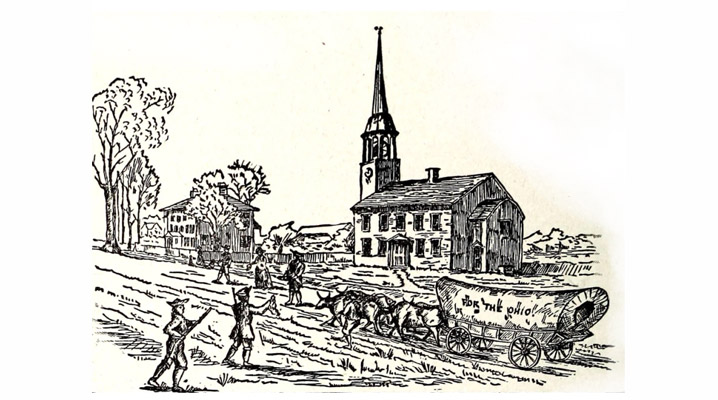
This remote area was originally known as Ipswich Farms. After the residents began pressing for their own church, the Massachusetts General Court on June 4, 1746, created the Linebrook Parish, the boundries of which were defined by 6 brooks and lines connecting them. The community had a church, store, school and its own militia.
Category: Stories
1793 and 1818: the “Burden of the Poor” Divides Ipswich into 3 Towns, Ipswich, Hamilton and Essex
Choate Island and Rufus Choate
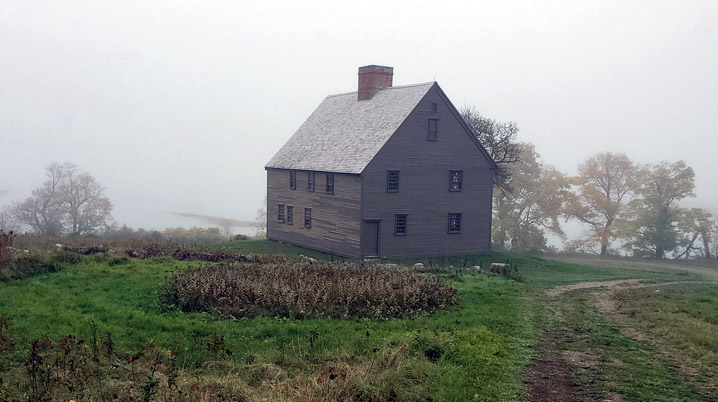
Choate Island was originally known as Hog Island, and is the largest island in the Crane Wildlife Refuge and is the site of the Choate family homestead, the Proctor Barn, the White Cottage, and the final resting place of Mr. and Mrs. Cornelius Crane. There are great views from the island summit of the Castle Neck dunes and Plum Island Mount Agamenticus in Maine.
The Mill Road Bridge and the Isinglass Factory
Two Taverns for Two Susannas
Four-Year-Old Dorothy Good is Jailed for witchcraft, March 24, 1692
The Plantations at New Meadows, Now Topsfield
Large allotments of land in today's Topsfield were granted in the early 17th Century by the colony's leaders, comprising more than one-half of the town's present acreage. The persons who were awarded the lots, sometimes referred to as "king's grants" were merchants and men of influence and power who had joined the Massachusetts Bay Company.
Sketches of Cape Ann
Daniel Hovey
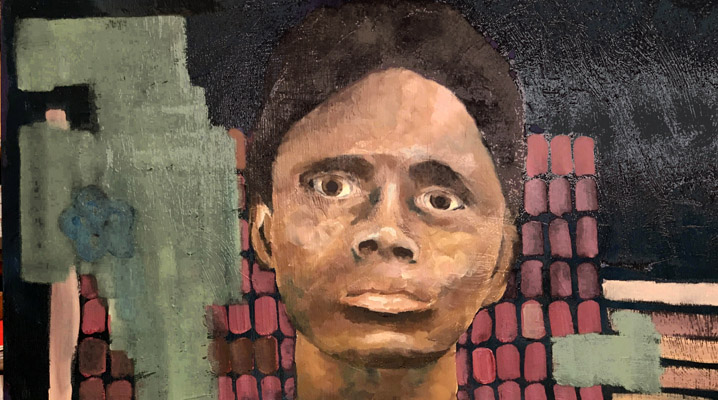
Freedom for Jenny Slew
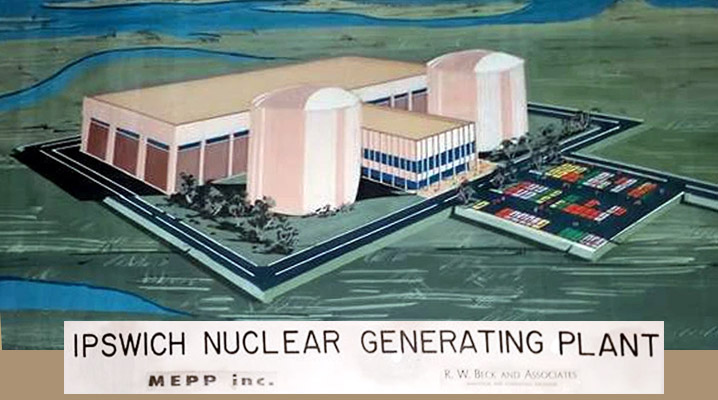
Nuclear Ipswich, 1967-1970
The Jewel Mill and Stone Arch Bridge
“Dalliance and Too much Familiarity”
The Commons
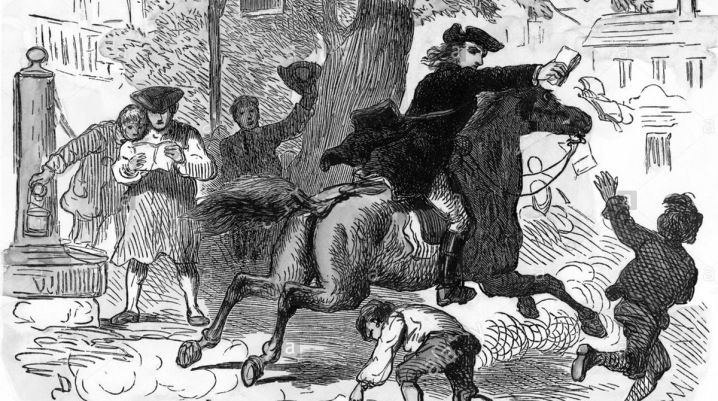
Paul Revere’s Not So Famous Ride Through Ipswich, December 13, 1774
Stories From the Courts
In 1641, the General Court established four quarter-annual courts kept yearly by the magistrates of Ipswich & Salem, two to be held at Salem & the other two at Ipswich, with jurisdiction in all matters not reserved to the Court of Assistants. Read stories of Ipswich residents who faced the magistrates.