
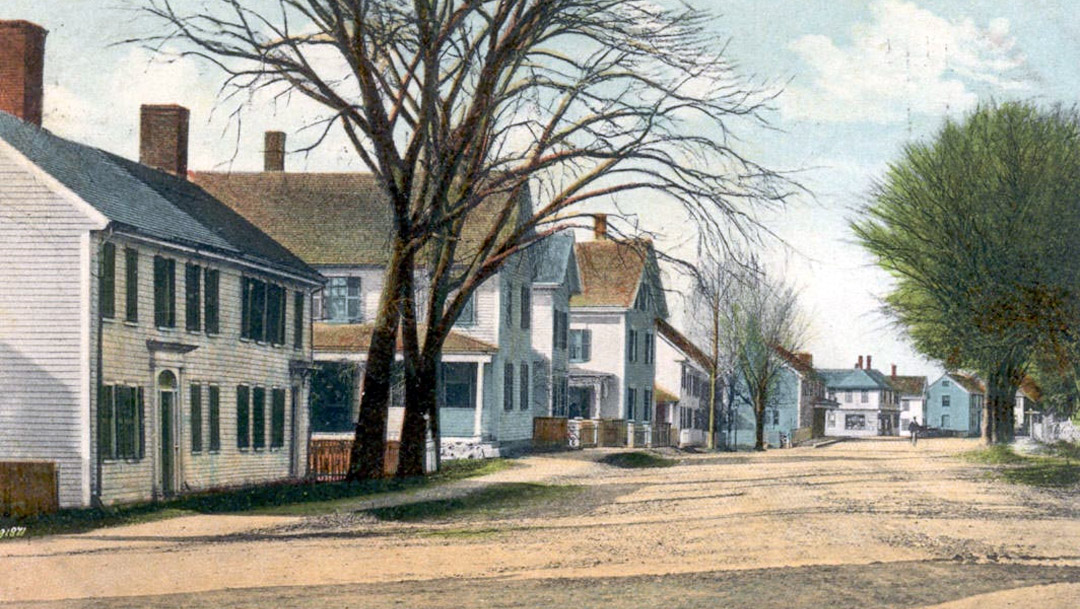
High Street dates back to the founding of Ipswich in 1633, a major residential and commercial street of the new community. The High Street Historical District in Ipswich was added to the National Register of Historic Places in 1980. High Street was once the main residential and commercial street of the new community, and several of the 17th, 18th, and 19th-century houses that still remain once served as taverns, stores, or craftsmen’s shops. High Street was part of the Old Bay Road, and an overnight stagecoach stop in Ipswich was established by 1761. After Central Street was built in 1871, much of the High Street traffic was redirected.
The High Street District extends east and west along the side of Town Hill, from the intersection with North Main Street on the east to the viaduct over the B & M Railroad, tracks on the west. The district includes the 1634 Burial Ground and intersects the East End and Meeting House Green historic districts. Lord’s Square is not included in the district, having lost its historic character. The High Street Historic District is listed on the MACRIS site. Download a PDF with a complete description of the High Street Historic District.
Two popular inns were located on High Street, the White Horse Inn and the Abraham Perkins Inn. Both were in business by the mid-17th century, and both were infamous among the townspeople for many riotous evenings. During the 18th century, cabinetmaker and carpenter shops lined High Street. Industry shifted to textiles in the 19th century, and this main boulevard was the site of two important enterprises.
Between 1827 and 1832, the New England Lace Company operated out of Dr. John Manning’s House, which no longer stands. After High Street traffic was redirected to Central Street in 1871, the street began to acquire its purely residential character, and it remains so today. The High Street District extends east and west along the side of Town Hill, from the intersection with North Main Street on the east to the railroad overpass on the west. The High Street District includes the 1634 Burial Ground that extends up Town Hill. Beyond this area were the common pastures in the 17th century.
Thomas Franklin Waters wrote in Ipswich in the Massachusetts Bay Colony that in past times High Street was also called Hill Street, Great Street, Broad Street, Long Street, Bay Road, and The King’s Highway. The section beyond the Old North Burial Ground was “the West End,” a tradition long forgotten, but going in the other direction, High Street abruptly changes its name to East Street, and that neighborhood is still known as “the East End .”
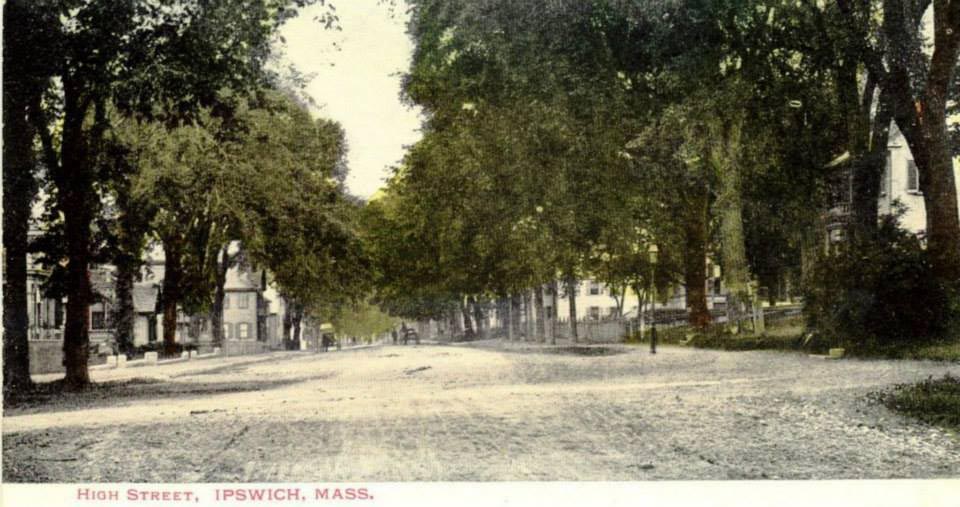


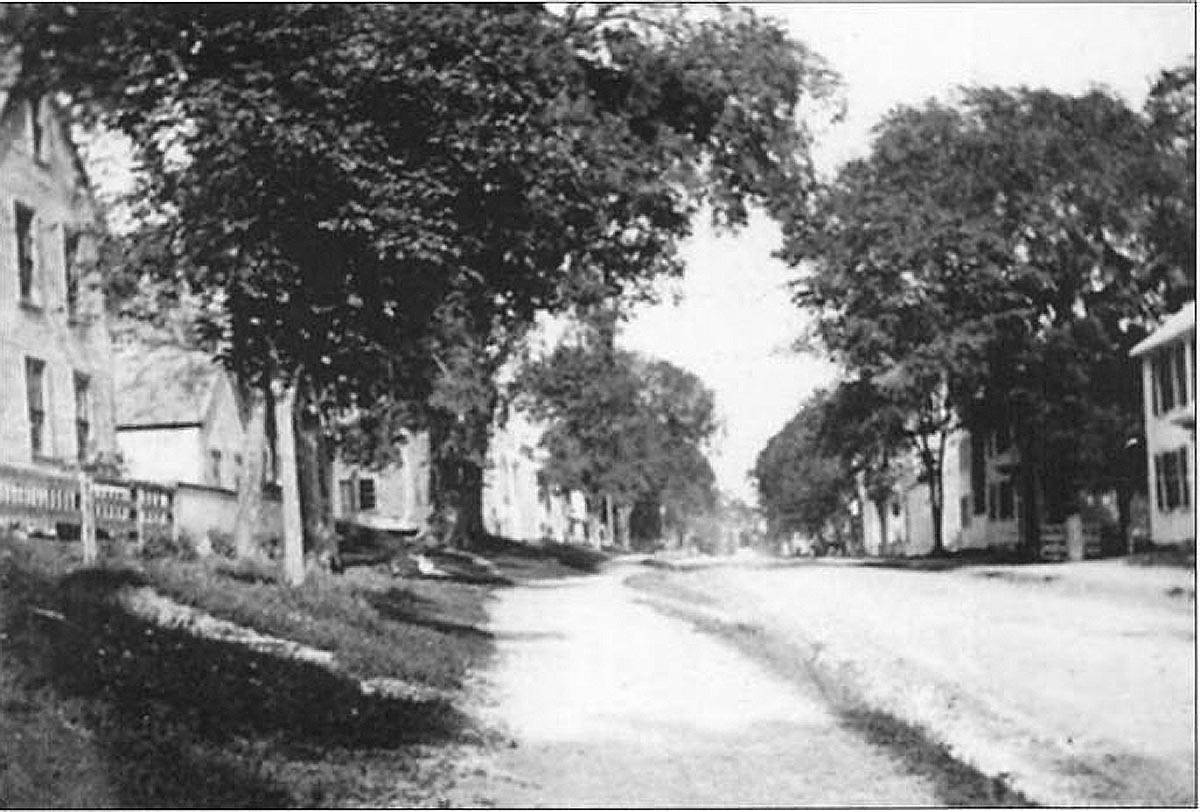

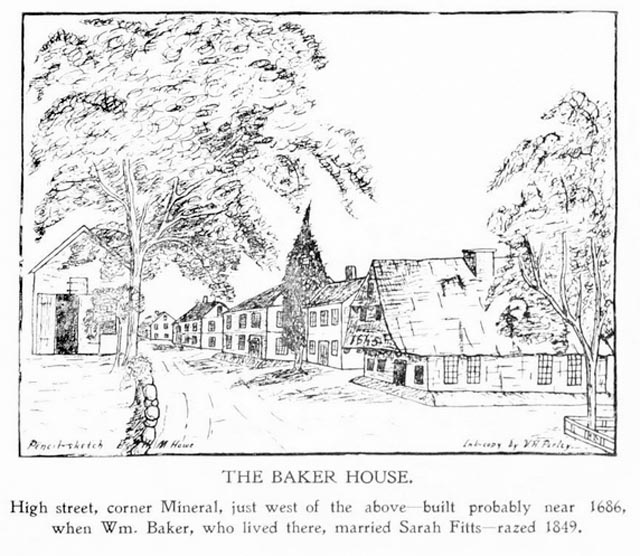
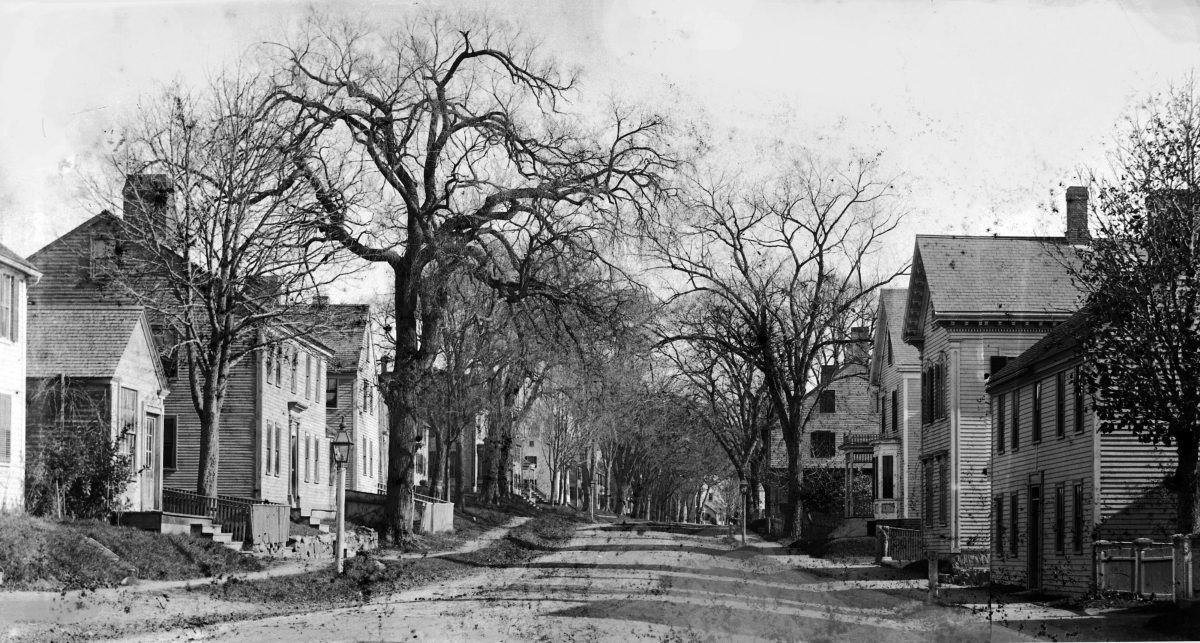
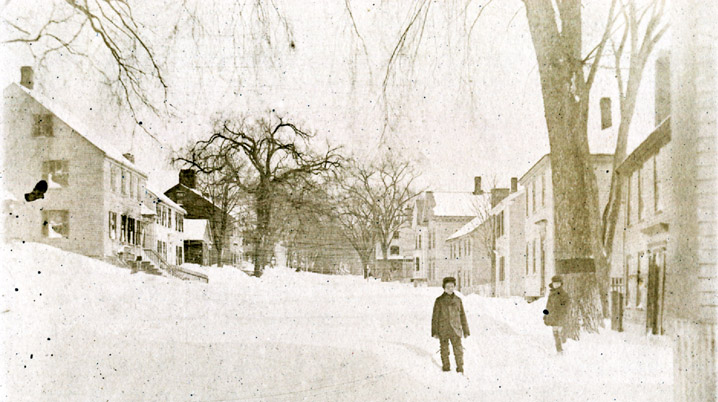
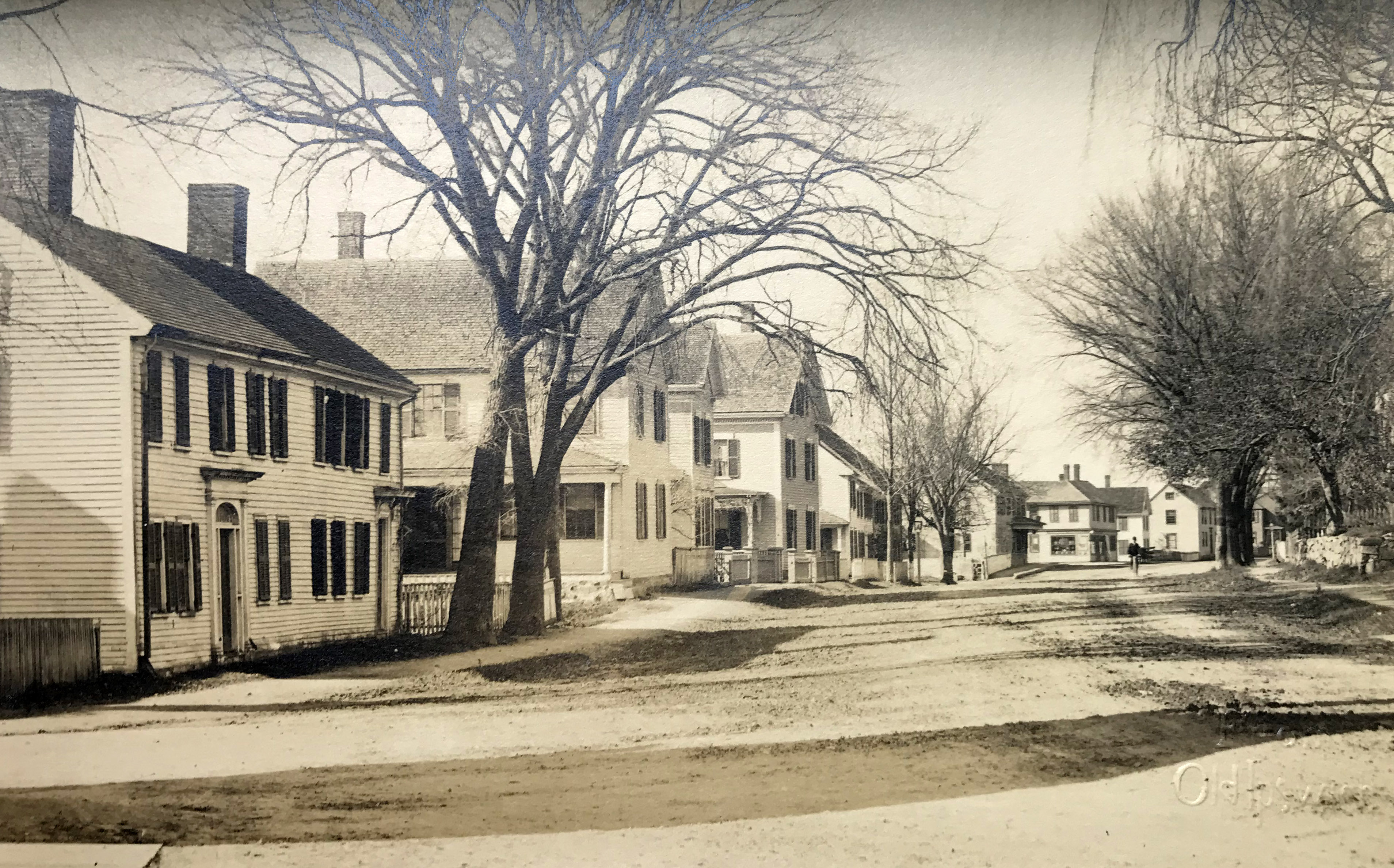

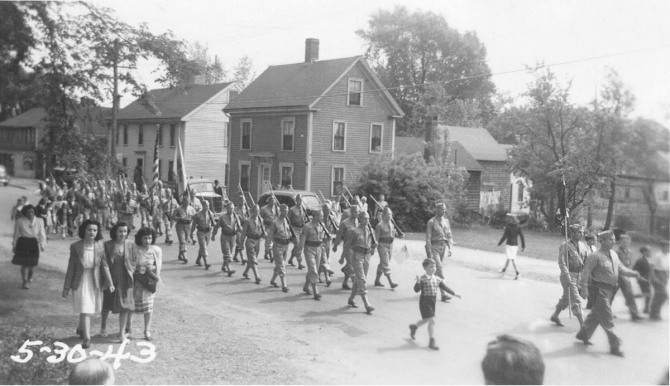

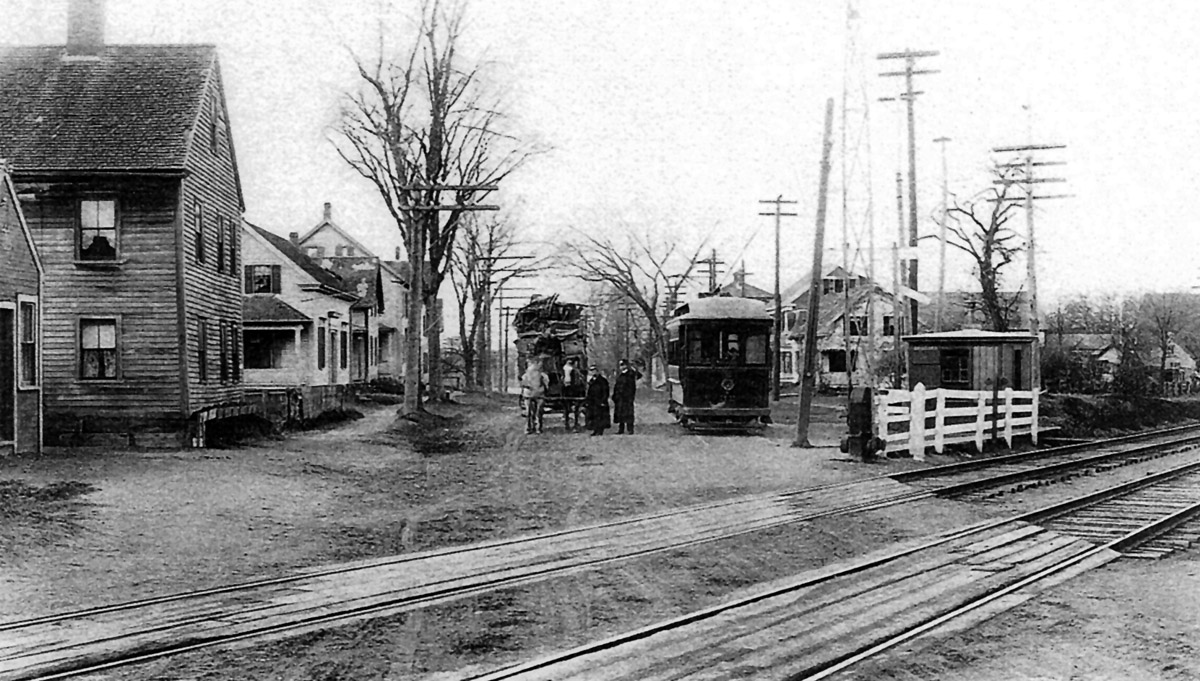

Houses in the High Street Historic District

1 High Street, the Nathaniel Rogers Old Manse (1727) – The house was constructed for the Rev. Nathaniel Rogers in 1727 by Ipswich cabinet-maker, Capt. Abraham Knowlton. In the early 1900s the building was known as “ye Olde Burnham Inn”. This house is protected by a preservation agreement with the Ipswich Historical Commission.
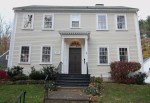
3 High Street, the John Gaines House (1725) – The John Gaines house at 3 High St. is a 1725 building remodeled in 1806 with Federal trim. The Gaines family in Ipswich are famous for the chairs they produced. The home also served for over one hundred years as the Episcopal rectory.

6 High Street, the Joseph Ross House (1884) – This Victorian home was built by Joseph Ross, who designed the country’s first movable span bridge, which he patented in 1849 at the age of 26. His horizontally folding drawbridge became the most common railroad bridge type in the Boston area.

8 High Street, Frederick and Sally Ross House (1887) – Fred G. Ross was a director of the Joseph Ross Corporation, founded by his father who lived next door. The company contracted large construction projects in the Boston area.

9 High Street, the Samuel Newman House (1762) – Joseph Newman built the house at 9 High Street in 1762. It was later owned by Samuel Newman. The present form of this house is composed of at least 3 structures, and the attic tells the story. It started out as a colonial home with a center chimney and center entrance.

12 High Street, the William Russell House (1890) – This is a Queen Anne period house built in 1890, relatively unusual in Ipswich. The sitting room contains a fireplace decorated with sea serpents. According to local tradition, this house had the first inside bathroom in Ipswich.

13 High Street, the Joseph Willcomb House (1669-1693) – John Edwards, a tailor, acquired the property in 1668. The earliest section was built by Edwards or his son when he inherited the property in 1693. The house is named for Joseph Willcomb, who captained many ships.
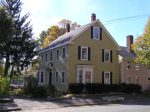
14 High Street, the George Lord House (1857) – George Lord followed his father Nathaniel Lord as Register of Deeds in the County office that is now the Odd Fellows building, and built this house in 1857.
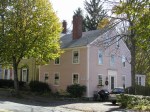
16 High Street, the Jacob Manning House (1818) – Jacob Manning in 1818 built this house at 16 High Street in a small space between the Poor House and the Lord House next door. That former Poor House was later torn down.
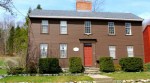
17 High Street, the Thomas Lord House (after 1658) – Thomas Lord, a cordwainer built the earliest section of this house in 1658. The oak frame encloses a two-room over-two-room house. The saltbox lean-to was added later.

19 High Street, the John Blake House (1885) – This house is not show in the 1884 map of Ipswich, but is shown on the 1887 Ipswich Birdseye map. In the 1910 map, the owner is John A. Blake, who also owned the Thomas Lord house next door at 17 High St.
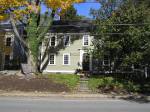
21 High Street, the Haskell-Lord House (c. 1750) – This fine house was built circa 1750 by Mark Haskell, an Ipswich cabinet-maker. Haskell served as a Light House Volunteer during the Revolutionary War. Daniel Lord married Eunice, the daughter of Mark Haskell, and Haskell conveyed to him the house and an acre of land in 1767.

24 High Street, the J.W. Gould House (b 1850) – This house was built on a part of the original estate Nathaniel Lord estate. The earliest known owner is a Caldwell, but it was in the possession of the Gould family by 1872. The house was renovated extensively in 2014.

26 High Street, the Philip Call House (1659) – This 2-story timber-frame First Period house was built by cordwainer Philip Call about 1659, enlarged around 1725. In 1967, the owners uncovered a chamfered 17th century summer beam and field paneling behind Victorian-era walls.
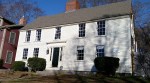
27 High Street, the Edward Browne House (c. 1650-1750) – Edward Brown was the original owner of this site in 1639, and the east side of the present house appears to have been constructed under his ownership around 1650 as a one-room over-one-room floor plan, making it one of the oldest houses in Massachusetts.

29 High Street, the Daniel Brown Smith House (1819) – Daniel B. Smith, cabinet maker, received a small section at the eastern edge of his father’s lot, and built a house upon it.
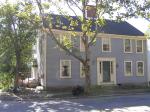
30 High Street, the Joseph Bolles House (1722) – This house began as a central chimney house, one room deep. Rooms were later added to the rear, The original oak frame is concealed, and second and third period trim dominate the house.

33 High Street, the John and Sarah Dillingham Caldwell House (1660/1709) – In 1654, Cornelius Waldo sold to John Caldwell for £26 the house and land he bought of Richard Betts. Caldwell removed the old house and built a very substantial house of the 1660s.

34 High Street, the White Horse Inn / Jeremiah Lord House (1659 / 1763) – John Andrews, innkeeper sold this lot with a house in 1659. The First Period structure was greatly altered and expanded after its purchase by Jeremiah Lord in 1763, and took its present appearance around 1800.
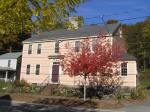
37 High Street, Lord – Baker House (1720) – The house is believed to have been built by Robert Lord III in 1720. The property continued in the Lord family until 1775, when Samuel Baker, felt-maker and hatter, purchased it. This early 2nd period house is protected by a preservation agreement between the owners and the Ipswich Historical Commission.

38 High Street, the Joseph N. Caldwell House (c. 1875) – Nathaniel Caldwell purchased by public auction the property of the late John Lord on December 20, 1861, and transferred to Joseph N. Caldwell half an acre with buildings on it on December 17, 1861.

39-41 High Street, the Daniel Lummus House (1746 with earlier elements) – This house has elements dating to 1686 but was significantly rebuilt in 1746. Jonathan Lummus bequeathed to his son Daniel “a small piece of land out of my homestead adjoining to his homestead to make a convenient way to his barn.”
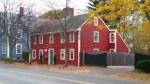
40 High Street, the William Caldwell House (1733) – William Caldwell built this house after purchasing the lot in 1733, The house remained in the Caldwell family into the 20th Century. Key features of the house include a large kitchen fireplace and exceptional period trim.
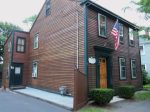
42 High Street, the Abner Harris House (c. 1800) – This house was built by Abner Harris in 1800. The Ringe house that formerly stood on this lot was moved to 16 Mineral Street where it was used by John and Joseph Wise as a saddle shop.
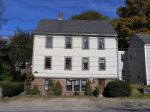
43 High Street, the Fitts-Manning-Tyler House (1767) – This house is believed to have been built in 1767 at today’s 42 North Main Street. Sophia Tyler bought a lot on High St. in 1873 and removed the Fitts house to the property. The lot was originally granted to Thomas Dudley, governor of Massachusetts for four years.
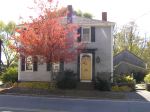
44 High Street, the Francis Goodhue House (c. 1800) – This house displays refined Federal-era features indicating the late 18th or early 19th Century for its construction. The barn and the lower level of this house may be half a century older.
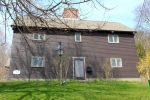
45 High Street, the John Lummus House (1712) – Jonathan Lummus, who served in King Philip’s War in 1675 was appointed a tithing man by the town in 1700. Lummus bought Captain Symon Stacy’s land and dwelling on High Street in 1712. This parcel had originally been granted to Thomas Dudley, Governor of Massachusetts. The house underwent a careful restoration by Phillip Ross in 1964.

48 High Street, Samuel W. Baker House (1852) – The straw-roofed Baker house that stood on the corner of High St. and Mineral St was razed in 1849 and replaced with the current structure.

52-54 High Street, the Kingsbury-Lord-Harris House (c. 1716) – Although in 1660, Henry Kingsbury sold a house on or near this lot to Robert Lord, the present house probably dates to after John Lord gained possession in 1716, based on architectural observations.

53 High Street, the Francis and Lisette Ross House (1847/1867) – In 1847, Andrew Russell, who lived across the street, tore down and old house and constructed a shop for cabinet making. In 1867, Andrew Russell sold the property to Francis and Lisette Ross, who remodeled and expanded the cabinet shop into a dwelling.

57 High Street, the Stone – Rust – Abraham Lummus House (c. 1750) – This cape saltbox was built by Robert Stone and has many original features. William Rust bought the house in 1851 and his heirs occupied the estate into the 20th century.

61 High Street, the Timothy B. Ross House (c. 1870) – The house at 61 High Street was constructed in approximately 1870. Abutting the cemetery abutted on the east, the owner was Timothy B. Ross, a teacher in the Ipswich schools.
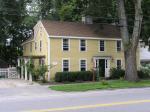
66 High Street, the John Harris-Mark Jewett House (1795) – This house was built in 1795 by John Harris. In 1784 John Heard convinced the town that if it would buy John Harris’ previous home at the corner of High and Manning, he would provide $400 annually for the care of the poor.

68 High Street, the Wood – Lord House (c. 1740) – After her husband Daniel disappeared in 1727 at Penobscot Bay after being attacked by Indians, the court allowed Martha Ringe to marry John Wood before the customary three years had passed “in order to advance her circumstances.” It was owned by Nathaniel Lord and his heirs in the 19th Century.

Old North Burying Ground (1634) – Established in 1634, the Old North Burying Ground in Ipswich is one of the oldest cemeteries in North America. Enter from High Street, and most of the earliest gravestones are on your right. The Hart family gravestones are the oldest, just ahead on the left.

73 High Street, the Nathaniel Lord House (c. 1747) – This house is named after Nathaniel Lord who spent 36 years as the Register of Probate in the Ipswich Court. The western half of this house predates the eastern side and may have 17th Century elements.

77 High Street, the John Kimball House (1680) – Richard Kimball owned this lot in 1637. The property passed to John Kimball, and the present house dates from the time of his ownership. It belonged to the Lord family through the 19th century.
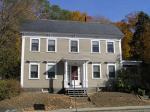
79 High Street, the Thomas H. Lord House (c 1835) – The ancient Joseph Lord house was at the approximate location of the present Thomas H. Lord house, which was owned at the beginning of the 20th Century by descendants of Joseph Lord. This house appears to have been built between 1814 and 1835.

82 High Street, the John Brewer House (1680) – John Brewer came to Ipswich with his father Thomas Brewer who is shown living in Ipswich in 1639. Town records show that in 1662 the town constables were ordered to pay John Brewer 20 schillings, charges he was due “about constructing the fort”. John Brewer Sr. died on June 23, 1684.

83 High Street, the Isaac Lord House, 1696-1806 – This house was in the Lord family for several generations. The right side is probably First Period. Boards and timbers from the 1771 Jail on Meeting House Green were used when the house was enlarged in 1806.

84 High Street, the John Smith House (c. 1830) – This house first appears on the 1832 map of Ipswich, in the possession of John Smith. In 1958 the house was purchased by Wilbur Trask; Many of his photos are featured on this site.

85 High Street, the Elizabeth and Phillip Lord House (1774) – This house was built about 1774 by Phillip Lord when he married the widowed Elizabeth Kimball Warner In 1832, the house was acquired by Benjamin Fewkes, who smuggled the first lace stocking machine into this country from England.

87 High Street, the Sewall Jewett House (1830) – The heirs of John Lord sold the lot at 87 High St. to Sewall P. Jewett in 1830, which is the year in which the house is believed to have been built. At one time, this side of High Street was lined with homes owned by members of the Jewett Family.

88-90 High Street, the Shatswell-Tuttle House (c. 1690/1806) – The oldest section of the Tuttle-Lord-Shatswell house was built before 1690 for Deacon John Shatswell. It was later the home of Col. Nathaniel Shatswell, who commanded Union troops during the Civil War.
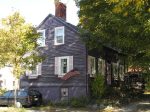
89 High Street, the Moses Jewett House (1830) – Moses Jewett was born in Ipswich in 1778 to John Cole Jewett and Elizabeth Smith, whose home stands at 93 High Street.

93 High Street, the John Cole Jewett House (1813) – John Cole Jewett bought the High Street estate of Josiah Martin by 1767. Jewett’s heirs sold the property in 1813 to David Lord. Stylistic evidence indicates that the present house was built shortly before the 1813 transfer.

95 High Street, the Simon and Hannah Adams House (c. 1700) – Simon Adams, a weaver and veteran of King Philip’s War, owned this property in 1707, according to a deed of the adjoining property.. This “half-house” was originally extended as a leanto over the rear rooms. In 1919 the east ell was added.
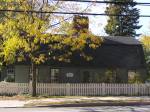
100 High Street, the Joseph Fowler House (1720 – 1756) – Joseph Fowler, a carpenter bought the lot in 1720. Records indicate that a house may have existed before Fowler obtained it. The house has a 1-1/2 story, gambrel roof with a central chimney and exposed “gunstock” posts.

103 High Street, the William Merchant House (1670) – The building dates to approximately 1670, but the right half may contain timbers from a previous structure on this site which was built in 1639. The section on the left was added in 1672.
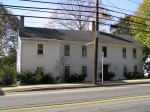
104 High Street, the John Kimball House (1715) – This is is one of three John Kimball houses along High Street, two said to have been built by the father, the third by the son. This house is protected by a preservation agreement with the Ipswich Historical Commission.

106 High St. the Caleb Kimball House (1715) – The owner has maintained the left inside as a First Period home, with exposed beams and a large fireplace. The right inside has original Georgian features.

108 High St., the Dow-Harris House (1735) – This dwelling began as a half house, two rooms in depth, and was constructed about 1735 for Margaret Dow and her second husband John Lull. The entry room retains its original interior casings. Additions date to the 19th Century.

110 High Street, the John Kimball Jr. House (1730) – John Kimball Sr. acquired this land in 1708. Kimball’s son, John Jr. built the house and a barn. The eastern half is older, and its timbers were originally exposed. The driveway is the original High Street before the bridge was constructed in 1906.
The following houses on upper High Street are not included in the High Street Historic District, which ends at the railroad overpass.

112 High Street, Timothy Ross House (1840) – When the Eastern Railroad was built in 1840, Timothy Ross was building a new house at this location. When the High Street bridge was constructed in the early 20th century, the road curved in order to preserve the row of houses on the original High Street.

114 High Street, the Tibbets-Fowler House (1860) – In 1906 the High St. bridge was constructed which isolated this section of High St. from the rest of the roadway. This Greek Revival cottage is similar to several mid-19th century houses in Ipswich.
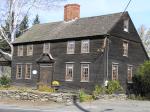
115 High Street, the Baker-Sutton House (1725) – The widow of cowherd Haniel Bosworth sold this lot with a dwelling in 1702 to William Baker, who built this fine early Georgian house. The pilastered chimney and elaborate Connecticut Valley door frame were added in the 20th Century.

116 High Street, the Samuel Rutherford House (1860) – Samuel P. Rutherford built the house shortly after purchasing the lot in 1860. Joseph Martel purchased the building in 1906, the year that the High St. bridge was constructed which isolated this former section of High Street.

117 High Street, Brown’s Manor (1886) – Abraham Lord sold 30 acres to George A. Brown on Nov. 6, 1886. The Browns built this imposing brick Mansard with white alternating quoins, a fine entrance porch, and a round-headed, double-leaf door.
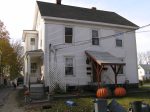
118 High Street, the Aaron Rutherford House (1860) – Aaron A. Rutherford purchased the land in 1860 and built the house soon afterward. He was the owner of the property until after 1914. In 1906 the High St. bridge was constructed which isolated this section of High St. from the rest of the roadway. This is a simple foursquare house and once featured Italianate trim on the doorway with a bracketed hood.

124 High Street, the Joseph King House (1856) – The house was moved to its present location when the High Street bridge was built in 1906. The King House was constructed in an older Federal style, and originally had a frontispiece with fan and sidelights.

126 High Street, Burnham’s Antiques (c 1920) – Ralph W. Burnham owned several Ipswich antiques businesses at the turn of the 20th Century. He employed experts to repair and restore antique rugs, at High Street store, which was later used as a marine supplies store and still stands today.

246 High St., Ipswich Clam Box (1935) – Mr. Richard J. Greenleaf Jr. devised the design of this building and constructed it with the aid of his brother-in-law and a carpenter. The design was based on the box in which fried clams were sold. The building was originally constructed of homasote and was painted silver with red trim. The stand was immediately successful.

248 High Street, the William Spiller House (c. 1838) – Nehemiah Jewett Jr. owned ten acres of land and married Sally Jewett, October 22, 1795. He built a dwelling on the lot. Jewett’s heirs sold the house and acreage to William B. Spiller in December, 1838. The architecture of the house is Greek Revival.

280 High Street, the Charles and Fostina Guilford House (1880) – Charles and Fostina Guilford were wed at Ipswich on July 28, 1878. Daniel S. Appleton built the house in 1879 and sold it to Charles, a farmer, the following year. The building remained in the Guilford family into the 20th Century.

285 High Street, the Daniel Nourse House (1809) – Daniel Nourse, a farmer, bought the property in 1790 and built the present house in 1809. This was the home of John W. Nourse, farmer, civil engineer, and local historian who uncovered hundreds of Native American artifacts in his fields. The Nourse family cemetery is located nearby. A milestone from the Old Bay Road is in the basement wall. This fine Federal-era house is suffering from neglect.

290 High Street, the Jacob Pickard House (1812) – Jacob Pickard, Jr. of Rowley, married Tabitha Jewett in 1788, purchased and inherited land at this location and built this house. He purchased the Jewett sawmill on Dow Brook in 1816, and with his sons, Isaac and Nathaniel, “operated the mill with the old-fashioned up-and-down saw until the later half of the century.”

296 High Street, the Oliver Bailey House (1831) – Oliver Bailey, a shoe maker who also operated a small farm at this house he built in 1860. He married Judith Howe of Rowley, and their son Eban Howe Bailey lived to be 100 years old, well-known for his popular spiritual musical compositions.
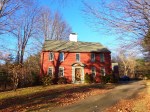
307 High Street, the Moses Jewett House (1759) – Moses Jewett married Abigail Bradstreet of the neighboring farm . He was Captain of a Troop of Horse in Col. John Baker’s Regiment, which marched on the Lexington alarm, April 19, 1775 and also marched to Gloucester on November 29th of the same year.

310 High Street, the Stephen Pearson House (1808) – Stephen Pearson served under Benedict Arnold and after Arnold’s treason under Colonel Nathaniel Wade of Ipswich. From this farm he sold a wide variety of products including hides, shoes, and black walnuts. Pearson’s granddaughter, Emily Pearson Bailey, a poet who died in 1907, was the last of the family to live in the house.

311 High Street, the Amos Jewett House (1834) – Captain Moses Jewett purchased this land in the late 18th Century. His grandson Amos built the house in 1834 for his bride. His small shoe shop still stands on the property.

315 High Street, the Apphia Jewett House (1834) – The land in the vicinity of 315 High Street was owned by the Jewett family since it was purchased by Captain Moses Jewett in the third quarter of the 18th century. Olive Jewett married Captain George W. Howe of Rowley on November 26, 1835 and Captain Howe built upon the lot.

317 High Street, the Capt. George Washington Howe House (1850) – Olive Jewett, daughter of Moses Jewett, Jr., married Captain George Washington Howe of Rowley who built the present house. The 1907 barn was originally on the north side of the house near the road.

320 High Street, the Jonathan Crowell Fox Heel Factory (1888) – This is apparently the largest building constructed for the purpose of making shoe parts in Ipswich Village, although there were many smaller shops in the area in the 19th century. By 1910, the factory had gone out of business.

321 High Street, the Jewett-Cate House (1780) – Aaron Jewett’s daughter, Eliza married Mark Cate of Rowley, and for years it was known as the Cate house. Sarah Houghton bought it in 1912 and opened a popular tea-room known as the Rose Tree Inn.

327 High Street, the Annie Donovan House (1873, reconstructed in 1914) – The 1873 house at this location burned in 1914, but was rebuilt with the same appearance of a one-and-one-half story cottage of the 19th Century.

