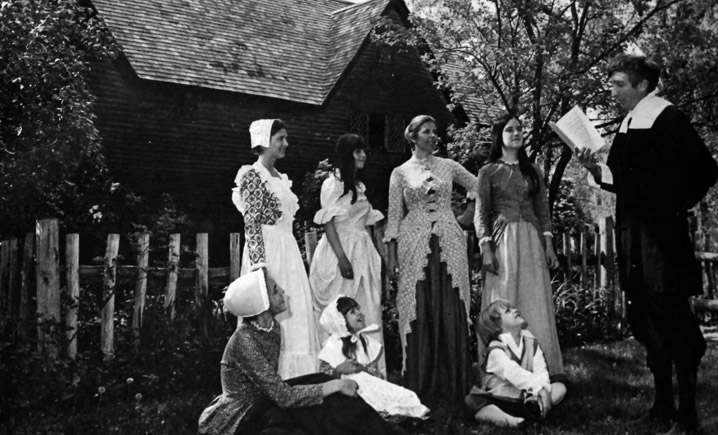
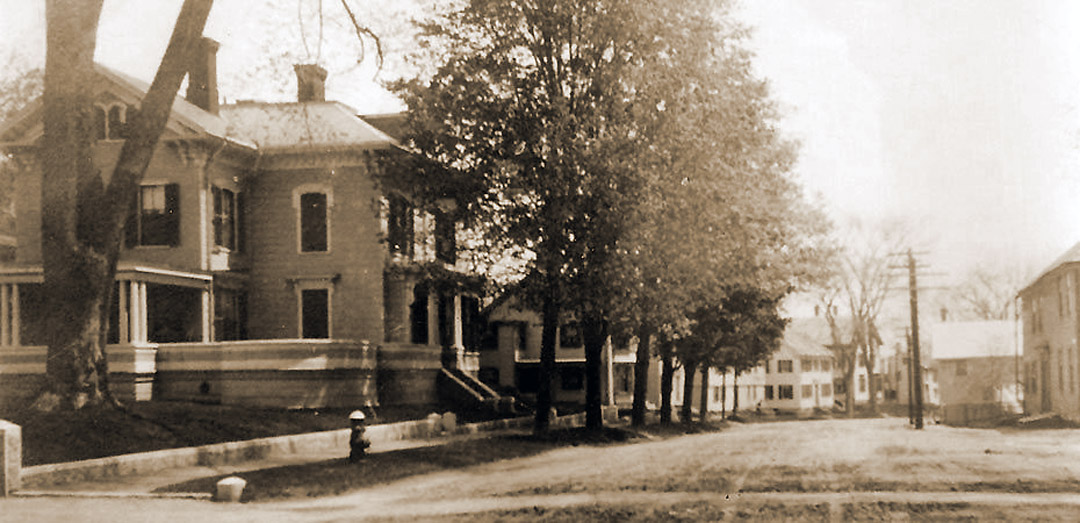
Photos from Ipswich 17th Century Day, Olde Ipswich Days, the 300th Anniversary of the founding of Ipswich, and the Town's Tercentenary Celebration in 1930.
Diamond Stage
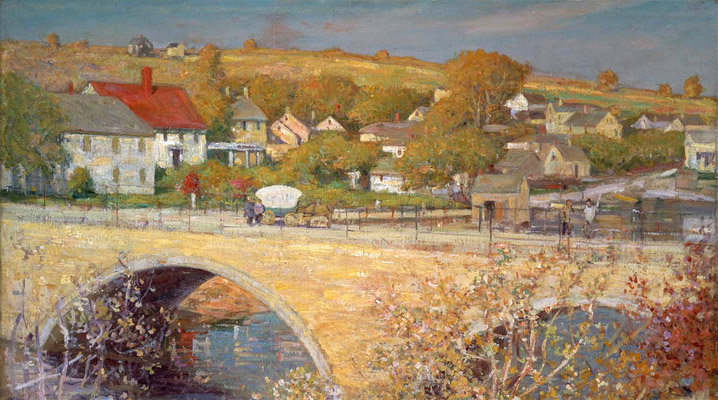
The Bridges of Ipswich
Excerpts from Ipswich in the Massachusetts Bay Colony, by Thomas Franklin Waters "The stone bridges which span the Ipswich river with their graceful arches are picturesque and interesting. The readiness with which the Town proceeded to build the latter two stone bridges is in singular contrast with the belligerent opposition to the earliest ones. Footbridge from… Continue reading The Bridges of Ipswich
Old Toryism, Mock Federalism & the Essex Junto
Argilla Road
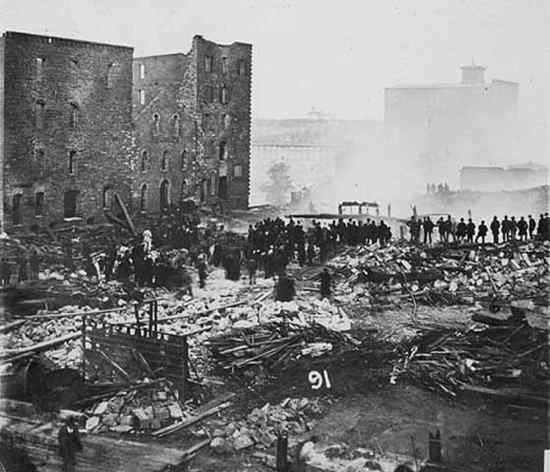
The Great Agawam Stable Fire
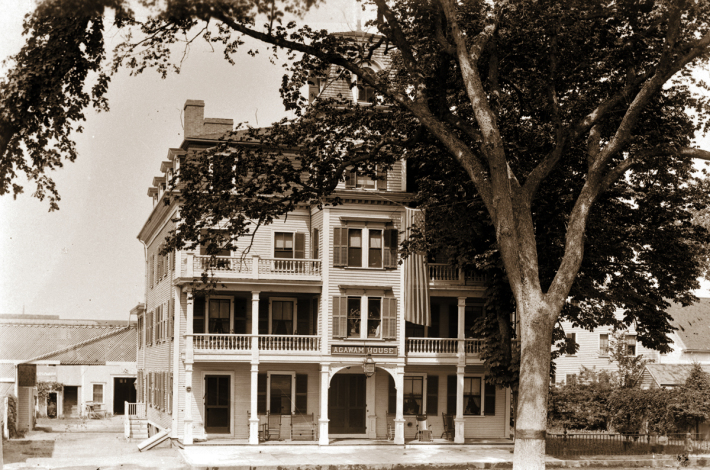
Written by Harold Bowen in 1975 In the days of stagecoaches, there were several inns along the old Bay Road and High Street. These inns also provided stables in which to house the horses.. One of the later hotels was the Agawam House on North Main Street. In 1806 Nathaniel Treadwell bought land and a… Continue reading The Great Agawam Stable Fire
East Street
The abrupt change in the name of High Street to East Street at the intersection with North Street is odd unless one knows a bit of history. When Ipswich was laid out in the 1600s, town center was Meetinghouse Green. A road headed south and crossed the river -- it was named South Main Street. It… Continue reading East Street
Washington and Liberty Streets
Gravel Street and the gravel pits are shown in the 1832 Philander map of Ipswich. One of the older established ways in town, Washington Street may have started as a footpath for Native Americans long before John Winthrop and the first settlers arrived. Map of Ipswich in a 1909 article by M. V. B. Perley, Millend Ipswich:… Continue reading Washington and Liberty Streets
The Temptations of John Dane, a Declaration of Remarkable Providences
Pingrey’s Plain, the Gallows Lot
Samuel Symonds, Gentleman: Complaint to Salem Court Against His Two Servants, 1661
The Railroad Comes to Ipswich, December 20, 1839
The stagecoach era ended abruptly when the Salem tunnel opened, and two days later on December 20, 1839, a train from Boston made its first passage through Ipswich. The opening of the railroad and the end of stagecoach travel led to the decline of Ipswich as one of the most important towns of Massachusetts.