
Enjoy a fascinating hour-long virtual tour of the Rowley River with 4th-generation clammer and former Shellfish Constable Jack Grundstrum.

On the Massachusetts North Shore
Enjoy a fascinating hour-long virtual tour of the Rowley River with 4th-generation clammer and former Shellfish Constable Jack Grundstrum.

In 1972 Harold Bowen was asked to write a column for a newspaper called Ipswich Today, the first of a series of stories that continued for ten years. Tales of Olde Ipswich was republished in three volumes.
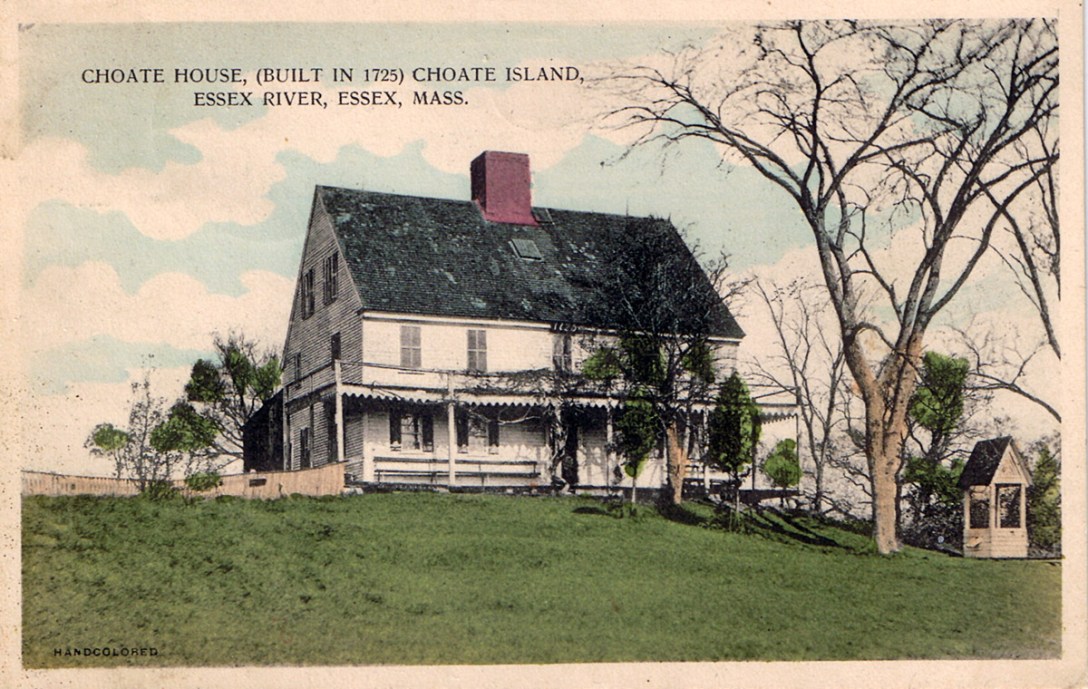
John Choate, the early settler of that name arrived in Ipswich during the Great Puritan Migration of the 1630s and ‘40s as a young man, and soon eventually acquired land in Chebacco, originally a part of Ipswich which broke away in 1820. By the 3rd generation, Choate family members lived in Newbury and Newburyport, marrying… Continue reading A Brief History of the Choates of Ipswich, Essex, and Newburyport

Representing the defendants, Daniel Webster appealed to the jury to say under oath whether the inconsistencies and improbabilities of the prosecution should have any weight.
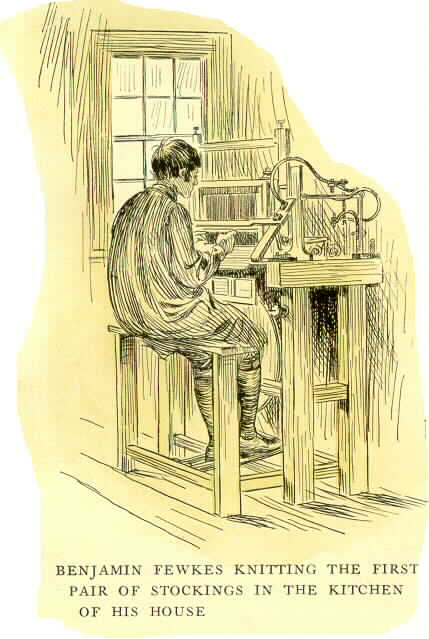
Benjamin Fewkes (1788-1869) was born in Loughborough, Leicestershire, England, the son of William Fewkes. He apprenticed in the stocking knitting trade, working for an uncle who owned a stocking shop in a small village called Quorn. It was in this town that he married Elizabeth Smith on 21 May 1809, daughter of Jarvis and Mary… Continue reading Benjamin Fewkes, the First Ipswich Hosiery Manufacturer

By Gavin Keenan My wife and I were reminiscing about Independence Days long past, when our children were little, some of our parents still alive, and our families mostly living nearby. Backyard cook-outs scheduled around shifts at Beverly Hospital or the I.P.D., Betty Dorman's Recreation Department Fourth of July Children's Parade - thankfully still going… Continue reading Ghosts of Independence Day

John Adams died quietly at six o’clock on the evening of July 4, 1826 at the age of 91. His last words were: “Jefferson survives.” He did not know that on the same day in Monticello, Virginia, his long-time rival Thomas Jefferson had breathed his last at the age of 82.
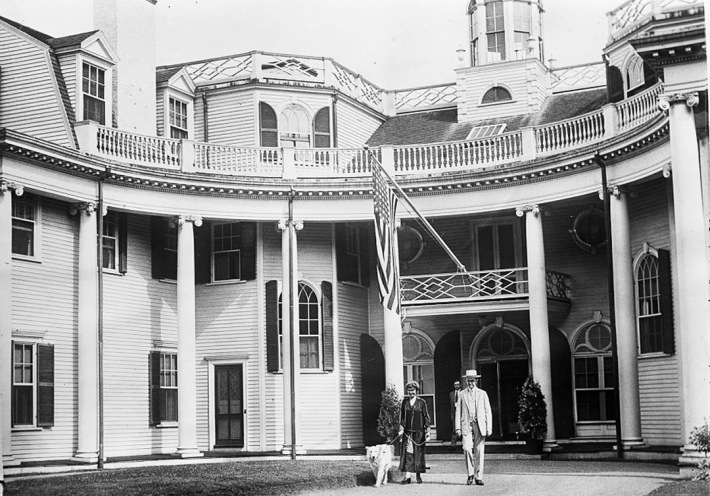
In the 19th Century, wealthy professionals and businessmen who chose to construct lavish summer homes in Swampscott for themselves and their families to enjoy its sea breezes and ocean views.

Kevin O'Connor from This Old House drives to Ipswich and gets a lesson from Dan Clapp in making mead.
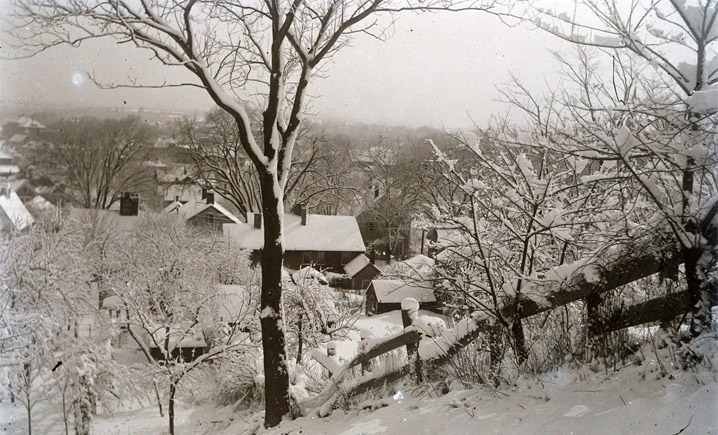
On June 5, 1816 a heat wave raised the temperature in Ipswich to 92° but that afternoon a cold front swept across New England and the temperature fell to 43° by the next morning. For the next four days there were severe frosts along the Eastern seaboard, and snow was recorded in some locations. By the 9th of June ice began to form on water left standing outside overnight. Rapid, dramatic temperature swings continued throughout the summer.
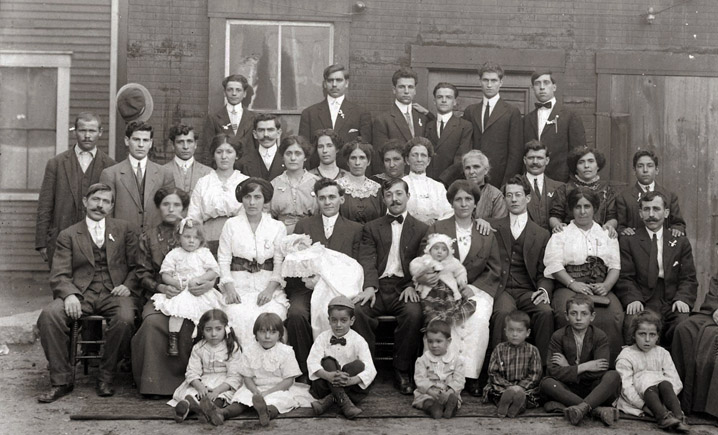
Puritans founded Ipswich during the “Great Migration” of the early 17th Century. Many residents of the town descend from immigrants who arrived in the late 19th and early 20th centuries to work in the mills.

A heat wave during the summer of 1896 produced 1500 deaths from the Midwest to New England. Fifteen years later the record for heat-related fatalities was broken. July 1936 remains the warmest U.S. month ever measured, and ironically, February, 1936 is the coldest February. Record-breaking temperatures in Boston, Providence, and Hartford set in 1936 stood until the summer of 2017.

The largest contingent to arrive in Ipswich from the same village were 15 men and women from Assington, Suffolk, including Thomas French and his family.

During the late 19th century and during the Great Depression, thousands of hobos and tramps arrived in Ipswich by the railroad.
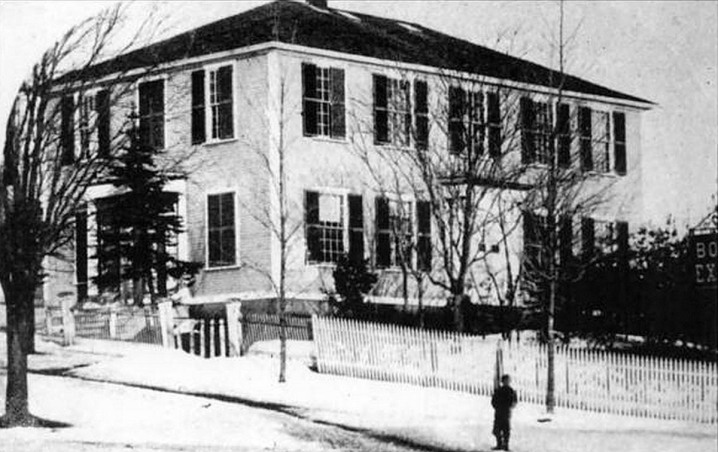
The Ipswich Female Seminary was established in April 1828 by Zilpah Grant and 24-year-old Mary Lyon for the secondary and college-level education of young women. It was the first endowed seminary for women and the first to give diplomas to its graduates.

In September 1776, the vulnerable Continental Army under George Washington evacuated New York after a devastating defeat by the British Army. One of Washington's favorite generals, Benedict Arnold, miraculously succeeded in postponing the British naval advance down Lake Champlain that might have ended the war. Thomas Franklin Waters wrote about Arnold's march through Ipswich on the way to Quebec "The… Continue reading Benedict Arnold and the Fate of the American Revolution
 Historic Ipswich