The Streets of Minneapolis

Streets of Minneapolis. Photo courtesy New York Times

The above photo is from the New York Times https://www.youtube.com/watch?v=wWKSoxG1K7w Through the winterโ€™s ice and coldDown Nicollet AvenueA city aflame fought fire and iceโ€˜Neath an occupierโ€™s bootsKing Trumpโ€™s private army from the DHSGuns belted to their coatsCame to Minneapolis to enforce the lawOr so their story goesAgainst smoke and rubber bulletsBy the dawnโ€™s early lightCitizens… Continue reading The Streets of Minneapolis

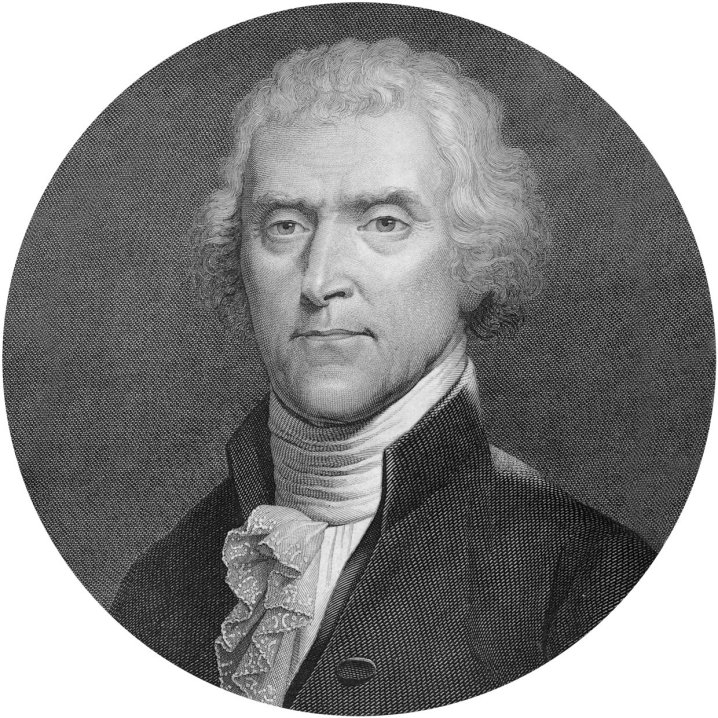
To the Inhabitants of Ipswich from Thomas Jefferson

Thomas Jefferson

The Embargo Act of 1807 put New England ports at a standstill and its towns into a depression. The Ipswich Town Meeting petitioned the President to relieve "the people of this once prosperous country from their present embarrassed and distressed condition." The town found Jefferson's answer "Not Satisfactory."

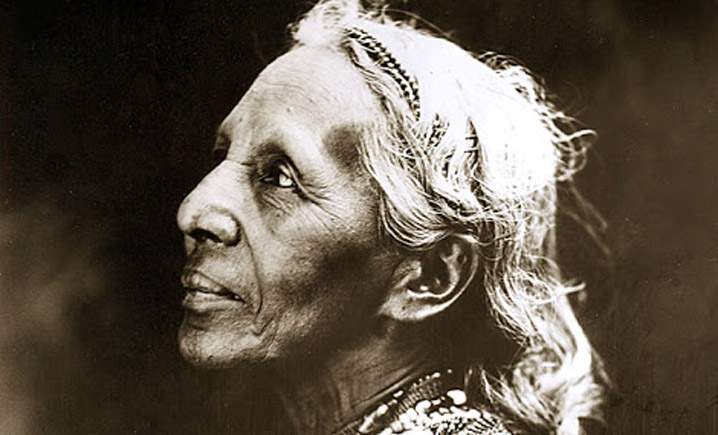
Memorial to Crispus Attucks

Boston Massacre Memorial

The following is an excerpt from a presentation given on November 14, 1889, at the dedication of the Boston Massacre and Crispus Attucks Monument at Boston Common, which memorializes victims Crispus Attucks, Samuel Maverick, James Caldwell, Samuel Gray, and Patrick Carr. ADDRESS BY MR. JOHN FISKE The troubles and disorders in Boston, which led to… Continue reading Memorial to Crispus Attucks

The 1641 Massachusetts Body of Liberties

Body of Liberties

At the Massachusetts General Court, May 13, 1640, it was voted that the elders of the churches and other freemen of the Commonwealth gather their thoughts and counsels about a body of laws for the Colony and present them to the general court within eight months. Two schemes were proposed, but Governor Winthrop assigned the… Continue reading The 1641 Massachusetts Body of Liberties

“Vindidation of the Government of New England Churches,” by Rev. John Wise

John Wise House, Essex MA

""It is certainly a great truth, namely, that man's original liberty after it is resigned (yet under due restrictions) ought to be cherished in all wise governments; or otherwise, a man in making himself a subject, he alters himself from a freeman into a slave, which to do is repugnant to the law of nature. "

Ipswich Voters Unanimously Support the Massachusetts Circular Letter, February 11, 1768

Faneuil Hall

The voters of the Town of Ipswich resolved on August 11, 1768, that "Thanks be given to the worthy and much esteemed ninety-two gentlemen of the late Honorable House of Representatives for their firmness and steadiness in standing up for and adhering to the just rights and Liberties of the Subjects when it was required of them at the Peril of their political existence."

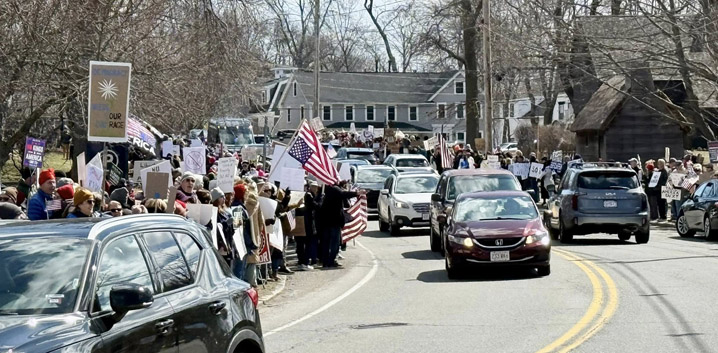
Ipswich “Ice Out for Good” rally, Saturday, January 10

ICE Out protest Ipswich MA, January 10, 2026

Over 400 Ipswich citizens and neighbors lined South Main Street for theย 47th consecutive Ipswich Rally for Democracy at noon on Saturday, January 10, joining a broad coalition of groups across the country calling for a coordinated ICE Out For Good Weekend to demand accountability, honor lives lost, and make visible the human cost of ICEโ€™s… Continue reading Ipswich “Ice Out for Good” rally, Saturday, January 10

Establishment of the Ipswich Mills as a Global Leader in Hosiery

An aerial sketch of the Ipswich Hosiery Mill

by Stephen Miles, 1/1/2026, Ipswich Historical Society Board Member 1986-1989; President 1989-92; Member Ipswich Historical Commission Richard Candee, Director of Preservation Studies at Boston University, presented a lecture on "The Industrial Heritage of the North Coast" on Sunday, February 9, 1986, at the Heard House (the Ipswich Museum), Main Street in Ipswich. This lecture was… Continue reading Establishment of the Ipswich Mills as a Global Leader in Hosiery

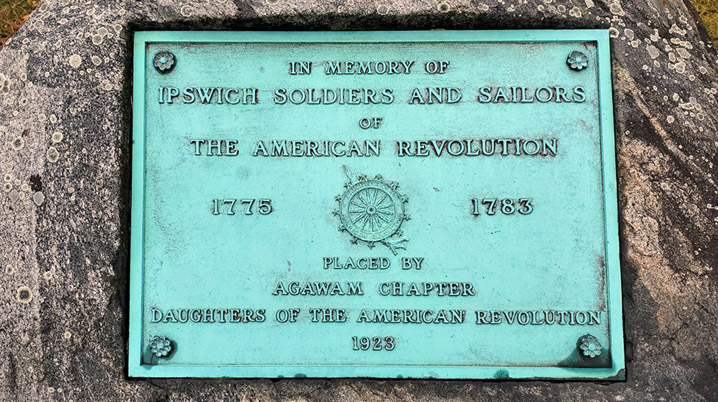
Ipswich and the American Revolution: The Breach with Britain

In John Adamsโ€™ 1765 opposition to the Stamp Act, he referenced the citizens of Ipswich who resisted a tax imposed by the Crown in 1687. An Ipswich town meeting on August 11, 1768 approved of "the Conduct of those Gentlemen of the late House of Representatives...when it was required of them at the Peril of their Political Existence." The Town meeting on Dec. 28, 1772 supported the rights of the Colonists as British subjects, and established a Committee of Correspondence to communicate resistance with the Committees of other towns. Delegates from throughout Essex County arrived in Ipswich on Tuesday, Sept. 6, 1774, and by unanimous vote, bound themselves together in establishment of the Provincial Congress for the common safety.