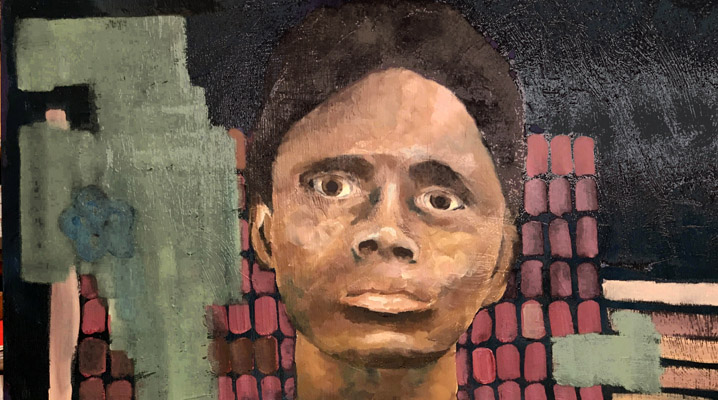
Chance Bradstreet, a “Negro boy” enslaved in Ipswich.

16 Elm St., Ipswich, now at the Smithsonian

(This story was made possible by research conducted by Christopher Challender Child and Marblehead historian Bob Booth.) In 1764, Marblehead's Second Congregational Church's minister, Simon Bradstreet, moved into a new mansion house with his wife Mary (nรฉe Strahan) Bradstreet, whom he had married in 1738. They were accompanied by an African American enslaved woman called… Continue reading Chance Bradstreet, a “Negro boy” enslaved in Ipswich.

The Constitutional Convention and Establishment of the Electoral College

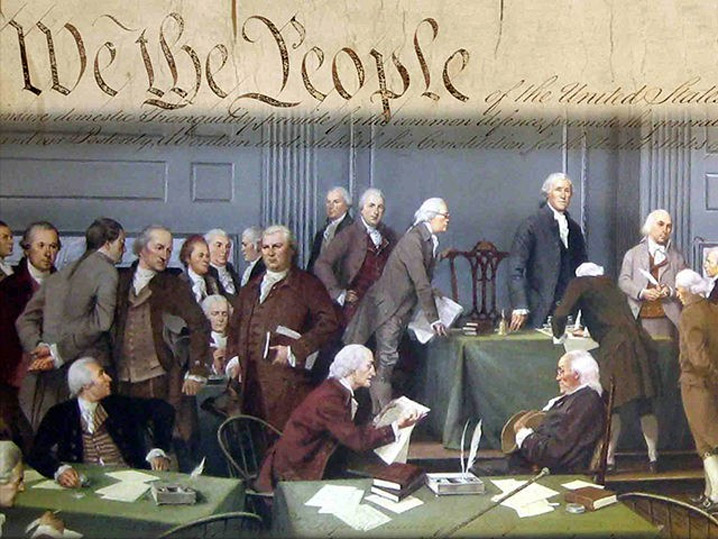
We the People Constitutional Convention

Many of ourย founding fathers had littleย trust in the instinctsย of the common man. John Adams observed that "Pure democracy has also been viewed as a threat to individual rights," and warned against the โ€œtyranny of the majority.โ€ Alexander Hamilton, one of the three authors of the "Federalist Papers"ย defended theย system ofย electorsย by which we choose a President today.
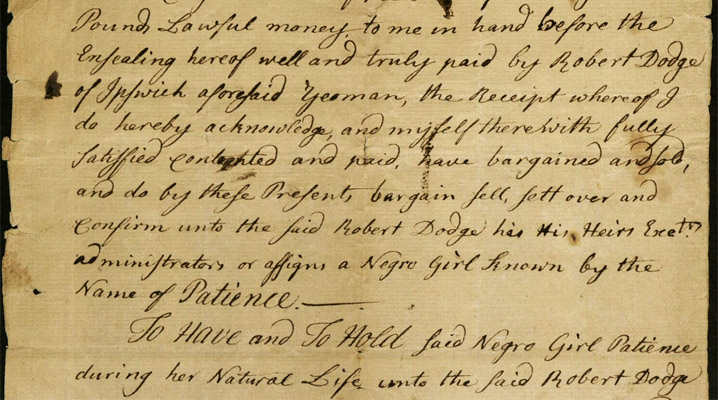
“Dying Confession of Pomp, a Negro Man Who Was Executed at Ipswich on the 6th August, 1795”

Pomp slave hung in Ipswich

On Aug 6th 1795, Pomp an African-American slave was hung for chopping off the head of his master.ย He wasย confined in Ipswich jail, and a sentence of death was passed. He was held there until the day of his execution, which was attended by a "cheering crowd of thousands" after a sermon by Rev. Dana.

19th Century: Religion Divided the Town

Revivalist Rev. John N. Maffit held a "protracted meeting" which was undoubtedly the most extraordinary episode in the history of the churches of Ipswich since the days of George Whitefield and Gilbert Tennent, preaching sixty nights to congregations which occupied every inch of the meeting-house.