

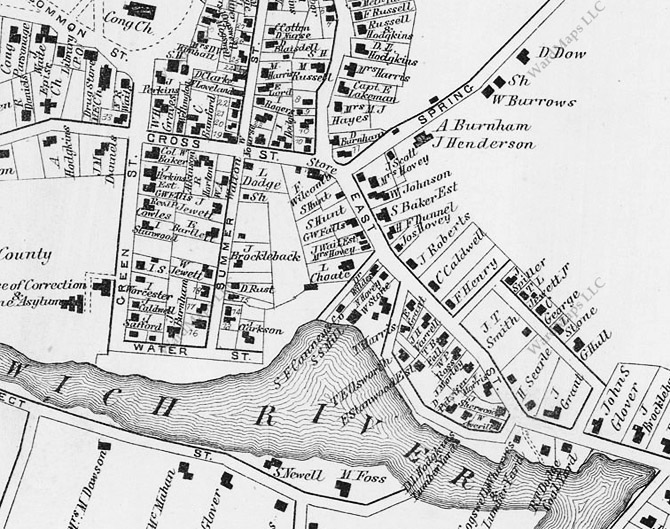
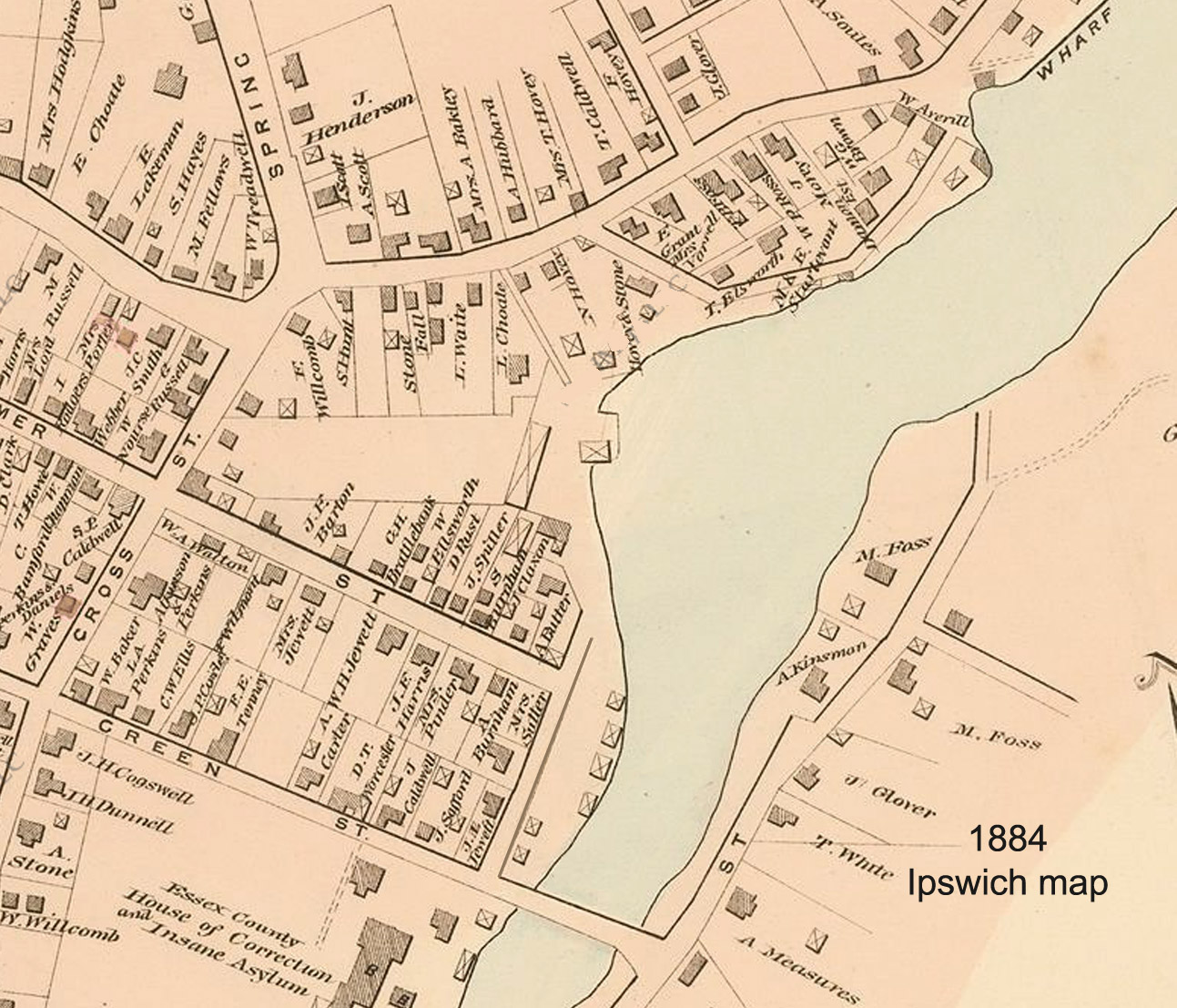
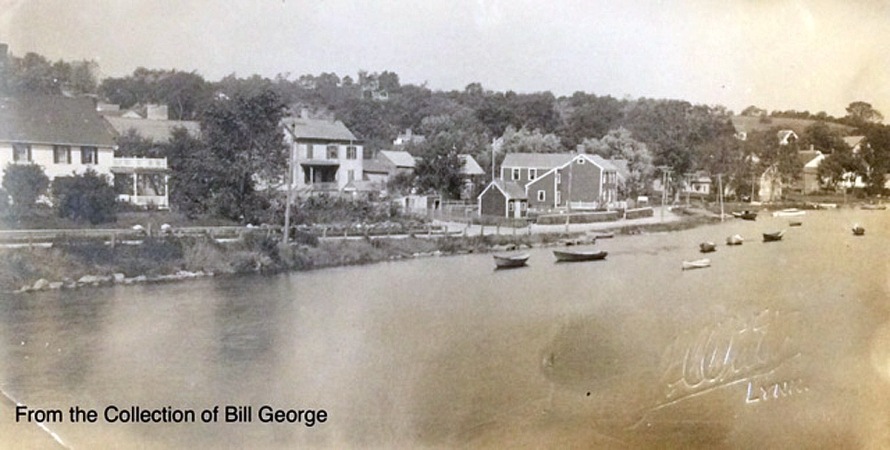
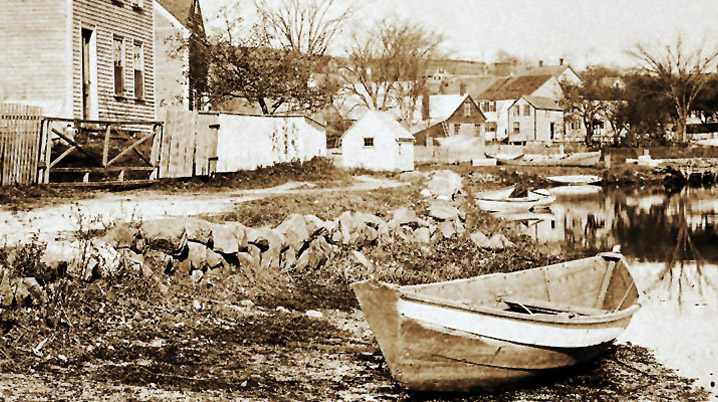
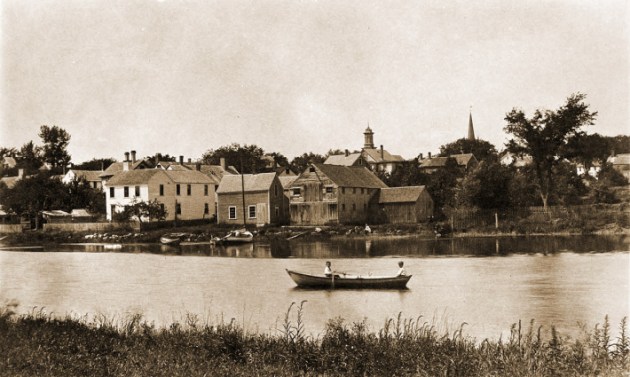
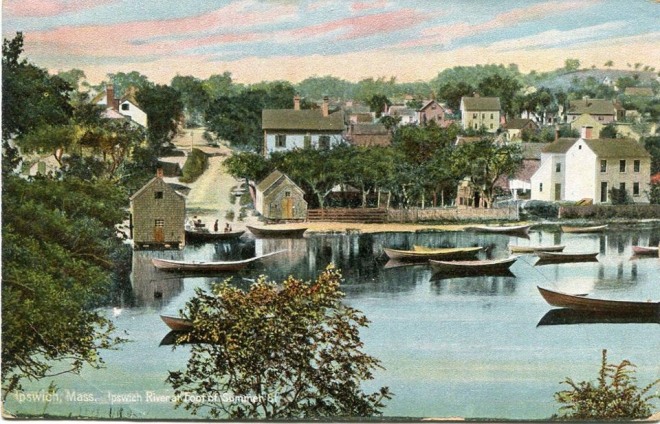
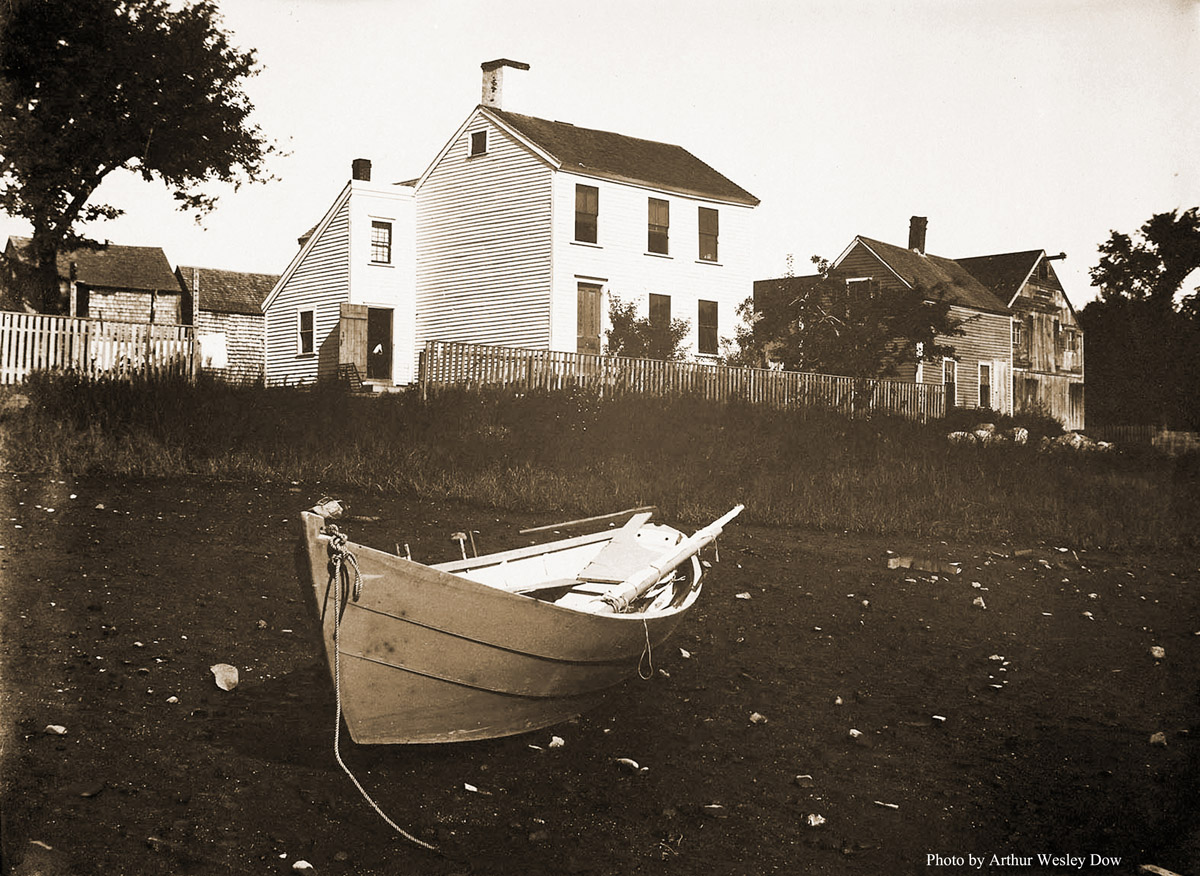
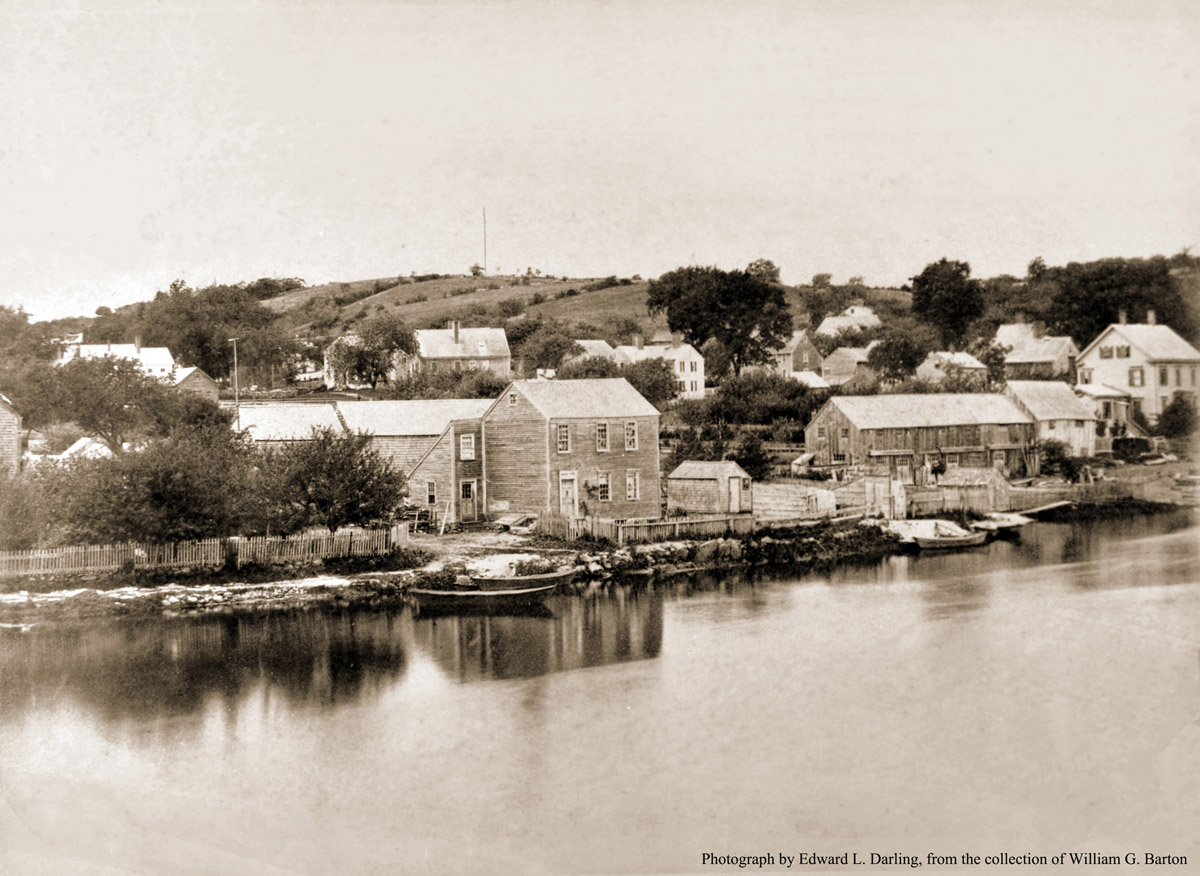
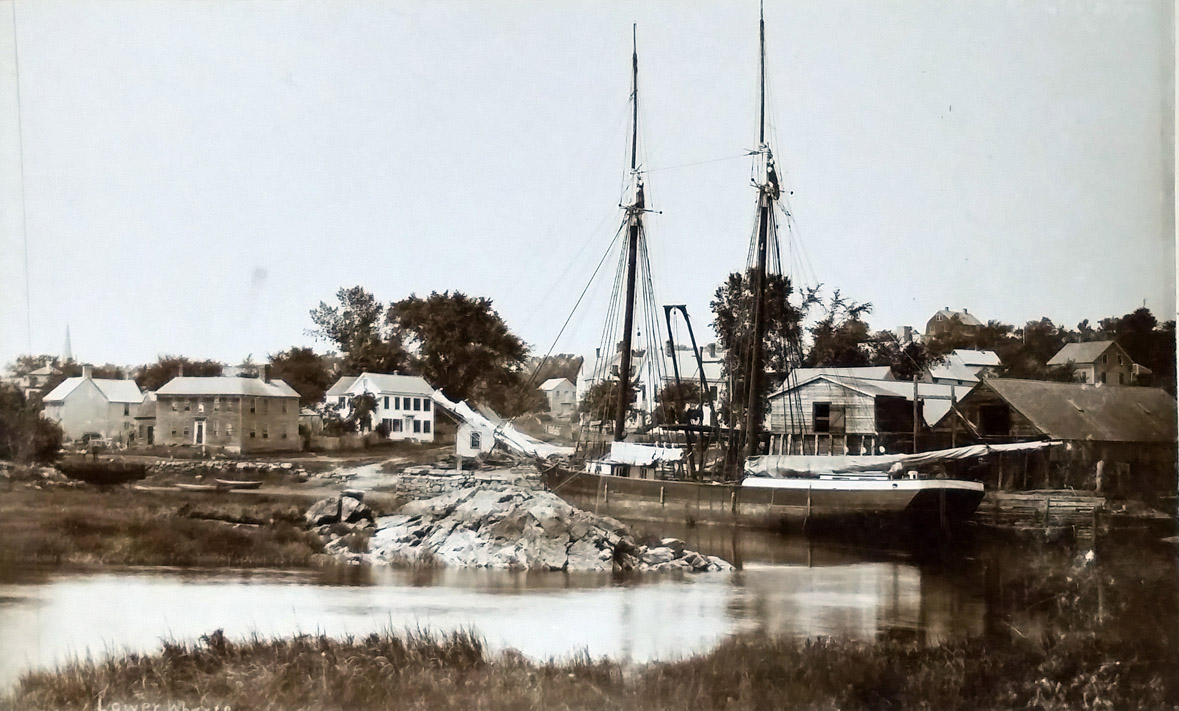
Water Street and Summer Street were the town’s first adopted “Ways,” and in the early years were known collectively as “The Way to the Meeting House,” and “The Way to the River.” The two streets host many of the town’s surviving First Period houses. This was the seafaring area of the village of Ipswich and is the heart of the East End Historic District, listed in the National Register of Historic Places.
In the book, Ipswich in the Massachusetts Bay Colony, Volume I, Thomas Franklin Waters recorded the history of Water Street, which is part of an early public right-of-way that extended from the wharf to the Green Street Bridge, then continued along the Sidney Shurcliff Riverwalk to County St:
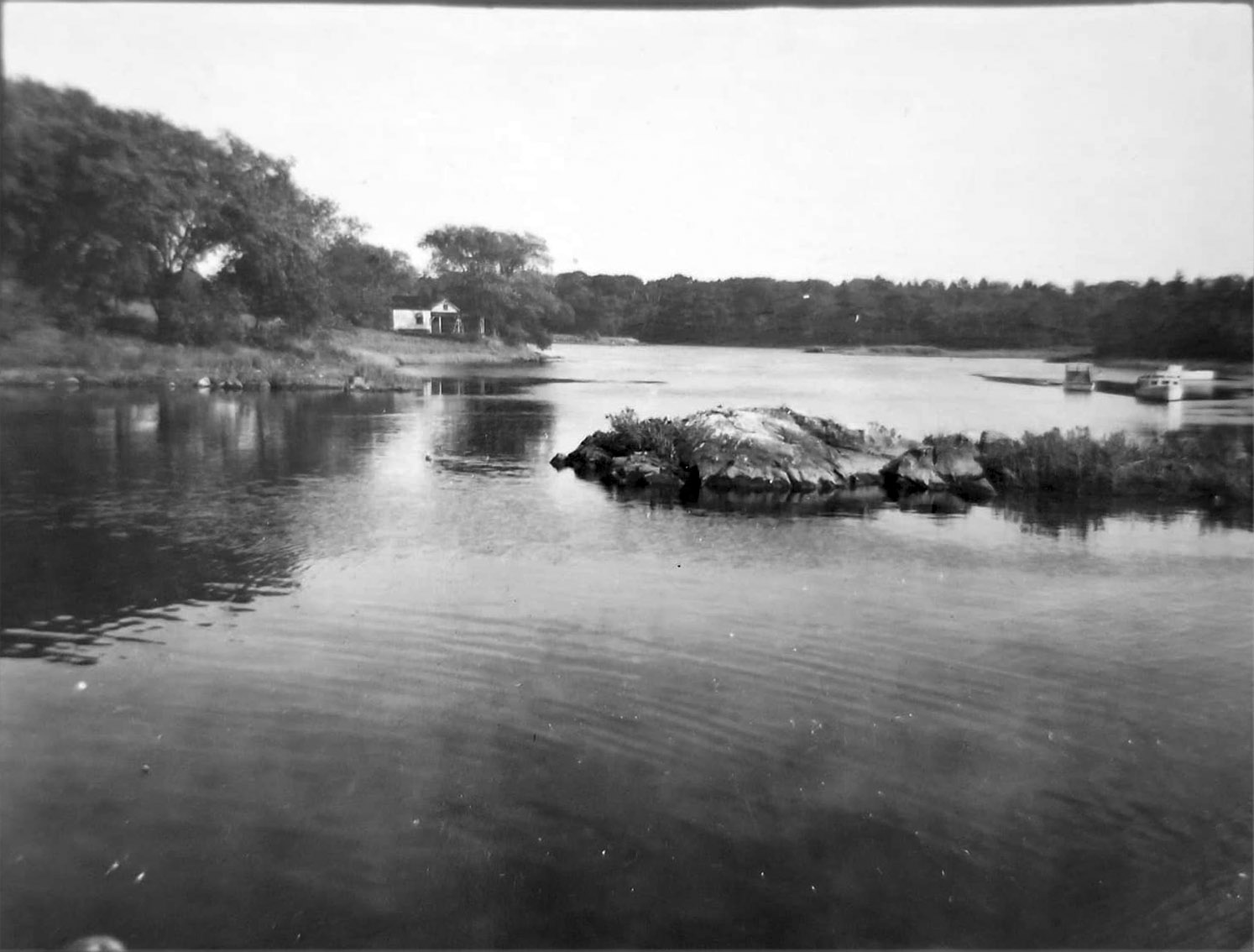
“Close by the river bank, on either side, a public way was sedulously preserved from any encroachment. On the north side of the river, it still remains in Water Street, and originally it seems to have continued near the river, through the present County lands. On the south side, it skirted the river, followed Turkey Shore, and continued round the cove to the saw-mill. There were ways to the Labour-in-vain fields, and to the Heartbreak Hill lands, “Old England,” as we call it now.”
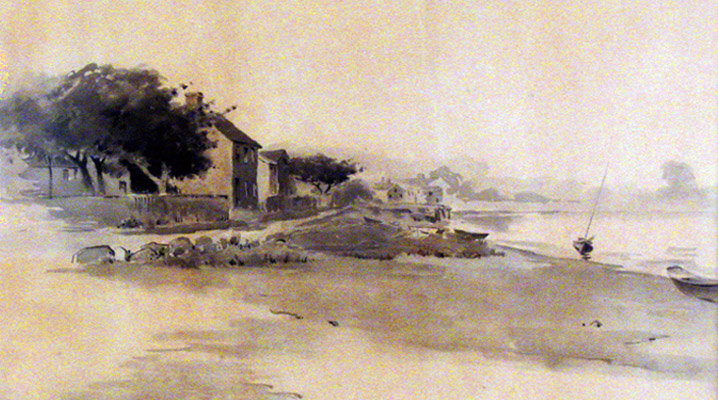
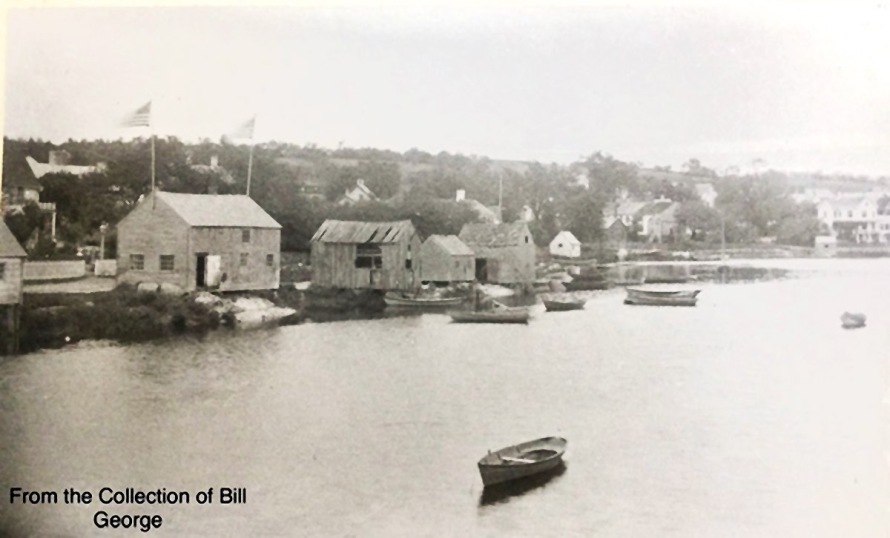

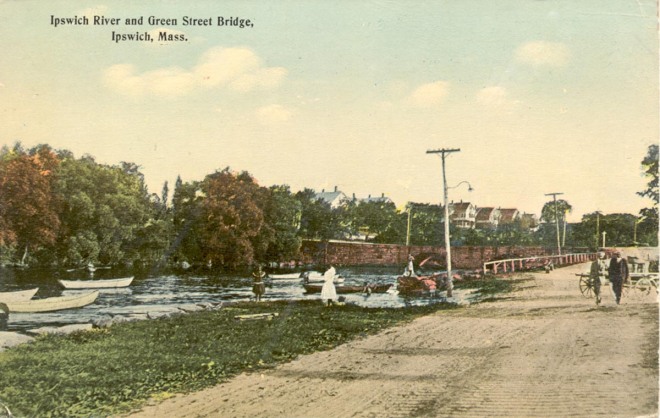

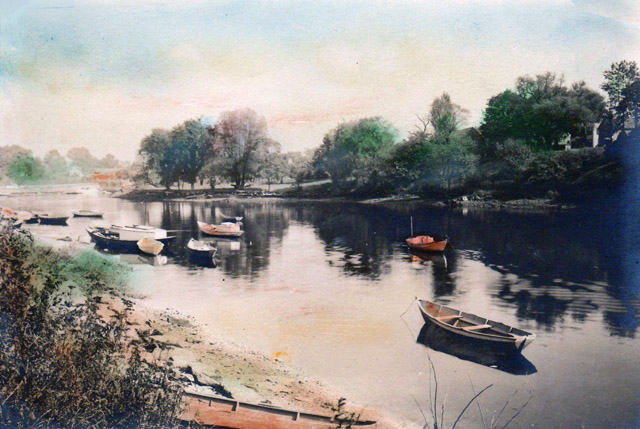
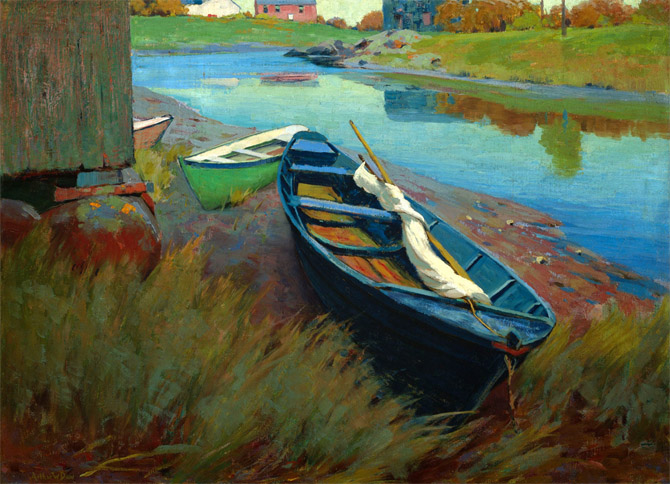
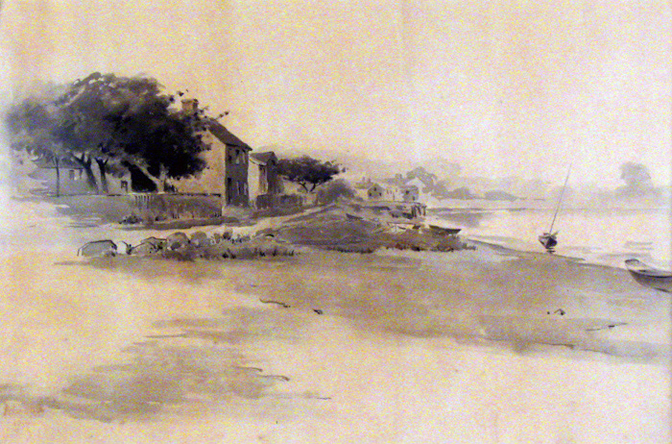

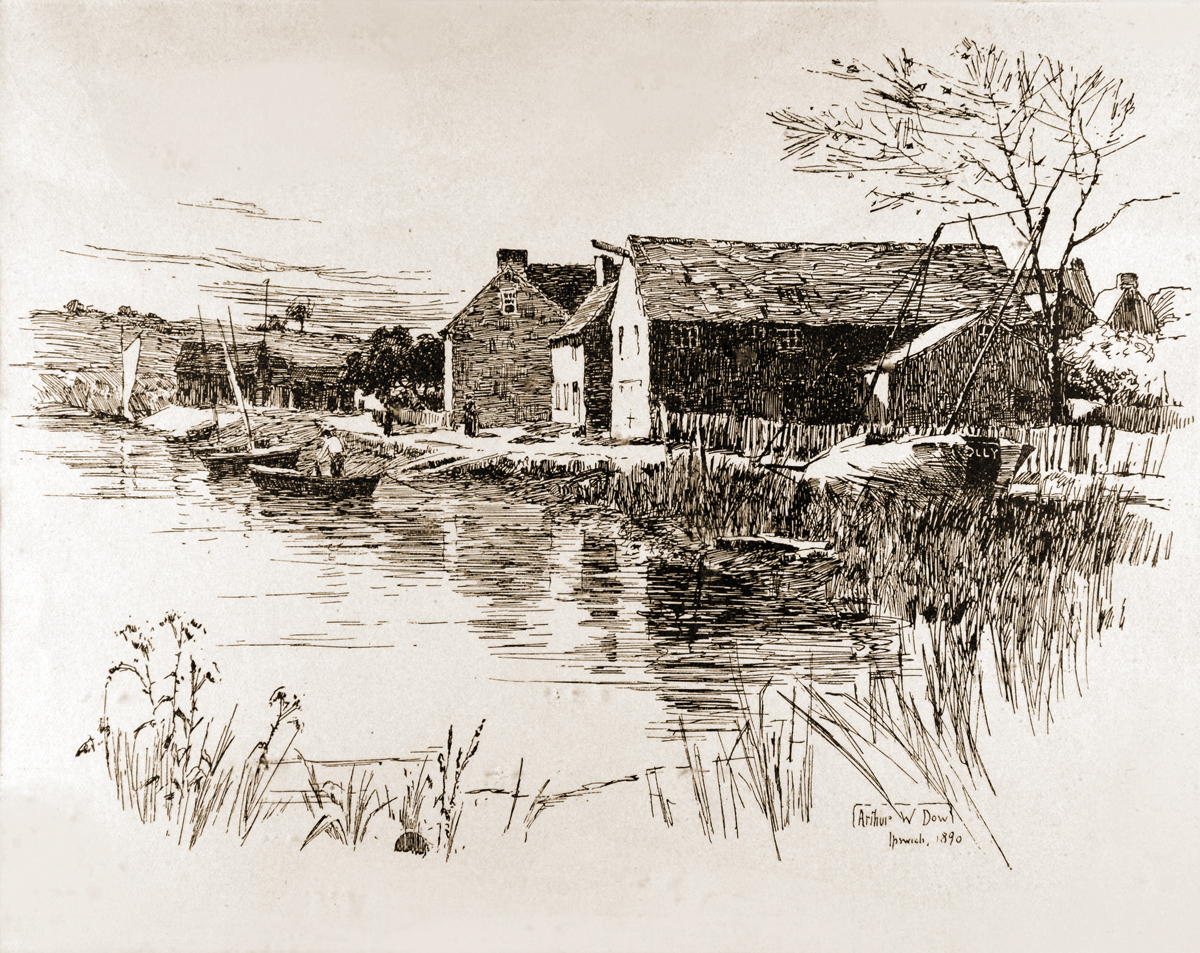
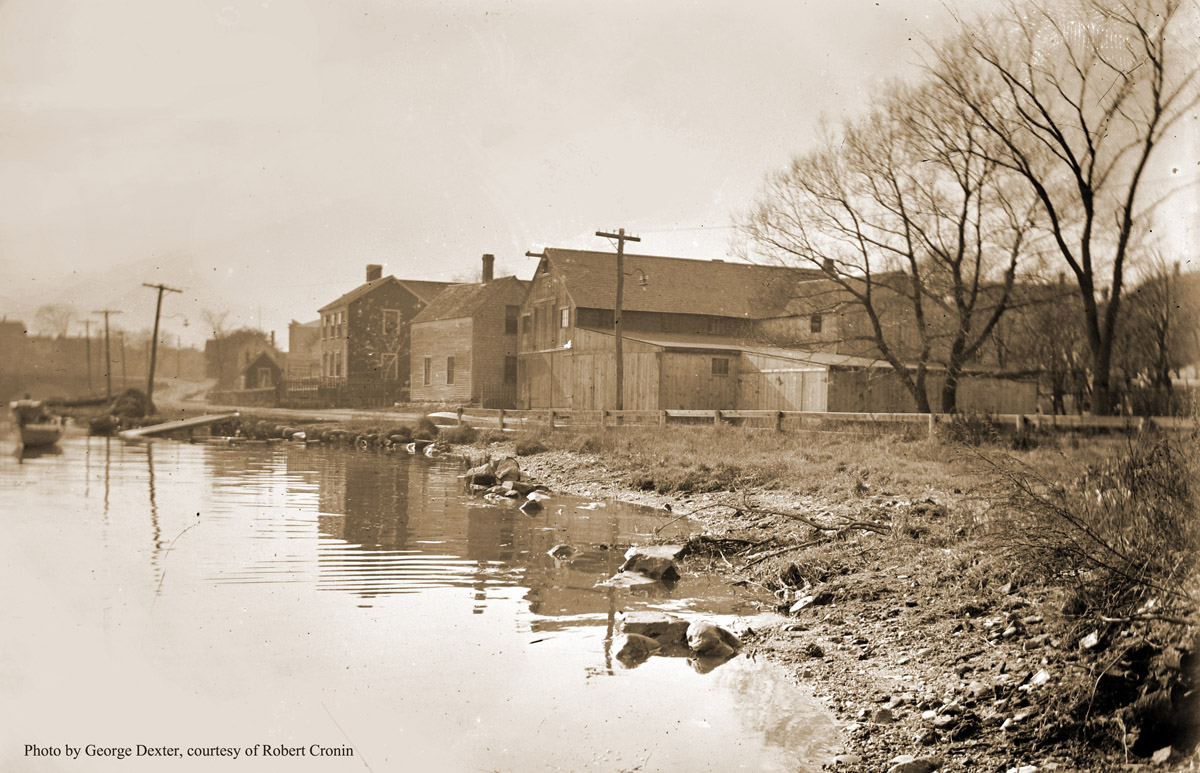
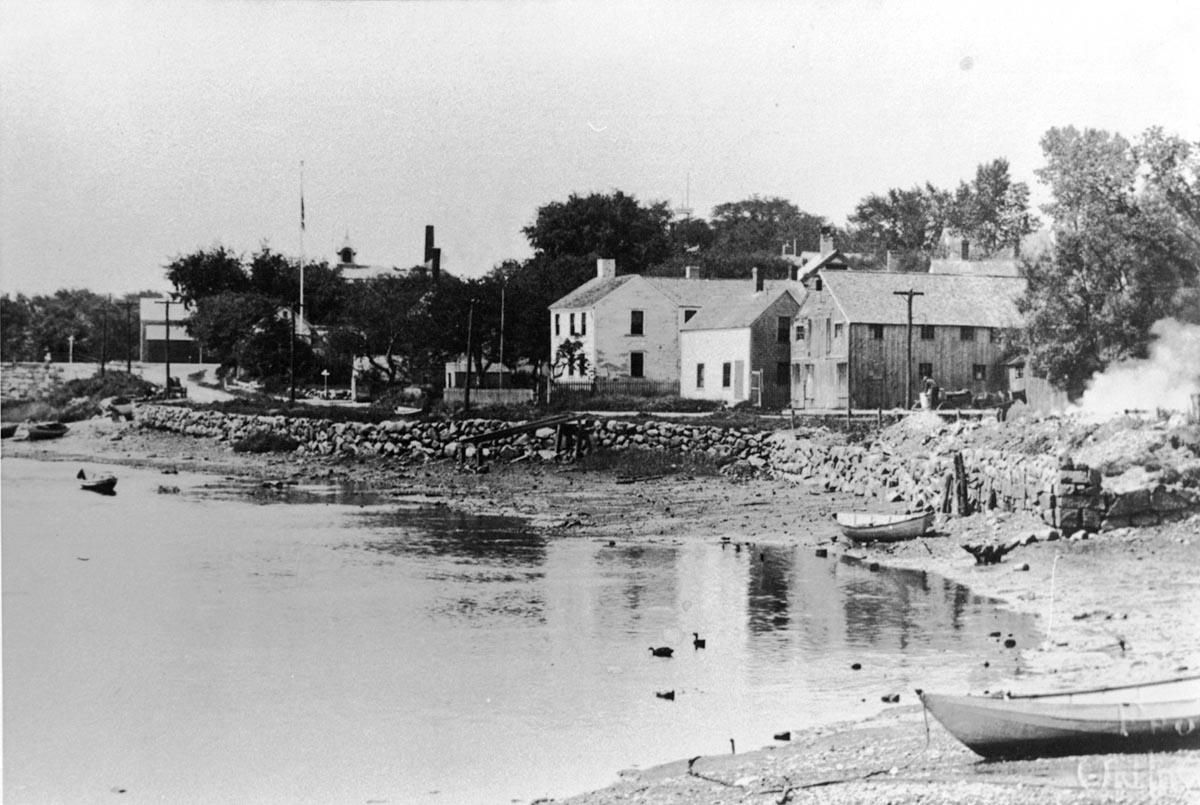
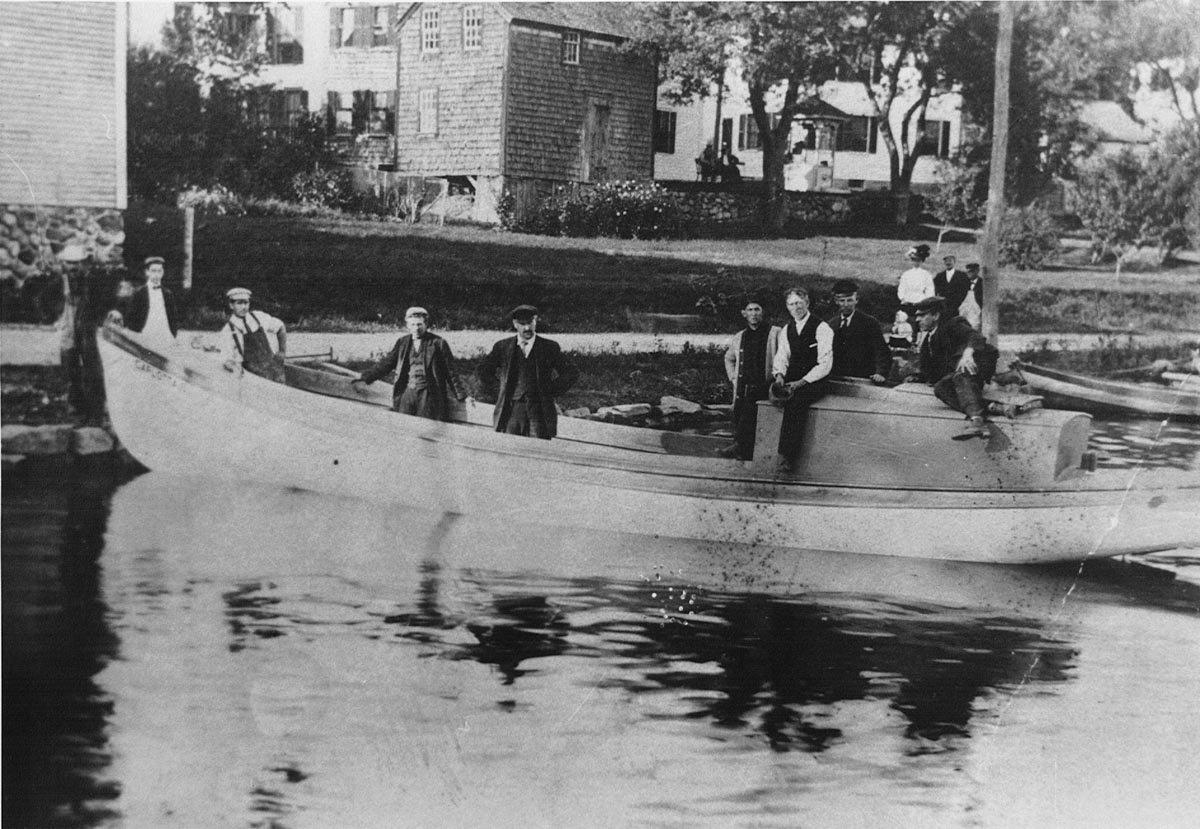
Herman Melanson’s Boatyard on Water Street burned in a spectacular fire on August 7, 2009. The boathouse was constructed by Herman Melanson’s father in 1954 and was also his residence. The entire building, three boats, and several vehicles were destroyed. In previous years, Melanson’s boathouse had been an active boat-building facility. Mr. Melanson and his health-care worker managed to escape. This video was posted on YouTube by Donald Freyleue.
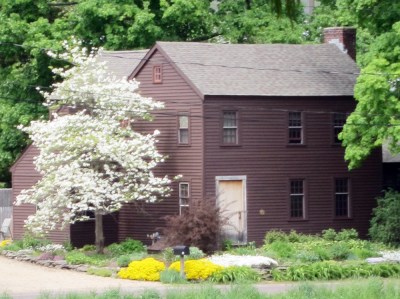 12 Water Street, the Glazier-Sweet house (1728) - This house was built in 1728 by Benjamin Glazier, a sea captain, and transitions the First and Second Periods of Colonial construction. The original half house and early Beverly Jog addition remain intact, with later additions.… Continue reading 12 Water Street, the Glazier-Sweet house (1728)
  28 Water Street, the Harris-Stanwood House (1696) - The Harris – Stanwood house was built in 1696 by John Harris. John Stanwood acquired the property in 1809 and it remained in his family for many years. The right wing was added c. 1884.… Continue reading 28 Water Street, the Harris-Stanwood House (1696)
 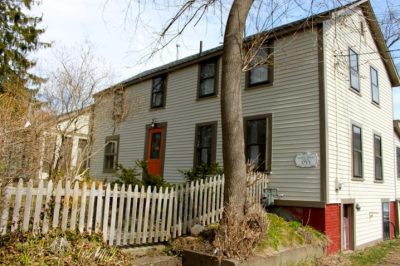 32 Water Street, the Jabez and Mary Sweet House (1713) - Jabesh Sweet built this house on a quarter acre lot by the river at 32 Water Street in 1713. People said that the ghost of Harry Maine the Mooncusser haunted the house that once sat where the garage for this house now stands. He was found guilty and staked to the Ipswich Bar for eternity.… Continue reading 32 Water Street, the Jabez and Mary Sweet House (1713)
  36 Water Street, the York – Averill House (1715-1790) - Captain Samuel York built this house in 1715 after selling two smaller lots on East Street. The earliest portions of this house date from the early years of his ownership, Benjamin Averill, a Revolutionary War veteran, bought the house in 1793 and it remained in the Averill family until the late 19th century.… Continue reading 36 Water Street, the York – Averill House (1715-1790)
 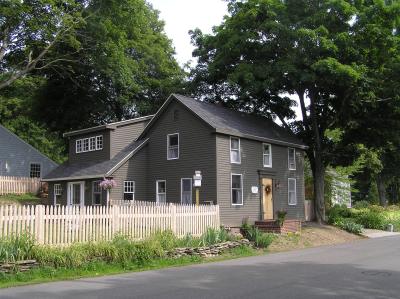 4 Water Street, the Thomas Jewett House (1849) - This house was built in 1849, framed with lumber taken from the 1747 Meeting House of the First Church when it was torn down, prior to the building of the Gothic church that stood on that location for a century.… Continue reading 4 Water Street, the Thomas Jewett House (1849)
 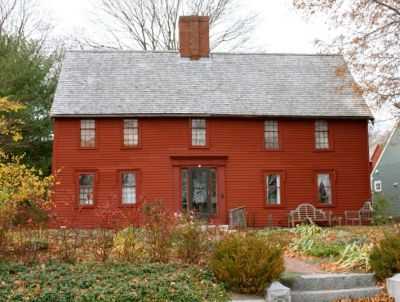 6 Water Street, the Reginald Foster House (1690/1745) - Ipswich deeds list the transfer of a house at this location from Roger Preston to Reginald Foster in 1657, but construction of this house dates to about 1690. Massive chamfered summer beams in the right section, the sharp-pitched roof and purlins provide evidence of an early date.… Continue reading 6 Water Street, the Reginald Foster House (1690/1745)
  8 Water Street, the Pengry-Harris-Sutton House (1677-1743), completely reconstructed in 2010) - Abner Harris bought this lot and enlarged the house in 1743. When the house was dismantled and reconstructed in the early 21st Century, evidence was discovered indicating that the eastern part of the house may date to 1677.… Continue reading 8 Water Street, the Pengry-Harris-Sutton House (1677-1743), completely reconstructed in 2010)
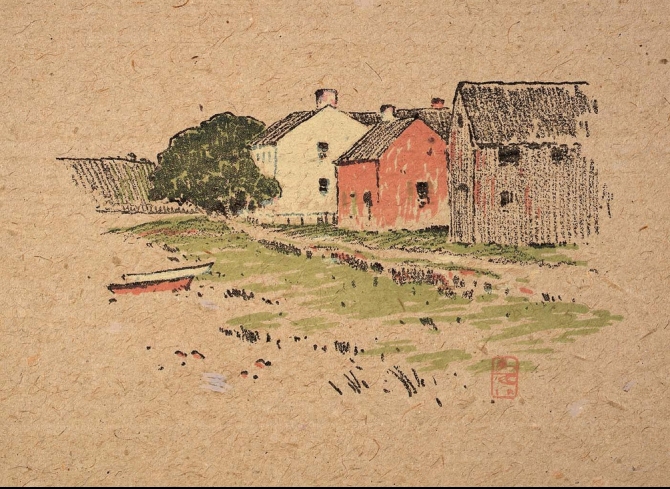
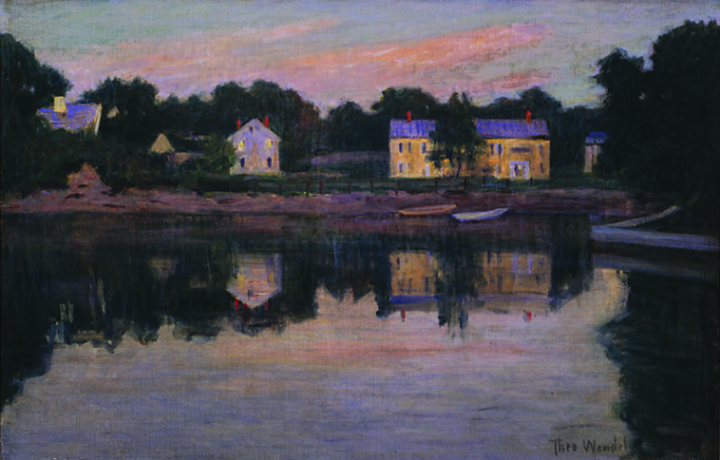
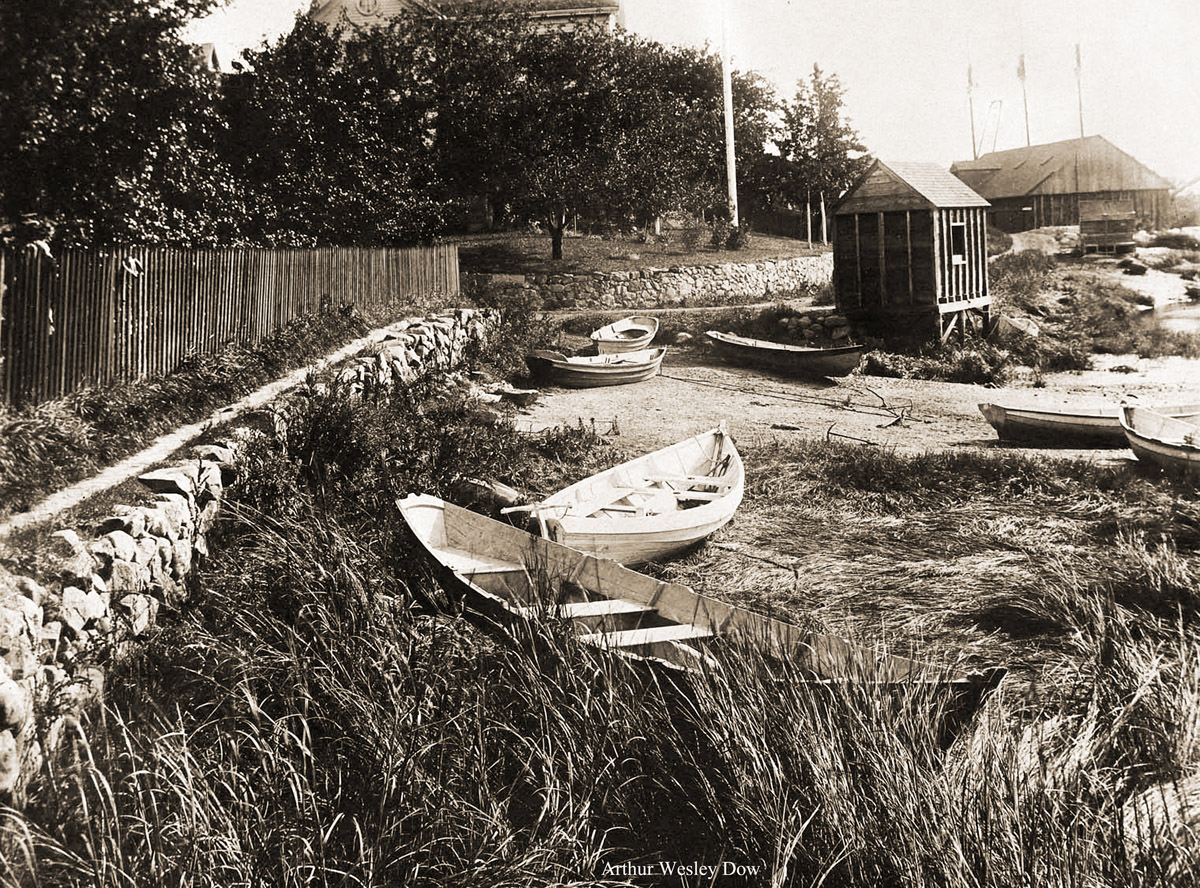
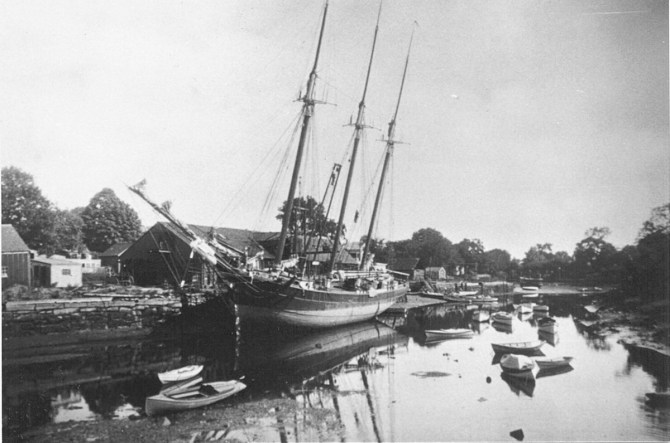
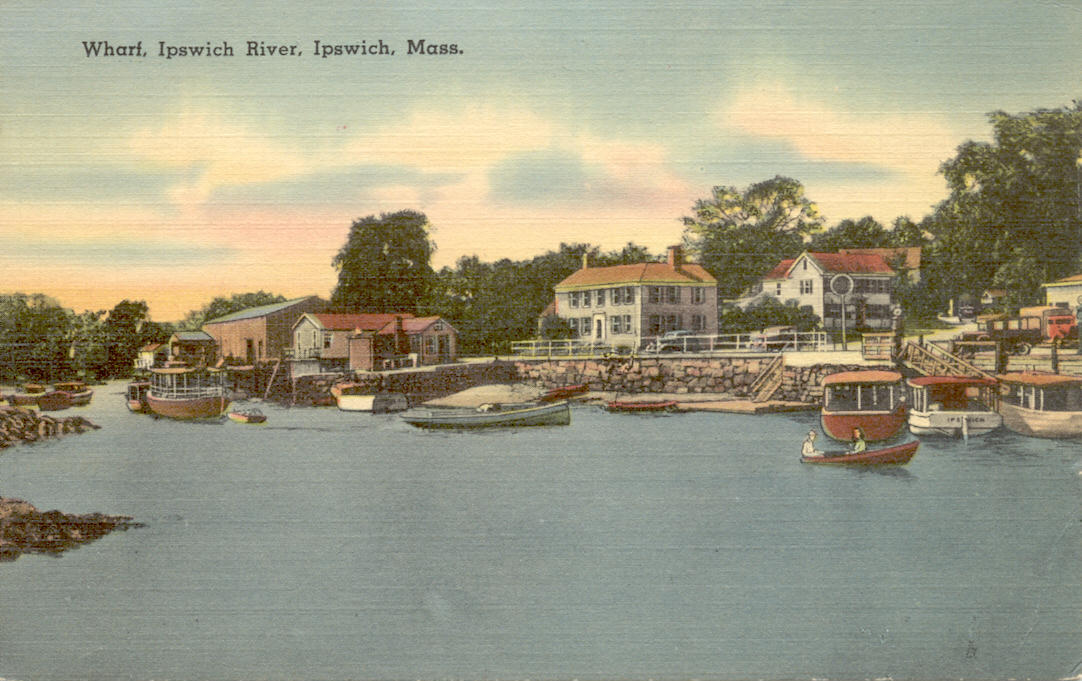
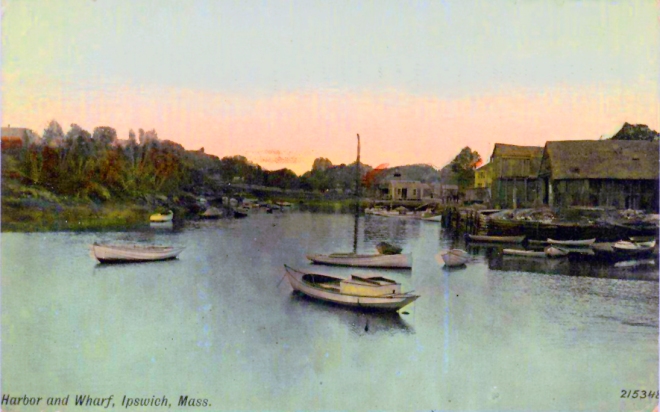
 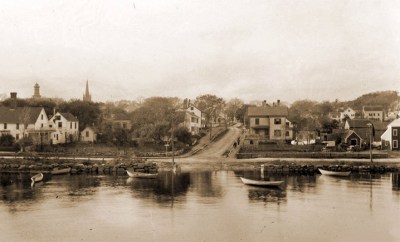 Images of Water Street - Today's Water and Summer Streets are the town's oldest public ways, and were in the early years called simply, "the Way to the Meeting House" or "the Way to the River." On either side of the River, a public way was sedulously preserved from any encroachment. … Continue reading Images of Water Street
 More photos and additional information:
Along the Ipswich River: Historic photos of the Ipswich River from original glass negatives taken by early Ipswich photographers Arthur Wesley Dow, George Dexter, and Edward L. Darling.
The Ipswich River: The 35-mile Ipswich River flows into the Atlantic Ocean at Ipswich Bay. The Ipswich River Water Association works to protect the river and its watershed. Foote Brothers Canoes on Topsfield Rd provides rentals and shuttle service from April to October.
The Industrial History of the Ipswich River: The Industrial History of the Ipswich River was produced for the Ipswich 375th Anniversary by John Stump, a volunteer for the Ipswich Museum, and Alan Pearsall, who produced the Ipswich Mural with funding from EBSCO.
The Choate Bridge: The American Society of Civil Engineers cites the Choate Bridge in Ipswich as the oldest documented two-span masonry arch bridge in the U.S. and the oldest extant bridge in Massachusetts.
The Old Town Landings and Wharves: Many a pleasant sail down the river is in the memories of William J. Barton. “These were the names of the places and flats along the Ipswich River before my time, and familiar to me during my time. They were used by the fishermen and clammers. I know. I was one of them. It was the happiest time of my life.”
When Herring Were Caught by Torchlight: In the late 19th Century, most of the men around the river would look forward to “herringing” when fall arrived. The foot of Summer Street was the best landing. One year, so many herring were caught, they were dumped in the Parker River, and Herring did not return for many years.
County Street, Sawmill Point, and bare hills: The town voted in 1861 to build County Street and its stone arch bridge, connecting Cross and Mill Streets. A Woolen mill, sawmill, blacksmith shop, and veneer mill operated near the bridge.
The Town Wharf: The Ipswich Town Landing is one of several locations along the River where wharves were located over the centuries.
Diamond Stage: In 1673, two fishermen from the Isles of Shoals, Andrew Diamond and Harry Maine, arrived together in Ipswich. Mr. Diamond built a platform for salting and shipping fish and became quite successful. The location is still known today as Diamond Stage.
 Historic Ipswich