
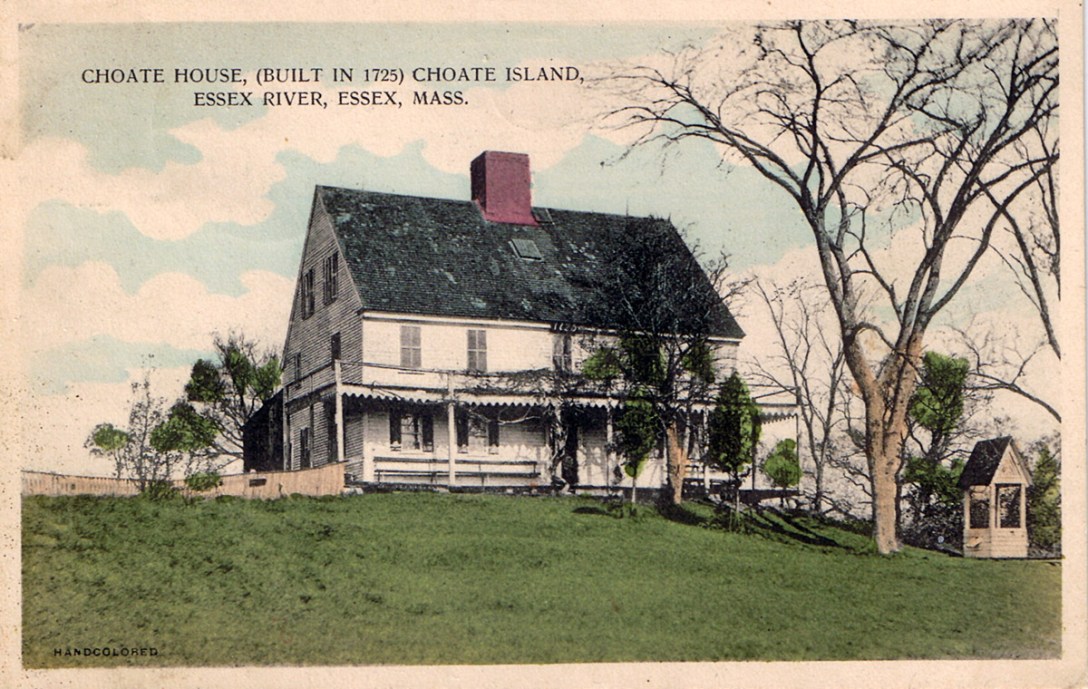
John Choate, the early settler of that name arrived in Ipswich during the Great Puritan Migration of the 1630s and ‘40s as a young man, and soon eventually acquired land in Chebacco, originally a part of Ipswich which broke away in 1820. By the 3rd generation, Choate family members lived in Newbury and Newburyport, marrying members of the Coffin, Pillsbury, and Greenleaf families, to name a few.
John Choate
The first of the Choate family line in Essex County was John Choate, 1624–1695, who was born in Groton, Suffolk, England. He immigrated to Ipswich, where he died in December 1695 in Chebacco Parish, now the town of Essex. Anne Carramas (1637-1727) is believed to have been the wife of John Choate. Little is known about her, but she survived her husband by more than thirty years.
Thomas Low: Family records indicate that John Choate arrived at age 19 as a servant to Thomas Low of Ipswich, and was part of Thomas Low’s household at least until he reached the age of 21 in 1645 and perhaps several years longer. Thomas Low Sr. came to New England with the Rogers’ party from Gravesend, England in 1636, and arrived at Ipswich in 1637. He settled in Chebacco Parish, where he was a maltster, and was granted ten acres of upland at Chebacco next to his existing ten acres. The house at 42 Heartbreak Road in Ipswich is traditionally known as the Thomas Low House, constructed c1720, but was almost certainly constructed by Thomas Low’s son, who Thomas Low lived with in his final years.
John Andrews: In a deposition in 1664, John testified that he was living with John Andrews in 1654 and 1655. John Andrews owned farmland in Chebacco (and briefly in the 1650s ran a notorious tavern at 34 High Street in Ipswich known as the White Horse Inn.) The 1885 Essex map shows a concentration of farms and houses on Southern Avenue in the vicinity of its intersection with Apple Street, owned by members of the Andrews family.
Thomas Bishop: In 1671, John Choate was working for Thomas Bishop, who owned an ordinary on North Main Street in Ipswich near the location of today’s Ipswich Public Library, and had a farm in Chebacco.
In April 1665, John Choate was on a list of commoners receiving shares in the division of town lands, and he received a share of Hog Island, now known as Choate Island, owned by the Trustees of Reservations.
In April 1692, Sergeant John Choate Senior and others were summoned to appear at Spark’s Tavern to provide perspective and evidence regarding the suspicion of Rachael Clinton being a witch. She was set free on January 3, 1693.
In John Choate’s will, which he made on December 7, 1691, he described himself as “Sergeant John Choate, of Ipswich in ye County of Essex in New England.” He had four sons and several daughters. The will was witnessed by Andrew Browne and Rev. John Wise, the minister of Chebacco Parish. Thomas Choate was not mentioned in his father’s will, doubtless because he had already received by deed all to which he was entitled. In 1696-97, the heirs filed an objection to the will that it was incomplete; all parties mutually agreed to a reapportionment.
The Choates of Ipswich
In Ipswich, Choate’s Wharf was on Water Street at the foot of Choate’s Court, now known as Scotton’s Lane. Near the present town landing was a shipyard operated by Edward W. Choate.
In 1757, Abraham Choate built a home on Elm Street. In the 1960s, the Choate House was moved to the Museum of American History at the Smithsonian in Washington DC.
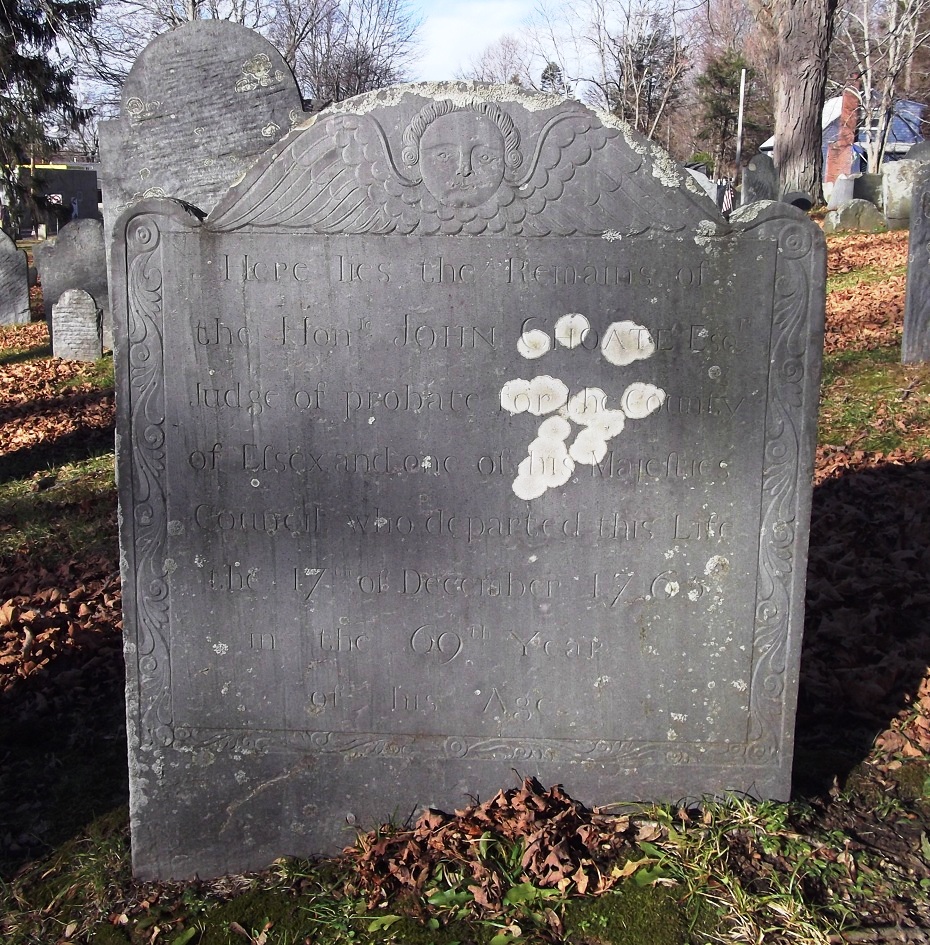
The Choate Bridge on South Main St. in Ipswich was constructed in 1764 and is the oldest double-stone-arch bridge in America. John Choate, the son of Thomas Choate and Mary Varney, born in 1697, designed and oversaw the construction of the bridge. He was actively engaged in the military, financial, civil, educational, judicial, and ecclesiastical affairs of the Massachusetts colony, and was elected to the General Court from Ipswich from 1731 to 1760. The American Society of Civil Engineers cites the Choate Bridge as the oldest documented two-span masonry arch bridge in the U.S. and the oldest extant bridge in Massachusetts. The builder of the bridge, John Choate, and his wife are buried at the Old North Burying Ground in Ipswich.

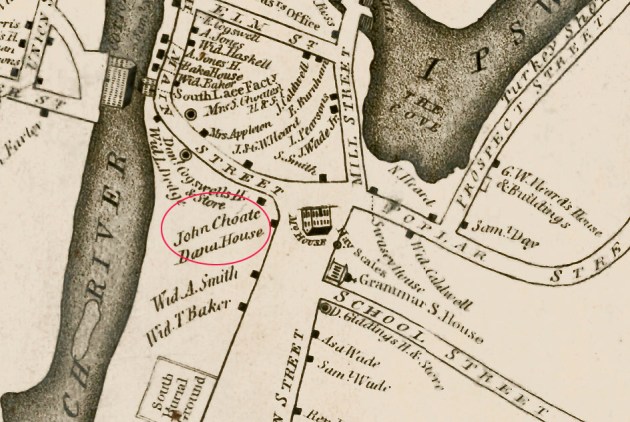
Col. John Choate’s will, approved March 10, 1766, bequeathed the improvement of the mansion to his widow, Miriam, his cousin’s widow Elizabeth Potter, and his niece Sarah Cheever.
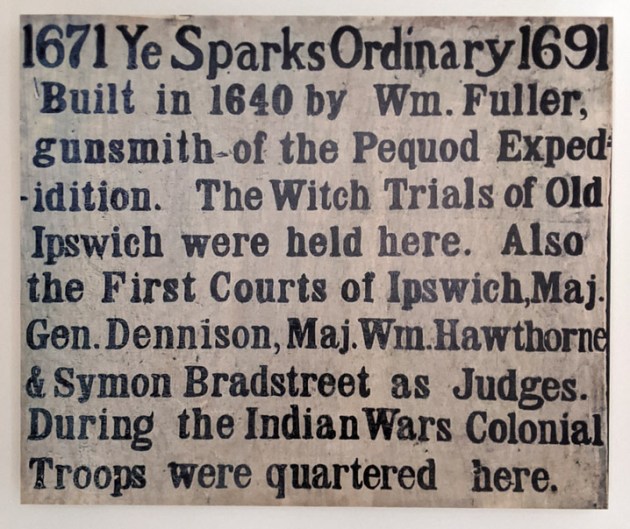
On April 21st, 1692, the following summons was issued by Thomas Wade, Ipswich town clerk: “To Sargent John Choate, senior, To Jonas Gregory, To James Burnam, all of Ipswich, Mary Andrews, Sarah Rogers, Margaret Lord. Sary Halwell, you & each of you are hereby Required in their majesties names To make Your personal appearance before ye Worshipfull Maj. Samuel Appleton Esq., & ye Clerk of ye Court to be at ye house of Mr. John Spark in Ipswich on ye 22d Day of This Instant April, at two o’clock afternoon. Then and There to Give in Your several respective Evidences in behalf of their majesties concerning with Clearing up of ye Grounds of suspicion of Rachell Clenton’s being a witch, who is Then and There to be upon further Examination. Therefore So make Your appearance according to this Summons; fail not at your peril.”
Col. Abraham Dodge
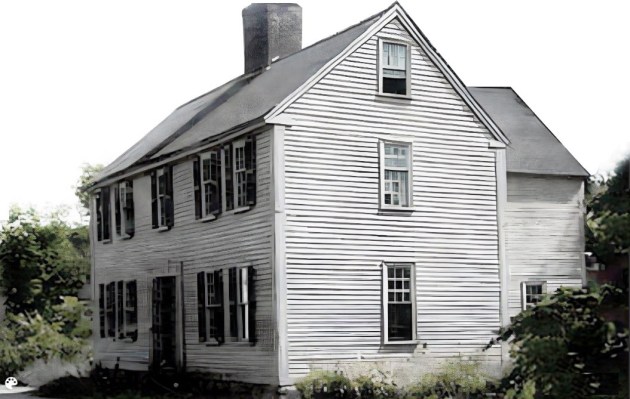
Col. Abraham Choate built this house at the intersection of County and Elm Streets in the 1760s, and attached part of an older structure to the rear of the house to create more space for his eight children. Over the years, Abraham established himself as a miller and maritime merchant. Two hundred years later, the house was moved to the Smithsonian Museum of American History, where it is an exhibit called “Within These Walls.”
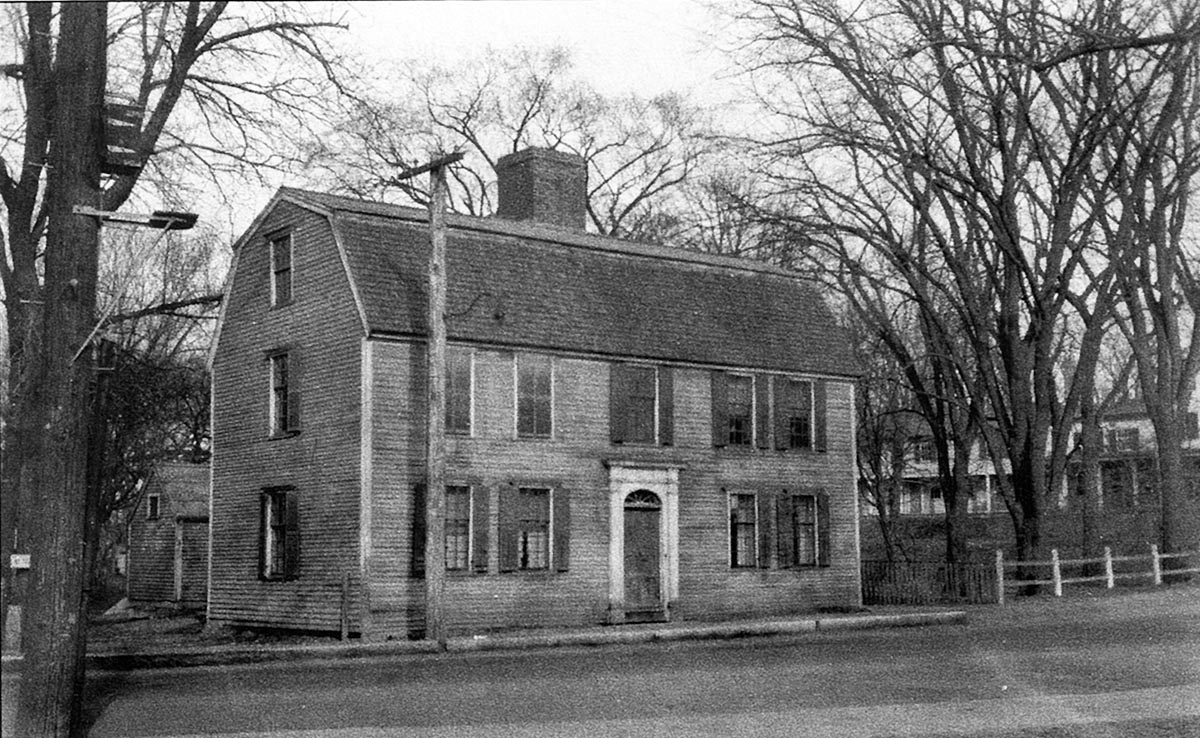
Charles, Lewis, and Edward Choate, Ipswich shipbuilders

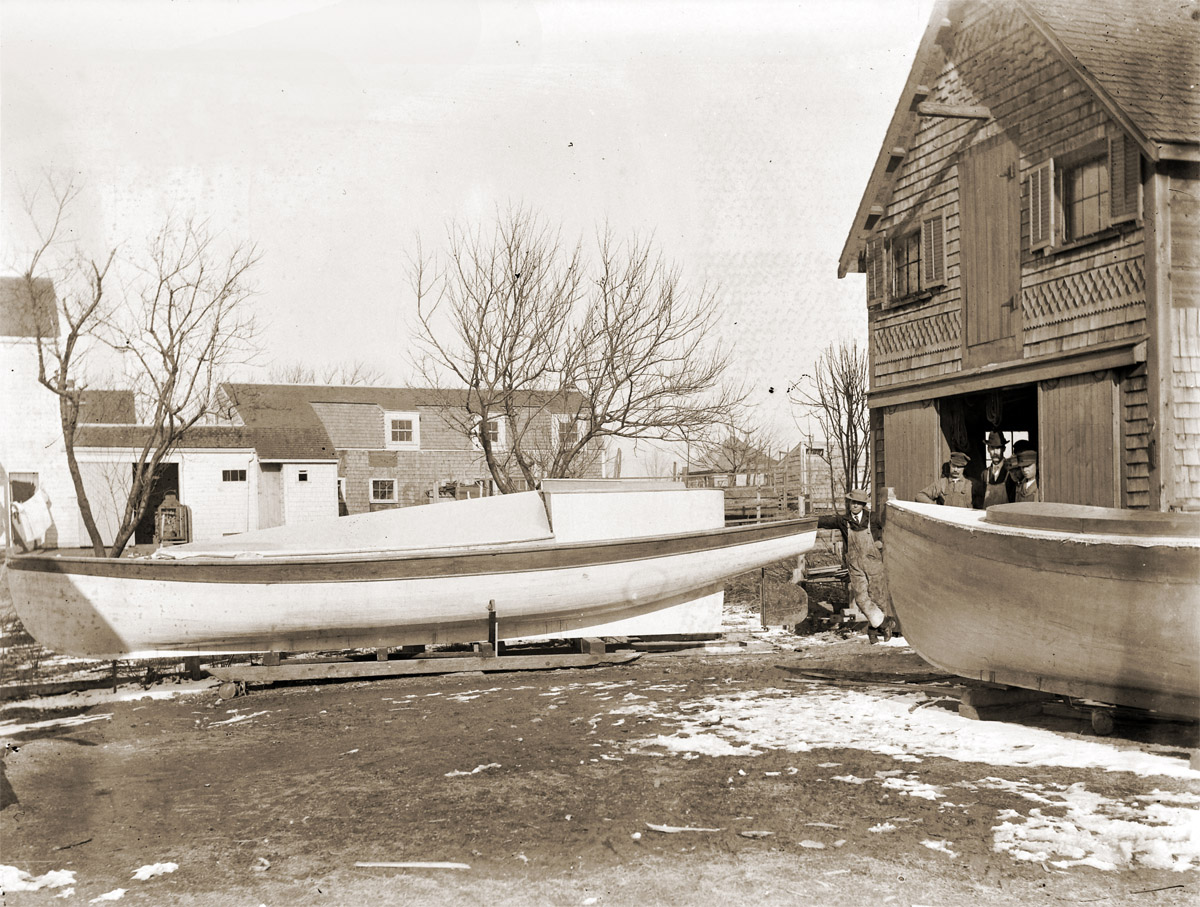
In 1834, Charles Choate moved to Ipswich from Essex and began building vessels at Baker’s Wharf on Water Street. His sons Lewis and Edward took up the trade and continued the business in the same yard. The large house at 1 Scotton’s Lane near Water Street was constructed for Lewis Choate about 1870, as shown on the 1872 and 1884 Ipswich maps. Until the early 20th Century, the street was known as “Choate’s Lane.” Edward Choate built ships in his yard at “Roger’s Point.”
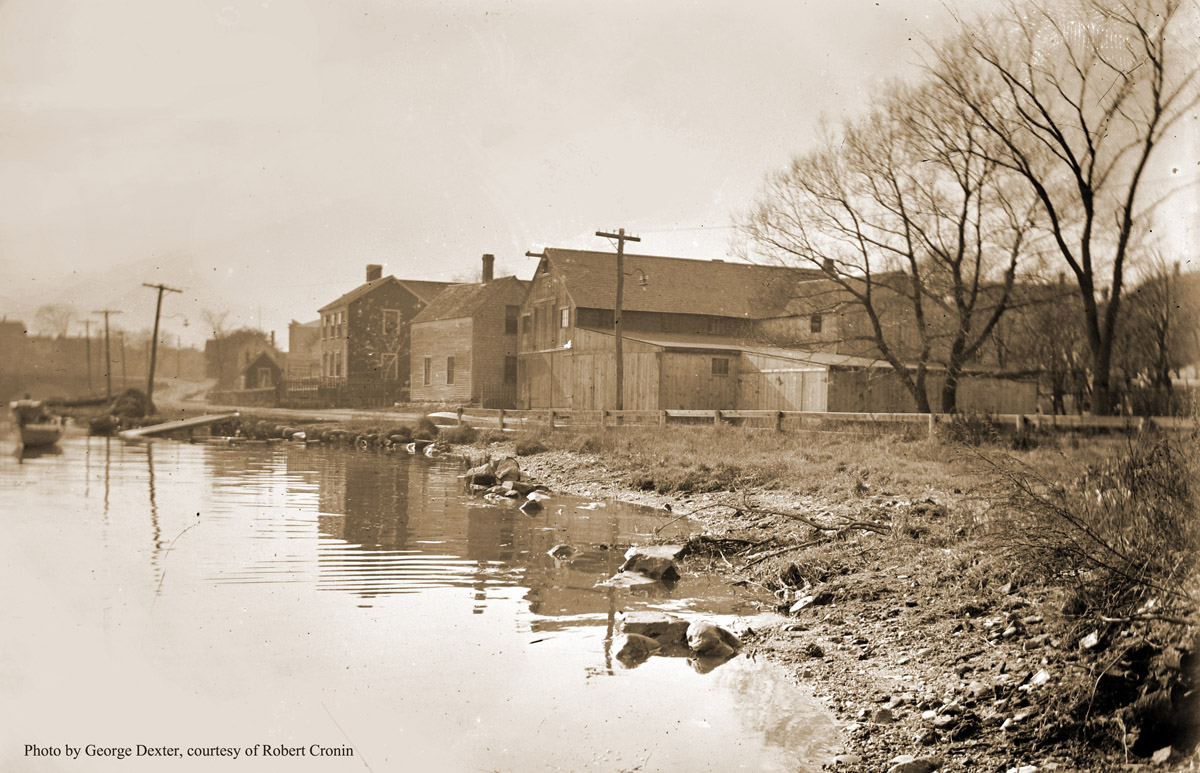
Water St. in the early 20th Century: Choate’s boat shop was at today’s Outboard Club location.
Chebacco and Essex
Essex, formerly a parish of Ipswich, is about 6 miles east of Ipswich. Places to visit include the Essex Shipbuilding Museum and Choate Island (on the Annual Choate Island Day provided by Trustees of Reservations.) Many Choate family gravestones are at the Old Graveyard in Essex.
Thomas Choate and Mary Varney
One of John Choate’s sons, Thomas Choate, married Mary Varney. They settled on Hog Island, and he became a successful farmer known as Governor Choate, having come into possession of the entire Island. Thomas Choate became a leading citizen of Ipswich and was a representative to the General Court in 1723-27.
Mary Varney was the daughter of Corporal Thomas Varney (1644–1680) and Abigail Proctor. Her grandfather, William Varney, emigrated from England to Ipswich in the early 17th century. Corporal Varney settled in Chebacco. Her brother John Proctor was hanged during the Salem witch trials.
When the Chebacco community decided in 1679 to build a church of their own, the leaders of the Ipswich church obtained an order from the general court that “No man shall build a meeting house at Chebacco.” Abigail Proctor, the wife of Thomas Varney, saw a glaring legal loophole in the order by which she might force the ways of Providence. On Tuesday, March 21, 1679, she, Sarah Martin, and Hannah Goodhue gathered the town’s women and a few men from Wenham, Gloucester, and Manchester, and they commenced construction while the men of Chebacco looked on, providing the workers with a good supper at the end of their labor. They were ordered to appear at the Salem Court and acknowledge their wrongdoing. The charges were dismissed but the wives had succeeded in getting their meeting house well-started.
Mary Varney’s father Corporal Varney, died in 1692, and his wife, Abigail Varney, and his son-in-law, Thomas Choate, were co-executors of the John Choate estate, which was valued at £736, considerable wealth for that time.
Mary Varney Choate died in November 1733, and Thomas Choate married, second, Mrs. Mary Ayer Calef, the widow of Joseph Calef. After her death, he married Mrs. Hannah Burnham. Captain Thomas Choate died on March 31, 1745, and Mrs. Hannah Choate died on October 2, 1782.
It is said that no less than eighty-two persons of the name of Choate were born on Choate Island. The most famous member of the Choate family to live on the island was Rufus Choate (1799–1859), a famous lawyer, orator, and U.S. senator.
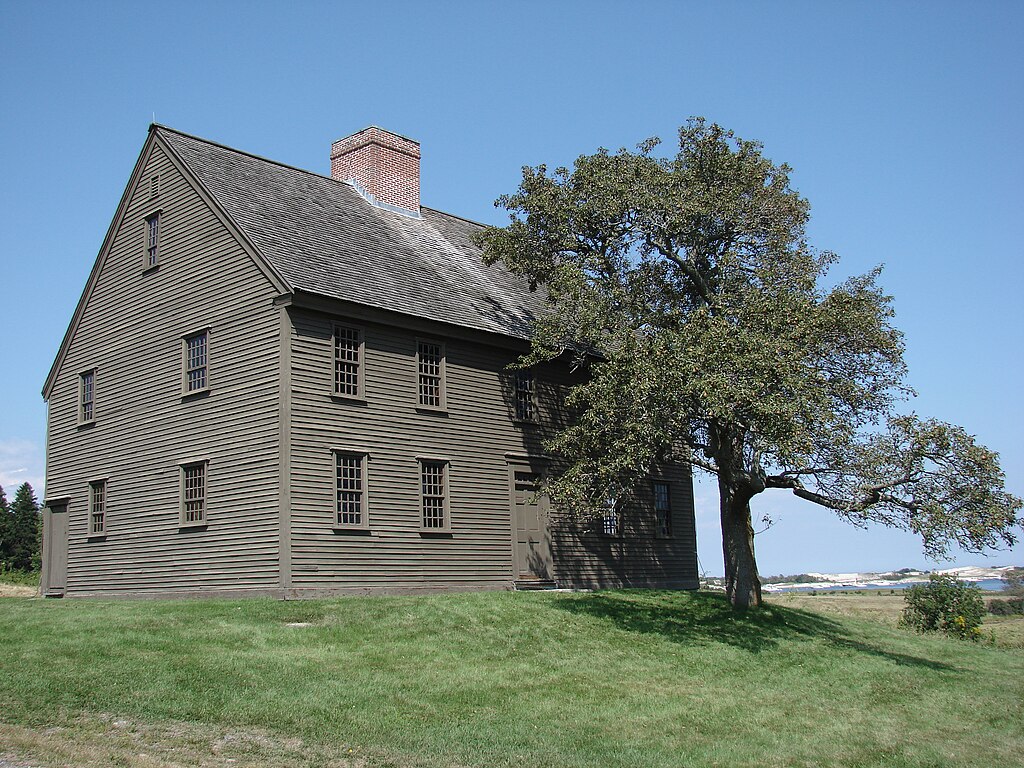
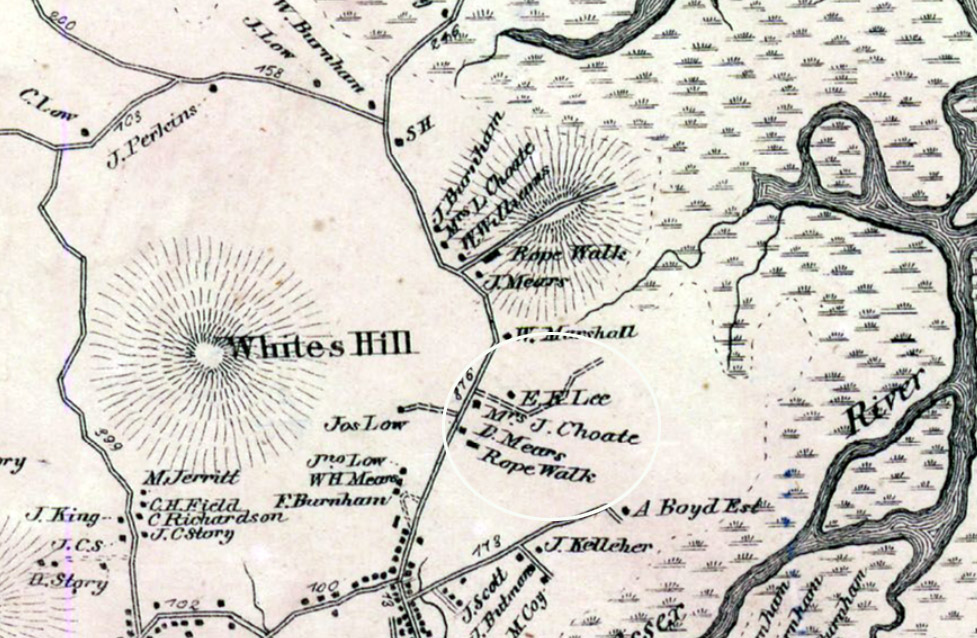
Thomas Choate lived on “The Island” for thirty-five years, where he raised his family. In 1725, He moved to the mainland, to what was known as the “John Burnham Place.” Thomas Choate’s daughter Anne (1691-1759) married John Burnham in 1710. The location of the Burnham Place is unclear, but it may have been on today’s Choate Street (called Chebacco Road when it enters Ipswich). The Burnham family of Essex came to America on the Angel Gabriel, along with John Cogswell and family, which was wrecked off the coast of Maine near Pemiquid during the Great Colonial Hurricane of 1635. John Burnham, who married Anne Choate, was a brother of Elizabeth Burnham, the wife of Thomas Choate.
By that time, Thomas Choate had two farms on the island, the Randall Andrews farm in Ipswich, a 400-acre farm in Rockport, a farm in West Gloucester, one on Jeffrey’s Neck, and the John Burnham farm to which he moved. The Choate House that is still standing on Choate Island was built for Thomas Choate’s son Francis, who continued living on the Island after his father moved.


The Town of Essex Assessor’s site lists the date of construction for 93 John Wise Ave. (Rt. 133) in Essex as 1751. It is unclear who constructed the house. A sign on the house states that it was the home of Col. John Choate, who died in 1765, a year after supervising the construction of the Choate Bridge in Ipswich. His widow died four years later. None of their children survived childhood, and in his will, Col. Choate bequeathed his properties to his nephew, Stephen Choate. (Source: The Choates in America).
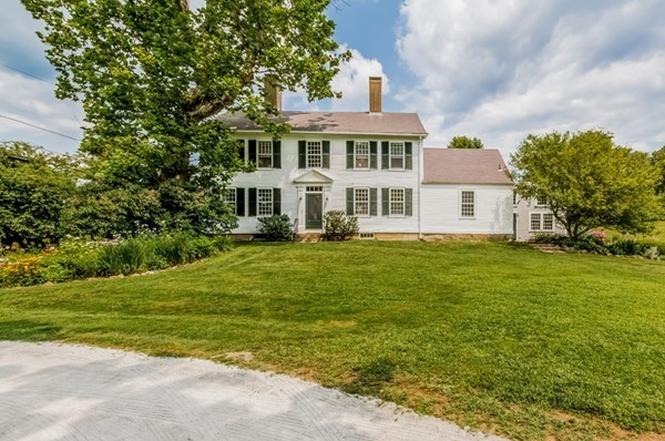
In 1800, David Choate built a home at 15 Spring Street in Essex. Seven successive generations of Choates have lived in the house. The house is privately owned
A quarter mile beyond on Spring Street is Cogswell’s Grant , owned by the Trustees of Reservations and open for tours on Fridays and Saturdays from June through October 15. The house, built about 1735, is believed to be on the site of the 17th-century William Cogswell farmhouse which stood on the eastern point of the 300-acre grant, given in 1635 to John Cogswell, the first of the Cogswell family to come to America.
Newbury and Newburyport
Ebenezer Choate and Elizabeth Greenleaf
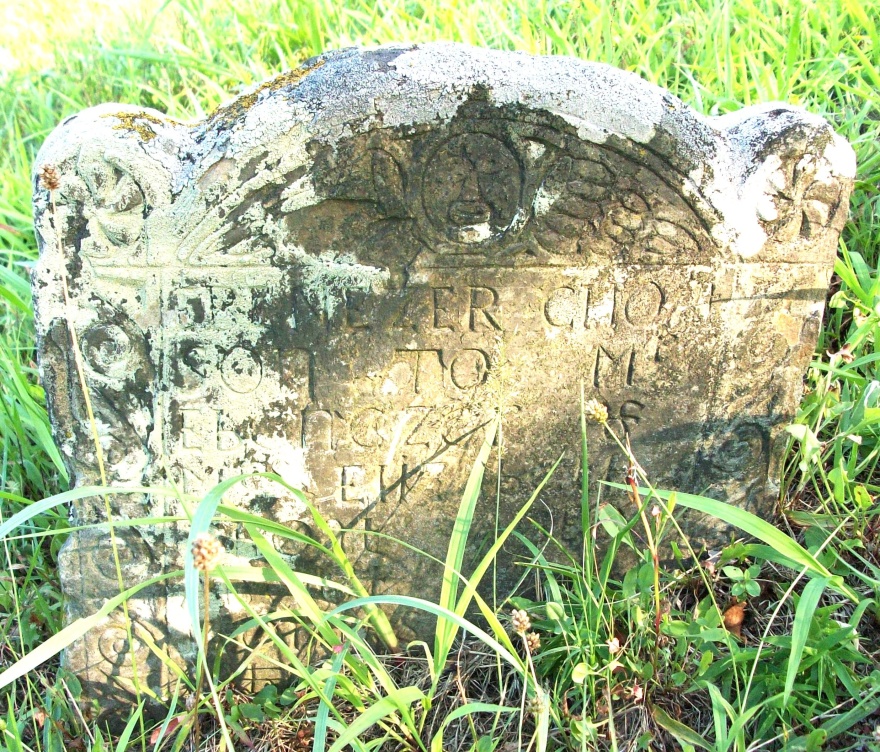
A son of Thomas Choate and Mary Varney, Ebenezer Choate was born in Chebacco and died in 1766. He is buried at the Old Hill Burying Ground in Newbury, although the gravestone may no longer be visible. His occupation in Newburyport was “inn holder”, and he was also a notary public and a coroner.
Ebenezer Choate married Elizabeth Greenleaf of Newburyport, who died in 1798. Her gravestone is at the Old Hill Burying Ground in Newburyport. Her great-grandfather Edmund Greenleaf (1574-1671) emigrated to Newbury, MA, around 1635, along with his son Stephen Greenleaf (1628-1690), who was Elizabeth Greenleaf’s grandfather. Stephen Greenleaf was also the great-great-grandfather of the poet John Greenleaf Whittier.
Stephen Greenleaf married Elizabeth Coffin in 1651 in Newbury, the daughter of Tristam Coffin Sr. His son Tristam Coffin Jr. built the Coffin House at 14 High Road in Newbury in 1678, which is owned by the organization Historic New England, and is open from June through October on Saturdays.
Thomas Choate was financially involved in Newbury, from which the city of Newburyport was created in 1764. The record states, “20 December 1742 Gov. Thomas Choate gave his house in Newbury, in which his son Ebenezer lives, to Ebenezer’s Children, but to be used by Ebenezer and his wife during their lives. The children then were Benjamin, Thomas Joseph, Mary, Elizabeth, and Sarah.” The first child Ebenezer, died as an infant, and a second Ebenezer was born later.


Ebenezer Choate II and Anna Pillsbury
A son of Ebenezer Choate and Elizabeth Greenleaf, Captain Ebenezer Choate (2) was born on April 16, 1748, in Newburyport, Mass. He married on Jan. 1, 1784, Anna Pillsbury, the daughter of Enoch and Apphia Currier Pillsbury, who was born July 18, 1760, in Newburyport, where they resided and had seven children. Like their father, all of the sons were involved with the seas. Captain Choate died Nov. 2, 1801, in Guadeloupe, and his wife died June 16, 1804. Their son Thomas Joseph Choate was born in Newburyport and died in South Carolina, but generations of the Choate family continued living in Newburyport, Ipswich, Essex, and throughout New England
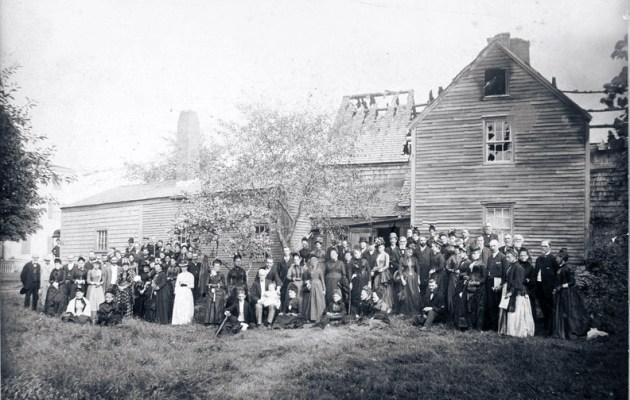
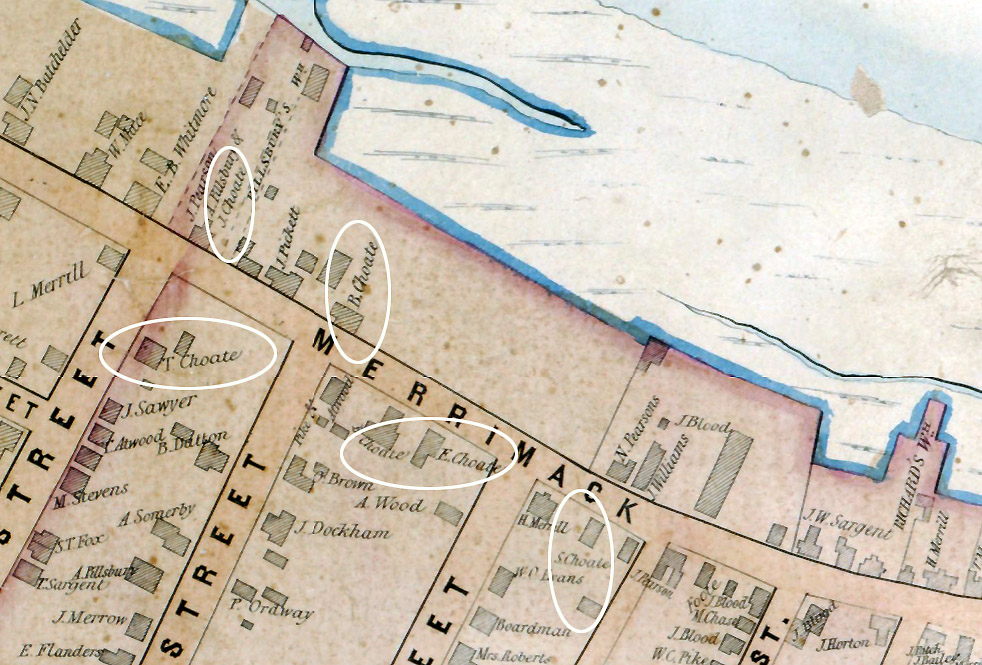
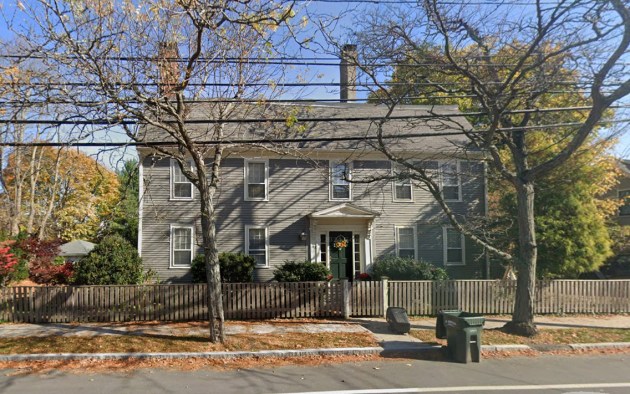
Newburyport is 15 miles North of Ipswich. Places to visit include the Custom Maritime House Museum and the Old Hill St. Burying Ground, where many of the Choates and their related families are buried. The Choates in Newburyport included several ship joiners and carpenters living in the North End. The 1851 Plan of Newburyport shows numerous houses on Merrimac Street owned by the Choate family. The house at 310 Merrimac St. was known as the Choate estate, in front of one of the former boatyards.
Origin of the Choate Family in the UK and America
The surname Choate is rare in England, concentrated in an approximately 25-mile diameter circle of towns west of Ipswich, UK, centered on Halstead. The above map shows the towns in England where the earliest uses of the Choate surname were found. The 15th century is orange. The 16th century is in red. The 17th century is in blue. The 18th century is purple. Most people with the surname Choate in the United States descend from one of two individuals who came from towns about 25 miles apart, and were undoubtedly ancestrally related within the previous two centuries. In this same area we find a concentration of the surname Choat (without the e) and Chute. Some genealogists treat Choate as a historical variant of Chute, and both names occur in southeastern England beginning in the 15th century.
- John Choate, who came to Ipswich, MA, in 1643 and purchased land in Chebacco. The history of these northern Choates was published by E. O. Jameson in “Choates in America; 1643-1896.”
- Christopher Choate, who settled on the Magothy River in Maryland after coming as an indentured servant in 1676. Less is known about the Choates living in the south.
Sources and Further Reading:
- Jameson, E.O.: “The Choates in America, 1643-1896, John Choate and His Descendants, Chebacco, Ipswich Mass.”
- Crowell, Robert, 1787-1855: History of the town of Essex: from 1634 to 1868 (Volume 1)
- Choate Island and Rufus Choate – Historic Ipswich
- WikiTree: John Choate
- Wikitree: Thomas Choate
- Geni: Thomas Choate
- Findagrave: John Choate
- The Choates of the South
- Tom Beddall
- Surname map for UK: Choate
- Surname map for UK: Chute
- Lepionka, Mary Ellen: Native Americans and Choate Island
Related Posts
 The Choate Bridge - The American Society of Civil Engineers cites the Choate Bridge in Ipswich as the oldest documented two-span masonry arch bridge in the U.S., and the oldest extant bridge in Massachusetts. … Continue reading The Choate Bridge
 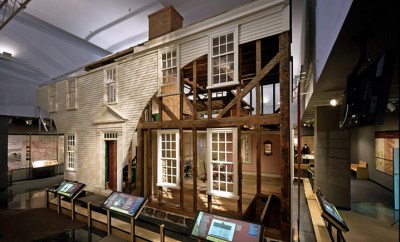 Choate-Caldwell House, Formerly at the Corner of Elm and County Streets, Now at the Smithsonian - In 1963 this house was slated for destruction, but through the efforts of local preservationists was relocated to the Smithsonian where it resides as the Museum’s largest artifact on permanent display.… Continue reading Choate-Caldwell House, Formerly at the Corner of Elm and County Streets, Now at the Smithsonian
  Choate Island and Rufus Choate - Choate Island was originally known as Hog Island, and is the largest island in the Crane Wildlife Refuge and is the site of the Choate family homestead, the Proctor Barn, the White Cottage, and the final resting place of Mr. and Mrs. Cornelius Crane. There are great views from the island summit of the Castle Neck dunes and Plum Island Mount Agamenticus in Maine.… Continue reading Choate Island and Rufus Choate
 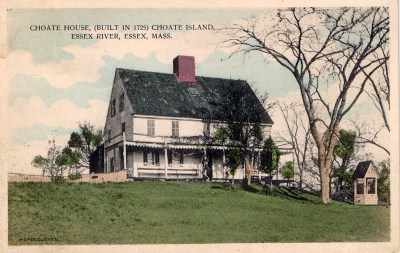 A Brief History of the Choates of Ipswich, Essex, and Newburyport - John Choate, the early settler of that name arrived in Ipswich during the Great Puritan Migration of the 1630s and ‘40s as a young man, and soon eventually acquired land in Chebacco, originally a part of Ipswich which broke away in 1820. By the 3rd generation, Choate family members lived in Newbury and Newburyport, marrying… Continue reading A Brief History of the Choates of Ipswich, Essex, and Newburyport
 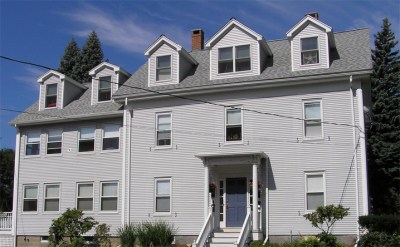 1 Scotton’s Lane, the Choate-Scotton house (c. 1863) - In the year 1834, Charles Choate moved to Ipswich from Essex with his family and began building vessels at Baker’s Wharf. His sons Lewis and Edward took up the trade and continued the business. Amos Scotton immigrated to Boston and settled in Ipswich. He married Eliza Brown and had 8 children. He passed away on 1905 in Ipswich. His son Amos Scotton, an Ipswich jeweler and knit goods, purchased this property before 1910.… Continue reading 1 Scotton’s Lane, the Choate-Scotton house (c. 1863)
  Historic Ipswich
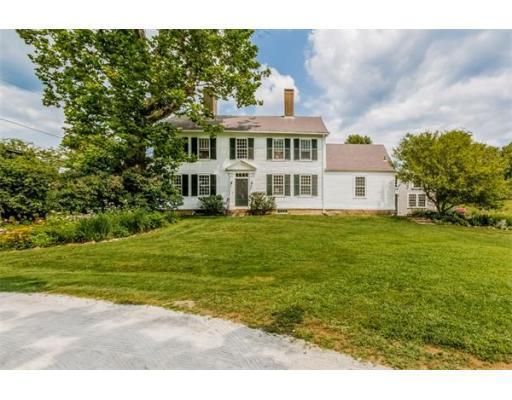
Good evening, You recently sent out a message about the John (Jacob) Perkins house at 80 East Street with a picture of the Perkins house and other information about the Perkins family in Ipswich. I have visited Ipswich and toured the house and the Winthrop House Museum where I was able to see and hold John Sr’s walking cane that is sometimes on display in the museum. For some unknown reason I accidently deleted the article while trying to save it. Can you please resend it to me. I am a descendant of John Sr. and John Jr. and currently live in Texas.
Thanks and best regards, Ernest L. Perkins, Sr. 3043 Hickory Ridge Circle Bryan, Texas 77807-4854 My email is elperk62@gmail.com
HI from the great grandson of Sir Edward Bennett of Virginia and Massachusetts in the 1600s the start of North America.
The beginning of America.
This is before America was actually announced. The beginning of the New world they called it.
Thank you for these occasional insights into the history of Ipswich and the surrounding areas. It is a treat to see them in my inbox!
I am a descendant of the Choate family. I would like to know when the Choate weekend takes place, so I can attend.
Laurie Choate Churchwell
laurie_606@hotmail.com
Hello I am too and would love to talk to you about our history…
7654657174
Thank you