
Recipe For Disaster is a six minute video about the explosion of European Green Crabs in the Great Salt Marsh. The mission of GreenCrab.org is to develop markets and promote consumption of green crabs to mitigate their invasive impact.

On the Massachusetts North Shore
Recipe For Disaster is a six minute video about the explosion of European Green Crabs in the Great Salt Marsh. The mission of GreenCrab.org is to develop markets and promote consumption of green crabs to mitigate their invasive impact.
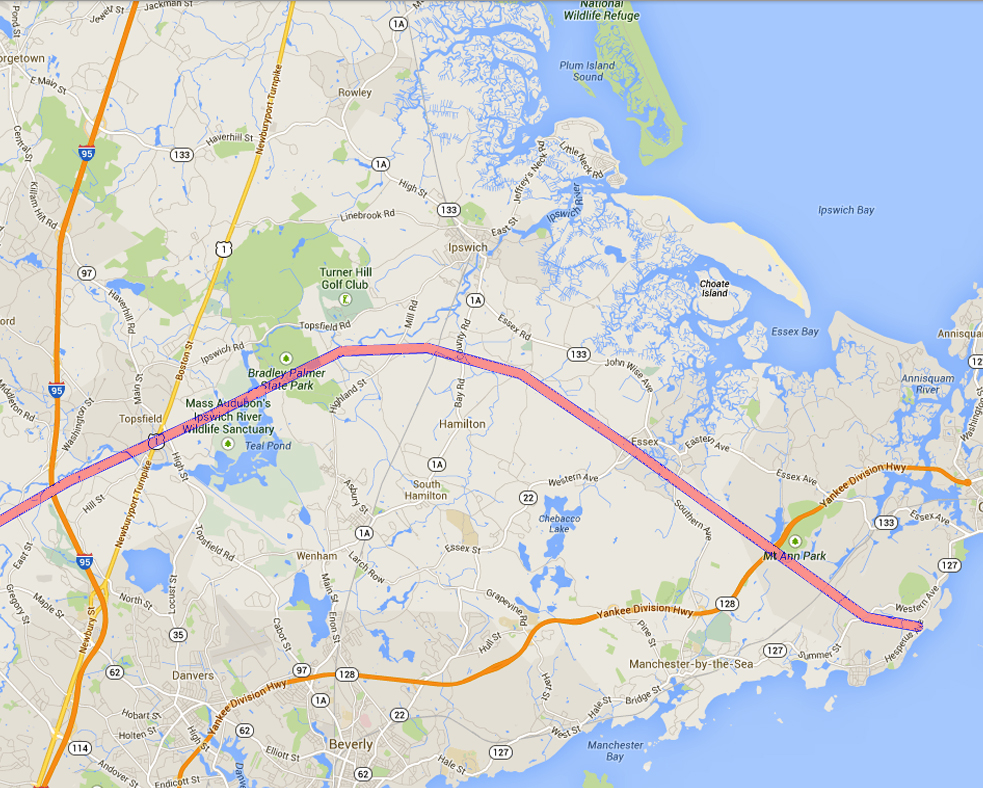
In1968, Mass DPW proposed an additional beltway around Boston that would have cut through the Ipswich River Sanctuary, Bradley Palmer State Park, Appleton Farms, the Pingree Reservation and Manchester-Essex Woods. Plans were eventually abandoned because of resistance from communities that would have been affected.

A heat wave during the summer of 1896 produced 1500 deaths from the Midwest to New England. Fifteen years later the record for heat-related fatalities was broken. July 1936 remains the warmest U.S. month ever measured, and ironically, February, 1936 is the coldest February. Record-breaking temperatures in Boston, Providence, and Hartford set in 1936 stood until the summer of 2017.

In 2010, the Ipswich Board of Selectmen voted to begin exploring removal of the Ipswich Mills Dam. The feasibility study was completed in March, 2019 and will set the stage for the Town's decision regarding the dam.
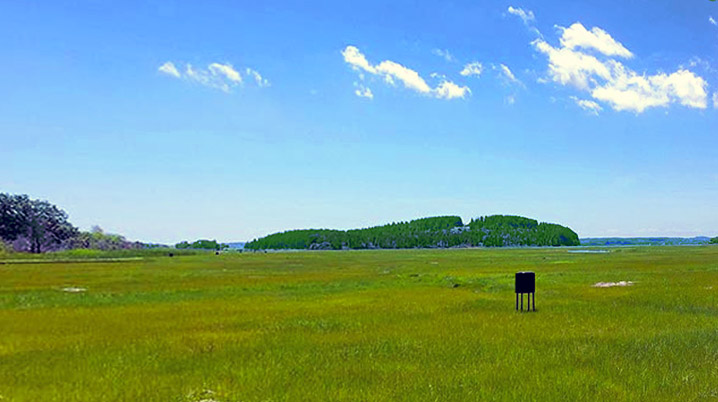
This short videotape about the Great Marsh promotes the value of this resource and places it in the context of the historical landscape,
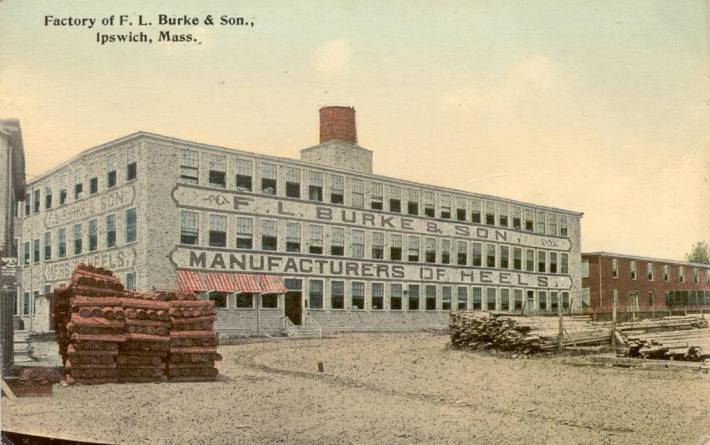
Until the second half of the 19th Century, much of the area bounded by Central Street, Washington Street, Mineral Street and Market Street was a wetland with an open sewer known as Farley Brook running through it.

The Town of Ipswich is an investor in Berkshire Wind, an array of wind turbines on Brodie Mountain in the Berkshires. Two turbines added this summer increased the generating capacity to 19.6 megawatts, enough for almost 9000 homes.

During the 2016 summer drought, the water level behind the Ipswich Mills Dam was intentionally lowered by about 3 feet to ascertain the geology of the river at that location, to examine the foundation of one of the mill buildings, and to help determine what the river upstream of the dam will look like when… Continue reading Photos from the 2016 Drawdown of the Ipswich River
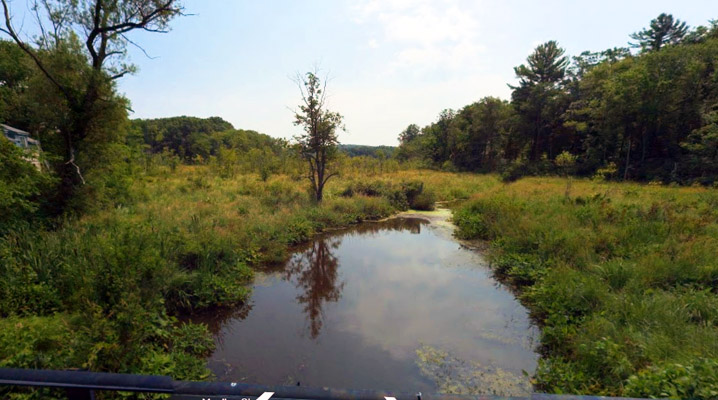
Known in Colonial times as Mile Brook, the Miles River is a major tributary of the Ipswich River but has been diminished in volume by upstream use as a water supply. Evidence of the old Potter and Appleton mills can still be found near County Rd.

In 2019, Essex County Greenbelt worked with the Town of Ipswich and the Massachusetts Department of Fish and Game to create the Castle Neck River Reservation, the Pony Express soccer fields, and the Castle Neck River Wildlife Management Area.

We're back with Episode Eight of Destination Ipswich with local historian Gordon Harris, and Carla Villa from the Ipswich River Watershed Association, who takes us on a couple of trails at the IRWA headquarters, then joins us for a kayak trip to the Mill Dam and back. Special thanks to Bryan Grasso and Beth Myer from Ipswich ICAM.
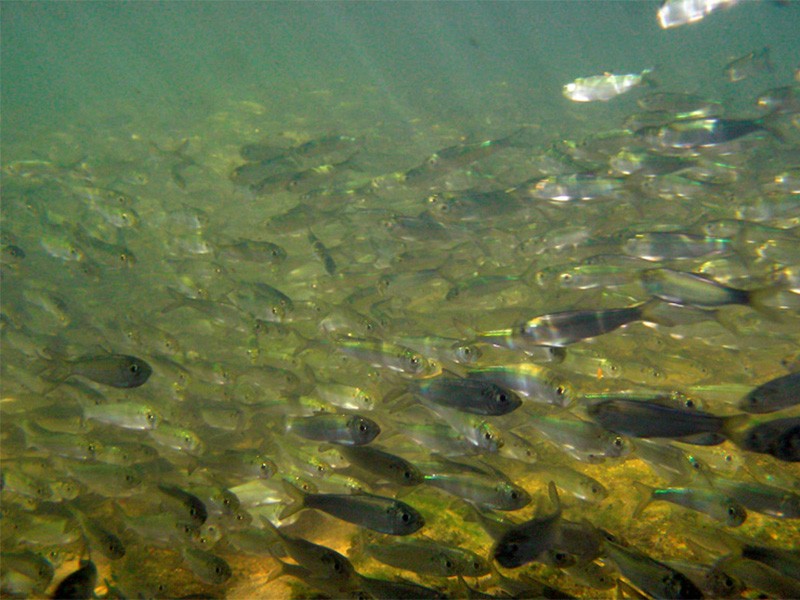
Concerns about the environmental toll that dams have on the Ipswich River date to before 1773.

In Episode 6 of Destination Ipswich, we take a walk in the Dow Brook Conservation Area, starting at the trailhead next to White Farms Ice Cream on upper High St. (Rt. 1A). The trail takes us to the Dow Book Reservoir, where we walk across the dam, and check out the water and electric generator station constructed in 1894. The next stop is the Ipswich Water Department, where superintendent Joe Ciccotelli explains how water from the the reservoirs is filtered and makes its way to our faucets. Continuing onto Bull Brook, we viewed the remains of the 300-year-old dam and mill built by Nejemiah Jewett. A short distance ahead is the reservoir's concrete spillway. A wooded trail follows the edge of the reservoir and takes us to the other trailhead at the Mile Lane playing fields.

In 1984, the Town of Ipswich laid a sewer along an old footpath beside the Ipswich River between The County St. and Green Street stone arch bridges. In 1998 the Mass. Highway Dept. completed construction of the Sidney Shurcliff Riverwalk, due in part to efforts by Sidney Shurcliff's sister Alice.

At the Essex National Heritage Commission’s annual gathering, Executive Director Annie Harris surprised our own Wayne Castonguay by presenting him with the 2022 Pioneer in Partnership Award.
In partnership with the Parker River Clean Water Association, the Ipswich River Watershed Association produced a new video on the plight of the Egypt River. The video begins by asking Ipswich residents the question “Where is the Egypt River’?”
 Historic Ipswich