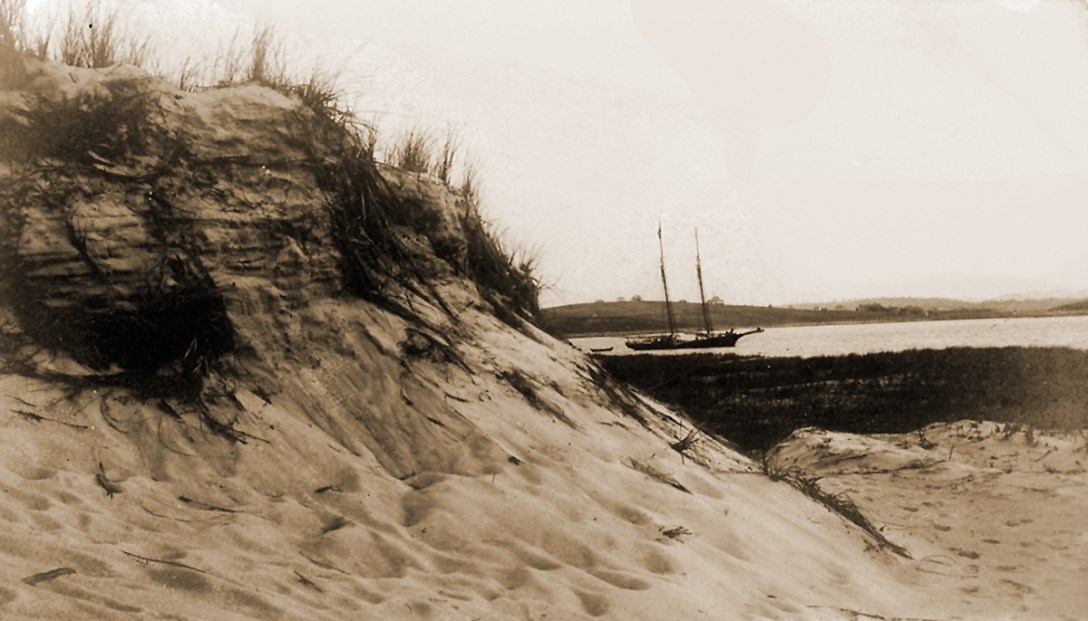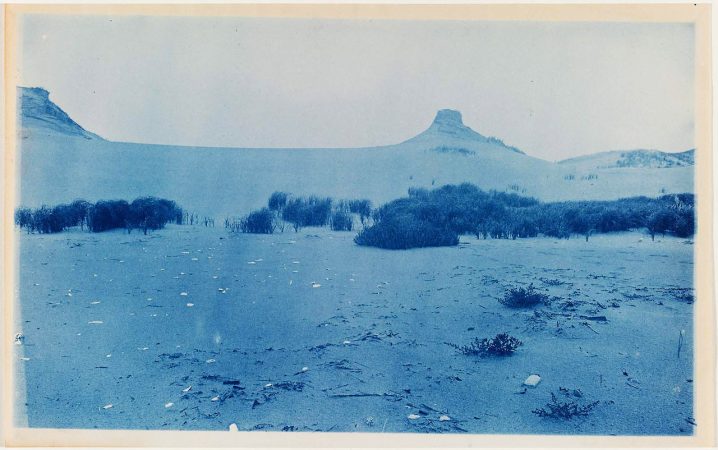
Walking near Steep Hill Beach, you might be surprised to see lumps of anthracite coal lying on the sand. This would be a mystery were it not for the tragic history of brigs and schooners transporting coal in the 19th century.
A Short History of Ipswich Dog Laws
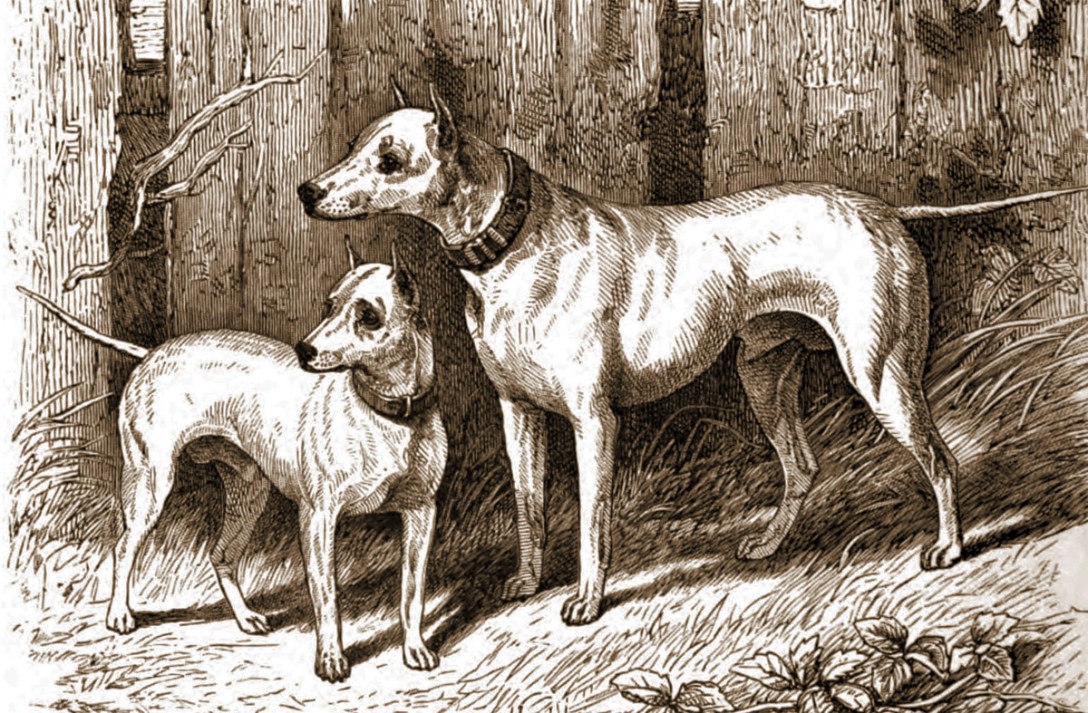
In 1644, the Town of Ipswich ordered, "If a man refuse to tye up his dogg's legg and hee bee found scrapeing up fish in a corne fielde, the owner thereof shall pay twelve pence damages, beside whatever damage the dogg doth. But if any fish their house lotts and receive damage by doggs the owners of those house lotts shall bear the damage themselves."
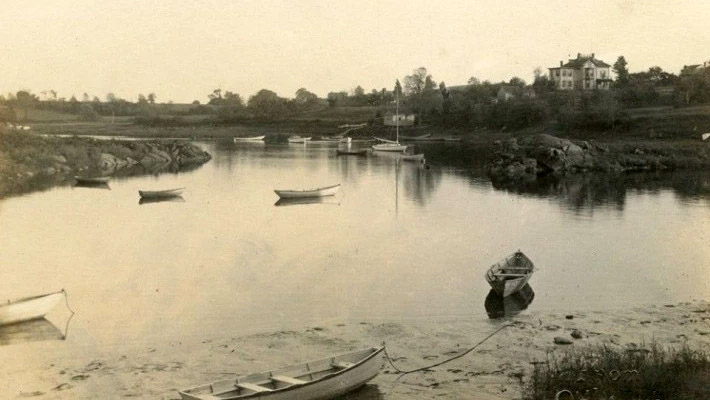
The Ipswich River
One Third for the Widow
Under Puritan law an adult unmarried woman was a feme sole, and could own property and sign contracts. A married woman was a feme covert and could not own property individually. Widows regained the status of feme sole but the Right of Dower entitled them to keep only one third of their property. When a woman was left a widow some men like vultures were ready to take the other two thirds.
A Wager on the Rooster
Ipswich Town Meeting
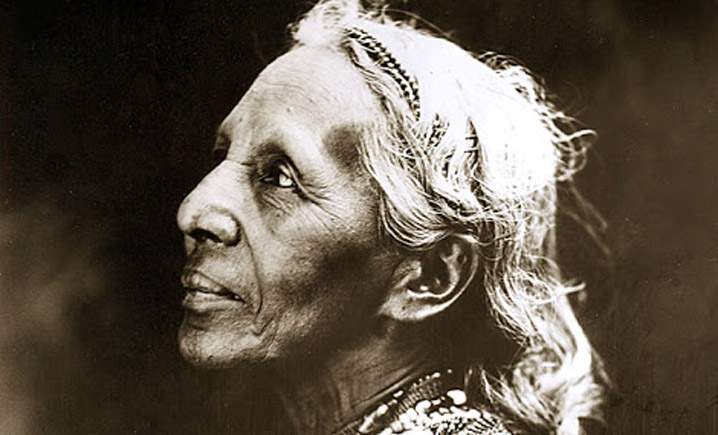
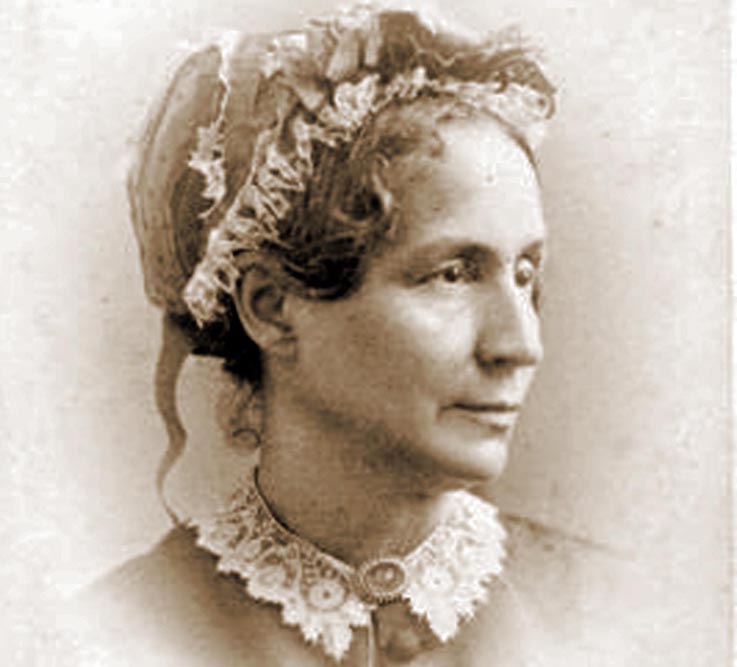
Emma Jane Mitchell Safford
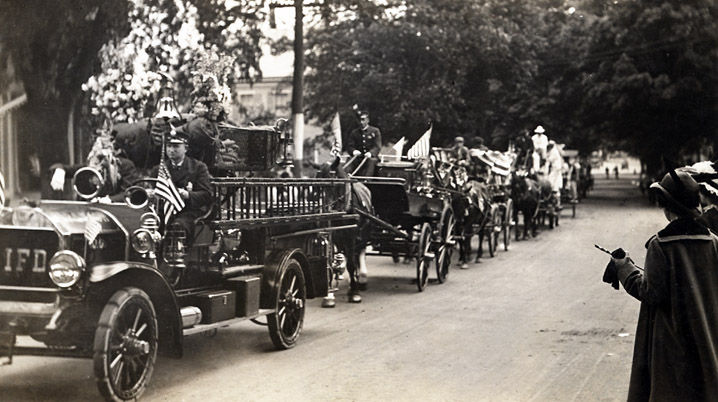
Parades
The Missing Dunes at Castle Neck
Anne Dudley Bradstreet, the Colony’s First Published Poet
History of Great Neck
Before the settlement of Ipswich was begun in 1633 by John Winthrop, William Jeffrey, who had come over in 1623, had purchased from the Indians a title to the glacial drumlin which bears his name. By 1639 the whole tract was set apart as a common pasture by the new town, and in 1666 the General Court gave Jeffrey five hundred acres of land elsewhere. After the early eighteenth century, the Necks remained as the only common lands retained by the Commoners.
Bombshell from Louisbourg
Moll Pitcher, the Fortune Teller of Lynn and Marblehead
Candlewood Road
Soffron Brothers Ipswich Clams
Soffron Brothers were the exclusive suppliers of clams to the Howard Johnson chain for 32 years, which featured Ipswich Fried Clams on the menu. The four brothers, Tom, George, Pete and Steve, were the children of Greek immigrants who came to work at the Ipswich mills. Their Ipswich factory was at Brown Square in the building that now houses the Ipswich Ale Brewery.
A Photographic History of the Ipswich Mills Dam
Geologically, the Ipswich River is quite young. The Laurentide ice sheet during the most recent ice age receded to the northern border of Massachusetts around 14,000 years ago. As the ice sheet melted, the sea level rose about 100 ft. higher than current levels, putting much of the North Shore area temporarily under water until… Continue reading A Photographic History of the Ipswich Mills Dam