
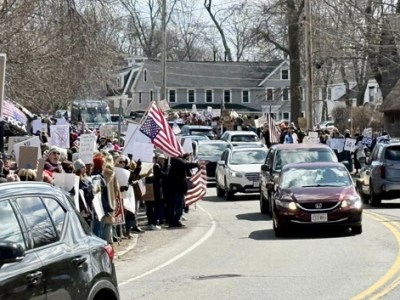
Photos from the Ipswich “No Kings” Rally, Saturday, March 28, 2026
NO KINGS is a national day of action and mass mobilization in response to increasing authoritarian excesses by the Trump administration. On Saturday, March 26, people throughout the country took to the streets as a unified act of resistance. A core principle behind all No Kings events is a commitment to nonviolent action. In Ipswich,…
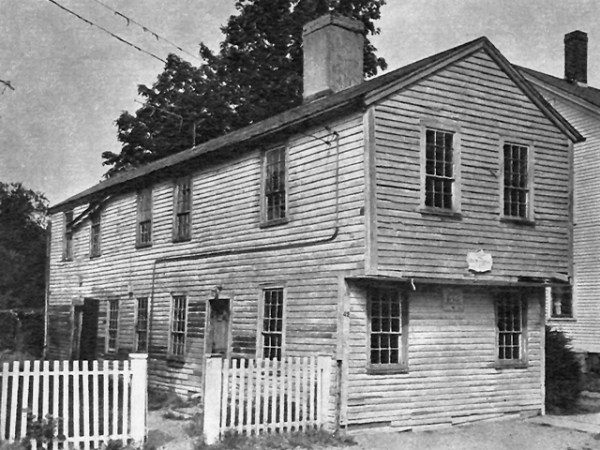
Restoring the Old Post Office with Bill Barton
What Should You Do With Your Old Home? by Tamsin Venn, North Shore Magazine, February/March, 1989 Elliott Krause spent two years restoring what may be the oldest standing building ever used as a post office in the United States. The crumbling structure, built in the 1720s, stood next to the Federal-period home he and his…
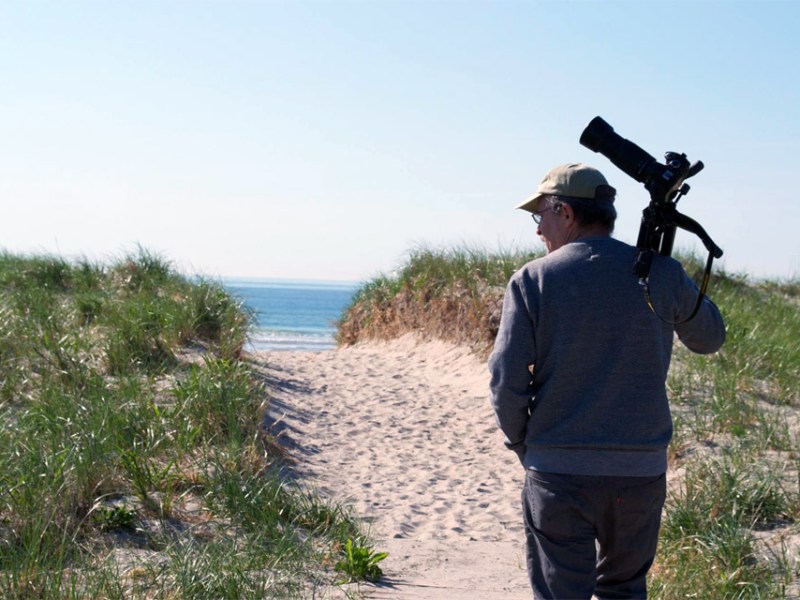
Ipswich Photos by David “Stoney” Stone
It was with great sorrow that we heard about the passing of David Stone recently. “Stoney,” as everyone knew him, spent a lifetime photographing this beautiful place we call home. He saw color even on the grayest of wintry days. Use the arrows in the slideshow below to view over 200 of Stoney’s photos. These…
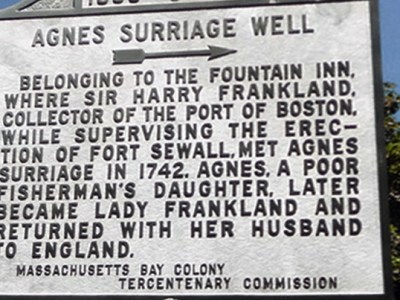
The Story of Agnes Surriage, the Marblehead Tavern Maid
In 1742, the 26-year-old king’s collector visited Marblehead, and fell in love with the young tavern maid, a poor fisherman’s daughter ten years younger than himself.
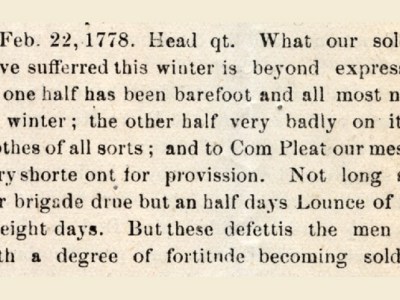
The Revolutionary War Letters of Joseph Hodgkins and Sarah Perkins
Throughout the Revolutionary War, Joseph Hodgkins sent letters home from the battlefronts to his wife, Sarah Perkins Hodgkins.
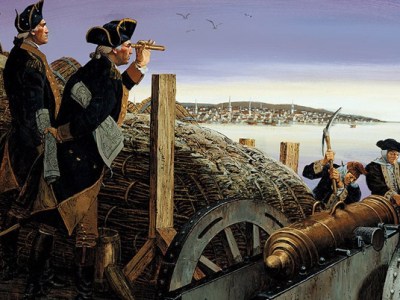
Evacuation Day, March 17, 1776
The above painting by Louis S. Glanzman is courtesy of the National Park Service. The siege of Boston by Patriot forces began on April 19, 1775, in the aftermath of the battles at Lexington and Concord. In June the British technically won the Battle of Bunker Hill, but suffered heavier casualties, with no effect on the Continental…

Ipswich Connects: Affordable Energy. Thursday Feb. 26
With the cost of electricity on the rise, it’s more critical than ever to learn about what can be done to lower your bill. On Thursday, February 26, the public is invited to attend “Ipswich Connects: Affordable Energy,” where a panel will look at the history of energy creation in town over the centuries, present…

2026 Winter Wellness Sampler, January 23 – March 20, 2026
Winter Wellness Sampler is back for its 4th year! Join us for a seasonal series designed to help you move through the darkest, coldest months with care, curiosity, and connection. From sound healing and meditation to movement and self-compassion practices, Winter Wellness Sampler invites you to explore a variety of wellness modalities that support rest,…
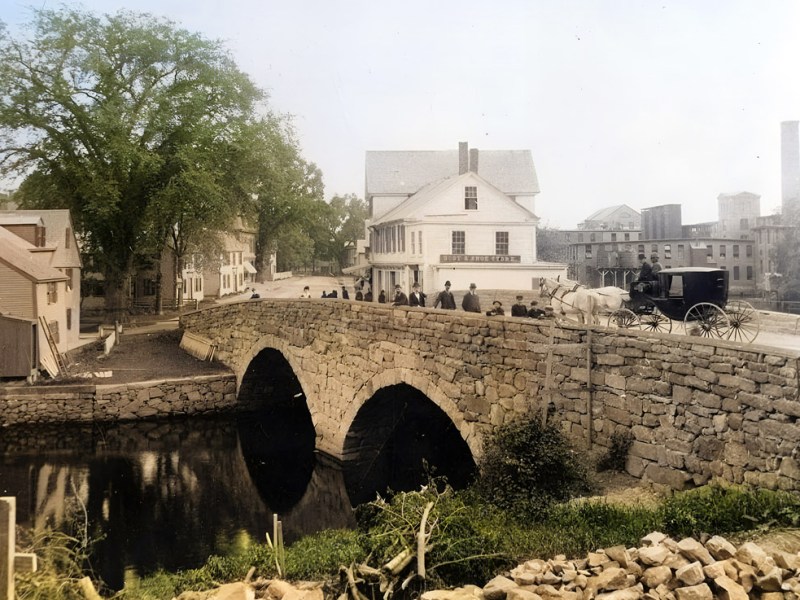
Ipswich Museum Sunday Strolls, April – May, 2026
Mark your calendars for the return of the Ipswich Museum Sunday Strolls this April and May. Led by experienced guides, Stephanie Gaskins and Scott Jewel, topics range from the life and art of Arthur Wesley Dow to pivotal moments of Ipswich history. Tours will begin at 2 PM, starting from the Heard House at 54 S.…

The Witchcraft Accusations Against Sarah Buckley and Mary Witheridge
On May 23, 1692, a complaint for witchcraft was filed against Sarah Buckley and her widowed daughter Mary Witheridge. The “bewitched” girls of Salem Village claimed that the women’s specters had attacked them. Held in shackles in the cold crowded jail, both were acquitted in January,1692
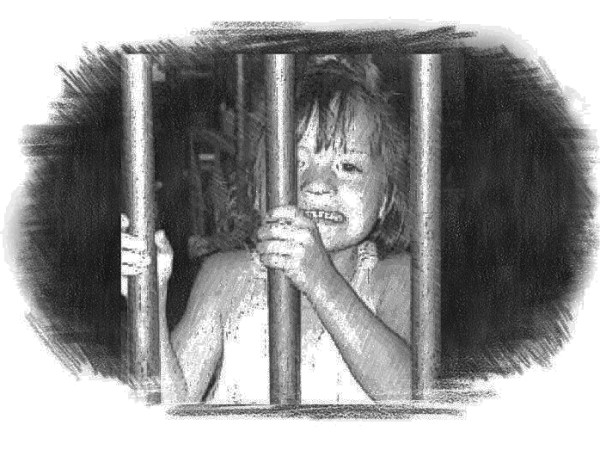
Four-Year-Old Dorothy Good is Jailed for witchcraft, March 24, 1692
On March 24, 1682. a child, Dorothy Good of Salem was taken custody, and interrogated by the local magistrates for two weeks. Hungry, cold and missing her mother, Dorcas broke down and told the inquisitors what they wanted to hear, that her mother was a witch, and consorted with the devil.
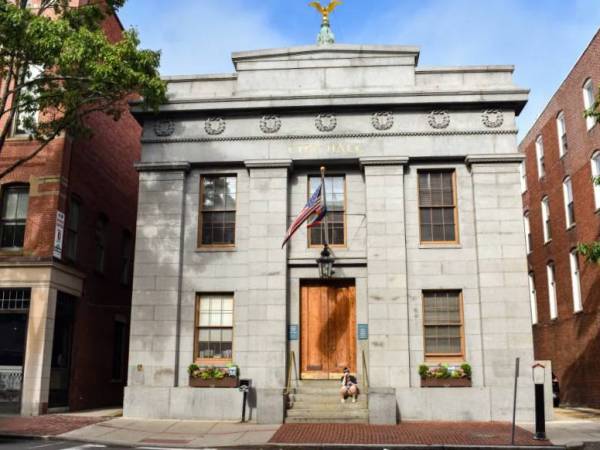
Salem City Council Passes Resolution Ensuring the Safety of its Immigrant Population.
In February 2026, the Salem, Massachusetts City Council adopted a resolution reaffirming the city’s responsibility to protect all Salem residents regardless of their immigration status. RESOLUTION: TO ENSURE THE SAFETY OF OUR IMMIGRANT COMMUNITY WHEREAS, the City of Salem is a welcoming city with a longstanding commitment to being a culturally inclusive and safe community…
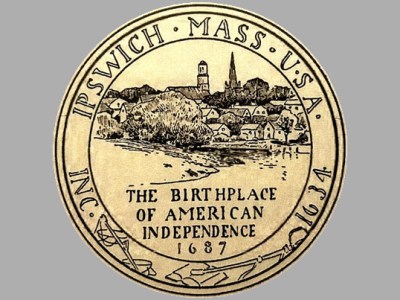
Ipswich Town Meeting Resolution Calling Upon Congress to Oversee the President: May 12, 2026
RESOLVED: That this duly assembled Town Meeting, as the legislative body of the Town of Ipswich, Massachusetts, respectfully calls upon the Congress of the United States to fully exercise its constitutional duty of oversight and authority, including, but not limited to, the power to impeach and remove the sitting President of the United States.
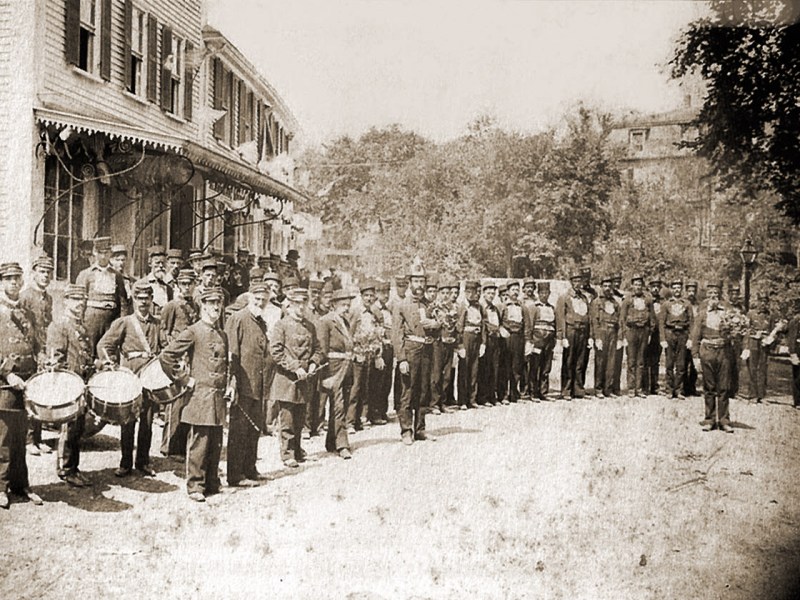
Ipswich at War
Links to two dozen wars that Ipswich men fought in from the town’s settlement in 1633, through the Vietnam War.
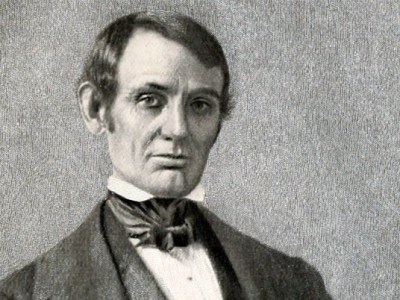
Abraham Lincoln’s Brush with Essex County
By David J. Kent Abraham Lincoln toured New England twice. He never made it to Ipswich, but he did have some brushes with Essex County that influenced his development as a politician and his rise to the presidency. The first trip was as a sitting congressman in 1848, during which he gave ten speeches in…
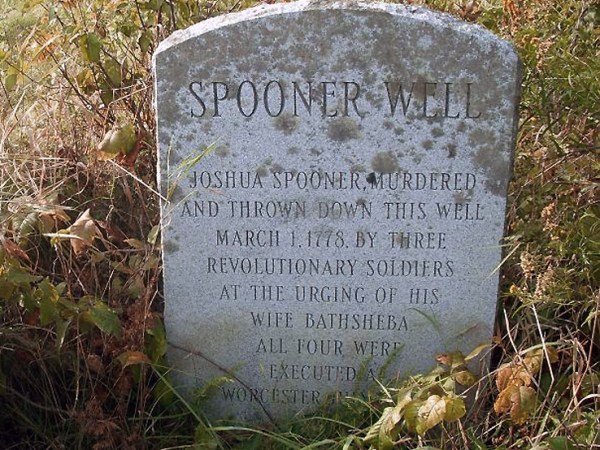
The Hanging of Ezra Ross and Bathsheba Spooner, July 2, 1778
In 1778, sixteen-year-old Ezra Ross of Ipswich was condemned to death for the murder of Joshua Spooner of Brookfield. Spooner’s wife Bathsheba became the first woman executed in the newly-created United States of America. Ezra Ross is buried in an unmarked grave at the Leslie Road Cemetery.

Installing Linux Kubuntu on your Windows computer.
by Gordon Harris On October 14, 2025, Microsoft ended support for Windows 10, which will no longer receive hardware and security updates. An estimated 200 million computers built before 2017 (Intel 8th Generation) don’t have TPM 2.0, and can’t be updated to Windows 11. Windows 10 will still be safe for any purpose that doesn’t…
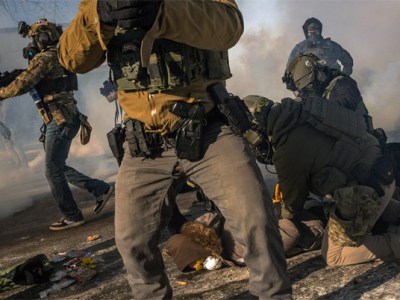
The Streets of Minneapolis
By Gordon Harris The above photo is from the New York Times Through the winter’s ice and coldDown Nicollet AvenueA city aflame fought fire and ice‘Neath an occupier’s bootsKing Trump’s private army from the DHSGuns belted to their coatsCame to Minneapolis to enforce the lawOr so their story goesAgainst smoke and rubber bulletsBy the dawn’s…
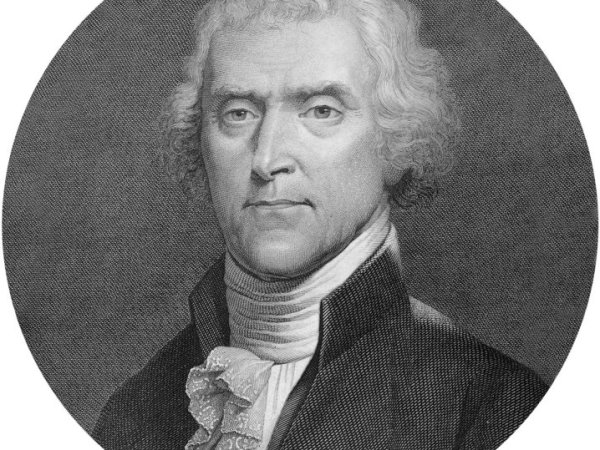
To the Inhabitants of Ipswich from Thomas Jefferson
The Embargo Act of 1807 put New England ports at a standstill and its towns into a depression. The Ipswich Town Meeting petitioned the President to relieve “the people of this once prosperous country from their present embarrassed and distressed condition.” The town found Jefferson’s answer “Not Satisfactory.”
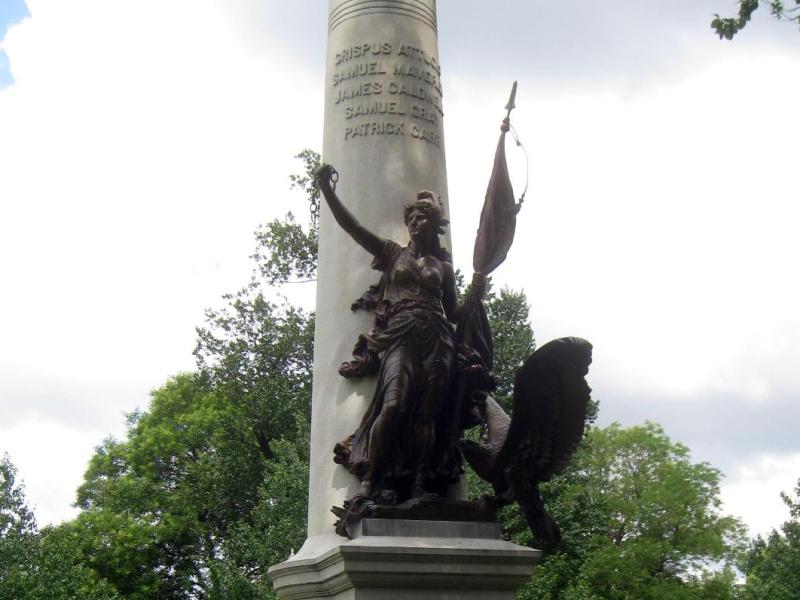
Memorial to Crispus Attucks
The following is an excerpt from a presentation given on November 14, 1889, at the dedication of the Boston Massacre and Crispus Attucks Monument at Boston Common, which memorializes victims Crispus Attucks, Samuel Maverick, James Caldwell, Samuel Gray, and Patrick Carr. ADDRESS BY MR. JOHN FISKE The troubles and disorders in Boston, which led to…
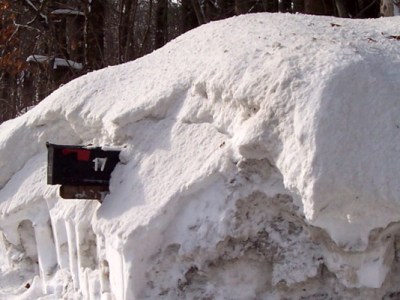
The Great Snows of 2011 and 2015
The winter of 2011 received the most snow in Ipswich since the Blizzard of ’78, but during the Snowmaggedon of 2015 we received over 100 inches in less than a month.
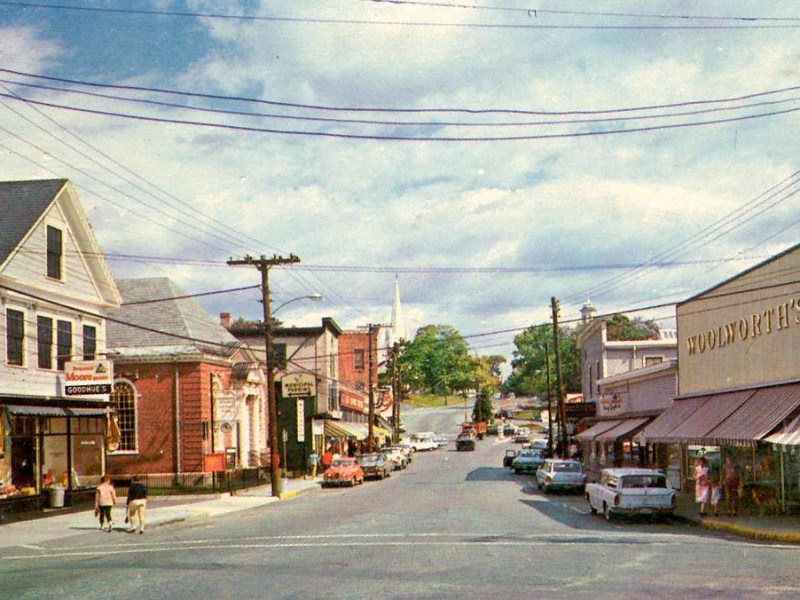
Market Street
Photos of Market St. from the present day back to the early days of photography.
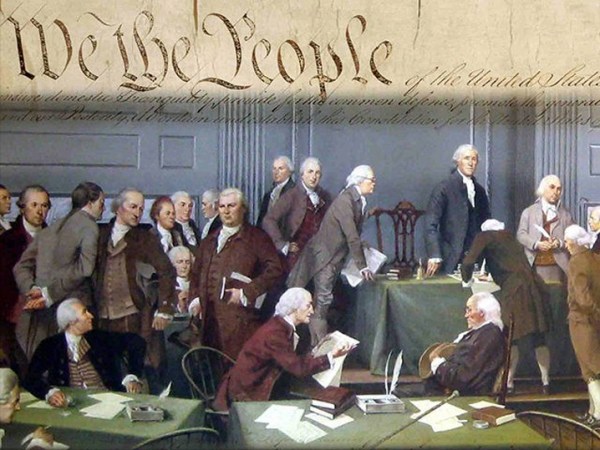
The Constitutional Convention and Establishment of the Electoral College
Many of our founding fathers had little trust in the instincts of the common man. John Adams observed that “Pure democracy has also been viewed as a threat to individual rights,” and warned against the “tyranny of the majority.” Alexander Hamilton, one of the three authors of the “Federalist Papers” defended the system of electors by which we choose a President today.
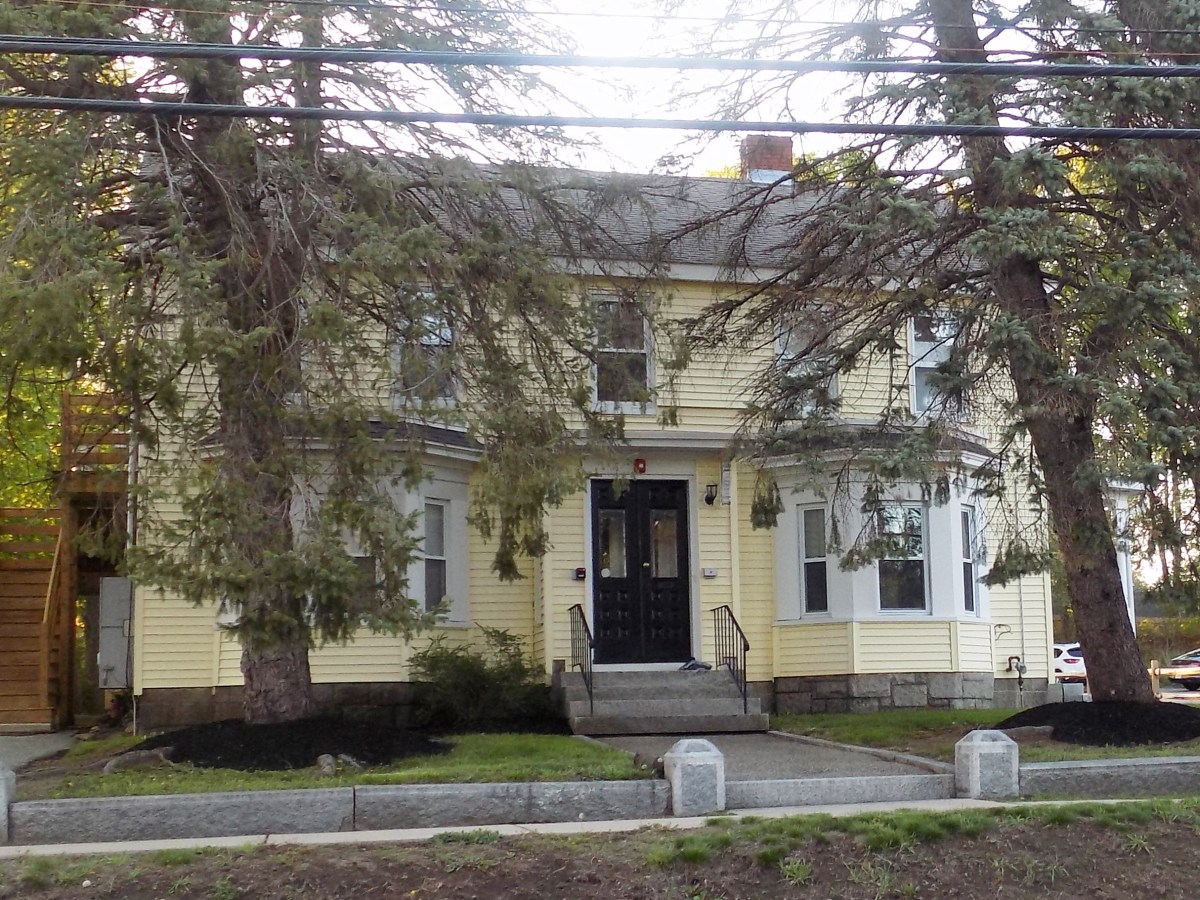
William G. Brown House, 13 Topsfield Road
The photo above is the house at 13 Topsfield Road, and the photo below is the same house. The 1884 Ipswich map shows the house owned by William G. Brown. It was owned by William F. Hayes in the first half of the 20th Century. Hayes was a large landowner in Ipswich, began divesting his properties in…
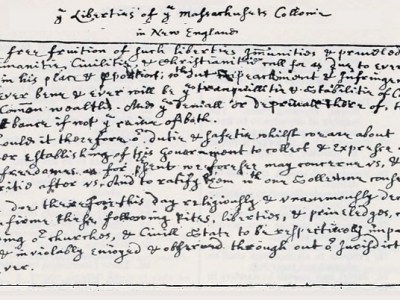
The 1641 Massachusetts Body of Liberties
At the Massachusetts General Court, May 13, 1640, it was voted that the elders of the churches and other freemen of the Commonwealth gather their thoughts and counsels about a body of laws for the Colony and present them to the general court within eight months. Two schemes were proposed, but Governor Winthrop assigned the…
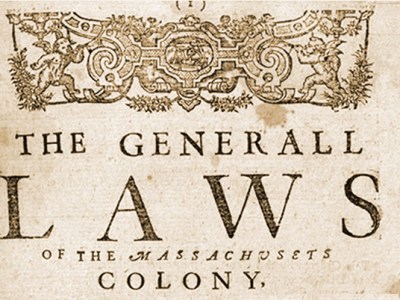
The Body of Liberties, the “Ipswich Connection,” and the Origin of Written Constitutionalism in Massachusetts
However benign John Winthrop’s intentions were, the system he tried to construct rested on the discretion, or will, of individual magistrates. However, he was defeated by the Ipswich Connection’s campaign for the “skill” or “rule” of written law; and if we still prize the ideal that government should operate based on laws, not men, we…
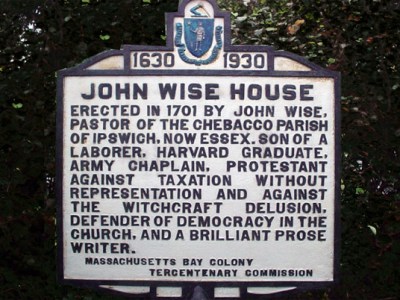
“Vindidation of the Government of New England Churches,” by Rev. John Wise
“”It is certainly a great truth, namely, that man’s original liberty after it is resigned (yet under due restrictions) ought to be cherished in all wise governments; or otherwise, a man in making himself a subject, he alters himself from a freeman into a slave, which to do is repugnant to the law of nature.…
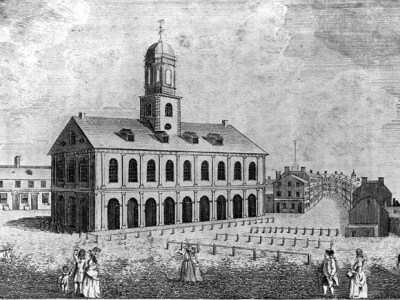
Ipswich Voters Unanimously Support the Massachusetts Circular Letter, February 11, 1768
The voters of the Town of Ipswich resolved on August 11, 1768, that “Thanks be given to the worthy and much esteemed ninety-two gentlemen of the late Honorable House of Representatives for their firmness and steadiness in standing up for and adhering to the just rights and Liberties of the Subjects when it was required…
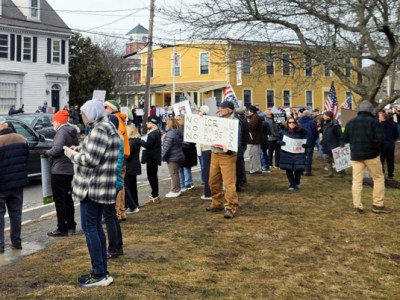
Ipswich “Ice Out for Good” rally, Saturday, January 10
Over 400 Ipswich citizens and neighbors lined South Main Street for the 47th consecutive Ipswich Rally for Democracy at noon on Saturday, January 10, joining a broad coalition of groups across the country calling for a coordinated ICE Out For Good Weekend to demand accountability, honor lives lost, and make visible the human cost of ICE’s…
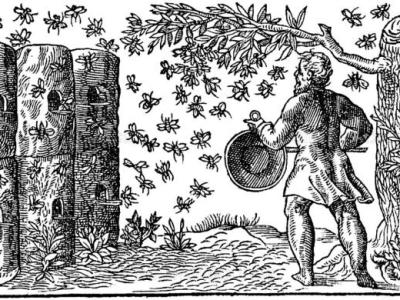
John Eales, Beehive Maker
The inhabitants of Newbury perceived bee-keeping as a new and profitable industry, but needed someone with experience. John Eales, an elderly pauper who had been sent away to Ipswich, was returned by the Court to Newbury to assist them in their efforts. An old English customs was his assistants “telling the bees” when their keeper…

Establishment of the Ipswich Mills as a Global Leader in Hosiery
by Stephen Miles, 1/1/2026, Ipswich Historical Society Board Member 1986-1989; President 1989-92; Member Ipswich Historical Commission Richard Candee, Director of Preservation Studies at Boston University, presented a lecture on “The Industrial Heritage of the North Coast” on Sunday, February 9, 1986, at the Heard House (the Ipswich Museum), Main Street in Ipswich. This lecture was…

Circles, Lines & Squares, April 3, 2026
Circles, Lines, & Squares, Free family-friendly folk dance sampler with a mix of contras, squares, and circles at the Ipswich Town Hall Gym.
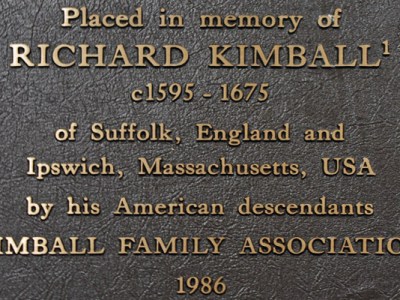
Homes of the Descendants of Richard and Ursula Scott Kimball of Rattlesden, who Settled in Ipswich
The common ancestors of many of the Kimball family in America are Richard Kimball Sr. and his wife Ursula Scott of the Parish of Rattlesden, England who moved to Ipswich in 1635. Four of the First Period homes of their descendants are still standing.
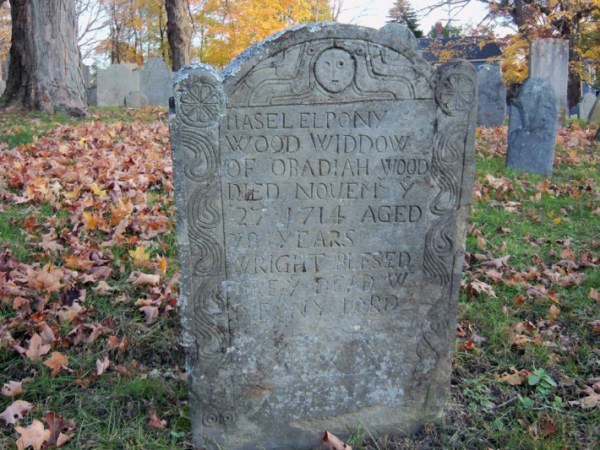
Haselelponah Wood
Obadiah Wood married 35-year-old widow Haselelponiah, whose scriptural name means “A shadow falls upon me,” the only person in modern history with that name. Haselelpony Wood’s tombstone is located at the Old North Burial Ground in Ipswich.

The Story Behind the Story of Wigwam Hill
As a researcher on Indigenous history here, I was captivated by this account, both for its romance and its tragedy. Who were these people? Where did they come from and where did they go? Why was all that happening and what did it mean?
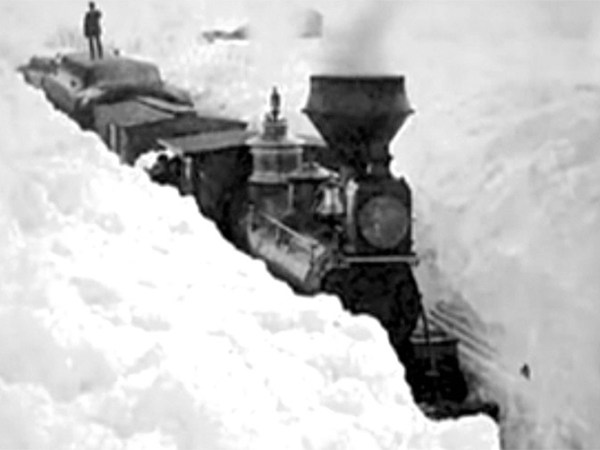
The “Great White Hurricane,” March 11, 1888
The Great White Hurricane of 1888 struck on the night of March 11 and continued furiously for two days, dumping 60 inches of snow on parts of the Northeast.
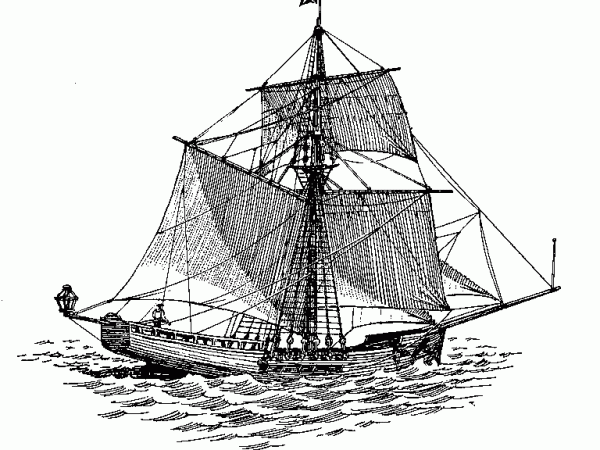
The Reluctant Pirate from Ipswich, Captain John Fillmore
John Fillmore of Ipswich was taken prisoner in 1723 by the pirate Captain Phillips. After many months he and three other prisoners overcame their captors, seized command and sailed the ship into Boston. “Captain” John Fillmore became a legend in his own time.

The Courtship and Marriage of William Durkee and Martha Cross
William Durkee, an indentured Irish Catholic, and Martha Cross, the daughter of Robert Cross of Chebacco parish were servants in the household of Thomas Bishop in Ipswich. When Martha became pregnant by William, they were both presented for fornication. The court ruled that they be punished and get married.

John Freeman, an African American Revolutionary War Soldier from Ipswich
John Freeman, son of enslaved Peter and Jane Freeman of Ipswich, enlisted into the militia of the Revolutionary War in the year 1777, and served in Rhode Island, Providence and Cambridge.
Something went wrong. Please refresh the page and/or try again.
 Historic Ipswich