
Subscribe to receive new posts from this site
- View an index of posts and pages on this site.
- Other blogs I’m following
- Opinion posts
- Recent comments
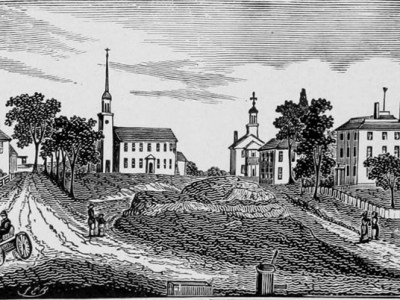
Prominent Members of the Early Ipswich Bar
Ipswich boasts a long line of legal luminaries – lawyers and judges – going back to the dawn of the Town’s existence. Not only is this the “Birthplace of American Independence” but the home to many notable statesmen, and the caliber of the bench and bar of a people is in part a measure of…

Recollections of a Boy’s Life In the Village
This story was written by Amos E. Jewett in 1945. At the time, he was 83 years old. having been born in Ipswich Village, near Rowley, on June 16, 1862.
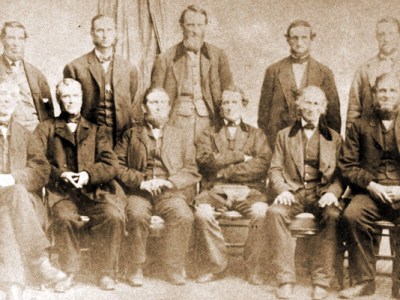
Election Night in Ipswich
“The climax of petty officialdom might well have been reached in 1797 when the list of officers chosen at the Town meeting included Selectmen, Overseers, Town Clerk and Treasurer, Tithing-men, Road Surveyors, Fish Committee, Clerk of the Market, Fence Viewers, Haywards, Surveyors of Lumber, Cullers of Fish, Sealers of Leather, Hog-reeves, Gangers of Cask, Sealers…

GemJam
GemJam is a free public outdoor drum, dance & DJ event held on the 4th Friday of each month at the Ipswich Riverwalk Mural behind 4 Union Street. Time and place: 6 to 8 pm at the Take Out Terrace Truss & Stage, 4 Union Street
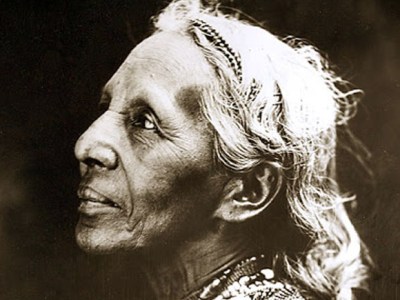
Emma Jane Mitchell Safford
Emma Jane Mitchell Safford was a descendant of Massasoit, Sachem of the Wampanoag. Her daughter, also Emma, tried to help her relatives regain land taken from them on the reservation.
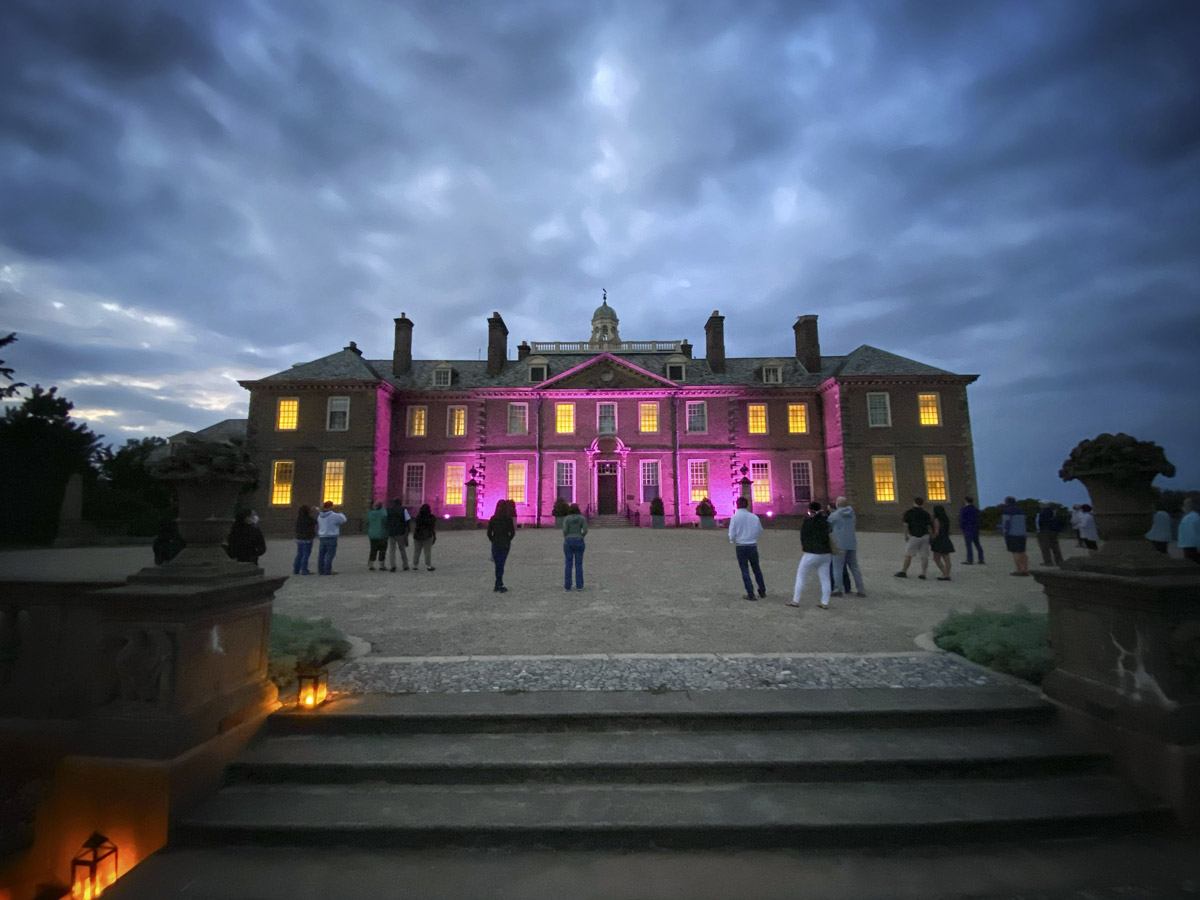
CRANE ESTATE ART SHOW, NOV. 7 & 8, 2026
The theme for the annual free Crane Estate Art Show & Sale this year is “SEIZE THE MOMENT,” and will feature more than 200 works of original artwork on the first and second floors of the Great House, student works in the Casino Complex, and, on Saturday afternoon, a student reception. Art proceeds will benefit…
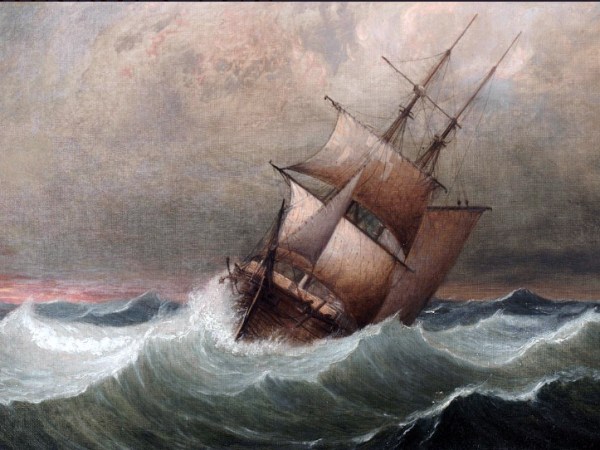
The October Gale of 1841
In the latter part of September, 1841, was a long, unbroken spell of uncomfortable weather, which culminated in a violent and cold storm of wind, snow and rain on the night of October 2, continuing four days.
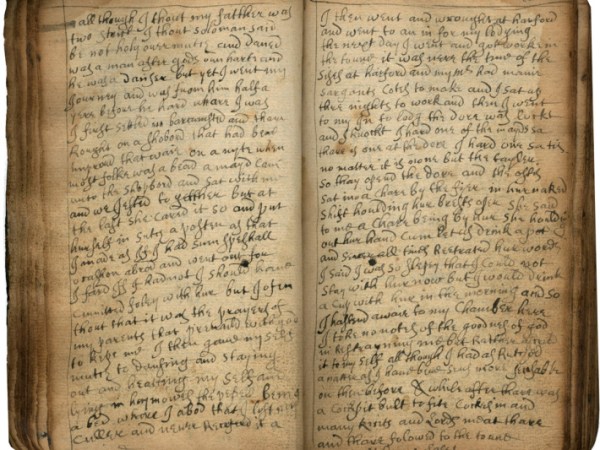
The Temptations of John Dane, a Declaration of Remarkable Providences
This handwritten narrative from 1682 is the personal memoir of John Dane, who immigrated to Ipswich by 1638.
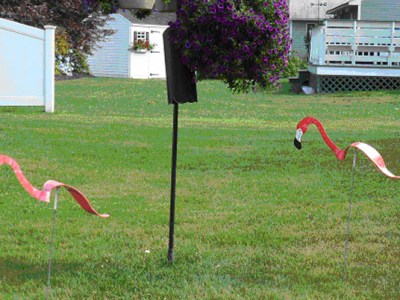
Pink Flamingos, More Musings From a Musty Mind
I call for all of us to embrace a cause that may serve to unite our fractured democracy before it’s all too late. This of course is the plight of Plastic Pink Flamingos. What, you ask?
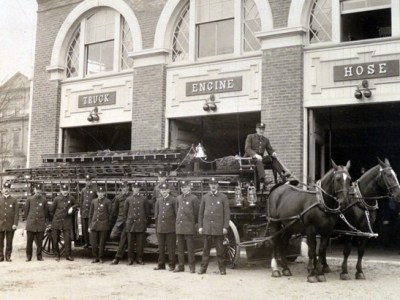
The Karma of Modern Problems
by Gavin Keenan. This article was first posted in 2017, and is timely as ever.
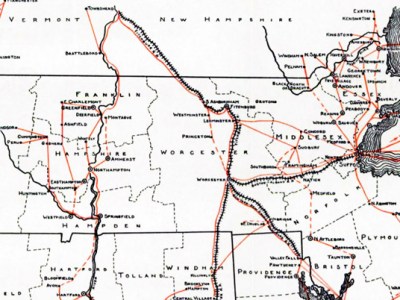
Abolition and the Underground Railroad in Essex County
A network of the Underground Railroad ran north along the coast from Boston to Salem, where it split into three trails; one continued through Beverly, Ipswich, Newburyport and West Newbury to Amesbury where escaped slaves were escorted into New Hampshire.
What Our Ancestors Ate
“Most of them had pea and bean porridge, sometimes hasty pudding, both morning and evening. A lady of eighty, after having partaken of Thanksgiving dainties, was heartily glad to return home and set a meal of her favorite broth.”
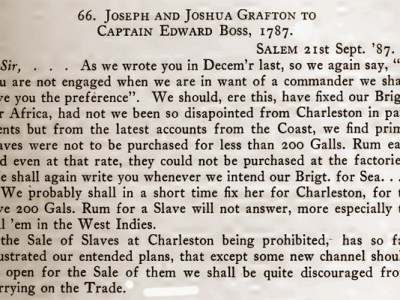
Names of the Ipswich slaves
In 1641 the Massachusetts Bay Colony adopted a code of laws that made slavery legal. In 1755, the slaves in this town above the age of sixteen numbered sixty-two, but within ten years, public opinion began turn against slavery. In 1780, the present Constitution of Massachusetts was adopted, its first article asserting that all men are born…
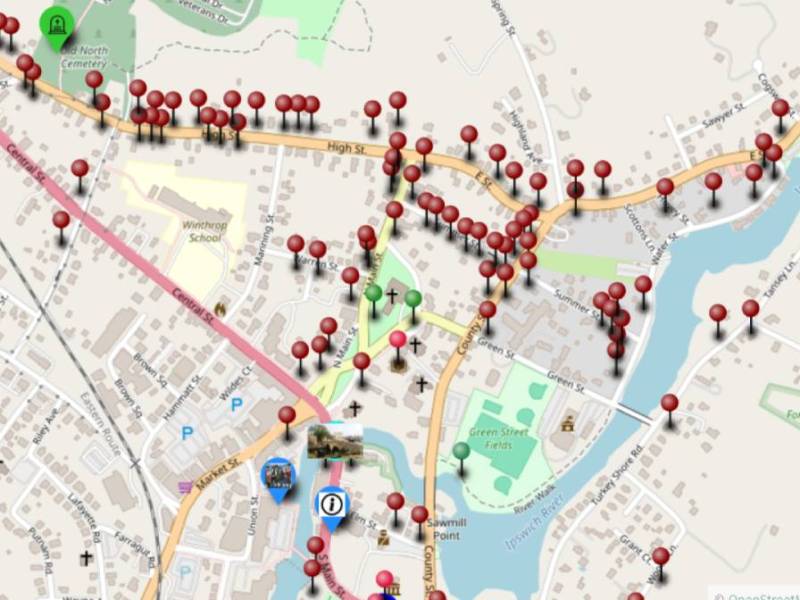
Interactive Map of Historic Ipswich
Check out the new Interactive Map of Historic Ipswich! Go to: https://umap.openstreetmap.de/en/map/historic-ipswich-massachusetts_154081#16/42.681237/-70.835252 Pinpoints on the map link to posts on this site. Red: Historic houses. Green: Outdoor sites
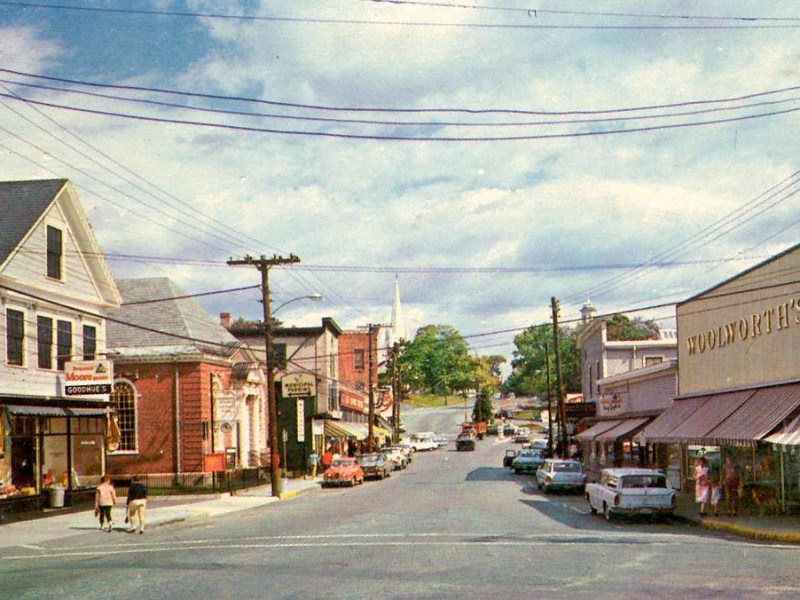
Market Street, Then and Now
Photos of Market St. from the present day back to the early days of photography.
What could be More Funner Than Working in the Summer?
In my day, summer work had one purpose – money. I’m sure many of you can relate to these memories, and have your own version to share.
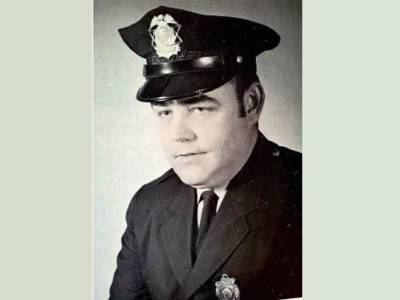
Don’t Talk Crazy!
The Admirable Life and Times of Richard C. Lombard Richard C. Lombard, after a long and blessed life, passed away on August 4, 2026, in the presence of those whom he loved so much. He had just celebrated his 90th birthday in May and was still going strong right up until his end. Richard was…
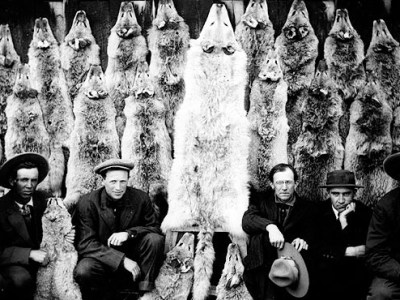
Killing Wolves
One of the first laws instituted by the Massachusetts Bay Colony was a bounty on wolves, and in early Ipswich, a rather disconcerting aspect of entering the Meeting House was the site of wolf heads nailed to the door. Even in 1723, wolves were so abundant and so near the meeting house, that parents would…
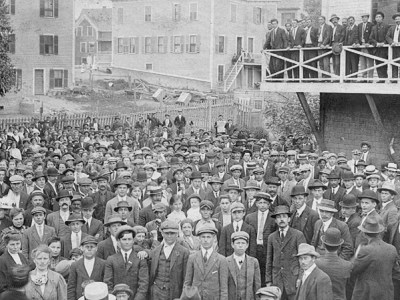
Police Open Fire at the Ipswich Mills Strike, June 10, 1913
On June 10, 1913, police fired into a crowd of protesting immigrant workers at the Ipswich hosiery mill. A young Greek woman named Nicholetta Paudelopoulou was shot in the head and killed by police.
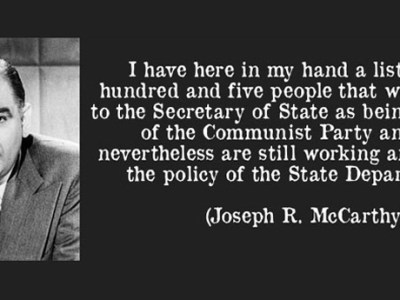
“At Long last, Sir, Have You Left No Sense of Decency?”
On June 9, 1954, before a nationwide television audience, Joseph Welch of Waltham replied to Joseph McCarthy, “Until this moment, Senator, I think I have never really gauged your cruelty or your recklessness.”
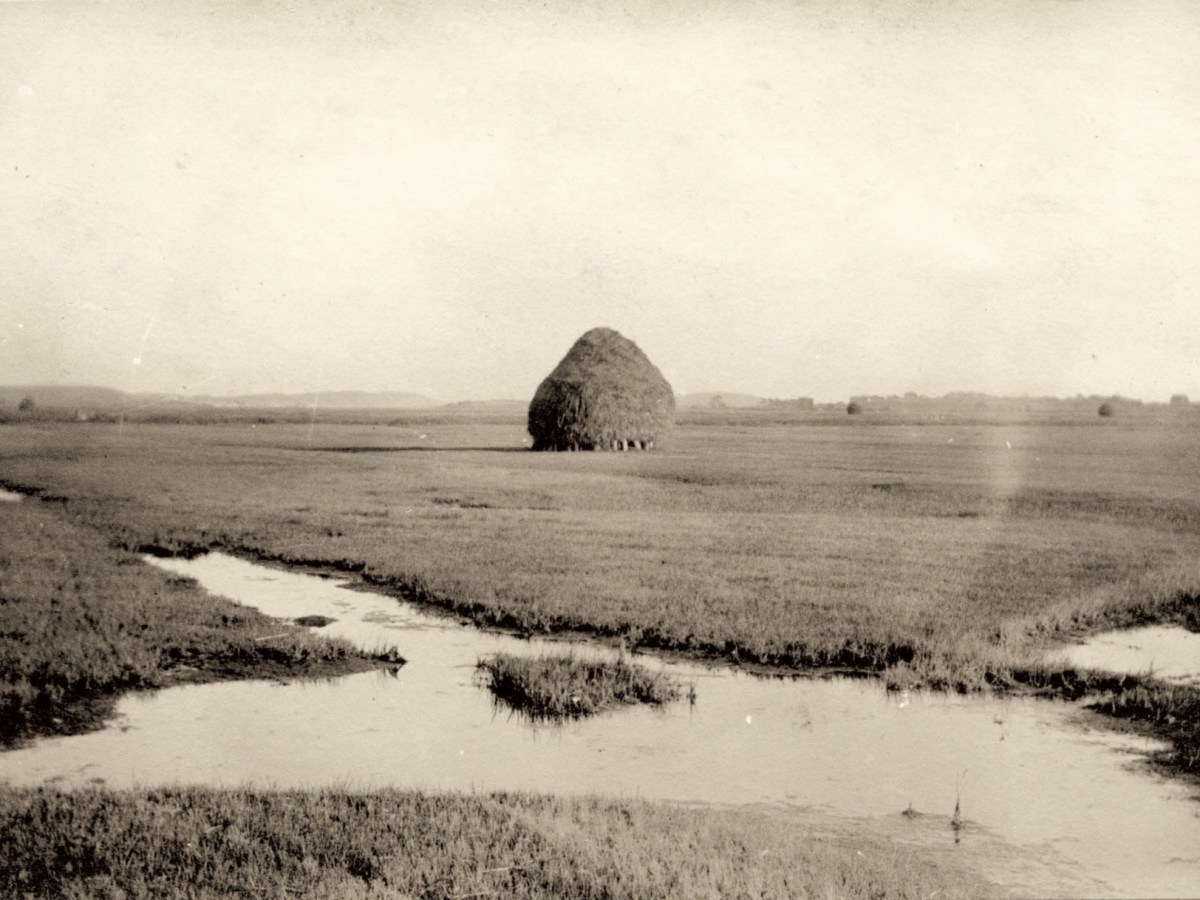
Gathering Salt Marsh Hay
Salt marsh hay is still gathered on the North Shore today. The grass was stacked on staddles to raise it above the high tides, and was hauled away on sleds over the frozen marsh in mid-winter.
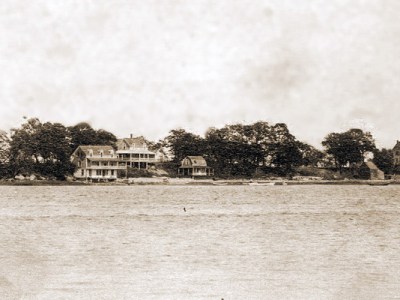
350 years on Grape Island
Grape Island was once a small but thriving community, and briefly a popular summer resort. In 1941, 3000 acres of Plum Island including Grape Island were purchased by the U.S. government to establish the Parker River National Wildlife Refuge.
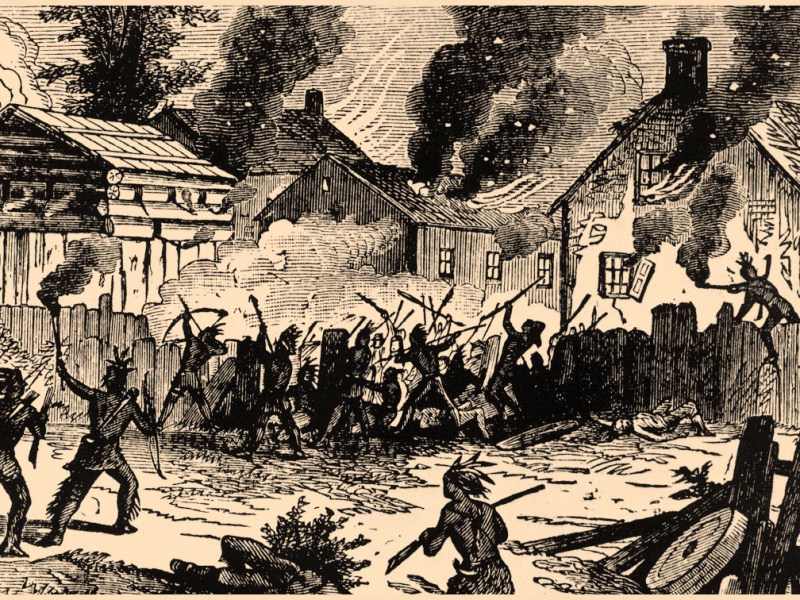
Ipswich & the Brookfield Massacre, August 2, 1675.
In 1660, a group of Ipswich families settled in Quaboag which they renamed Brookfield. Indian attacks in 1675 resulted in its destruction.
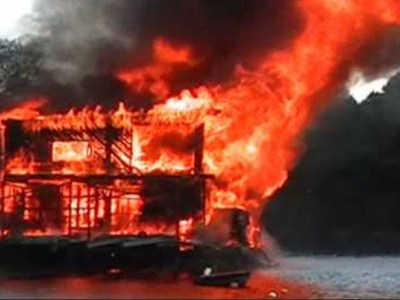
Melanson’s Fire, August 7, 2009
The boatyard, constructed in 1954, burned in a spectacular fire, and has since been replaced by a residential building.

Hurricane Carol, August 31, 1954
The 1954 storm knocked down trees and power lines all over Ipswich. Hurricane Carol devastated the Massachusetts south coast and Rhode Island, and was responsible for 65 deaths. On September 11, Hurricane Edna hit New England with additional destruction.
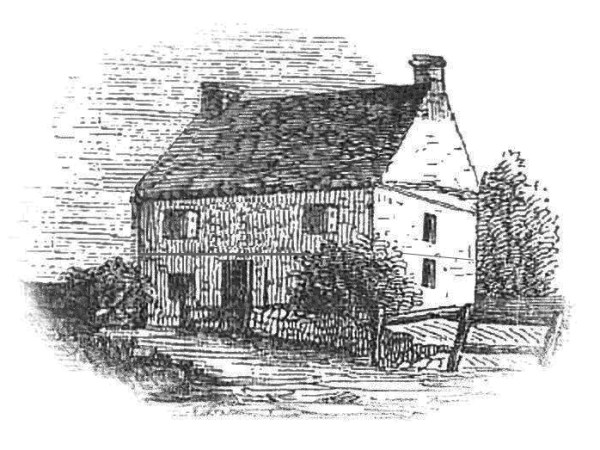
Samuel Symonds, Gentleman: Complaint to Salem Court Against His Two Servants, 1661
Philip Welch and William Downing, both children, were kidnapped from Ireland in 1654, and sold to Samuel Symonds in Ipswich. After 7 years they refused to continue working on his farm and demanded their freedom. They were arrested and brought to trial.

Anne Dudley Bradstreet, the Colony’s First Published Poet
Often alone in Ipswich while her husband Simon was engaged in government, Anne Bradstreet wrote a collection of poems published in London in 1650 titled, “The Tenth Muse Lately Sprung up in America…by a Gentlewoman in these Parts.”
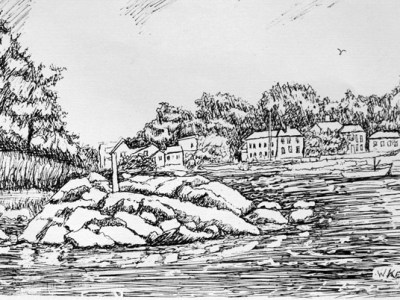
Sketches of Ipswich by William Gordon Keyworth
Early in his artistic career, William Gordon Keyworth (1927 – 2017) lived in Ipswich and worked as an art teacher at Shore Country Day School in Beverly. During his years in Ipswich, he painted a series of sketches and watercolors of historic buildings and scenes. Their first home in Ipswich was on Meeting House Green,…
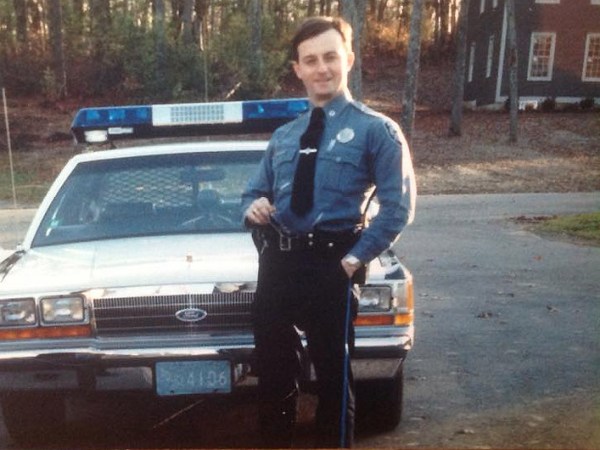
A Simple Badge and Gun Does Not a Copper Make
Recently I had the pleasure of meeting some retired Ipswich Police Department friends at a late summer cookout. It was a magical evening of story-telling. I was grateful we had all made it to the other side relatively unscathed, and I realized once again how fortunate I was to have been broken in by such…
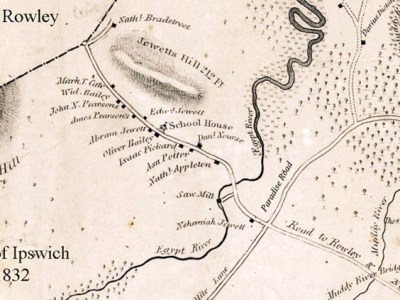
Ipswich Village (Upper High St.)
This Ipswich neighborhood has historically had a close social connection with neighboring Rowley. Jewett’s mill was created in the 17th Century, and historic houses still line the street.

The Devil’s Footprint, September 30, 1740
Imprinted into the rocks in front of the First Church in Ipswich is the footprint of the devil, left there forever in a legendary encounter with the traveling English evangelist George Whitefield in 1740.
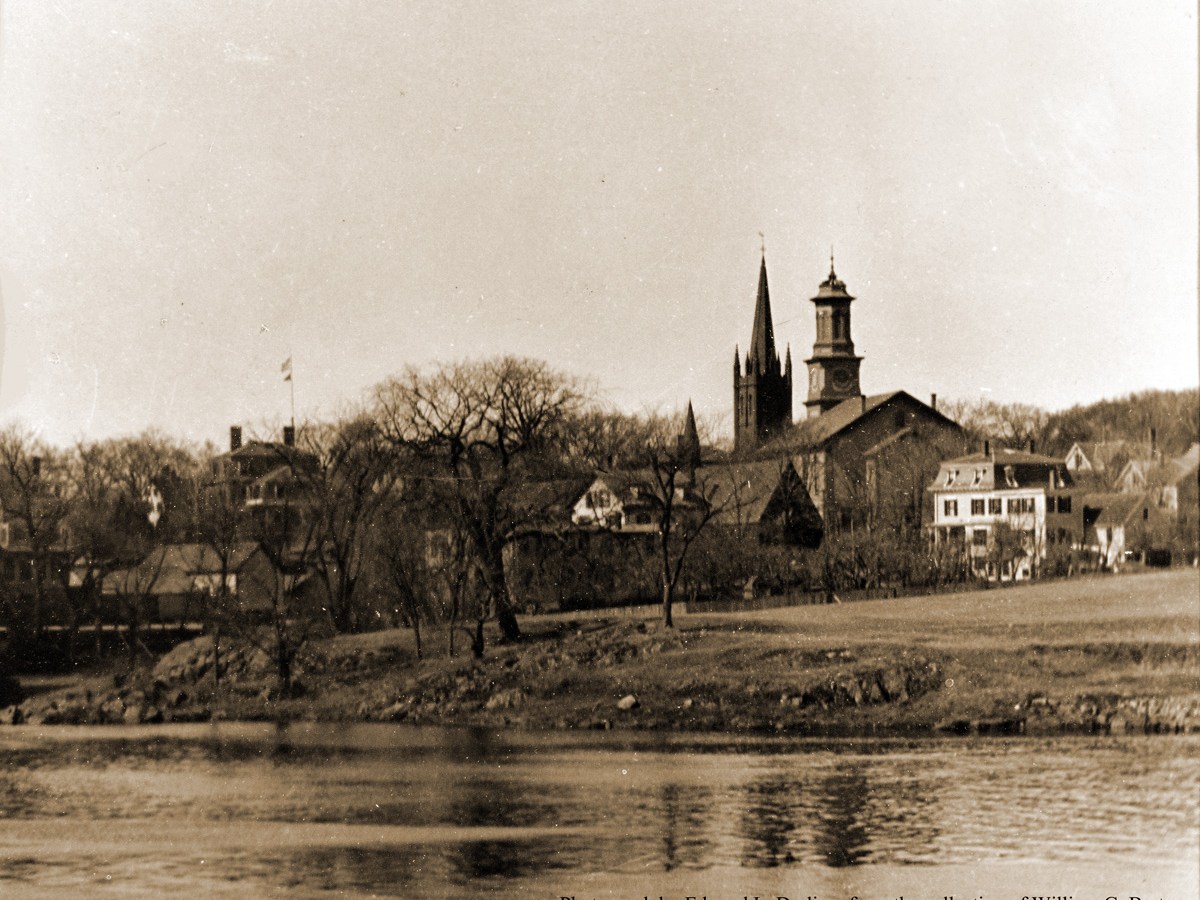
In the 19th Century, Religion Divided the Town
Revivalist Rev. John N. Maffit held a “protracted meeting” which was undoubtedly the most extraordinary episode in the history of the churches of Ipswich since the days of George Whitefield and Gilbert Tennent, preaching sixty nights to congregations which occupied every inch of the meeting-house.

Indigenous Peoples of the North Shore
A Brief History of Native Americans in Ipswich Before English Colonization Native Americans began moving into New England after the retreat of the Laurentide ice sheet. In the early 1950s, a group of young amateur archaeologists, men now known as the “Bull Brook Boys,” discovered one of the largest Paleo-Indian sites in North America along…
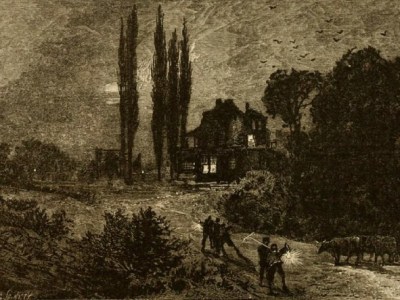
The Dark Day, May 19, 1780
At noon, a “midnight darkness” had fallen on Essex County. Candles were lighted, and fowls went to roost. By the next morning, dark ash lay four or five inches thick.
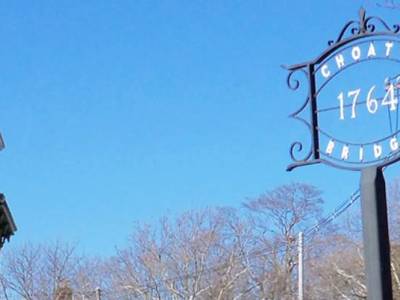
Choate Bridge Sign is Destroyed by Driver
An accident at 4:40 pm on July 3 at the southeast end of the Choate Bridge destroyed the beautiful hand-made wrought-iron 1764 Choate Bridge sign, installed in 1996. The same spot on the bridge has seen two other accidents in recent years that dislodged sections of the parapet, requiring replacement. Former Ipswich Historical Commission member…
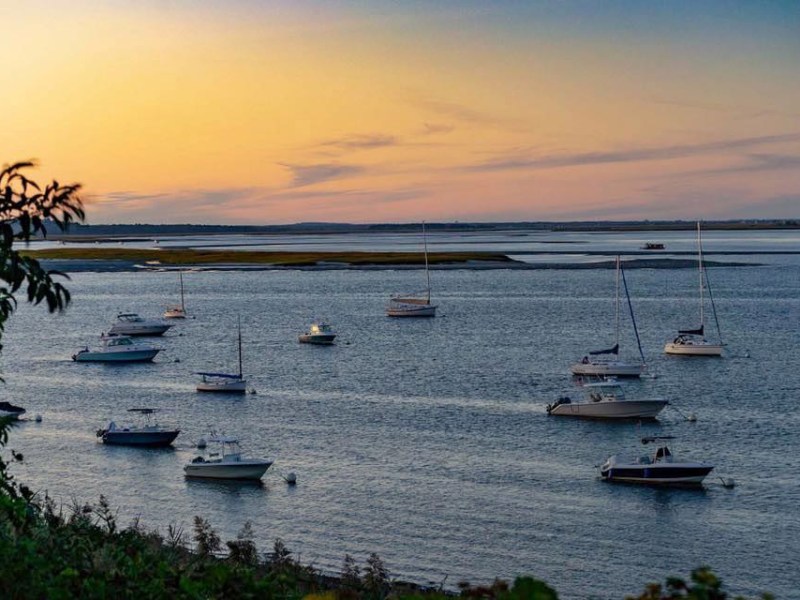
The Battle of Middle Ground, July 3, 2005
Gather all ye noble men and listen to my song. I know you have more pressing things But this shouldn’t take too long. Our tale occurs on slippery sand at a place called Middle Ground.
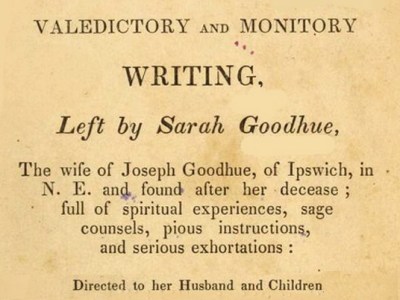
Sarah Goodhue’s Advance Directive, July 14, 1681
On July 14, 1681, Sarah Whipple Goodhue left a note to her husband that read: “Dear husband, if by sudden death I am taken away from thee, there is infolded among thy papers something that I have to say to thee and others.” She died three days after bearing twins. This is the letter to…
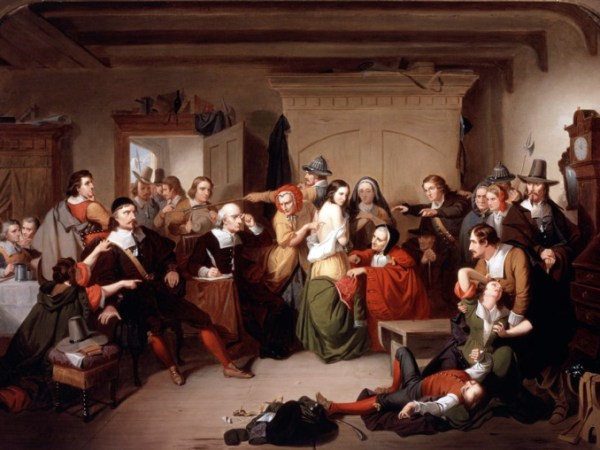
The Witchcraft Trial of Elizabeth Howe, Hanged July 19, 1692
Elizabeth Howe and her husband James resided on outer Linebrook. She was charged with bewitching her neighbor’s child and was arrested on May 28, 1692. She was one of the five women hanged in Salem on July 19, 1692.
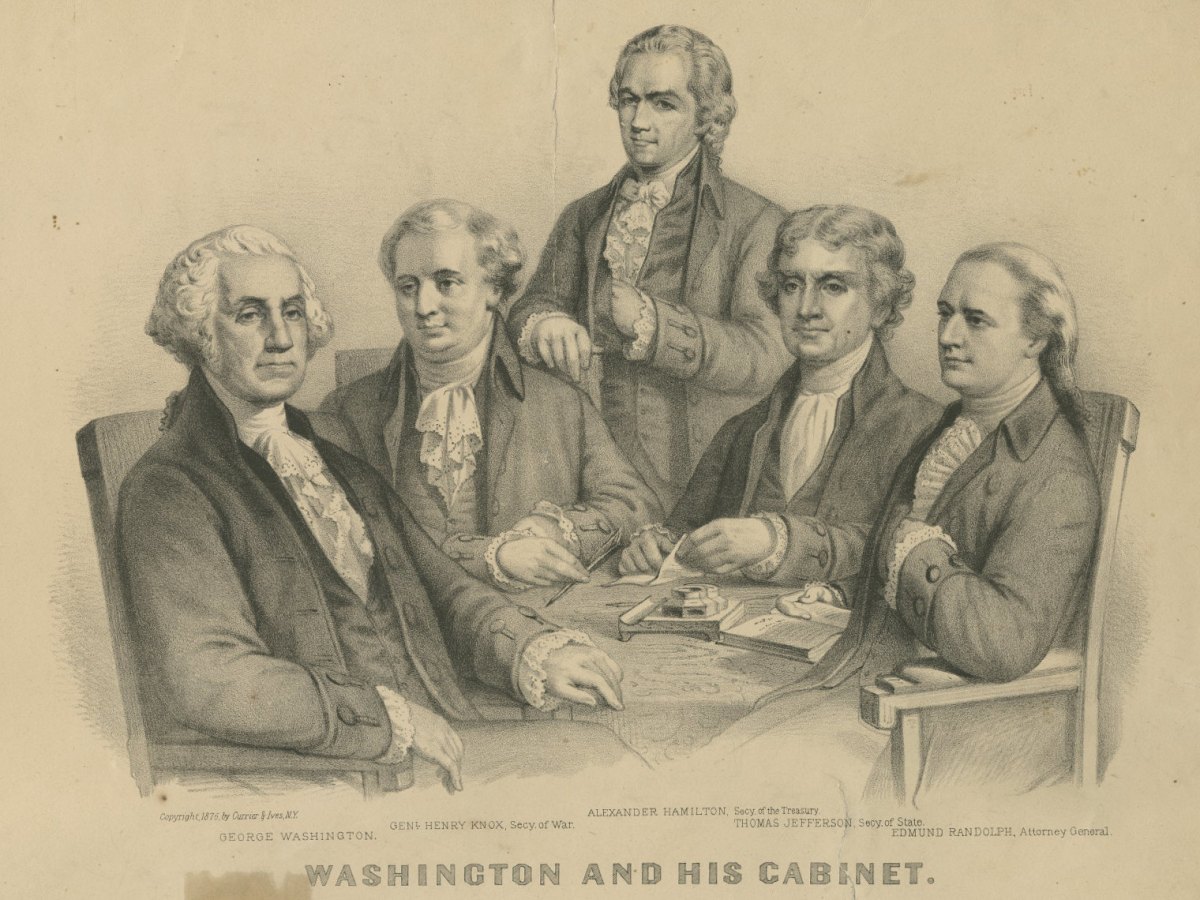
“The Hobby Horse of Popularity”
Alexander Hamilton wrote these words in a letter to George Washington on August 18, 1792. Political divisions between the Federalist Party (led by Hamilton) and the Democratic-Republican Party led by Thomas Jefferson were deepening. Jefferson’s adoring supporters organized large, well-attended events where they praised him in speeches and songs, while his political opponents portrayed him as a radical…
Something went wrong. Please refresh the page and/or try again.

