Featured image: Ipswich Post Office mural representing a meeting in 1687 for which Ipswich is known as the “Birthplace of American Independence.”
By Stephen Miles
In a resounding vote at the May 12, 2026 Town Meeting, citizens of Ipswich, in the spirit of their forebearers, passed Article 14, asking their duly elected representatives in Congress to perform their oversight duties over the executive branch in our government.
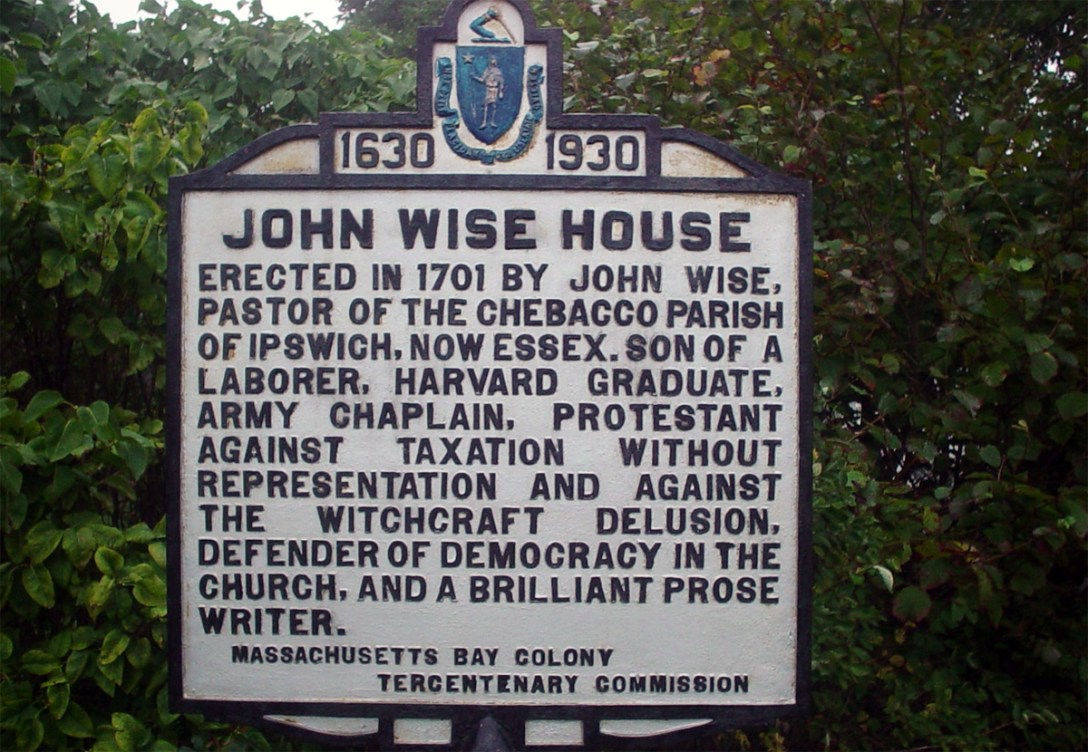
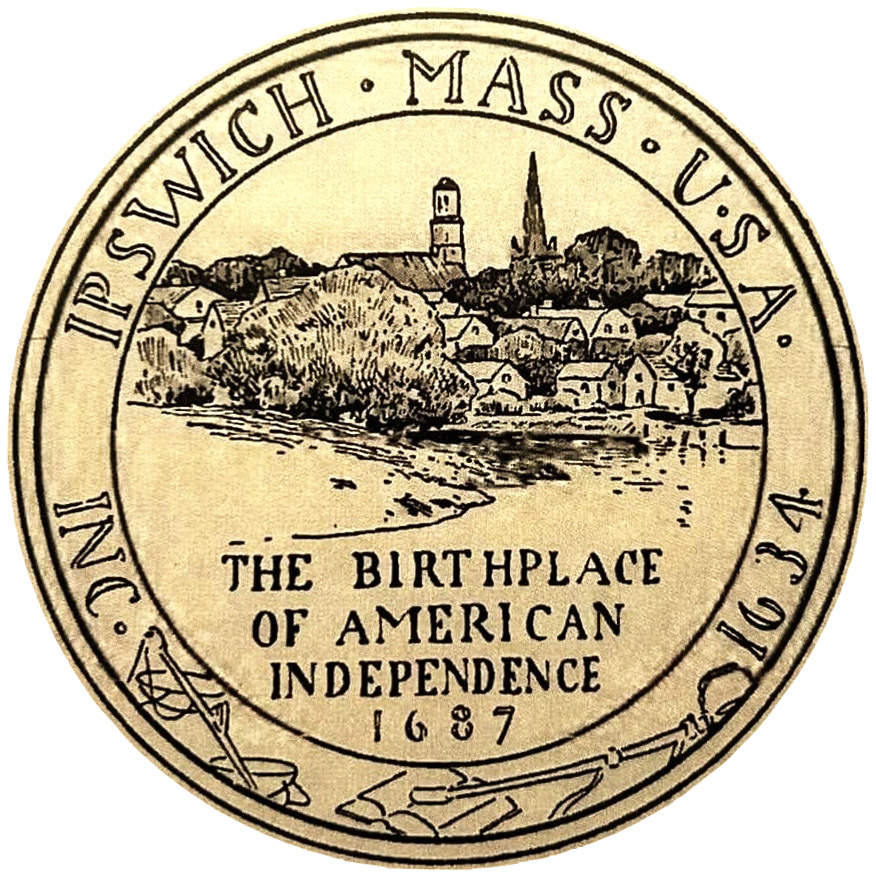
Ipswich has a profound claim to the title “Birthplace of American Independence” on our town seal that is primarily due to the events of 1687—nearly a century before the actual Revolution. When Governor Edmund Andros imposed tariffs and taxes to cover expenses of the King’s wars on another continent without the General Court’s consent, Reverend John Wise, the minister of the Chebacco Parish, famously argued that “taxation without representation is tyranny.”
John Appleton, a prominent town leader and clerk, oversaw the town’s formal vote to refuse the tax, asserting that the levy violated their rights as Englishmen under the Magna Carta. His brother Major Samuel Appleton, a military leader and an assistant to the General Court, refused to comply with the Andros government and was imprisoned without bail in Boston, making him one of the first “political prisoners” of the pre-Revolutionary era.
The “Ipswich Five” who organized the civil disobedience and were arrested included John Wise, John Appleton, William Goodhue, a selectman and representative to the General Court, Robert Kinsman, a veteran of King Philip’s War, town official Thomas French and Lieutenant John Andrews, the Town Moderator.
In drafting the US Constitution, Reverend Wise’s belief in a government based on the consent of the governed was cited by later leaders like Samuel Adams and Thomas Jefferson in the subsequent Constitutional Convention in 1787. Ipswich still carries the seal “The Birthplace of American Independence”. It is in this spirit that article 14 asks the US Congress to exercise their oversight on the unitary executive as required under the US Constitution, including to control appropriations (the power of the purse), to investigate wrongdoing and to protect civil liberties from executive overreach.
Discover more from Historic Ipswich
Subscribe to get the latest posts sent to your email.