Daniel Denison became Major General of the colonial forces and represented Ipswich in the general court. He was remembered with high esteem by the people of Ipswich well into the 19th Century. You can visit Denison's grave at the Old North Burial Ground.
Tag: town government
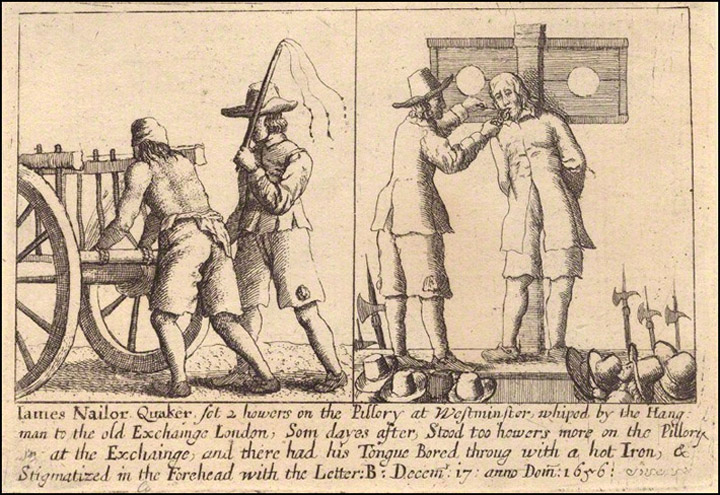
Persecution of Quakers by the Puritans
Beginning in 1656, laws forbade any captain to land Quakers. Any individual of that sect was to be committed at once to the House of Correction, to be severely whipped on his or her entrance, and kept constantly at work, and none were suffered to speak with them. In Ipswich, ย Rogerย Darby his wife lived on High St, and were warned, fined and dealt with harshly.
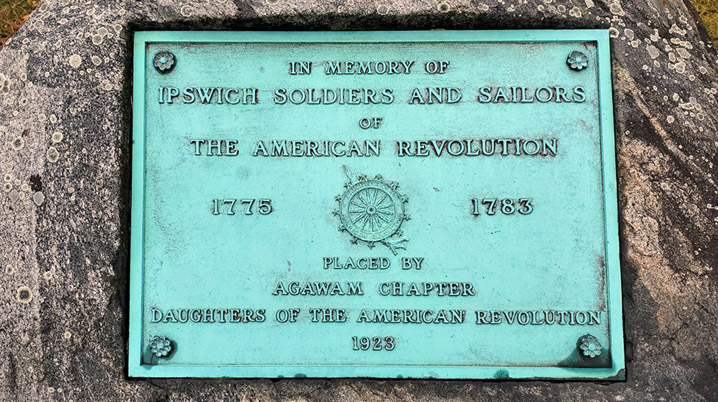
Ipswich and the American Revolution, Part 2: The Revolutionary War
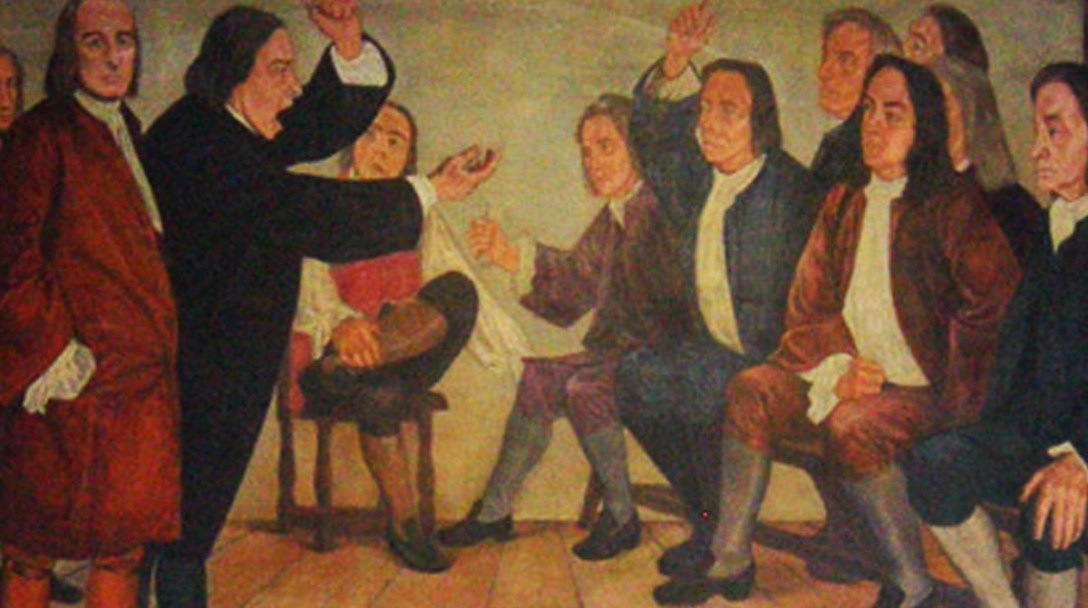
On June 10th, 1776, the men of Ipswich, in Town-meeting assembled, instructed their Representatives, that if the Continental Congress should for the safety of the said Colonies Declare them Independent of the Kingdom of Great Britain, they will solemnly engage with their lives and Fortunes to support them in the Measure.
Patronage and Scandal at the Ipswich Customs House
Election Night in Ipswich
"The climax of petty officialdom might well have been reached in 1797 when the list of officers chosen at the Town meeting included Selectmen, Overseers, Town Clerk and Treasurer, Tithing-men, Road Surveyors, Fish Committee, Clerk of the Market, Fence Viewers, Haywards, Surveyors of Lumber, Cullers of Fish, Sealers of Leather, Hog-reeves, Gangers of Cask, Sealers of Weights, Measurers of Grain, Corders of Wood, Firewards, Packer of Pork, and Cullers of Brick.โ
1854: Anti-immigrant Know Nothing Party Sweeps Massachusetts Elections
Prejudice disguised as patriotism repeats itself in American politics. In 1854, the "Know Nothing" American Party formed in opposition to Irish immigration and carried local elections in New England communities. They swept the state of Massachusetts in the fall 1854 elections but were defeated two years later.
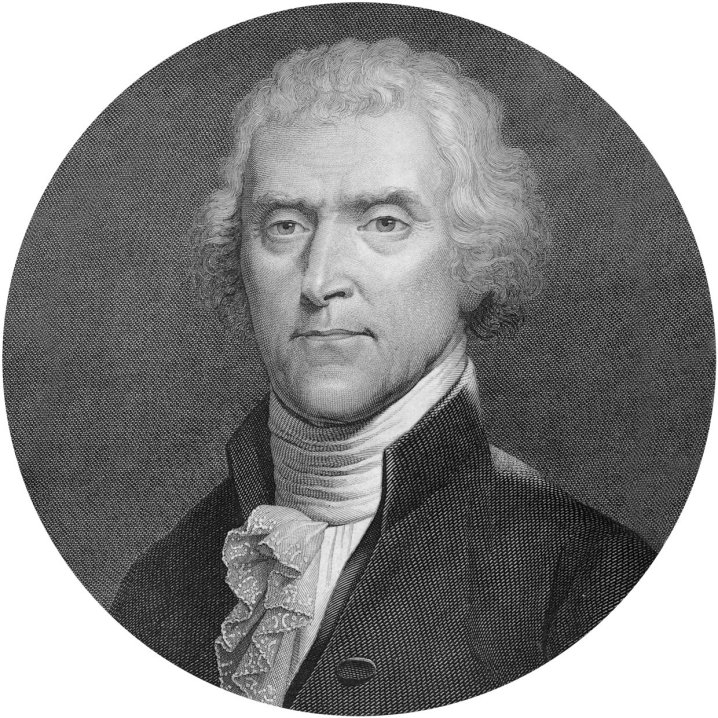
“To the Inhabitants of the Town of Ipswich,” from Thomas Jefferson
The Embargo Act of 1807 put New England ports at a standstill and its towns into a depression. The Ipswich Town Meeting petitioned the President to relieve "the people of this once prosperous country from their present embarrassed and distressed condition." The town found Jefferson's answer "Not Satisfactory."