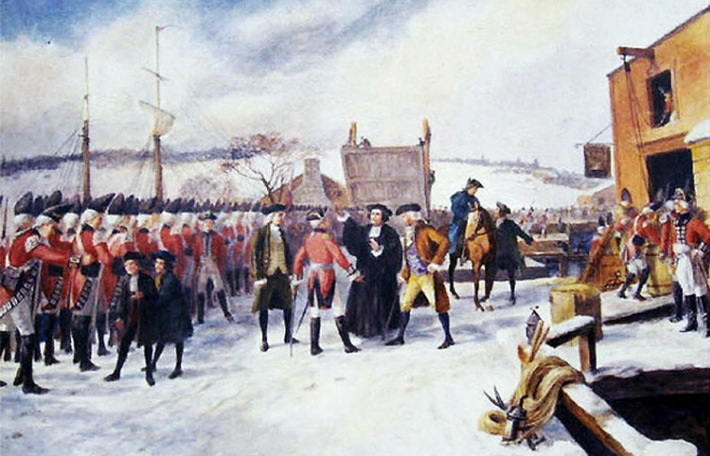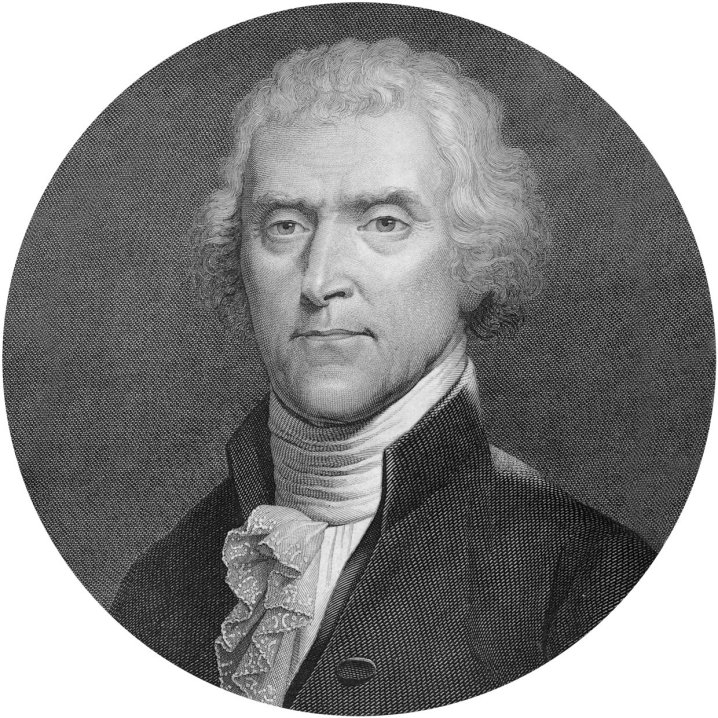
Daniel Denison became Major General of the colonial forces and represented Ipswich in the general court. He was remembered with high esteem by the people of Ipswich well into the 19th Century. You can visit Denison's grave at the Old North Burial Ground.
Tag: war
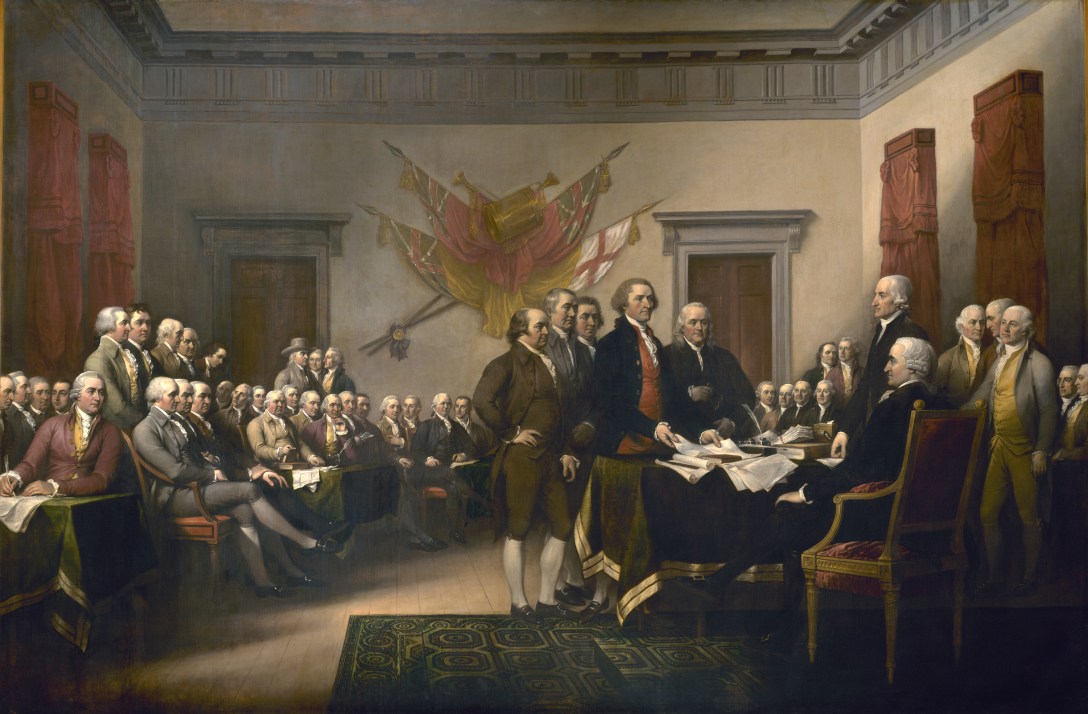
In Congress, July 4, 1776
When in the Course of human events it becomes necessary for one people to dissolve the political bands which have connected them with another and to assume among the powers of the earth, the separate and equal station to which the Laws of Nature and of Natureโs God entitle them, a decent respect to the opinions of mankind requires that they should declare the causes which impel them to the separation.
Ghosts of Independence Day
By Gavin Keenan My wife and I were reminiscing about Independence Days long past, when our children were little, some of our parents still alive, and our families mostly living nearby. Backyard cook-outs scheduled around shifts at Beverly Hospital or the I.P.D., Betty Dorman's Recreation Department Fourth of July Children's Parade - thankfully still going… Continue reading Ghosts of Independence Day
April 1, 1970: The Massachusetts Legislature Challenges the Vietnam War
On April 1st, 1970, both houses of the Massachusetts legislature passed a billย known as the "Shea Act," which declared that no inhabitant of Massachusetts "shall be required to serve" abroad in an armed hostility that has not been declared a war by Congress, under Article I of the U.S. Constitution.
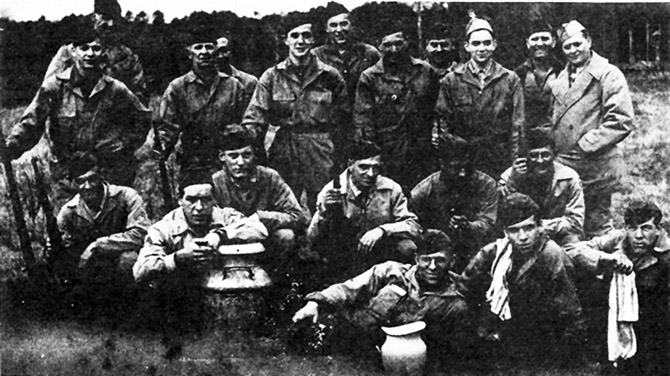
The Proximity Fuze: How Ipswich women helped win WW II
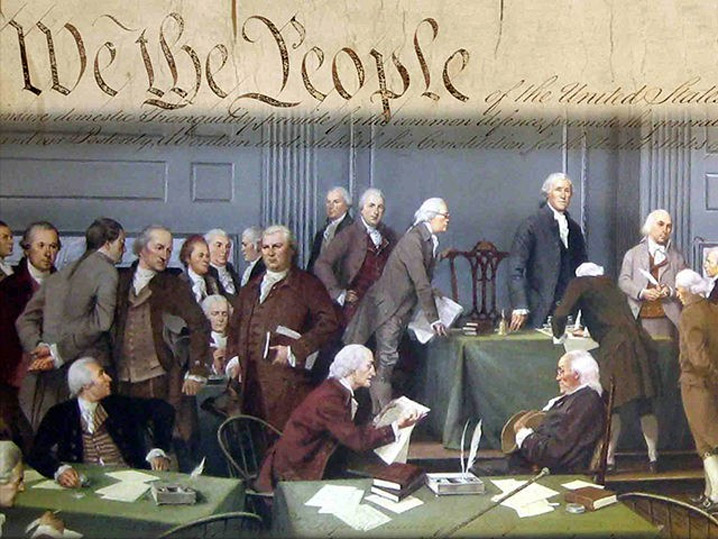
The Constitutional Convention and Establishment of the Electoral College
Many of ourย founding fathers had littleย trust in the instinctsย of the common man. John Adams observed that "Pure democracy has also been viewed as a threat to individual rights," and warned against the โtyranny of the majority.โ Alexander Hamilton, one of the three authors of the "Federalist Papers"ย defended theย system ofย electorsย by which we choose a President today.
“To the Inhabitants of the Town of Ipswich,” from Thomas Jefferson
The Embargo Act of 1807 put New England ports at a standstill and its towns into a depression. The Ipswich Town Meeting petitioned the President to relieve "the people of this once prosperous country from their present embarrassed and distressed condition." The town found Jefferson's answer "Not Satisfactory."
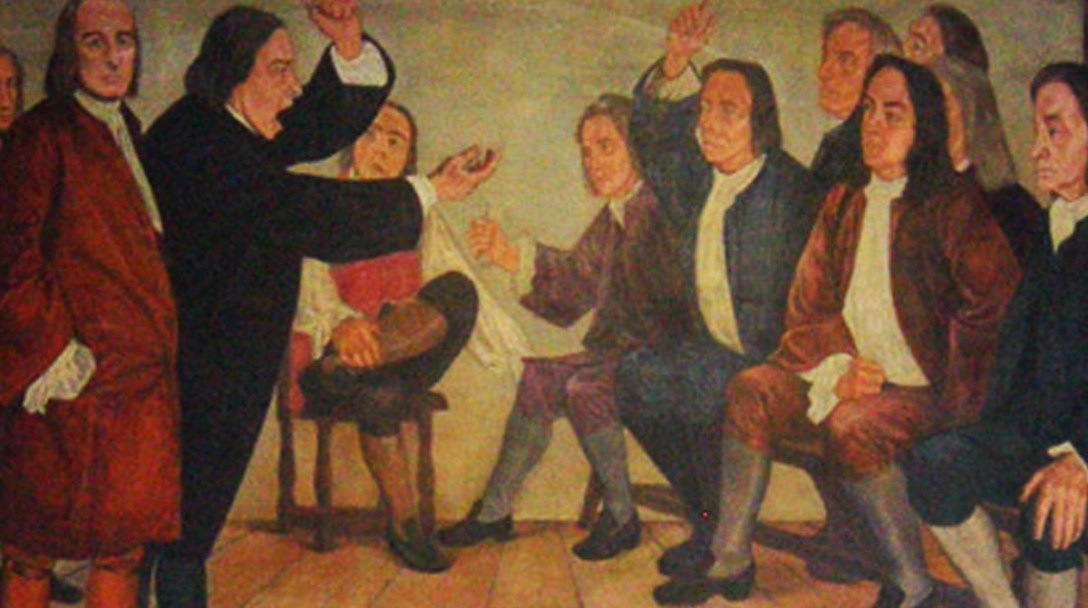
The Rev. John Wise of Ipswich
Acadian Exiles in Ipswich, 1755
Massachusetts men played a conspicuous part in the French and Indian War, which resulted in wholesale destruction and deportation in French-speaking Nova Scotia. Surviviors were exiledย to the Colonies, their childrenย taken from them and distributed to English families as "nothing more than slaves."