

When the Town of Ipswich was laid out in the 1630s, everyone was required to live within a half mile of the Meeting House. Accordingly, long, narrow lots were laid out on High and East Streets, extending up along Town Hill. There may have been a vegetable garden, an orchard, a pen for animals, an outhouse, barns, and other outbuildings in the rear, and perhaps the wife’s herb garden in the front yard. The entire lot was needed for self-sustainability. Maps of East and Summer Streets show that until the mid-19th century, one side of the street had houses, and the land between East and Summer Streets had orchards and gardens.

Tourists flock to reconstructed towns like Old Sturbridge Village, Historic Deerfield, and Colonial Williamsburg, but Ipswich is a real town. Every historic home in the town other than the Whipple House and the Paine House is lived in, usually by the owners. One of our First Period houses has never been sold; the current owner is a direct descendent of the 17th-century builder.
The Historical Commission’s mandate is to preserve and protect the houses, character, and streetscapes of our seven historic districts listed in the National Register of Historic Places. When we developed and adopted the Architectural Preservation District, we assured homeowners that the APD was designed to protect their investments in our exceptionally historic neighborhoods and community, not to dictate what color to paint their houses.
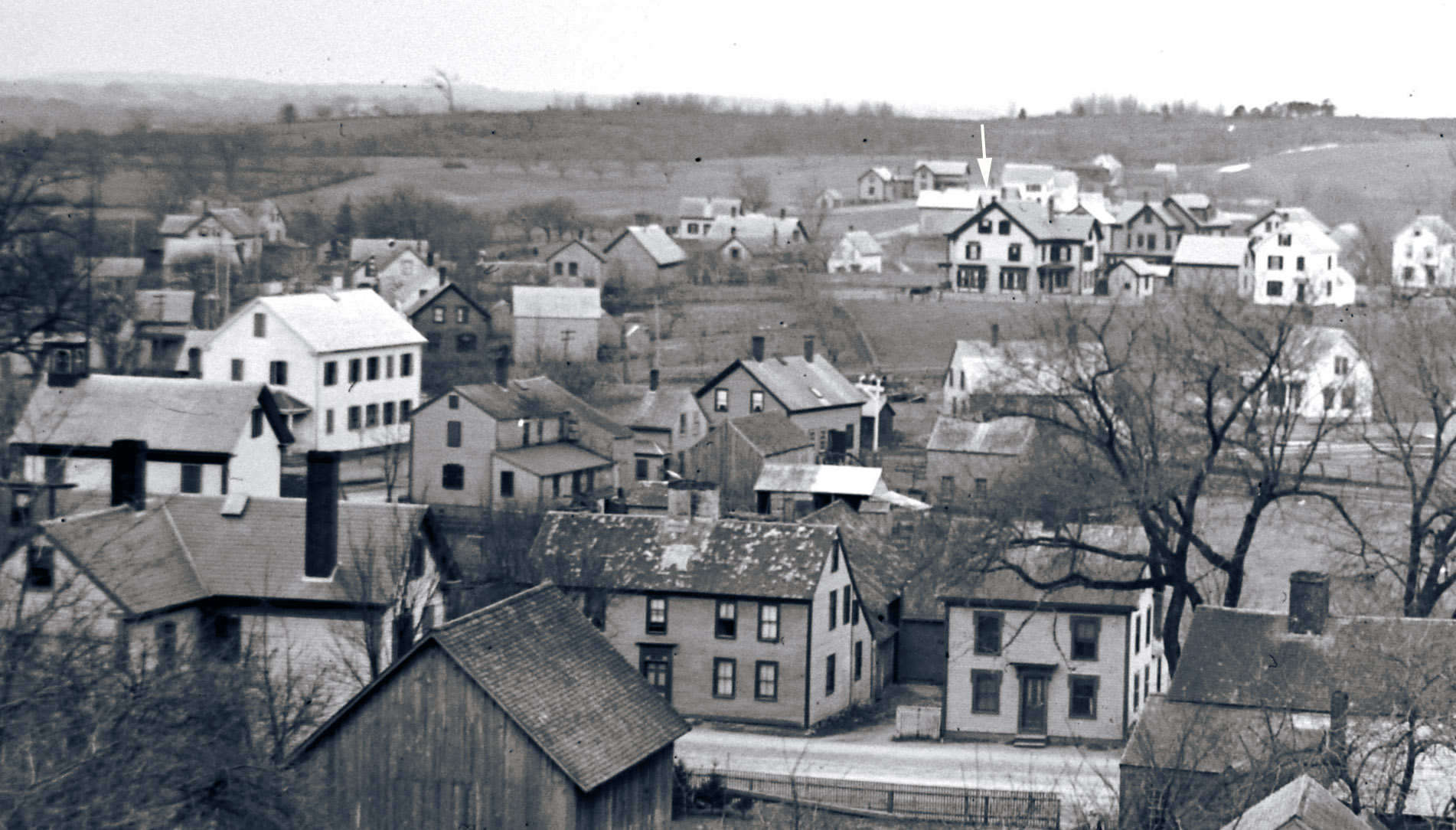
Ipswich Yesterday
The following is an excerpt from the book Ipswich Yesterday

by Alice Keenan
“Naturally, when we moved to Ipswich, my antiquarian cup ranneth over. This lovely old town, its long history, ancient houses, and interesting people became almost an obsession — a most delightful one to be sure — and supported by an understanding, if not occasionally bemused, family, I merrily pursued my historic bent. We remember well, on coming here a quarter of a century ago, driving endlessly up and down the by-ways of this old town in a state of pop-eyed wonder, passing 17th Century house after 17th Century house, modestly unmarked, and in some cases woefully uncherished.
We know we made a positive pest of ourselves by prattling on and on to whomever we met about the unbelievable wealth of history contained in our newfound community and were properly and at times un-gently put in our place as one of those tiresome newcomers who “wanted to change things.”
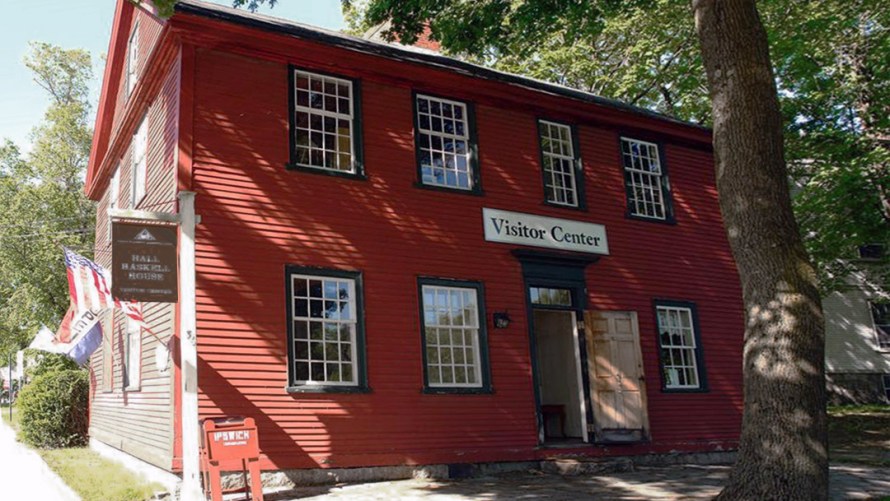
We certainly didn’t want to change things — we just wanted to help preserve and protect what we had left. We embarked on what our family resignedly referred to as “Ma’s Madness.”
“Preserve and Protect” was the credo of the Historical Commission, the first in the state, formed in 1964, and it wasn’t until we inventoried what we had and noted what we had lost, that it became apparent that a wealth of 17th and 18th-century houses and structures had been destroyed through neglect, avarice, and sheer stupidity.
A member of the commission, the late Kay Thompson, once jotted down some of our losses. The list goes on and on, way back to the turn of the century, until the writer wearily ends by commenting: “Within the last 50 years we’ve lost enough handsome old houses to stock a new Sturbridge Village.”
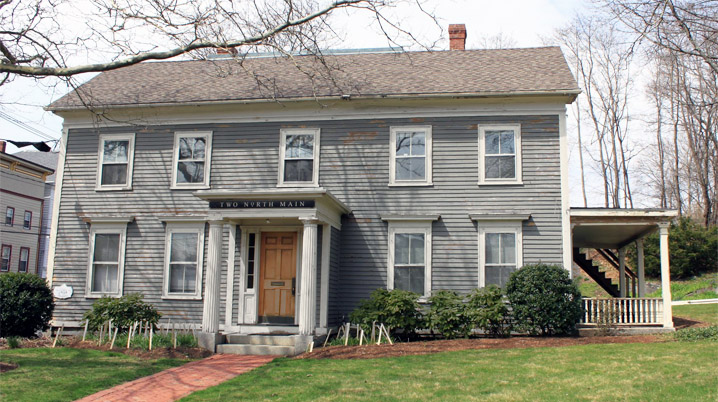
The Ipswich Heritage Trust was formed when the historic John Appleton House at the foot of North Main Street was going to be bulldozed down and replaced with a service station. The Dr. John Manning House and Old Post Office on North Main St. soon followed.
Much of what we have left we can give thanks, in part, to those frugal Ipswichites who never, never, destroyed or threw away anything if a modicum of use could be found for it.
Houses and parts of houses were turned back to front, moved all over town; paneling and nails were re-used where necessary, ells from one house were tacked on another a mile or two away; barns were moved and turned into comfortable dwellings, and alas, comfortable dwellings turned into barns.
It is the people who built and lived in these houses generation after generation, irascible, brilliant, dedicated, impossibly dull, and surprisingly witty, that made Ipswich the fascinating place it was and perhaps still is.”
 “Preserve and Protect” - Alice Keenan: "Naturally when we moved to Ipswich my antiquarian cup ranneth over. This lovely old town, its long history, ancient houses and interesting people became almost an obsession"… Continue reading “Preserve and Protect”
 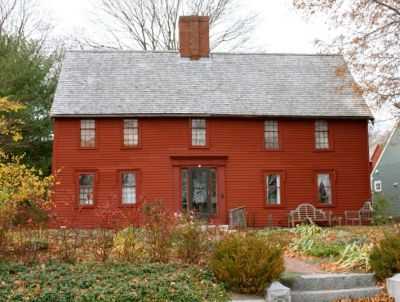 Something to Preserve - This important book described the process by which the town of Ipswich began to preserve at-risk historic homes after the town rejected efforts to set up a legal historic district.… Continue reading Something to Preserve
  Ipswich Listings in the National Register of Historic Places - Authorized by the National Historic Preservation Act of 1966, the National Register of Historic Places supports public and private efforts to identify, and protect America's historic and archeological resources.… Continue reading Ipswich Listings in the National Register of Historic Places
 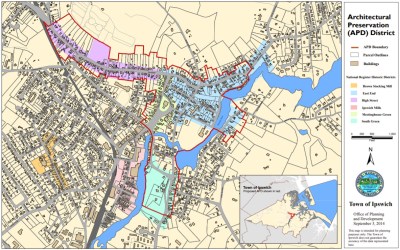 Historic Districts & Neighborhoods - The contiguous historic neighborhoods of Meeting House Green, High Street, the East End, and the South Green are well-preserved streetscapes of 17th to 19th century private residences.… Continue reading Historic Districts & Neighborhoods
 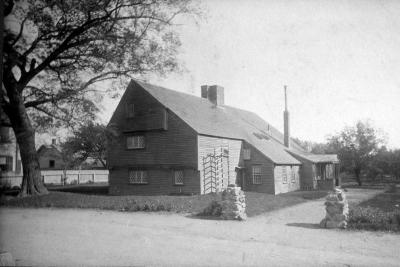 First Period Construction - 17th Century construction methods in New England were derived from English post-medieval carpentry traditions. Eastern Massachusetts contains the greatest concentration of First Period structures in the nation. … Continue reading First Period Construction
 Discover more from Historic Ipswich
Subscribe to get the latest posts sent to your email.


I had the privilege of sharing my booth at Olde Ipswich Days with Alice, when she had her first book published. She was truly one of a kind and had a wicked sense of humor. She also joined me when the second book was released and I always looked forward to her arrival. Since I viewed her as so purely Ipswich, hearing her state she was the “outsider” coming to make changes is amusing. I don’t doubt that is how she was viewed at that time. I have heard that said about a few others lately so it’s funny how some things never change!