The Great Dying 1616-1619, “By God’s visitation, a Wonderful Plague.”

A Mortal Sickness Among the Indians

An estimated 18,000,000 Native Americans lived in North America before the 17th century. The arrival of 102 Pilgrims aboard the Mayflower at Plymouth in 1620, and the settlements by the Massachusetts Bay Colony Puritans a decade later were accompanied by the demise of much of the native population of North America.
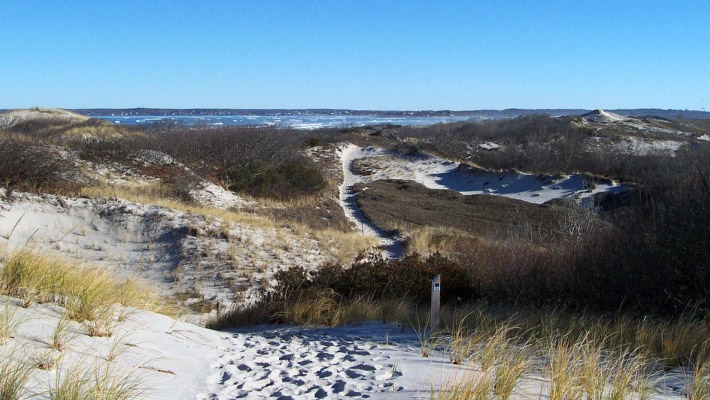
Choate Island and Rufus Choate

Choate Island was originally known as Hog Island, and is the largest island in the Crane Wildlife Refuge and is the site of the Choate family homestead, the Proctor Barn, the White Cottage, and the final resting place of Mr. and Mrs. Cornelius Crane. There are great views from the island summit of the Castle Neck dunes and Plum Island Mount Agamenticus in Maine.

History of Great Neck

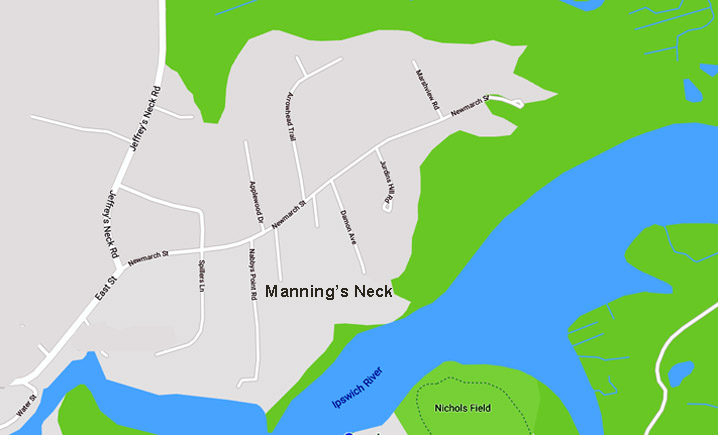
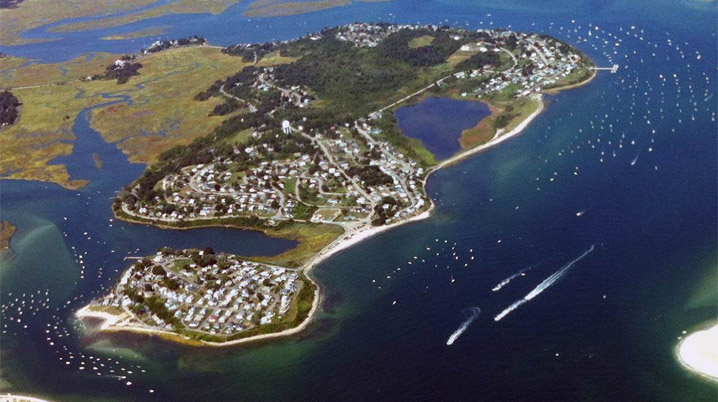
Great Neck and Little Neck Ipswich MA

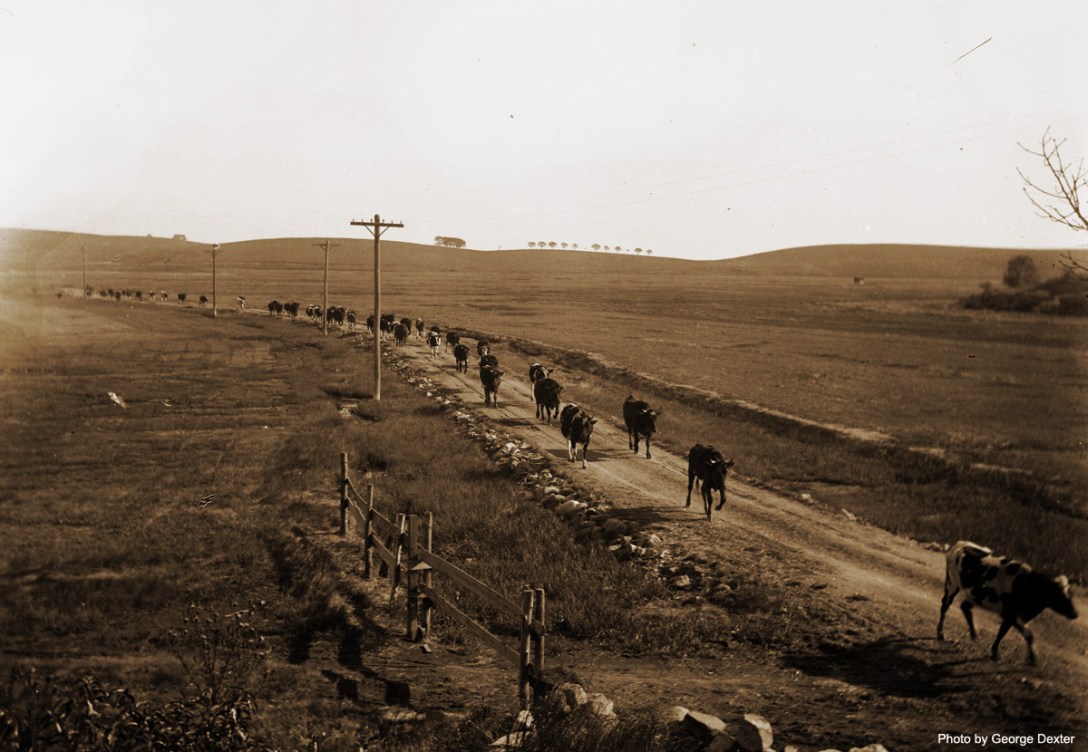
Before the settlement of Ipswich was begun in 1633 by John Winthrop, William Jeffrey, who had come over in 1623, had purchased from the Indians a title to the glacial drumlin which bears his name. By 1639 the whole tract was set apart as a common pasture by the new town, and in 1666 the General Court gave Jeffrey five hundred acres of land elsewhere. After the early eighteenth century, the Necks remained as the only common lands retained by the Commoners.